
In the realm of personal finance, travel often represents one of the most significant discretionary expenses a household or individual will encounter. Unlike fixed costs such as mortgage payments or insurance premiums, airfare is a highly volatile commodity, fluctuating based on complex algorithms, global demand, and fuel indices. For the financially savvy consumer, understanding the mechanics of ticket pricing is not merely a matter of convenience; it is a critical component of wealth management and strategic spending.
Identifying the “cheapest day to fly” is a perennial quest for travelers looking to optimize their ROI on experiences. However, in an era of big data and dynamic pricing, the answer has evolved beyond simple folklore. To truly master the cost of air travel, one must look at the intersection of market supply, consumer psychology, and financial planning.
The Financial Landscape of Modern Air Travel
To understand why a flight costs $200 one day and $600 the next, one must first understand “Yield Management.” This is a variable pricing strategy used by airlines to maximize revenue from a fixed, perishable inventory (seats on a plane). From a money management perspective, the traveler is essentially participating in a high-frequency trading environment every time they search for a flight.
Dynamic Pricing and Market Volatility
Airlines employ sophisticated software that adjusts prices in real-time based on the rate of bookings. If a flight is filling up faster than historical averages, the price climbs. If it is lagging, the price drops. For the consumer, this means that “value” is a moving target. To protect your personal capital, you must view airfare as a market that requires monitoring rather than a storefront with static prices.
How Airlines Use Algorithms to Determine Costs
Beyond simple supply and demand, airlines factor in “willingness to pay.” Business travelers—who are often price-insensitive because their companies foot the bill—typically fly out on Monday mornings and return on Thursday or Friday afternoons. By inflating prices during these windows, airlines capture higher margins from corporate budgets. The individual traveler can leverage this by positioning their “trade” (their ticket purchase) during the lulls left behind by corporate activity.
Identifying the Golden Window: Data-Driven Days for Savings
Historical data from major travel aggregators and financial analysts consistently points toward specific patterns in the calendar week. While there is no “magic bullet” that applies to every route, certain days offer a statistical advantage for the budget-conscious traveler.
Mid-Week vs. Weekend: The Tuesday and Wednesday Rule
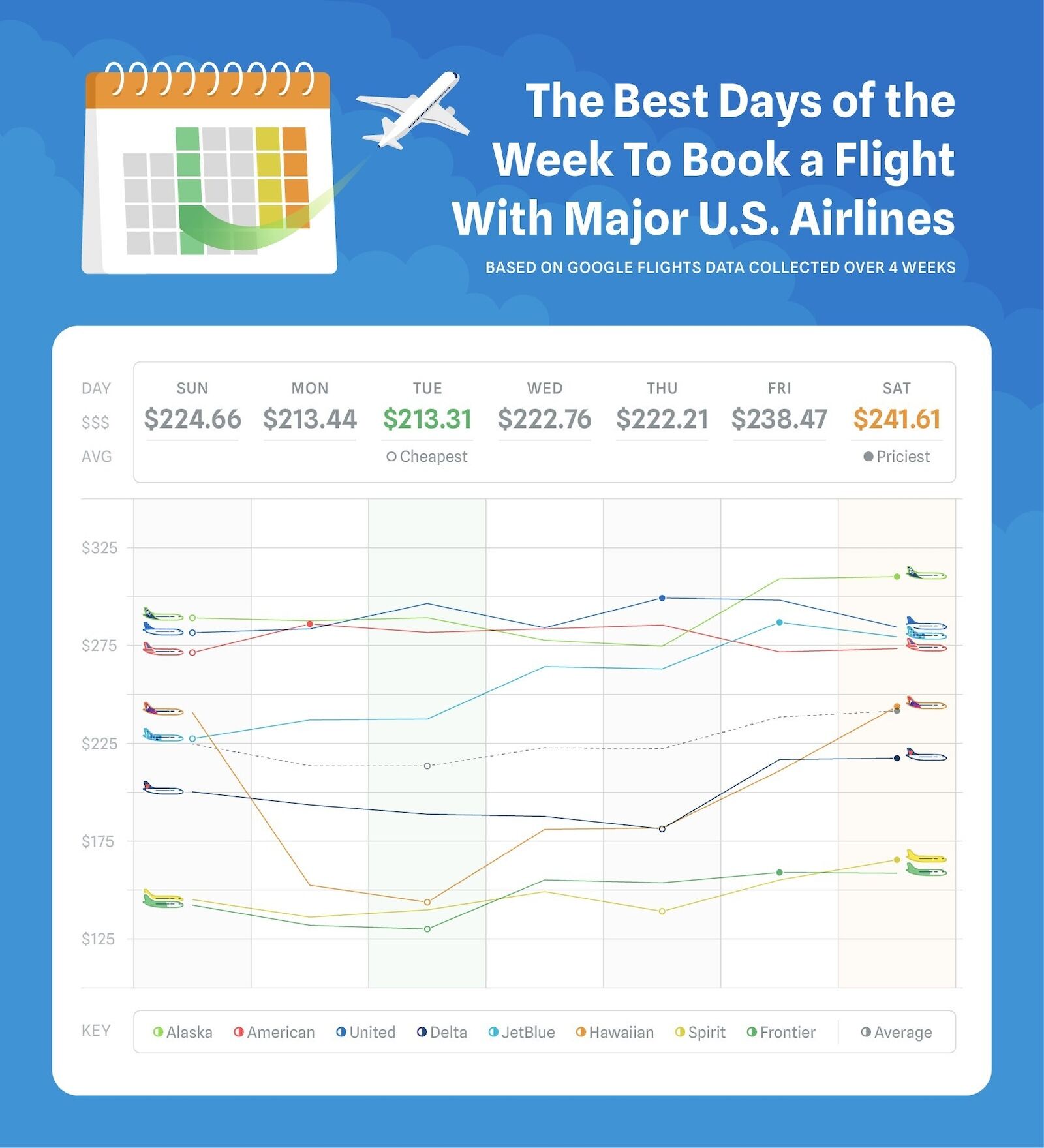
In the hierarchy of the work week, Tuesday and Wednesday are consistently the least expensive days to actually board a plane. Because these days fall in the “trough” of the week—too late for the start of business trips and too early for weekend getaways—demand drops significantly.
From a personal finance standpoint, shifting a trip by just 24 to 48 hours can result in savings of 15% to 40%. When extrapolated across a family of four, this “mid-week shift” can preserve thousands of dollars in capital that can be redirected toward long-term investments or an emergency fund.
Seasonal Fluctuations and the Impact on Personal Liquidity
The “cheapest day” is also influenced by the broader fiscal quarter. Flying on a Tuesday in July (peak vacation season) may still be more expensive than flying on a Sunday in February (shoulder season). Savvy financial planners use “counter-cyclical” travel strategies—visiting high-value destinations during their off-peak periods. This reduces the “cost per day” of the trip, ensuring that leisure travel does not encroach upon essential savings goals.
Leveraging Financial Tools and Tech to Lower Travel Expenses
In the modern financial ecosystem, the tools you use to purchase a flight are just as important as the day you choose to fly. Strategic use of financial technology and credit products can effectively rebate a portion of your travel costs.

Using Price Aggregators as Financial Analysis Tools
Before committing capital, a traveler should utilize aggregators like Google Flights or Skyscanner not just to find a price, but to view price history graphs. These tools act similarly to stock market charts, showing whether the current price is “High,” “Typical,” or “Low” based on the last 12 months of data. This allows the consumer to make an informed decision based on data rather than the “fear of missing out” (FOMO).
The Role of Credit Card Rewards and Point Optimization
For those with disciplined spending habits, travel-reward credit cards are essential financial instruments. By routing everyday expenses through a high-yield travel card, a consumer can accumulate “points” or “miles” that act as a secondary currency.
When you book a flight using points on a “cheap” day (Tuesday or Wednesday), the redemption value of those points often stretches further. This creates a compounding effect on your savings. However, this strategy only works if the balance is paid in full every month; the interest rates on travel cards are notoriously high and can quickly negate any savings found on airfare.
Strategic Planning as a Wealth Management Tool
The timing of the purchase is the second half of the airfare equation. While the day you fly determines the base rate, the day you buy determines the “entry price” into that flight’s inventory.
Booking Lead Times: When to Pull the Trigger
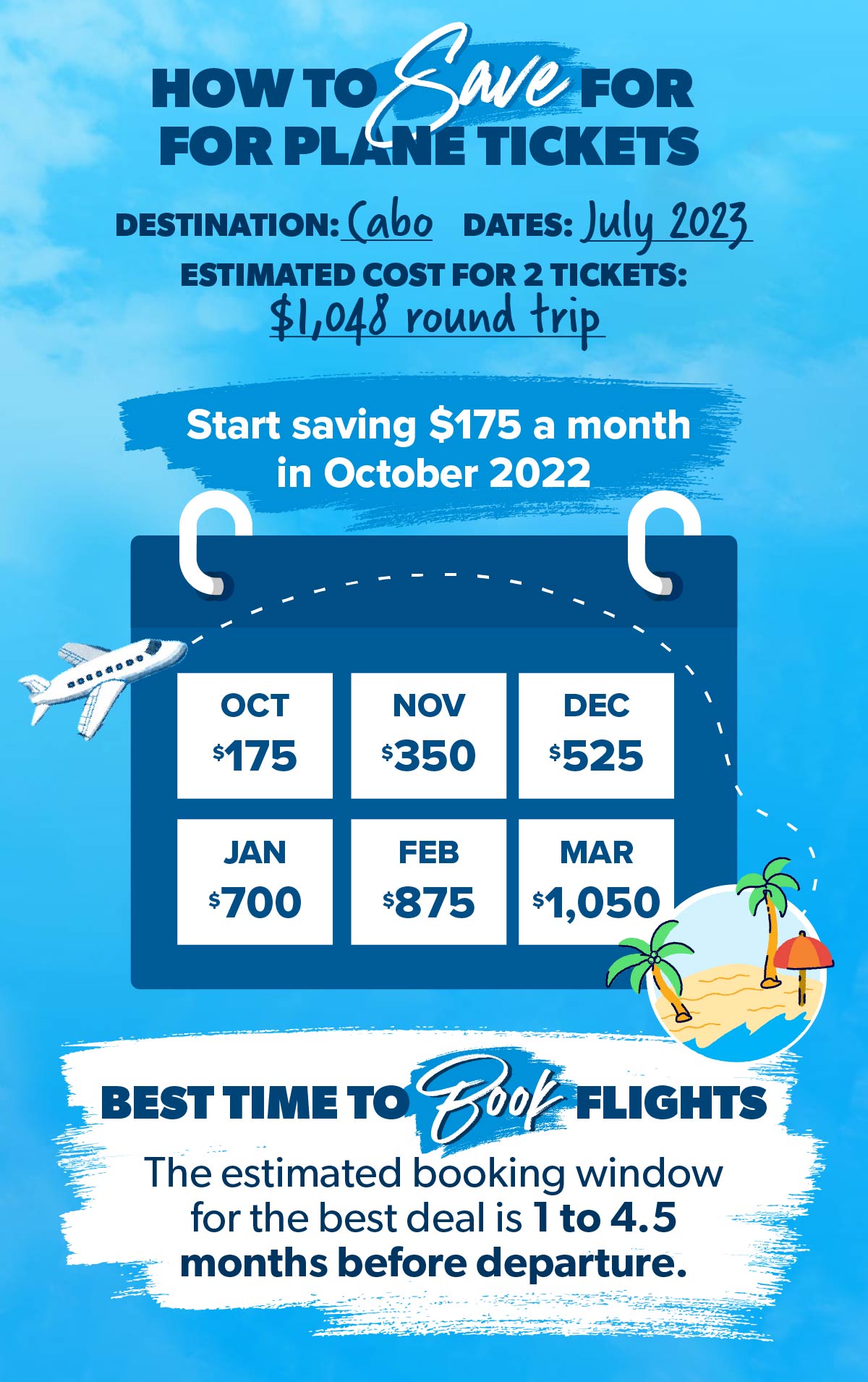
Financial analysts suggest a “Goldilocks window” for booking: usually 1 to 3 months in advance for domestic flights and 2 to 8 months for international travel. Booking too early means you might miss out on promotional sales; booking too late (within the 21-day window) subjects you to the “expedited” pricing reserved for desperate business travelers.
The Opportunity Cost of Last-Minute Booking
Last-minute travel is one of the greatest “wealth killers” in personal finance. Airlines know that a traveler booking 48 hours before departure likely has an inelastic need to fly (e.g., a family emergency or an urgent meeting) and will price the seat accordingly. By planning travel 60 days out, you are not just saving money; you are practicing sound cash-flow management, allowing you to predict your monthly outflows with greater accuracy.
Advanced Money-Saving Tactics for the Frequent Traveler
For those who travel frequently for business or pleasure, more advanced financial tactics can be employed to shave the “long-tail” costs of air travel.
“Hidden City” Ticketing and Regulatory Risks
A controversial but effective tactic is “hidden city” ticketing, where a traveler buys a flight with a layover in their actual destination because it is cheaper than a direct flight to that destination. While this can save hundreds of dollars, it carries “contract of carriage” risks. From a financial risk-management perspective, one must weigh the immediate savings against the potential of being blacklisted by an airline, which could increase future travel costs.
Diversifying Your Travel Portfolio with Budget Carriers
Just as an investor diversifies a portfolio, a traveler should diversify their “carrier mix.” While legacy carriers offer more amenities, budget carriers (ULCCs) can offer base fares that are significantly lower. The key to making this a winning financial move is to avoid “ancillary creep”—the addition of fees for bags, seats, and water that can eventually make a budget flight more expensive than a premium one. A disciplined approach to packing (one personal item) ensures the “budget” remains truly low-cost.
Currency Arbitrage and Regional Sites
In some instances, booking a flight through a version of the airline’s website designated for a different country (using the local currency) can result in a lower price due to exchange rate fluctuations or regional promotions. However, this requires a credit card with no foreign transaction fees to ensure the currency conversion doesn’t eat the gains.
Conclusion: The Bottom Line on Airfare Economics
Finding the cheapest day to fly is an exercise in financial discipline. It requires moving away from the “convenience-first” mindset that dominates modern consumption and adopting a “value-first” strategy. By targeting mid-week flights, utilizing data-driven booking windows, and leveraging the right financial tools, you can significantly reduce one of your largest annual expenses.
In the final analysis, the money saved on airfare is not just “extra cash”—it is capital that can be used to fund a retirement account, pay down high-interest debt, or invest in further experiences. By treating airfare as a market to be analyzed rather than a cost to be endured, the savvy traveler ensures that their wanderlust remains a sustainable part of their long-term financial plan.
aViewFromTheCave is a participant in the Amazon Services LLC Associates Program, an affiliate advertising program designed to provide a means for sites to earn advertising fees by advertising and linking to Amazon.com. Amazon, the Amazon logo, AmazonSupply, and the AmazonSupply logo are trademarks of Amazon.com, Inc. or its affiliates. As an Amazon Associate we earn affiliate commissions from qualifying purchases.