
In the fast-paced world of technology, the terms “watch” and “warning” are often used interchangeably, leading to confusion and potential misinterpretations. While both terms relate to an alert or notification, their underlying purpose, scope, and implications within the tech landscape are distinctly different. Understanding this divergence is crucial for effective system design, user experience, and the successful deployment of technological solutions. This article delves into the nuanced distinctions between a tech “watch” and a tech “warning,” exploring their functionalities, applications, and the strategic importance of differentiating between them.
The Essence of a Watch: Proactive Monitoring and Situational Awareness
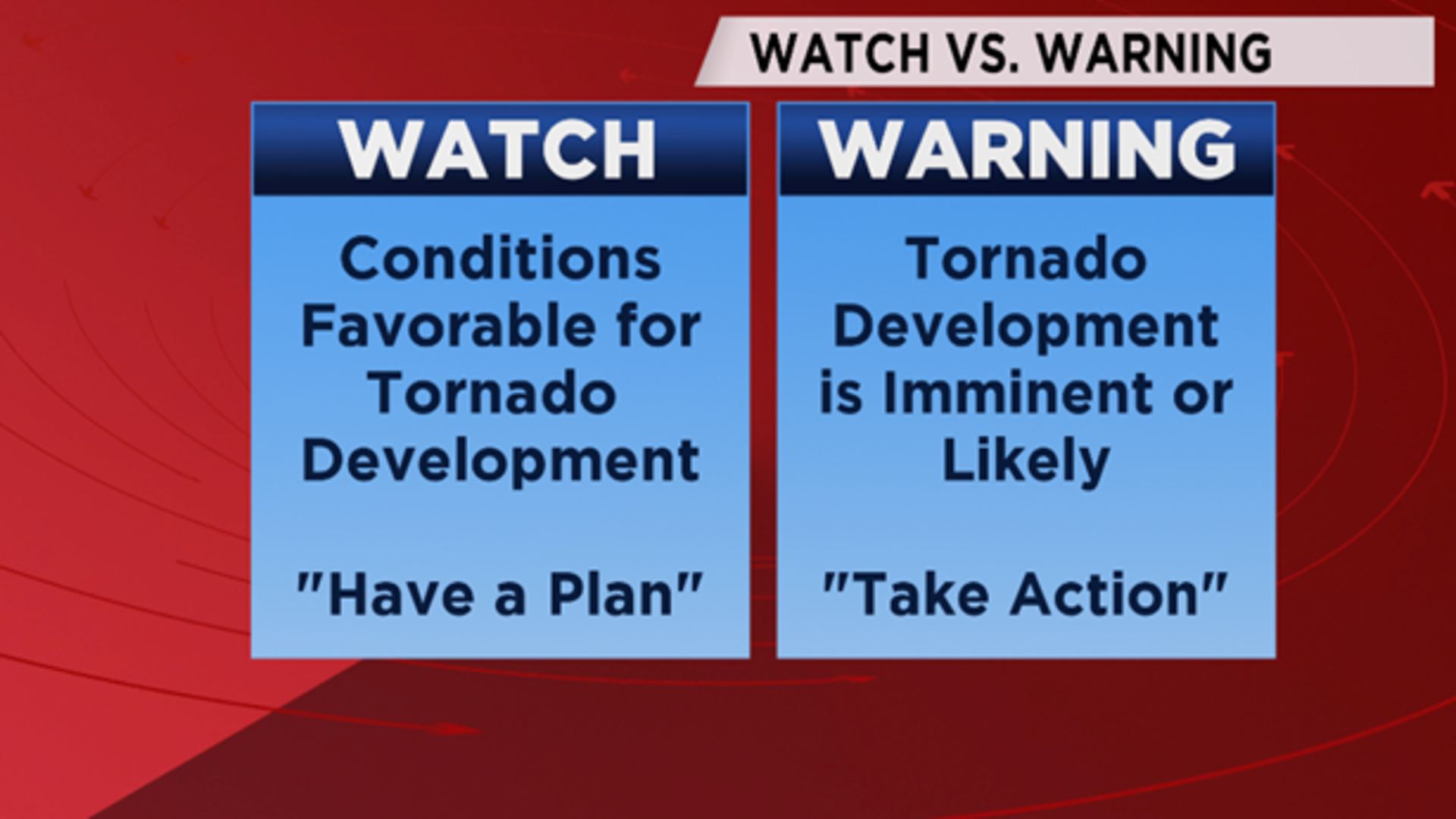
A “watch” in the technological context is fundamentally a proactive mechanism designed for continuous, passive monitoring of a system, service, or a specific set of conditions. Its primary objective is to maintain situational awareness and to detect deviations from a baseline or expected state. Think of it as a vigilant sentinel, constantly observing without necessarily demanding immediate action. The emphasis is on observation and data collection, providing a continuous stream of information that can be analyzed over time.
Understanding the Scope of a Watch
The scope of a tech watch can vary significantly, ranging from low-level hardware metrics to high-level application performance indicators.
Real-time Data Streams and Performance Metrics
At its core, a watch is about observing data in real-time. This could include monitoring CPU utilization, memory consumption, network traffic, disk I/O, or application response times. For instance, a system administrator might set up a watch to track the average response time of a critical web service. The watch itself doesn’t necessarily trigger an alarm if the response time briefly spikes; instead, it logs this information, allowing for trends to be identified. This continuous data stream is invaluable for understanding the normal operational parameters of a system and for spotting subtle degradations that might otherwise go unnoticed.
Trend Analysis and Anomaly Detection
Beyond just collecting raw data, watches are instrumental in identifying trends and detecting anomalies. By observing data over extended periods, patterns can emerge. A watch might notice a gradual increase in error rates over several days, indicating a developing issue that isn’t yet critical enough to warrant an immediate warning. Similarly, it can flag unusual spikes or dips in key performance indicators that deviate significantly from the established norm. This capability is vital for predictive maintenance and for understanding the long-term health and performance of technological assets.
Establishing Baselines and Expected Behavior
A crucial aspect of a watch is its role in establishing baselines of normal system behavior. Without a clear understanding of what constitutes “normal,” it’s impossible to identify what is “abnormal.” Watches help define these benchmarks by collecting data when systems are functioning optimally. These baselines then serve as the reference point against which future observations are compared. This allows for more sophisticated anomaly detection, as deviations are measured against a scientifically established norm rather than a subjective perception of what “should be” happening.
The Power of a Warning: Urgent Notification and Directed Action
In contrast to the passive observation of a watch, a “warning” is an active, immediate notification that signals an undesirable event or a condition that requires prompt attention. Warnings are designed to break through the noise and demand the recipient’s focus. They are typically triggered by specific thresholds being crossed, predefined error conditions being met, or critical system failures occurring. The primary objective of a warning is to initiate a response, whether that involves human intervention, automated remediation, or a shift in system behavior.
The Triggering Mechanisms of Warnings
Warnings are not arbitrary alerts; they are generated based on predefined rules and conditions that indicate a deviation from acceptable operational parameters or the occurrence of a problem.
Threshold-Based Alerts and Critical Events
The most common trigger for a warning is a threshold being crossed. For example, if the CPU utilization of a server exceeds 90% for more than five minutes, a warning might be issued. Similarly, if a critical service becomes unresponsive, a warning is triggered. These are events that are deemed to have a significant impact on system availability, performance, or security, and therefore require immediate attention. The immediacy of a warning is paramount; it’s designed to interrupt normal workflows if necessary to ensure that the alerted issue is addressed.
Error Codes and System Failures
Specific error codes and outright system failures are also primary drivers for warnings. When a piece of software encounters an unrecoverable error, or a hardware component malfunctions, it will often generate an error message or a fault report. These are inherently warnings, indicating that something has gone wrong and that corrective action is needed. The granularity of these warnings can range from a minor software glitch to a complete system outage, with the severity of the warning often correlating with the impact of the underlying issue.
Security Incidents and Compliance Violations
In the realm of digital security, warnings take on an even more critical role. Any detected security breach, unauthorized access attempt, or violation of compliance regulations immediately triggers a warning. These warnings are not just about system health; they are about safeguarding sensitive data, protecting against financial loss, and maintaining regulatory adherence. The speed at which these warnings are processed and acted upon can be the difference between a minor security incident and a major data breach.
The Strategic Interplay: How Watches Inform Warnings
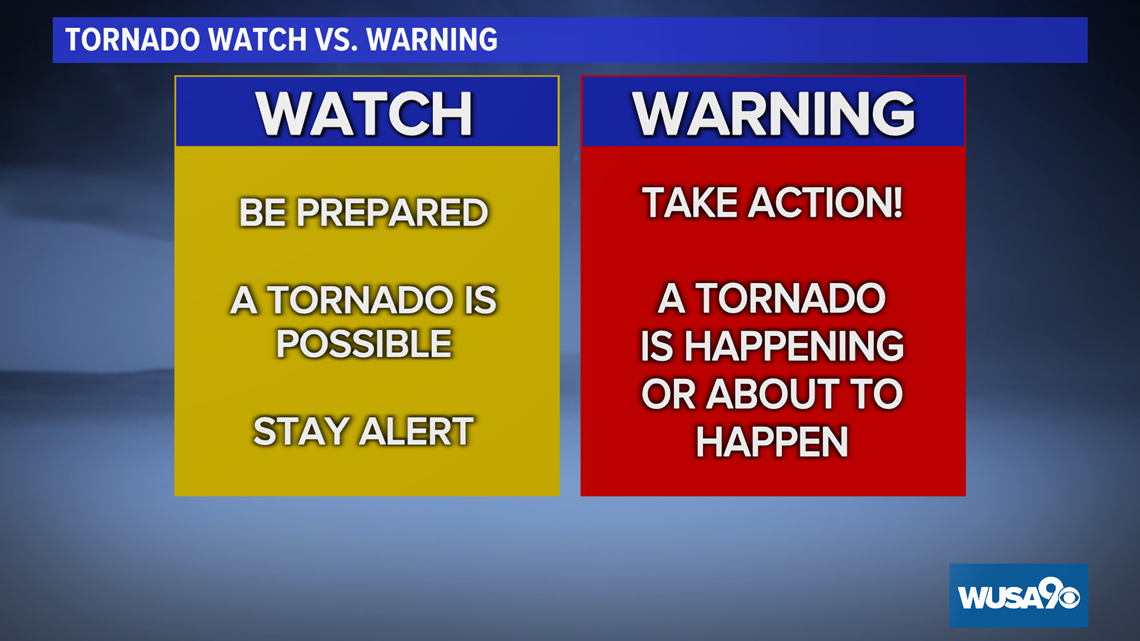
While distinct in their immediate purpose, watches and warnings are not mutually exclusive. In fact, they form a symbiotic relationship that is fundamental to robust system management and operational excellence in technology. The data gathered by watches often serves as the foundation for configuring effective warnings, ensuring that alerts are relevant, timely, and actionable.
Leveraging Watch Data for Warning Configuration
The continuous data streams and trend analysis provided by watches are invaluable for setting the right thresholds for warnings. Instead of arbitrarily deciding that 90% CPU utilization is problematic, administrators can use historical data from their watches to determine what the “normal” high-end usage is. This allows for more intelligent and context-aware warning configurations. If a system typically operates at 80% CPU during peak hours, a warning at 90% might be appropriate. However, if its normal peak is 60%, a warning at 70% might be more suitable.
Fine-Tuning Alert Thresholds for Precision
This fine-tuning process is critical for minimizing alert fatigue. Too many false alarms, triggered by poorly configured warnings, can lead to operators ignoring all alerts, including those that are genuine. By analyzing the data from watches, system administrators can precisely tune warning thresholds to identify only those deviations that truly represent a significant problem. This ensures that when a warning is issued, it is highly likely to be an issue that requires attention, thereby increasing the effectiveness of the entire alerting system.
Identifying Leading Indicators for Proactive Warnings
Watches can also identify “leading indicators” – subtle shifts in metrics that often precede a critical failure. For example, a slight increase in disk latency might, over time, be correlated with an impending disk failure. By observing these leading indicators through a watch, it’s possible to configure warnings that trigger before a catastrophic failure occurs. This transforms a reactive “warning” into a more proactive notification, allowing for planned maintenance and preventing service disruptions.
Operationalizing the Distinction: Best Practices for Tech Environments
Effectively differentiating between and utilizing watches and warnings requires a strategic approach to system design, monitoring tools, and operational processes. The goal is to build systems that not only inform but also guide action efficiently.
Implementing a Layered Monitoring Strategy
A robust monitoring strategy involves multiple layers, each with its own purpose. This includes implementing tools that facilitate both continuous watching and immediate warning dissemination.
Dashboards for Situational Awareness
Dashboards are prime examples of systems that facilitate “watching.” They provide a real-time, visual overview of system health and performance metrics. Users can monitor these dashboards to gain situational awareness, identify trends, and spot anomalies without necessarily being interrupted by an alert. This allows for a more strategic, less reactive approach to system oversight.
Alerting Systems for Critical Notifications
Dedicated alerting systems are the backbone of “warning” dissemination. These systems are configured to trigger notifications when specific conditions are met. The effectiveness of these systems lies in their ability to reach the right people at the right time, through appropriate channels (email, SMS, PagerDuty, etc.), and with sufficient context to enable rapid troubleshooting.
Defining Clear Actionable Protocols
The distinction between a watch and a warning must translate into clear, actionable protocols. This means defining what actions should be taken for each type of notification.
Watch Response: Analysis and Long-Term Planning
When a watch indicates a trend or anomaly, the response is typically analytical. This involves deeper investigation, performance tuning, capacity planning, or proactive maintenance scheduling. The objective is to prevent future issues, optimize performance, and ensure long-term system stability.

Warning Response: Immediate Remediation and Escalation
A warning demands immediate action. This could involve troubleshooting the issue, restarting services, applying patches, or escalating the problem to a higher level of support. The protocols should clearly outline the steps to be taken, the individuals responsible, and the escalation paths if the issue cannot be resolved quickly. This ensures that critical issues are addressed with the urgency they require.
In conclusion, while both “watch” and “warning” signify an alert within the technological ecosystem, their functional differences are profound. A watch is about continuous, passive observation for situational awareness and trend analysis, forming the bedrock for understanding normal operations. A warning, conversely, is an active, immediate notification of an undesirable event, demanding prompt action. By understanding and strategically implementing the distinct roles of watches and warnings, organizations can build more resilient, performant, and secure technological systems, ensuring that their digital infrastructure not only operates efficiently but also responds effectively to the inevitable challenges it faces. This nuanced understanding is not just a matter of terminology; it’s a critical component of sophisticated system management and operational excellence in the modern tech landscape.
aViewFromTheCave is a participant in the Amazon Services LLC Associates Program, an affiliate advertising program designed to provide a means for sites to earn advertising fees by advertising and linking to Amazon.com. Amazon, the Amazon logo, AmazonSupply, and the AmazonSupply logo are trademarks of Amazon.com, Inc. or its affiliates. As an Amazon Associate we earn affiliate commissions from qualifying purchases.