
The announcement of Rainbow Six Mobile (R6M) sent shockwaves through the mobile gaming industry. For years, the tactical precision and environmental destruction of Tom Clancy’s Rainbow Six Siege were considered technically impossible for handheld devices. Ubisoft’s ambitious project promised to bridge that gap, bringing the complex, high-stakes gameplay of its flagship PC and console title to the palm of our hands.
However, after several closed betas and limited regional launches, the initial fervor has transitioned into a period of quiet speculation. Enthusiasts and tech analysts alike are asking: what happened to Rainbow Six Mobile? The answer lies in the intersection of hardware limitations, software optimization, and the shifting landscape of high-performance mobile applications.

The Technical Challenge: Porting a Triple-A Tactical Engine
Transitioning a game like Rainbow Six Siege to mobile is not a simple port; it is a ground-up reconstruction of a highly complex software architecture. The core of the Rainbow Six experience is its “destruction engine,” which allows players to breach walls, floors, and ceilings dynamically.
Adapting the AnvilNext Engine for Mobile Hardware
On PC and consoles, Rainbow Six Siege runs on the AnvilNext 2.0 engine, designed to handle complex physics calculations and high-fidelity textures. To bring this to mobile, Ubisoft’s technical teams had to develop a specialized mobile engine that mimics these physics without melting the processor of a standard smartphone. This required a massive overhaul of how the game handles “procedural destruction.”
Every time a wall is blown open in R6M, the app must calculate new sightlines and audio propagation in real-time. On mobile devices, which operate under strict thermal constraints and limited RAM compared to desktop environments, maintaining a stable 60 frames per second (FPS) while processing these physics is a monumental engineering feat.
Touch Interface and UI/UX Optimization
One of the primary reasons for the extended development cycle is the refinement of the user interface. Tactical shooters require a high degree of input precision—leaning, crouching, deploying gadgets, and aiming all happen simultaneously. Translating a controller or keyboard layout with over 20 distinct inputs into a glass screen requires sophisticated software design. Developers have spent the last two years iterating on “smart” touch controls and customizable HUDs to ensure that the tech doesn’t get in the way of the player’s skill.
The Development Lifecycle: From Beta to “Limited Release”
If you search for Rainbow Six Mobile on the App Store or Google Play today, its availability depends entirely on your geographic location. The game hasn’t disappeared; rather, it has entered a prolonged state of “Limited Release” or “Soft Launch.”
The Strategy Behind Regional Soft Launches
Ubisoft has focused its testing phase on specific regions, including Canada, Mexico, and parts of Europe and Asia. This is a common practice in modern app development known as “Technical Stress Testing.” By limiting the user base, developers can monitor server stability and collect telemetry data on how different mobile chipsets (from Apple’s A-series to Qualcomm’s Snapdragon and MediaTek’s Dimensity) handle the game’s code.
The “silence” that many fans perceive is actually a period of intense data analysis. The developers are likely ironing out “edge cases”—bugs that only occur on specific hardware configurations—to ensure that when the global launch occurs, the app doesn’t crash on mid-range devices.
Addressing the Delay: Quality Over Speed
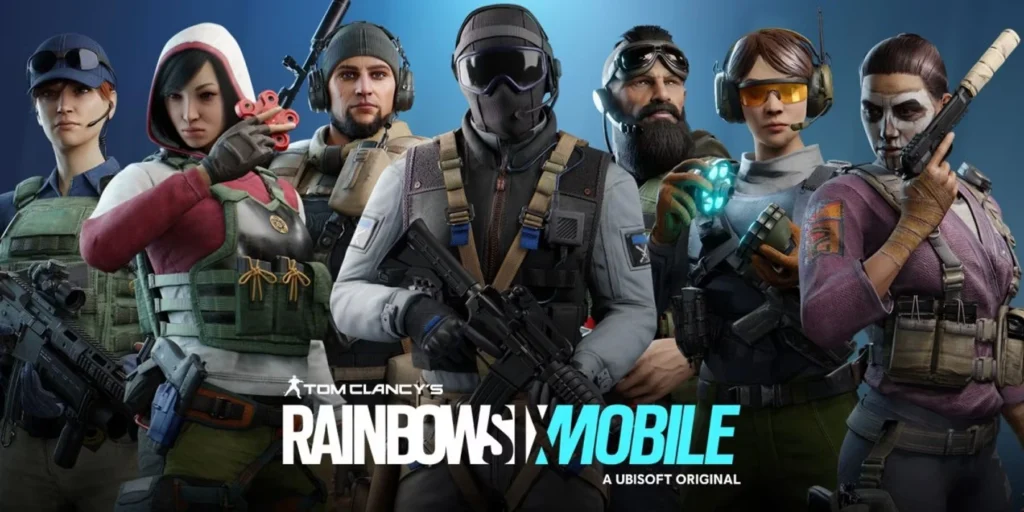
Originally slated for a late 2023 release, the timeline for Rainbow Six Mobile has shifted significantly. In the world of high-performance apps, a premature launch can be fatal. If the technical foundation—hit registration, server latency, and device optimization—is not perfect, players will abandon the app for more stable competitors. Ubisoft’s decision to delay suggests a focus on technical polish, ensuring that the software can sustain a live-service ecosystem for years to come.
The Evolving Landscape of Mobile Gaming Technology
The delay of Rainbow Six Mobile also places it in a different technological era than when it was first announced. The mobile gaming market has matured, and the hardware capabilities of the average smartphone have increased.
The Rise of Ray Tracing and High-End Mobile GPUs
With the introduction of hardware-accelerated ray tracing in the latest mobile chips (like the iPhone 15 Pro’s A17 Pro and the Snapdragon 8 Gen 3), the “ceiling” for mobile graphics has been raised. This presents a unique challenge for the R6M team: do they optimize for older devices to capture a larger market share, or do they push the technical boundaries to utilize these new GPU capabilities?
The current development phase likely involves balancing these two extremes. The software must be scalable—offering a “Lite” experience for budget devices while providing a high-fidelity, competitive experience for flagship users.
Server Infrastructure and Netcode
In a tactical shooter, “netcode” is the most critical piece of technology. It refers to how the game handles the synchronization of data between players and the server. A delay of even a few milliseconds (latency) can lead to “ghost bullets” or players being killed after they’ve moved behind cover. Developing a robust, low-latency server infrastructure that can handle millions of concurrent global connections is a task that rivals the game’s graphical development. The current testing phase is vital for tuning these network protocols to work across 4G, 5G, and varying Wi-Fi speeds.
Competition and the Pressure to Innovate
Rainbow Six Mobile does not exist in a vacuum. It enters a market dominated by giants like Call of Duty: Mobile, PUBG Mobile, and the recently launched Warzone Mobile.
The Battle for Software Optimization
The success of Call of Duty: Mobile set a high bar for what mobile software can achieve. Its engine is highly optimized, allowing it to run smoothly on a wide variety of hardware. For Rainbow Six Mobile to succeed, it must match or exceed this level of technical optimization. The “tactical” niche is also being contested by new entries like Arena Breakout, which focuses on realism and high-end graphics. This competitive pressure forces Ubisoft to ensure that their “unique selling point”—the destruction and gadget-based gameplay—is not just present, but flawlessly executed.
Integration with the Ubisoft Ecosystem
From a technical standpoint, Ubisoft is also working on integrating R6M into its broader “Ubisoft Connect” ecosystem. This involves cross-progression technology that allows players to link their mobile accounts with their PC or console accounts. While cross-play (mobile players playing against PC players) is unlikely due to the inherent disadvantage of touch controls, the ability to share cosmetics and progress is a significant software integration challenge that adds another layer of complexity to the development process.
The Future: What to Expect Next
While the wait has been longer than anticipated, the project is far from abandoned. Recent updates to the beta builds show significant improvements in lighting, textures, and UI responsiveness.
Predicted Technical Improvements in 2024/2025
As we move toward a potential 2024 or 2025 global launch, we can expect the following technical refinements:
- Vulkan and Metal API Optimization: Better utilization of modern graphics APIs to reduce battery drain and thermal throttling.
- AI-Driven Matchmaking: Advanced algorithms to ensure players are matched not just by skill, but by connection quality to minimize latency.
- Expanded Device Support: Optimization for foldable phones and tablets, which provide a different aspect ratio and input challenges.
Conclusion: A Measured Approach to Excellence
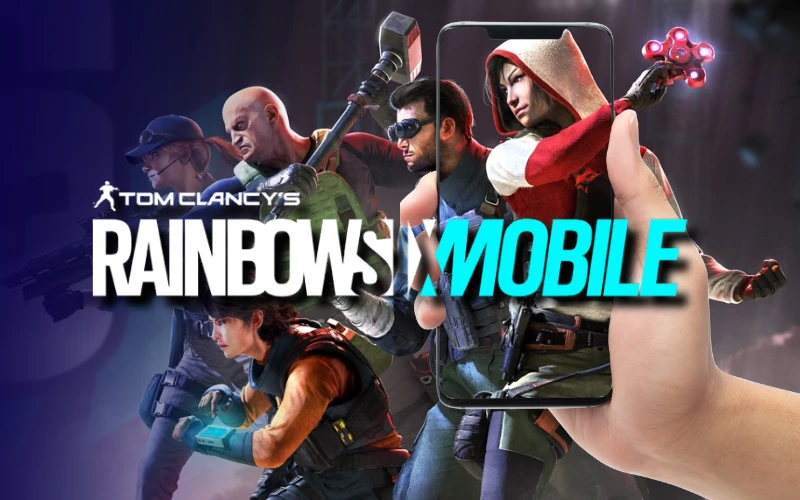
What happened to Rainbow Six Mobile? It underwent a rigorous, necessary evolution. The transition from a console-based tactical shooter to a mobile-friendly application is one of the most difficult tasks in modern software engineering. Ubisoft has opted for a slow, data-driven approach rather than a rushed release that could compromise the integrity of the brand.
For the tech-savvy gamer, the delay is a sign of complexity being managed. The goal is to deliver an app that doesn’t just look like Rainbow Six, but feels like it—maintaining the high technical standards of tactical depth, environmental physics, and competitive fairness. When Rainbow Six Mobile finally hits the global market, it won’t just be another game; it will be a case study in how to port complex, high-fidelity software to the most personal devices we own.
aViewFromTheCave is a participant in the Amazon Services LLC Associates Program, an affiliate advertising program designed to provide a means for sites to earn advertising fees by advertising and linking to Amazon.com. Amazon, the Amazon logo, AmazonSupply, and the AmazonSupply logo are trademarks of Amazon.com, Inc. or its affiliates. As an Amazon Associate we earn affiliate commissions from qualifying purchases.