
The term “concentration gradient” might initially sound like it belongs in a science lab or a biology textbook. However, its principles are fundamental to how many technologies operate and how data flows. In the realm of technology, understanding concentration gradients is crucial for appreciating the design and efficiency of everything from data transmission to artificial intelligence algorithms. It’s not just about molecules moving from high to low concentration; it’s about the movement of information, resources, and influence within digital systems. This article will explore the concept of the concentration gradient within the tech landscape, illuminating its applications and implications in our increasingly digital world.
The Fundamental Principle: Movement from High to Low
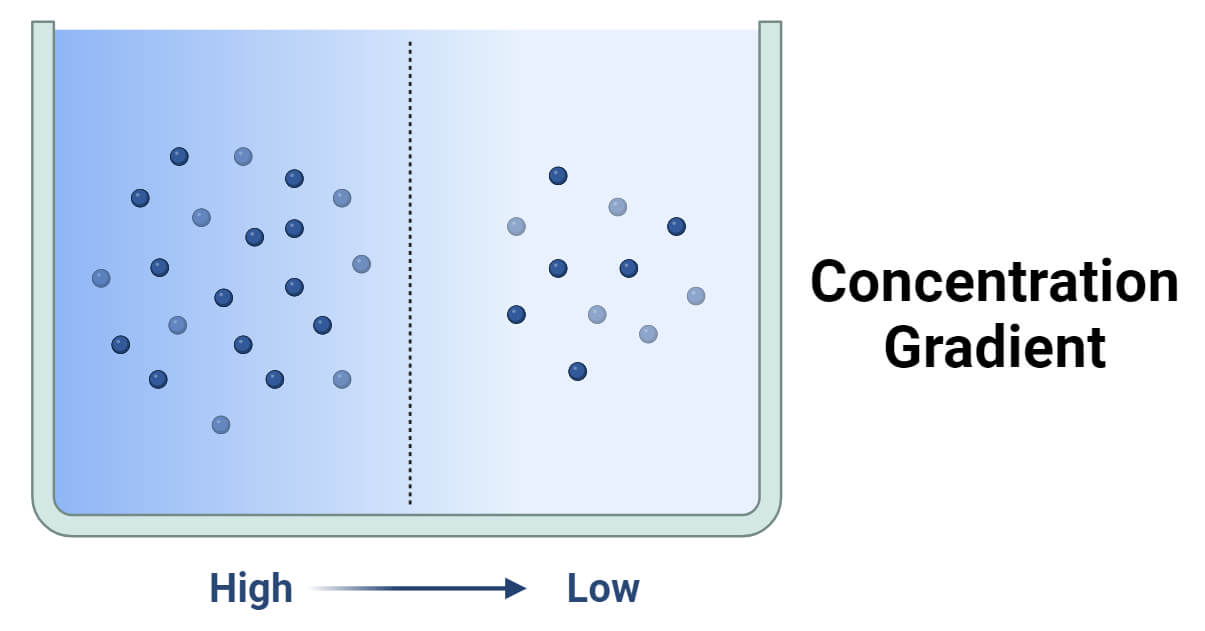
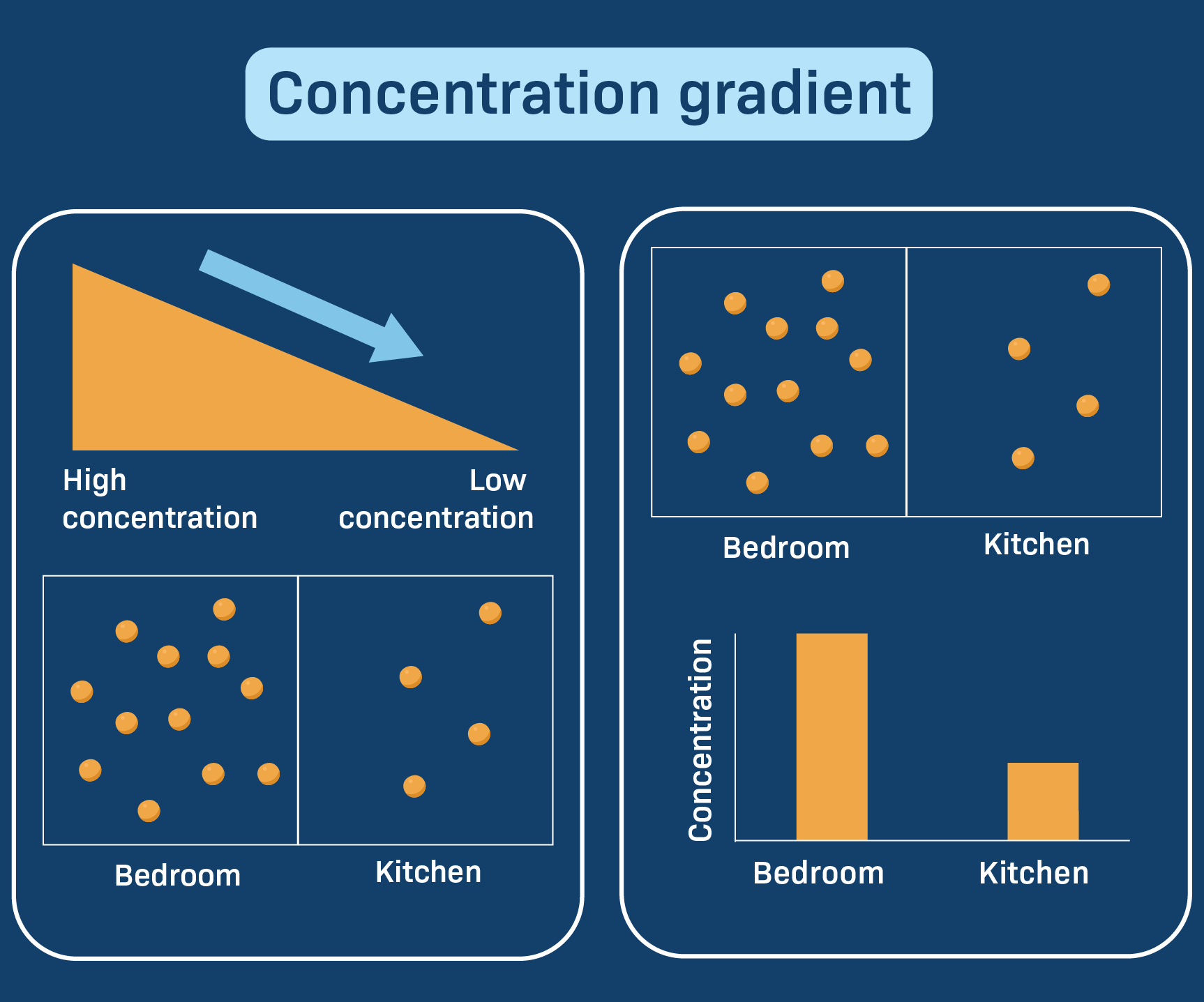
At its core, a concentration gradient describes the difference in the concentration of a substance across a given space or boundary. The natural tendency is for this substance to move from an area of high concentration to an area of low concentration, a process known as diffusion. This movement continues until equilibrium is reached, where the concentration is uniform throughout. While seemingly simple, this inherent drive for balance has profound implications when translated into technological contexts.
Diffusion in Digital Systems
Think of digital information like a substance. When a piece of data, a software update, or even a trending topic appears on a popular platform, it starts with a high concentration of interest or availability in a specific node or server. Without any intervention, this “digital substance” would naturally spread outwards. This is analogous to diffusion. For instance, a viral video or news article experiences a rapid “diffusion” across social media platforms as users share it, increasing its reach and presence in new digital spaces.
The Role of Barriers and Facilitators
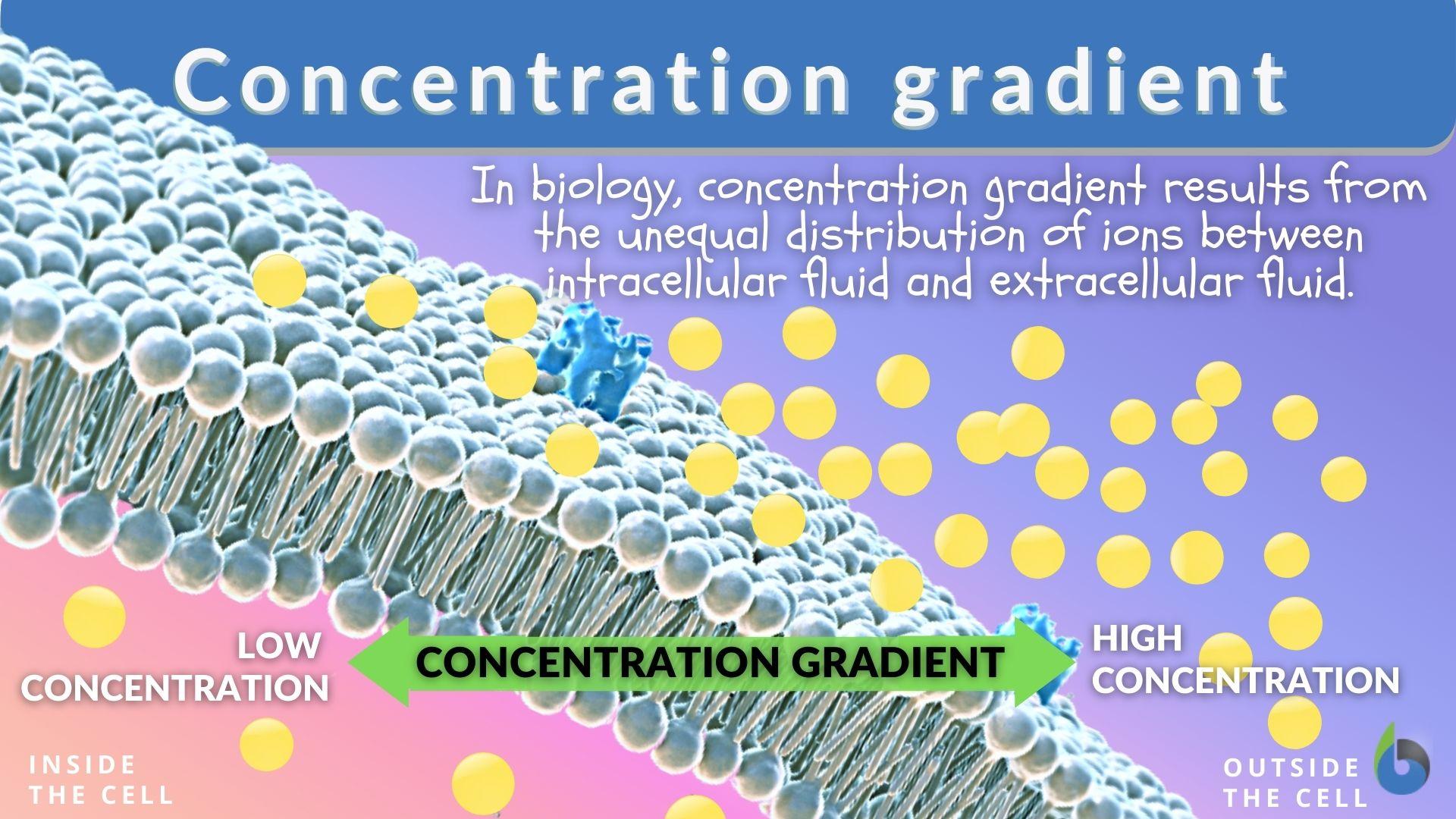
In biological systems, cell membranes act as barriers that regulate the passage of substances, and transport proteins can facilitate diffusion. Similarly, in technology, various mechanisms govern the flow of information. Firewalls, network protocols, and access controls act as barriers, determining what data can pass and where. Conversely, algorithms designed for content distribution, recommendation engines, and efficient data routing act as facilitators, actively promoting the movement and spread of information based on defined parameters.
Energy and Equilibrium in Data Flow
While natural diffusion is often passive, in technological systems, the movement of data can be both passive and active, requiring energy. For example, transferring large files across a network consumes bandwidth and processing power. The goal is often not just to reach equilibrium but to achieve optimal distribution for specific purposes, such as ensuring low latency for real-time applications or maximizing reach for broadcast content. The concept of “equilibrium” in tech might translate to a state where information is readily accessible and consistently available across a distributed network, or where the demand for a particular service is met by its supply.
Concentration Gradients in Network Architectures
The structure of computer networks inherently creates and leverages concentration gradients. From the internet backbone to local area networks, data flow is a constant interplay of concentrated resources and their dissemination.
Server Load and Load Balancing
A prime example is server load. When a website or application experiences a surge in user traffic, the servers hosting it face a high concentration of incoming requests. Without proper management, this can lead to overload and performance degradation. Load balancing technologies, however, act as sophisticated facilitators. They dynamically distribute incoming traffic across multiple servers, preventing any single server from becoming a bottleneck. This effectively manages the “concentration gradient” of requests, ensuring a smoother and more responsive user experience. The goal is to create an even distribution of demand, mitigating the steep gradient that would otherwise form on a single server.
Data Caching and Content Delivery Networks (CDNs)
Content Delivery Networks (CDNs) are a perfect illustration of how technological systems exploit concentration gradients for efficiency. Popular content, such as videos, images, and website assets, is stored on servers strategically located in various geographic regions. This creates a high concentration of this content closer to end-users. When a user requests this content, it’s served from the nearest edge server, minimizing latency and bandwidth usage. Without CDNs, every request would have to travel to a central origin server, creating a massive concentration gradient in terms of distance and potential congestion. CDNs effectively flatten this gradient by placing “copies” of the content in numerous accessible locations.
Bandwidth Management and Traffic Shaping
Bandwidth, the capacity of a network connection, can also exhibit concentration gradients. During peak usage times, certain network segments might experience a higher “concentration” of data traffic, leading to congestion. Network administrators employ bandwidth management and traffic shaping techniques to control this. They prioritize certain types of traffic (e.g., voice or video calls over less time-sensitive downloads) and allocate bandwidth accordingly. This is akin to regulating the flow of a substance to ensure that critical “streams” are maintained, even when overall “pressure” is high.
Concentration Gradients in Data Processing and AI
The principles of concentration gradients extend deeply into how data is processed, analyzed, and utilized, particularly in the field of Artificial Intelligence.
Feature Distribution in Machine Learning
In machine learning, the concept of feature distribution is a form of concentration. Features are the measurable characteristics of data used to train models. If a particular feature has a very high or very low concentration across a dataset, it can lead to biases in the model. For instance, if a dataset for identifying rare diseases overwhelmingly contains healthy individuals, the “concentration” of negative cases is much higher, and the model might struggle to accurately identify the rare positive cases. Techniques like oversampling or undersampling are used to adjust these feature concentrations, aiming for a more balanced and representative dataset.
Data Staleness and Real-time Updates
The concept of “data staleness” directly relates to concentration gradients. In distributed systems, especially those handling real-time data, information can become outdated as it propagates. A data point might be highly “concentrated” with recent information at its source, but as it travels through various nodes and caches, its “freshness” diminishes. Systems are designed to minimize this gradient, ensuring that users are accessing the most up-to-date information possible. This often involves sophisticated caching invalidation mechanisms or techniques that push updates from the source to the periphery as soon as they become available.
Reinforcement Learning and State Gradients
In reinforcement learning, a subfield of AI, agents learn by interacting with an environment and receiving rewards or penalties. The “state” of the environment can be thought of as having different concentrations of desirable outcomes. For example, in a game, certain game states might be closer to a win (high concentration of reward), while others are closer to a loss (high concentration of penalty). The agent learns to navigate towards states with higher expected rewards, effectively following a gradient towards a more favorable outcome. This “gradient” is not necessarily a spatial one, but a gradient of utility or desirability.
Implications for Efficiency and User Experience
Understanding and manipulating concentration gradients is paramount for building efficient, responsive, and user-friendly technological systems.
Reducing Latency and Improving Responsiveness
By strategically placing data and processing resources closer to the user, we can reduce latency. CDNs are a prime example. When you watch a video on a streaming service, the data is being served from a server physically close to you, minimizing the time it takes for the data to travel. This minimizes the “distance gradient” between the content and the user, leading to a smoother, buffer-free experience.
Optimizing Resource Utilization
Effective management of concentration gradients ensures that computing resources are utilized optimally. Load balancing prevents servers from being overwhelmed, while efficient data routing minimizes network congestion. This leads to lower operational costs for businesses and a more stable service for users. Imagine a city’s transportation system: if all traffic is funneled through a single road (high concentration), it grinds to a halt. By building more roads and intelligently directing traffic (managing concentration gradients), the entire system becomes more efficient.
Enhancing Scalability and Reliability
Systems designed with an awareness of concentration gradients are inherently more scalable and reliable. When a popular service experiences a sudden influx of users, a well-designed architecture can distribute the load effectively, preventing catastrophic failures. This means the system can handle a larger “concentration” of demand without breaking. The ability to maintain performance and availability under varying loads is a direct consequence of successfully managing the flow and distribution of data and requests.
Conclusion: The Ubiquitous Digital Gradient
The concentration gradient, a concept originating in the natural sciences, has found a powerful and pervasive application within the technological domain. It underpins the design of our networks, the efficiency of our data processing, and the intelligence of our AI systems. From the viral spread of information on social media to the seamless delivery of streaming content, the invisible forces driving movement from high to low concentration are constantly at play. As technology continues to evolve, a deeper appreciation for these fundamental principles will be essential for innovation, optimization, and the creation of even more sophisticated and user-centric digital experiences. The concentration gradient is not merely an academic concept; it is a foundational element shaping the digital landscape we interact with every day.
aViewFromTheCave is a participant in the Amazon Services LLC Associates Program, an affiliate advertising program designed to provide a means for sites to earn advertising fees by advertising and linking to Amazon.com. Amazon, the Amazon logo, AmazonSupply, and the AmazonSupply logo are trademarks of Amazon.com, Inc. or its affiliates. As an Amazon Associate we earn affiliate commissions from qualifying purchases.