
For many, the term “cord of firewood” conjures images of cozy winter evenings, crackling hearths, and the comforting aroma of burning wood. However, beyond the aesthetic appeal, a cord of firewood represents a tangible commodity, and understanding its value, cost, and the financial implications of purchasing and utilizing it is crucial for those considering it as a heating source or a supplementary income stream. From a financial standpoint, a cord of firewood is a unit of measure with a direct impact on household budgets, energy costs, and even entrepreneurial ventures.
The Financial Equation of a Firewood Cord
The financial assessment of a cord of firewood goes far beyond its physical dimensions. It involves understanding the underlying economics of its production, distribution, and the factors that influence its market price. When you buy a cord of firewood, you’re not just purchasing wood; you’re investing in a fuel source with associated costs, benefits, and potential for long-term savings or expenses.
Defining the Unit of Exchange: Volume and Value
At its core, a cord of firewood is a standardized unit of volume, ensuring a consistent quantity for transactions. This standardization is essential for fair trading and financial clarity.
The Standard Cord: Dimensions and Calculations
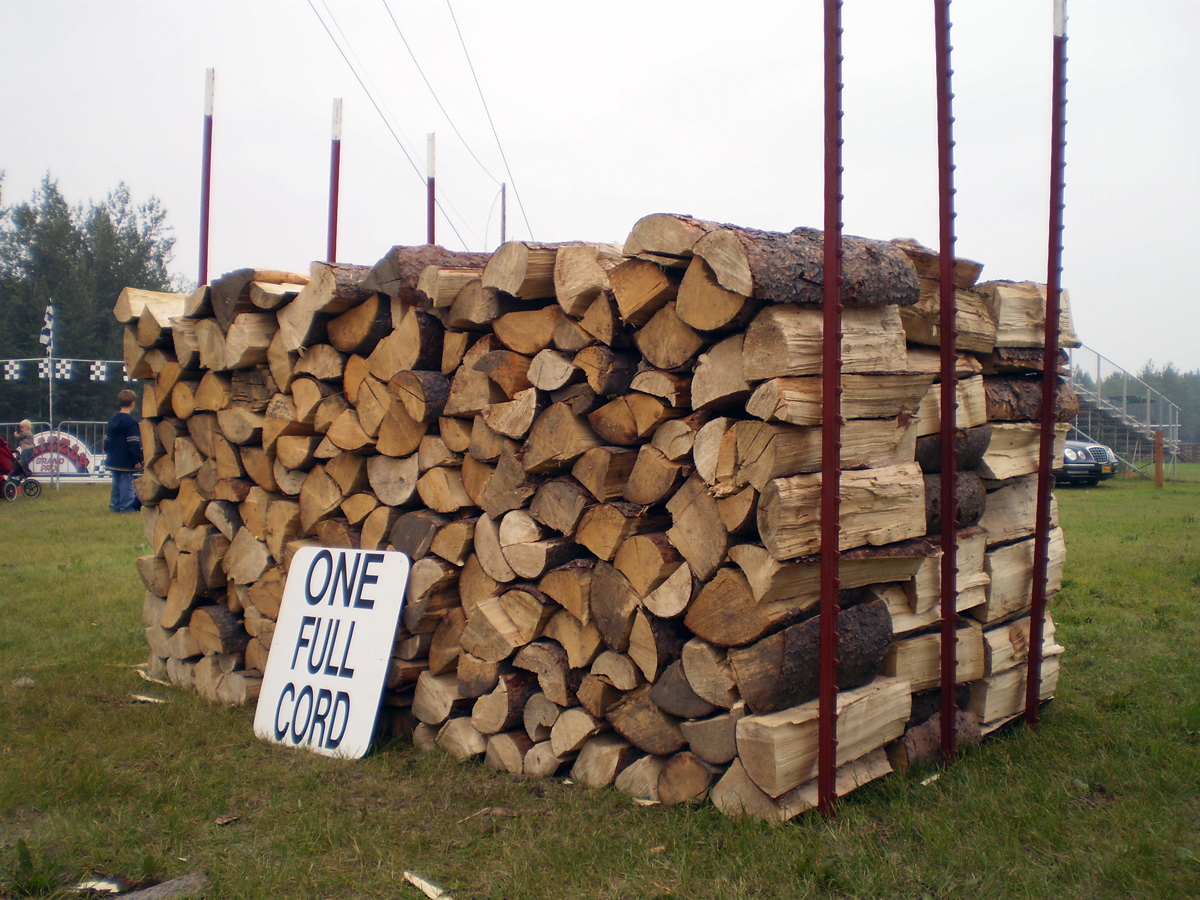
A standard cord of firewood is defined as a stack of wood measuring 4 feet high, 8 feet long, and 4 feet deep. This results in a total volume of 128 cubic feet. Within this stack, however, not all of the space is occupied by solid wood. There will inevitably be air gaps between the logs, the amount of which can vary depending on how neatly the wood is stacked. This means the actual solid wood content within a cord is less than 128 cubic feet. For financial planning, it’s important to recognize this distinction, as it directly impacts the amount of usable fuel you are receiving for your money. Different wood species will also have varying densities and energy content per cubic foot, further influencing the actual heating value and thus the financial return on your purchase.
Variations and Their Financial Impact: Loose vs. Solid Cords
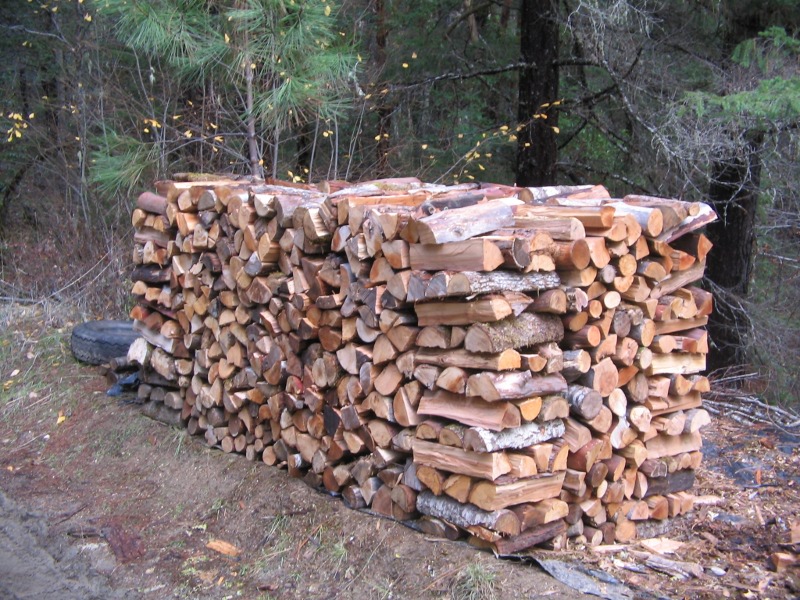
While the standard cord is the most common, you might encounter terms like “loose cord” or “rick.” A loose cord, often used for less formally stacked wood, can represent a less precise volume and therefore a potentially less predictable financial investment. Similarly, a “rick” can vary in size depending on regional practices, sometimes being shorter or smaller than a standard cord. Understanding these variations is critical to avoid overpaying or receiving less wood than anticipated, directly impacting your budget for heating fuel. When negotiating a purchase, always clarify the exact dimensions and stacking method to ensure you are getting the agreed-upon volume and therefore the expected value for your money.
Cost Drivers: From Forest to Fireplace
The price of a cord of firewood is influenced by a complex interplay of factors, much like any other commodity. Understanding these cost drivers is essential for making informed purchasing decisions and managing your budget effectively.
Harvesting and Labor: The Upfront Investment
The process of obtaining firewood begins with harvesting. This involves felling trees, cutting them into manageable lengths, and transporting them from the forest. The cost of labor for these activities, along with the machinery and fuel required, forms a significant portion of the initial expense. Skilled arborists and loggers command wages, and the use of chainsaws, skidders, and trucks adds to the operational costs. For businesses that sell firewood, these expenses are passed on to the consumer in the final price of the cord. This is a fundamental cost that underpins the entire supply chain.
Seasoning and Drying: The Value of Time
Firewood is significantly more efficient and burns cleaner when it is properly seasoned, meaning it has been dried to a moisture content of 20% or less. The seasoning process, typically taking 6 to 12 months or even longer depending on the wood species and climate, requires space, time, and often additional labor for stacking and turning. Unseasoned (green) wood burns poorly, produces excessive smoke, and can damage chimneys. Therefore, the cost associated with allowing wood to dry adequately is factored into the price of seasoned firewood. Purchasing green wood might seem cheaper upfront, but the reduced efficiency and potential for issues can make it a financially disadvantageous choice in the long run.
Transportation and Delivery: Bridging the Distance
Once harvested and seasoned, firewood needs to be transported to the consumer. The distance from the source to your home, the terrain, and the type of delivery vehicle used all contribute to the final cost. For individuals who harvest their own wood, this might involve the cost of fuel for their truck or trailer. For those purchasing from a dealer, delivery fees are often incorporated into the overall price, especially if you are located further away from their yard. This logistical component is a crucial element in the overall cost of a cord of firewood.
Wood Species and Quality: Density and BTU Content
Different types of wood have varying densities and therefore different energy content (measured in British Thermal Units or BTUs). Hardwoods like oak, maple, and ash are denser and burn longer and hotter than softwoods like pine and fir. Consequently, a cord of hardwood will generally command a higher price than a cord of softwood, reflecting its superior heating capabilities and longer burn time. While softwoods might be cheaper per cord, the financial benefit often lies in the higher BTU output and longevity of hardwoods, making them a more cost-effective heating solution over time for many consumers.
Strategic Firewood Acquisition: Maximizing Financial Returns
Purchasing firewood is not merely a transactional event; it can be approached with a strategic mindset to optimize your financial outlays and ensure you are getting the best value for your money. This involves understanding market dynamics, timing your purchases, and considering different acquisition models.
Timing Your Purchases: The Seasonal Advantage
The demand for firewood fluctuates throughout the year, and this seasonality directly impacts pricing. Understanding these cycles can lead to significant financial savings.
Off-Season Savings: The Power of Advance Planning
The peak demand for firewood typically occurs in the late fall and early winter when temperatures drop and people realize their heating needs. Consequently, prices often rise during this period. Purchasing firewood in the late spring or summer, when demand is low, can allow you to secure a lower price per cord. This strategy requires advance planning and adequate storage space, but the financial rewards can be substantial. Many firewood dealers offer discounts for pre-orders placed during the off-season.
Bulk Buying and Storage: Economies of Scale
Purchasing larger quantities of firewood, such as multiple cords at once, can often result in a lower per-cord price. This is due to economies of scale in harvesting, processing, and delivery for the supplier. However, this strategy is only financially viable if you have the space to store the wood properly and the capacity to handle it. If you anticipate needing multiple cords over a winter or for several years, buying in bulk during the off-season can be a sound financial decision, as it locks in a favorable price and reduces the frequency of purchases.
Acquisition Models: Direct from Source to DIY
The method by which you acquire your firewood can also have a significant impact on your overall costs. Exploring different acquisition models can reveal opportunities for financial optimization.
Firewood Dealers and Retailers: Convenience vs. Cost
Purchasing from established firewood dealers or retailers offers convenience and often guarantees of seasoned, quality wood. However, the price per cord typically includes their overhead, labor, and profit margins, making it the most expensive option. This is often the choice for those prioritizing ease of acquisition and reliability over absolute cost savings. For individuals with limited time or space for self-processing, the added cost is a trade-off for the convenience.
Direct from Harvesters and Landowners: Cutting Out the Middleman

Buying directly from individuals who harvest their own wood or from landowners with timber rights can often lead to significant cost savings. This model cuts out the retail markup and can provide access to wood at a more fundamental price. However, this approach often requires more diligence from the buyer. You may need to inspect the wood yourself, arrange for pickup or delivery, and potentially season the wood if it’s not already seasoned. Due diligence is key to ensuring you are getting good value and quality.
DIY Firewood: The Ultimate Cost Saver (with Caveats)
For those with the necessary skills, equipment, and access to land, harvesting and processing your own firewood can be the most financially rewarding option. While there are upfront costs associated with chainsaws, safety equipment, trailers, and potentially permits, the ongoing cost of fuel is significantly lower than purchasing pre-cut wood. This model offers the greatest control over cost and quality but demands a substantial investment of time and physical labor. It’s a significant undertaking, and the financial savings must be weighed against the personal cost of effort.
The Financial Investment of Home Heating: Firewood as an Alternative
In an era of fluctuating energy prices, firewood offers a tangible alternative for home heating, presenting both potential financial advantages and challenges. Understanding these financial dynamics is crucial for making an informed decision about incorporating wood as a primary or supplementary heat source.
Comparing Firewood Costs to Other Energy Sources
The economic viability of firewood is often assessed by comparing its cost per BTU to that of other common heating fuels like natural gas, propane, electricity, and heating oil.
Calculating Cost Per BTU: The True Measure of Value
To accurately compare the financial effectiveness of different heating fuels, it’s essential to calculate the cost per unit of heat energy. This involves understanding the BTU content of various fuels and their respective prices. For example, if a cord of seasoned oak (approximately 20 million BTUs per cord) costs $300, the cost per million BTUs is $15. This can then be directly compared to the cost per million BTUs for electricity, natural gas, or propane. This calculation is a vital financial tool for assessing long-term heating expenses.
Energy Independence and Price Volatility
One of the significant financial appeals of firewood is its potential for energy independence. Unlike fossil fuels, whose prices are subject to global market volatility, the cost of locally sourced firewood can be more predictable. While it’s not immune to supply and demand, it offers a degree of insulation from the dramatic price spikes that can affect other energy sources. This stability can be a significant financial benefit for households seeking to control their heating budgets.
The Hidden Costs of Wood Heating: Beyond the Purchase Price
While the per-cord price is a primary consideration, the financial picture of wood heating extends beyond the initial purchase. Several “hidden” costs can impact your overall budget.
Stove Efficiency and Maintenance: An Ongoing Expense
The efficiency of your wood-burning stove or fireplace significantly impacts how much heat you get from each cord of wood. Newer, EPA-certified stoves are far more efficient than older models, meaning they burn less wood to produce more heat. This directly translates to financial savings over time. Furthermore, stoves require regular maintenance, including cleaning, ash removal, and occasional repairs, which represent ongoing expenses. The initial investment in an efficient stove, while higher, can lead to substantial long-term financial savings in wood consumption and maintenance.
Chimney Cleaning and Safety: Essential Protective Investments
A crucial, often overlooked, financial aspect of wood heating is chimney maintenance. Creosote, a flammable byproduct of burning wood, can build up in chimneys, posing a significant fire hazard. Regular professional chimney cleaning is essential for safety and can prevent costly structural damage or fires. This annual or semi-annual expense should be factored into the overall cost of using firewood as a heat source. Investing in safety through regular maintenance is far more financially prudent than dealing with the aftermath of a chimney fire.
Time and Labor: The Non-Monetary Financial Factor
While not directly a monetary cost, the time and physical labor involved in handling, stacking, and loading firewood are significant factors to consider in the financial equation. For individuals with limited free time or physical capacity, the time spent on these tasks could otherwise be spent earning income or on leisure activities. When comparing the overall cost of heating, this “opportunity cost” of time should be a consideration.
Firewood as a Business: Monetizing the Cord
Beyond its use as a personal heating fuel, a cord of firewood can also represent a valuable asset for entrepreneurial ventures, offering opportunities for generating online income and establishing a small business.
Establishing a Firewood Supply Business: From Acquisition to Sales
The process of selling firewood involves managing a supply chain and understanding market demand, much like any other business.
Sourcing and Processing for Profit
The financial success of a firewood business hinges on efficient sourcing and processing. This involves securing access to timber or standing trees, managing the felling and bucking process, and investing in equipment for splitting and seasoning. Minimizing costs in these initial stages through smart purchasing of raw materials or efficient self-harvesting directly impacts profit margins per cord. Understanding the value of different wood species and their market demand is crucial for maximizing revenue.
Marketing and Sales Channels: Reaching Your Customers
Effectively marketing your firewood is essential for generating sales. This can involve a variety of channels, from local advertising and word-of-mouth referrals to establishing an online presence. Creating a professional website or utilizing online marketplaces can expand your reach and attract customers seeking a reliable source of firewood. Clearly defining your product (seasoned hardwood, softwood, split, unsplit) and your pricing structure is critical for effective sales.
The Economics of Firewood Sales: Pricing, Profit, and Scalability
The profitability of a firewood business is determined by a careful balance of costs, pricing, and volume.
Competitive Pricing Strategies
Determining the right price for your firewood is a delicate act. It must be competitive enough to attract customers while also covering your costs and generating a profit. Researching local market prices, understanding the value of different wood types, and factoring in your processing and delivery expenses are all vital components of setting an effective pricing strategy. Offering tiered pricing for different quantities or for seasoned versus unseasoned wood can also be a smart business move.
Scaling Your Operation: From Side Hustle to Sustainable Business
A firewood business can start as a small side hustle, generating supplemental income, and can be scaled into a more substantial operation. This might involve investing in more efficient processing equipment, expanding delivery capabilities, or developing long-term contracts with businesses or larger residential clients. The scalability of a firewood business is often tied to the availability of raw materials, the capacity for processing and storage, and the ability to effectively manage logistics and customer service. Understanding the financial implications of scaling up is crucial for sustainable growth.
In conclusion, a cord of firewood is far more than just a measure of wood; it is a unit of economic value with significant implications for household budgets, energy strategies, and entrepreneurial opportunities. Whether you are considering it as a primary heat source, looking to optimize your winter expenses, or exploring a new business venture, a thorough understanding of the financial intricacies surrounding a cord of firewood is paramount. By analyzing its cost drivers, strategically acquiring it, comparing it to alternative energy sources, and recognizing its potential as a commodity, individuals and businesses can make more informed and financially sound decisions.
aViewFromTheCave is a participant in the Amazon Services LLC Associates Program, an affiliate advertising program designed to provide a means for sites to earn advertising fees by advertising and linking to Amazon.com. Amazon, the Amazon logo, AmazonSupply, and the AmazonSupply logo are trademarks of Amazon.com, Inc. or its affiliates. As an Amazon Associate we earn affiliate commissions from qualifying purchases.