
In the landscape of modern finance, the definition of an “asset” has undergone a radical transformation. While traditional portfolios were once limited to stocks, bonds, and real estate, the 21st century has ushered in the era of alternative investments. Among the most lucrative and culturally significant of these assets are vintage Pokémon cards—specifically, the “Shadowless” variety. What began as a schoolyard hobby in the late 1990s has evolved into a sophisticated financial market where single pieces of cardstock can command prices equivalent to luxury vehicles or suburban homes. To understand why a “Shadowless” card is a cornerstone of this market, one must look past the nostalgia and examine the mechanics of scarcity, valuation, and historical appreciation.

Understanding the Asset: What Makes a Pokémon Card “Shadowless”?
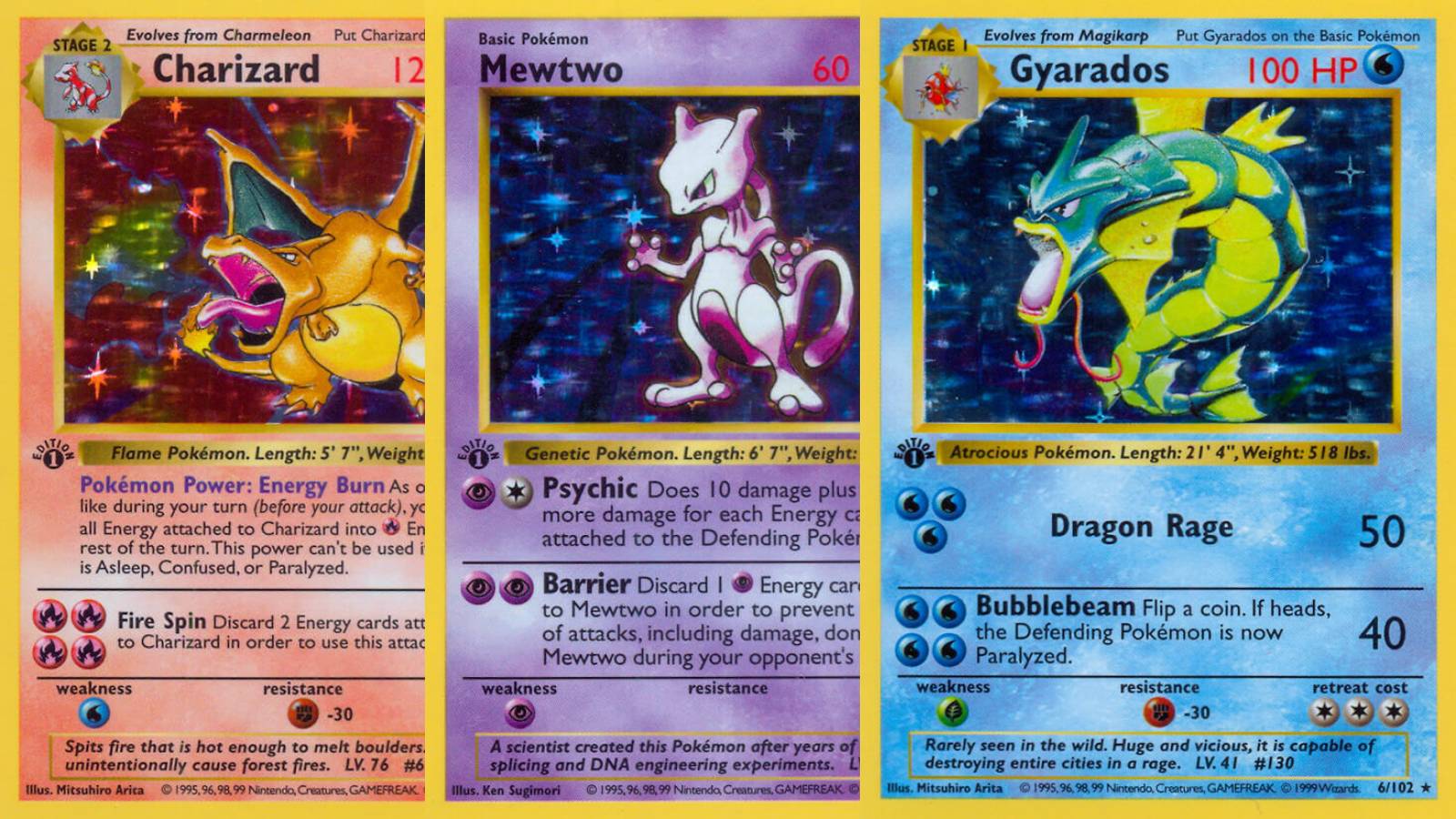
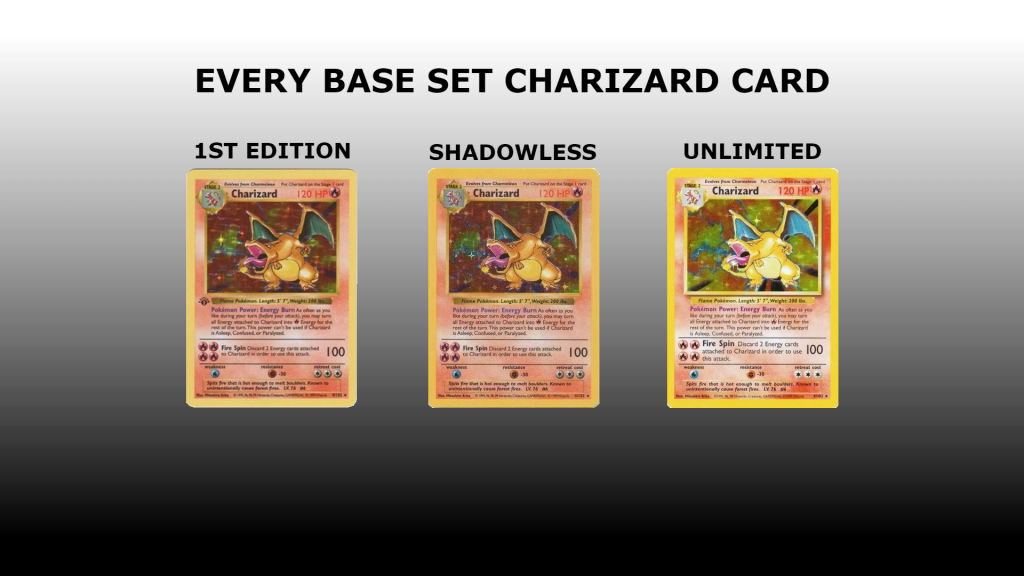
In the world of collectible investments, the smallest manufacturing details often dictate the largest price discrepancies. The “Shadowless” Pokémon card is a prime example of a transitional printing phase that created an accidental rarity. When Wizards of the Coast first released the Pokémon Trading Card Game (TCG) in the United States in 1999, they produced three distinct iterations of the “Base Set.”
The Printing Error that Created a Market Legend
The first print run was the “1st Edition,” which featured a small black circular stamp. Following the 1st Edition, a second print run was commissioned. During this run, the graphic design of the card frames was altered. In the original design, the yellow border of the artwork box did not have a drop shadow to its right. However, for the third and much larger print run—known as “Unlimited”—designers added a drop shadow to create a sense of depth and visual appeal. The “Shadowless” cards are essentially the second print run: they lack the 1st Edition stamp but retain the original, shadow-free artwork layout of the first batch. Because this printing window was exceptionally brief before the “Unlimited” version took over, the supply of Shadowless cards is a fraction of the total Base Set population.
Visual Identifiers: Shadowless vs. Unlimited
For an investor, being able to identify a Shadowless card is the difference between a $50 asset and a $5,000 asset. Beyond the lack of a drop shadow, these cards feature thinner text for the “HP” (Hit Points) value and a different copyright date at the bottom. While Unlimited cards list “1999” as the final year, Shadowless cards specifically list “1995, 96, 98, 99.” These minute technical details act as “serial numbers” of sorts, verifying the card’s origin within that specific, high-value production window.
The Financial Valuation of Shadowless Cards
The valuation of Shadowless cards is not arbitrary; it is governed by the rigorous standards of third-party grading and the fundamental laws of supply and demand. In the collectibles market, “condition is king.” A Shadowless card that has been stored in a binder for twenty years is worth significantly less than one that has been “slabbed” (encapsulated) and graded by professional services like Professional Sports Authenticator (PSA) or Beckett Grading Services (BGS).
Scarcity and the Law of Supply and Demand
The market for Shadowless cards operates on a “fixed supply” model, similar to Bitcoin or rare coins. No more 1999 Shadowless cards will ever be printed. As the years pass, the number of “Mint” condition copies decreases due to degradation, loss, or improper storage. This shrinking supply, coupled with an ever-growing demographic of high-net-worth “nostalgia investors,” creates a classic supply-demand squeeze. When a high-grade Shadowless Charizard—the “Gold Standard” of the hobby—hits the auction block, it attracts global capital because participants recognize it as a finite resource.
Condition and Grading: The Multiplier Effect on ROI
In personal finance, we often talk about compounding interest. In the world of Shadowless cards, we talk about the “grading multiplier.” A PSA 7 (Near-Mint) Shadowless Blastoise might sell for a few hundred dollars. However, a PSA 10 (Gem Mint) version of the same card can sell for tens of thousands. The leap from a 9 to a 10 represents a parabolic increase in value. For the savvy investor, the goal is often “grading arbitrage”: purchasing raw (ungraded) cards that appear to be in pristine condition and submitting them for professional grading to “unlock” the hidden equity within the card’s physical state.
Pokémon Cards as an Alternative Asset Class
Why are institutional investors and wealth managers beginning to take notice of Shadowless cards? The answer lies in portfolio diversification. Traditional markets are often correlated; when the S&P 500 dips, many other sectors follow. Collectibles, however, often move independently of the stock market, providing a hedge against inflation and traditional market volatility.
Diversifying Your Portfolio with Collectibles
Alternative assets like Shadowless cards offer a tangible way to store wealth. Unlike a digital entry in a brokerage account, a physical card is an asset you possess. During periods of high inflation, “hard assets” tend to retain value better than currency. The Pokémon market, specifically the vintage Shadowless era, has shown remarkable resilience. Even during economic downturns, the “blue-chip” cards of the set—Charizard, Blastoise, and Venusaur—have historically maintained their price floors because their value is tied to cultural permanence rather than quarterly earnings reports.
Historical Performance vs. Traditional Equities
If one had invested $1,000 in a diversified portfolio of PSA 10 Shadowless holographic cards in 2010, the Return on Investment (ROI) by 2024 would significantly outperform most tech stocks and mutual funds. While the market saw a massive “speculative bubble” in 2020 and 2021, the subsequent market correction has stabilized prices at levels far higher than their pre-2020 averages. This indicates a “higher low,” a bullish sign for long-term holders. The Shadowless niche is viewed as the “mid-cap” of the Pokémon world—more accessible than the ultra-expensive 1st Edition cards, but far more valuable and rarer than the common Unlimited sets.
Strategic Entry: How to Invest in Shadowless Cards
Investing in Shadowless cards requires more than just capital; it requires a strategic approach to sourcing, authentication, and market timing. For those looking to generate online income or build a side hustle in card flipping, the “buy and hold” strategy is often the most reliable path to profit.
Sourcing Authentic Inventory
The first step in a successful investment strategy is sourcing. High-level investors often avoid “mystery boxes” or unverified listings on social media. Instead, they frequent reputable auction houses like Heritage Auctions, Goldin, or eBay (provided the listing includes the “eBay Authenticity Guarantee”). Sourcing “raw” cards from local estate sales or flea markets can yield the highest margins, but it requires an expert eye to detect subtle condition flaws that could ruin a potential grade.
Long-term Holding vs. Quick Flipping
There are two primary ways to generate income from Shadowless cards. “Flipping” involves buying undervalued or ungraded cards, quickly grading them, and selling them for a margin. This requires high liquidity and a deep understanding of current market trends. The second, more passive approach is “Long-term Holding.” This involves acquiring high-grade (PSA 9 or 10) Shadowless cards and storing them in a climate-controlled vault for 5 to 10 years. As the “millennial” generation enters its peak earning years, the demand for these “trophy assets” is expected to rise, driving up the value for long-term holders.
Risk Management in the High-End Collectibles Market
No investment is without risk, and the market for Shadowless Pokémon cards is no exception. Because the stakes are high, the market attracts bad actors and significant volatility. A professional approach to this asset class requires a robust risk management framework.
Identifying Forgeries and Scams
As prices have risen, so has the sophistication of counterfeiters. Modern forgeries of Shadowless cards can be incredibly convincing, mimicking the texture and light-refraction of the original holographic foil. This is why “slabbing” is so vital. A card graded by PSA or BGS has undergone a rigorous authentication process. For any investor, the rule is simple: never purchase a high-value Shadowless card that is not already authenticated by a reputable third-party service, unless you have the expertise to verify it in person.
Market Volatility and Liquidity Concerns
Unlike a stock that can be sold instantly at the click of a button, a Pokémon card is a “low-liquidity” asset. Finding a buyer for a $20,000 Shadowless Charizard can take weeks or even months if you want to achieve the full market price. Furthermore, the market can be emotional. Prices may spike due to a celebrity purchase (such as Logan Paul or Steve Aoki) and then retreat once the hype dies down. An intelligent investor manages this risk by only investing “patient capital”—money they do not need for immediate expenses—allowing them to weather market fluctuations and sell only when the timing is optimal.
In conclusion, Shadowless Pokémon cards represent a unique intersection of pop culture and high finance. As a “transitional” rarity, they offer a compelling case for investors looking to diversify into alternative assets. By understanding the nuances of the “shadowless” print, the importance of professional grading, and the long-term trends of the collectibles market, an individual can turn a childhood interest into a sophisticated engine for wealth preservation and growth. In the modern economy, the most valuable “money” isn’t always printed by a central bank; sometimes, it’s printed by Wizards of the Coast.
aViewFromTheCave is a participant in the Amazon Services LLC Associates Program, an affiliate advertising program designed to provide a means for sites to earn advertising fees by advertising and linking to Amazon.com. Amazon, the Amazon logo, AmazonSupply, and the AmazonSupply logo are trademarks of Amazon.com, Inc. or its affiliates. As an Amazon Associate we earn affiliate commissions from qualifying purchases.