
In the annals of modern blockbuster cinema, few characters have mirrored the evolution of a brand as profoundly as Sam Witwicky in the Transformers franchise. More than just a human protagonist caught in the intergalactic war between Autobots and Decepticons, Sam’s journey serves as a compelling case study in how a central brand element can adapt, pivot, and ultimately, how its absence can reshape consumer perception and market positioning. This exploration delves into the narrative arc of Sam Witwicky, not as a character study in isolation, but as a lens through which to understand the strategic branding decisions made by the Transformers cinematic universe.
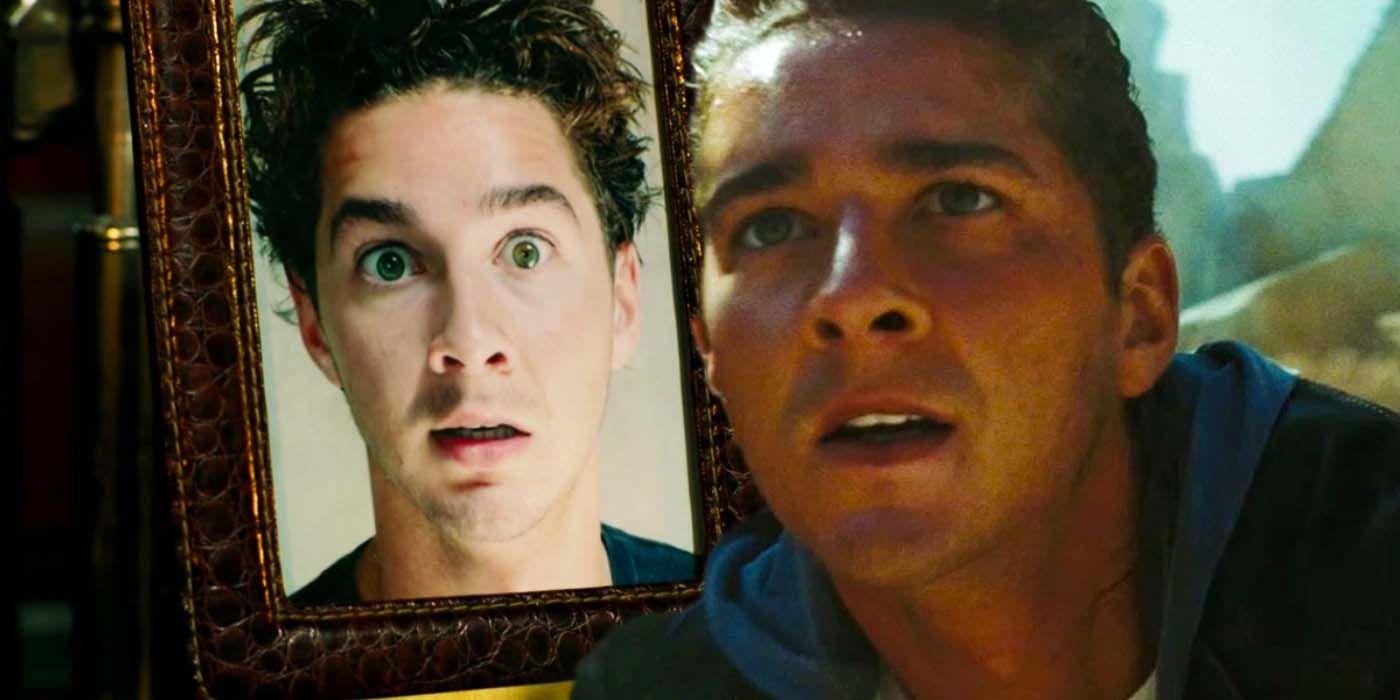
The Genesis of a Brand Mascot: Sam Witwicky as the Everyman Anchor
The initial introduction of Sam Witwicky in Michael Bay’s 2007 Transformers was a masterstroke in brand accessibility. The Autobots, with their colossal, visually stunning alien robot forms, possessed an inherent “cool” factor, but they also risked alienating a significant portion of the audience who might find them too abstract or unrelatable. Enter Sam Witwicky, portrayed by Shia LaBeouf. He was not a seasoned warrior, a brilliant scientist, or a military operative. Instead, he was an average, somewhat awkward teenager, grappling with typical adolescent concerns: finding his first car, impressing his crush, and navigating the complexities of high school. This deliberate choice in character design was crucial for the nascent film franchise’s brand strategy.
Establishing Relatability Through Everyday Struggles
Sam’s early narrative was meticulously crafted to embed him firmly within the realm of the relatable. His obsession with finding a car, particularly a vintage Chevrolet Camaro, was not merely a plot device but a direct appeal to a target demographic that often associates automobiles with freedom, identity, and personal growth. The “AllSpark” – the MacGuffin that triggered the Transformers’ arrival on Earth – didn’t land in the lap of a superhero; it found its way into Sam’s beat-up first car. This positioned him not as a chosen one by destiny, but as an accidental participant, making his survival and eventual involvement in the global conflict all the more improbable and, therefore, compelling.
The “Everyman” as a Brand Archetype
This “everyman” archetype served as the human anchor for the fantastical elements of the Transformers brand. For audiences, Sam was the surrogate. They could project their own experiences and aspirations onto him. His fear, his confusion, and his eventual courage in the face of overwhelming odds were human emotions that resonated deeply. This brand positioning allowed the Transformers to transcend being just a movie about giant robots; it became a story about ordinary individuals rising to extraordinary challenges, with the robots acting as the spectacular, world-altering backdrop. The success of the first film validated this strategy, demonstrating that the human element, particularly one as accessible as Sam, was vital for the franchise’s appeal.
The Shifting Sands of Brand Focus: Sam’s Diminishing Role and the Rise of the Autobots
As the Transformers franchise progressed, a discernible shift occurred in its branding strategy. While Sam Witwicky remained the central human character for the first three films, his narrative arc began to evolve, and the emphasis gradually moved away from his personal struggles towards the larger-scale conflict and the Autobots themselves. This transition was likely a response to various factors, including audience feedback, the evolving landscape of blockbuster filmmaking, and perhaps an internal strategic decision to lean more heavily into the core appeal of the brand: the robots.
From Protagonist to Catalyst
In Revenge of the Fallen and Dark of the Moon, Sam’s role, while still significant, began to feel more like that of a catalyst for events rather than the primary driver. He was frequently in peril, often requiring rescue by the Autobots, and his personal relationships (with Mikaela Banes and later Carly Spencer) became secondary to his function as a magnet for Decepticon attention or a possessor of crucial information. While this maintained his importance to the plot, it subtly diluted his brand as the “everyman” who could single-handedly impact the outcome. The narrative began to highlight his role as a chosen one by specific prophecies or by simply being in the right (or wrong) place at the right time, diminishing the accidental heroism that had defined his initial appeal.
The Increasing Spotlight on the Autobots
Concurrently, the visual spectacle and character development of the Autobots themselves became more pronounced. Optimus Prime’s leadership, Bumblebee’s loyalty, and the introductions of new, distinct robot personalities demanded screen time. This allowed the brand to further explore the intricate lore and the grander intergalactic war. However, this shift also meant that Sam’s individual narrative, his growth, and his personal stakes were increasingly overshadowed. The focus broadened from “a human’s story amidst robots” to “the robot war, with a human in the mix.” This strategic re-calibration, while likely intended to amplify the core robotic appeal, inadvertently began to dilute the very human connection that had initially cemented the brand’s broad appeal.

The Strategic Departure: Sam Witwicky’s Exit and the Brand’s Recalibration
The eventual absence of Sam Witwicky from subsequent installments of the Transformers film series marked a significant turning point for the brand. His departure wasn’t just a narrative convenience; it represented a strategic decision to redefine the franchise’s human element and explore new avenues for audience engagement. This shift, like his introduction, was a calculated move in the ongoing evolution of the Transformers brand.
Recalibrating the Human Element
Without Sam as the central human protagonist, the franchise had to find new ways to connect with audiences on a human level. This led to the introduction of new characters in Transformers: Age of Extinction and Transformers: The Last Knight, such as Cade Yeager (Mark Wahlberg), who offered a different, albeit still somewhat reluctant, heroic archetype. This shift aimed to recapture some of the “everyman” appeal, but the absence of the character that had been so intrinsically linked to the brand for a decade created a noticeable void for long-time fans. The brand had to work harder to establish new emotional touchpoints, relying more heavily on the established familiarity of the Autobots and the spectacle of the action.
The Impact on Brand Perception and Loyalty
The decision to move on from Sam Witwicky inevitably impacted the brand’s perception. For a segment of the audience, Sam was synonymous with the early success and relatability of the Transformers films. His departure, coupled with subsequent creative shifts and criticisms leveled at later installments, contributed to a period of brand recalibration. The franchise experienced a dip in consistent critical acclaim and audience enthusiasm, prompting further strategic re-evaluations. This highlights the delicate balance in brand management: while evolution is necessary, completely severing ties with a foundational element can alienate a core audience segment if not handled with extreme care and a clear, compelling new direction.
Lessons in Brand Longevity: The Sam Witwicky Archetype and Franchise Evolution
The narrative arc of Sam Witwicky within the Transformers franchise offers invaluable lessons in brand strategy, particularly concerning the longevity and adaptability of a beloved intellectual property. His journey from an overlooked teenager to a reluctant hero, and his eventual stepping aside, mirrors the challenges and opportunities faced by brands striving for sustained relevance in a dynamic market.
The Power of the Relatable Anchor
Sam’s initial success underscores the power of a relatable anchor in a fantastical brand. By grounding the extraordinary in the ordinary, the Transformers franchise was able to cast a wider net and build a robust audience base. This principle applies broadly to brand building: identifying and cultivating a core element that resonates with the everyday experiences and aspirations of the target consumer is paramount. Whether it’s a product feature, a brand spokesperson, or a customer service philosophy, relatability fosters connection and loyalty.
Navigating Evolution and Audience Expectations
The subsequent diminishing role of Sam, and his eventual absence, illustrates the complexities of franchise evolution. While the impulse to expand the narrative and explore new frontiers is natural, brands must carefully manage audience expectations and the potential for alienating core fans. The Transformers brand learned that while innovation and new characters are necessary for growth, the legacy of established figures and the emotional bonds they forged cannot be entirely disregarded. Successful brand evolution often involves finding ways to honor the past while forging a compelling future, perhaps through subtle nods, new characters who embody similar archetypes, or narrative arcs that acknowledge the history.

The Enduring Legacy of a Brand Icon
Ultimately, the question of “what happened to Sam Witwicky” is less about a character’s fate and more about the strategic decisions that shaped the Transformers brand. His story serves as a potent reminder that even the most spectacular franchises rely on a foundational human element to connect with audiences. The brand’s ability to adapt, to introduce new narratives, and to navigate the inevitable shifts in creative direction while retaining its core identity is a testament to the ongoing challenge and art of brand management in the entertainment industry. The legacy of Sam Witwicky, while perhaps faded from the immediate narrative, remains etched in the foundational brand DNA of the Transformers cinematic universe, a crucial chapter in its ongoing story.
aViewFromTheCave is a participant in the Amazon Services LLC Associates Program, an affiliate advertising program designed to provide a means for sites to earn advertising fees by advertising and linking to Amazon.com. Amazon, the Amazon logo, AmazonSupply, and the AmazonSupply logo are trademarks of Amazon.com, Inc. or its affiliates. As an Amazon Associate we earn affiliate commissions from qualifying purchases.