
The phenomenon of urban heat islands (UHIs) is a critical environmental concern with far-reaching implications for public health, energy consumption, and the overall quality of urban life. While the term might evoke images of sweltering metropolises, understanding the “what” and “why” behind UHIs is the first step towards developing technological solutions and fostering urban planning strategies that can mitigate their impact. This article will delve into the core concepts of urban heat islands, exploring their scientific underpinnings, the contributing factors, and importantly, the technological advancements and strategies that are being employed to combat this growing issue. Our focus will remain firmly within the Tech niche, examining how innovation is addressing the challenges posed by these elevated urban temperatures.
The Science Behind the Heat: Understanding the Urban Heat Island Effect
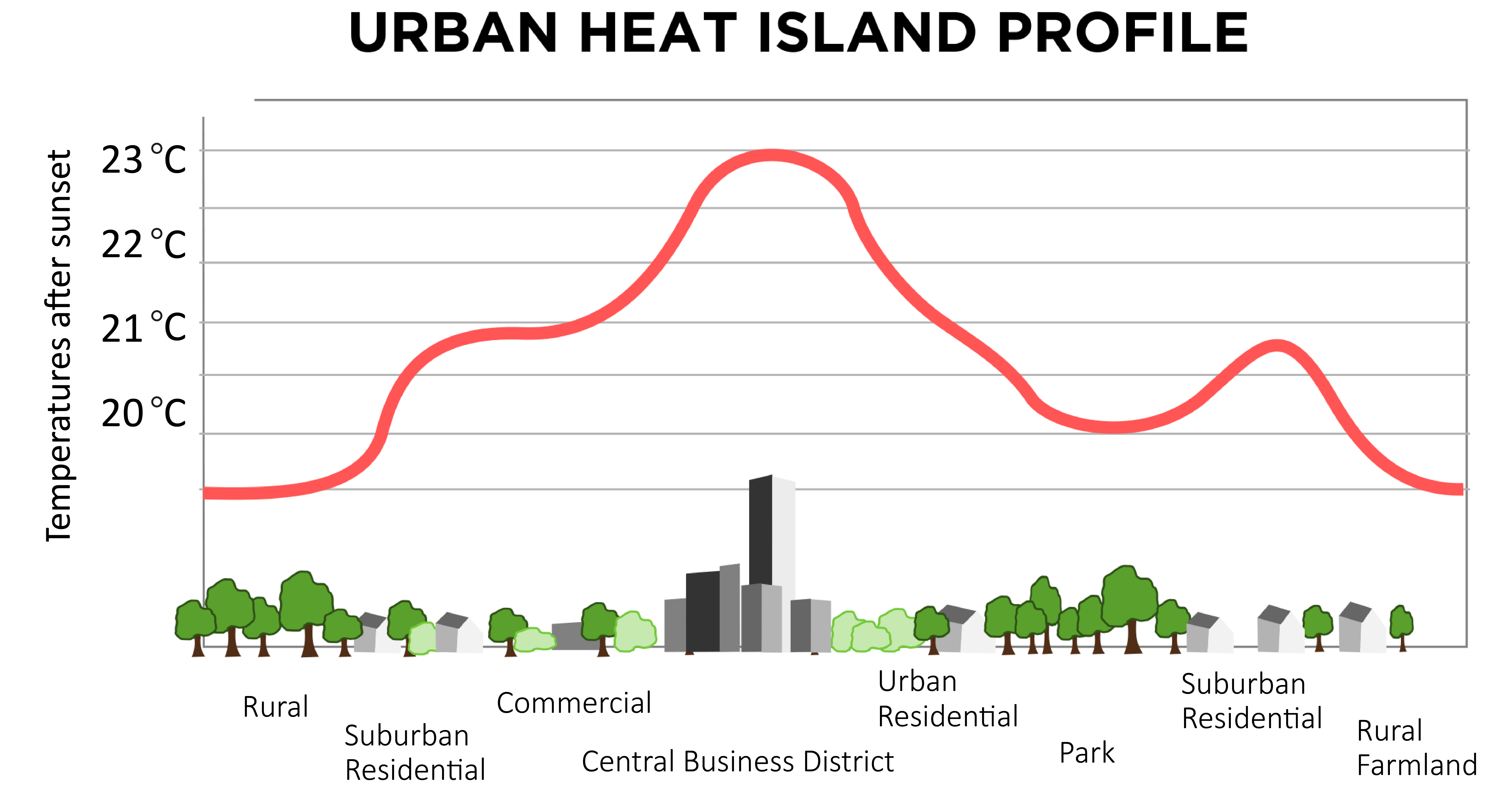
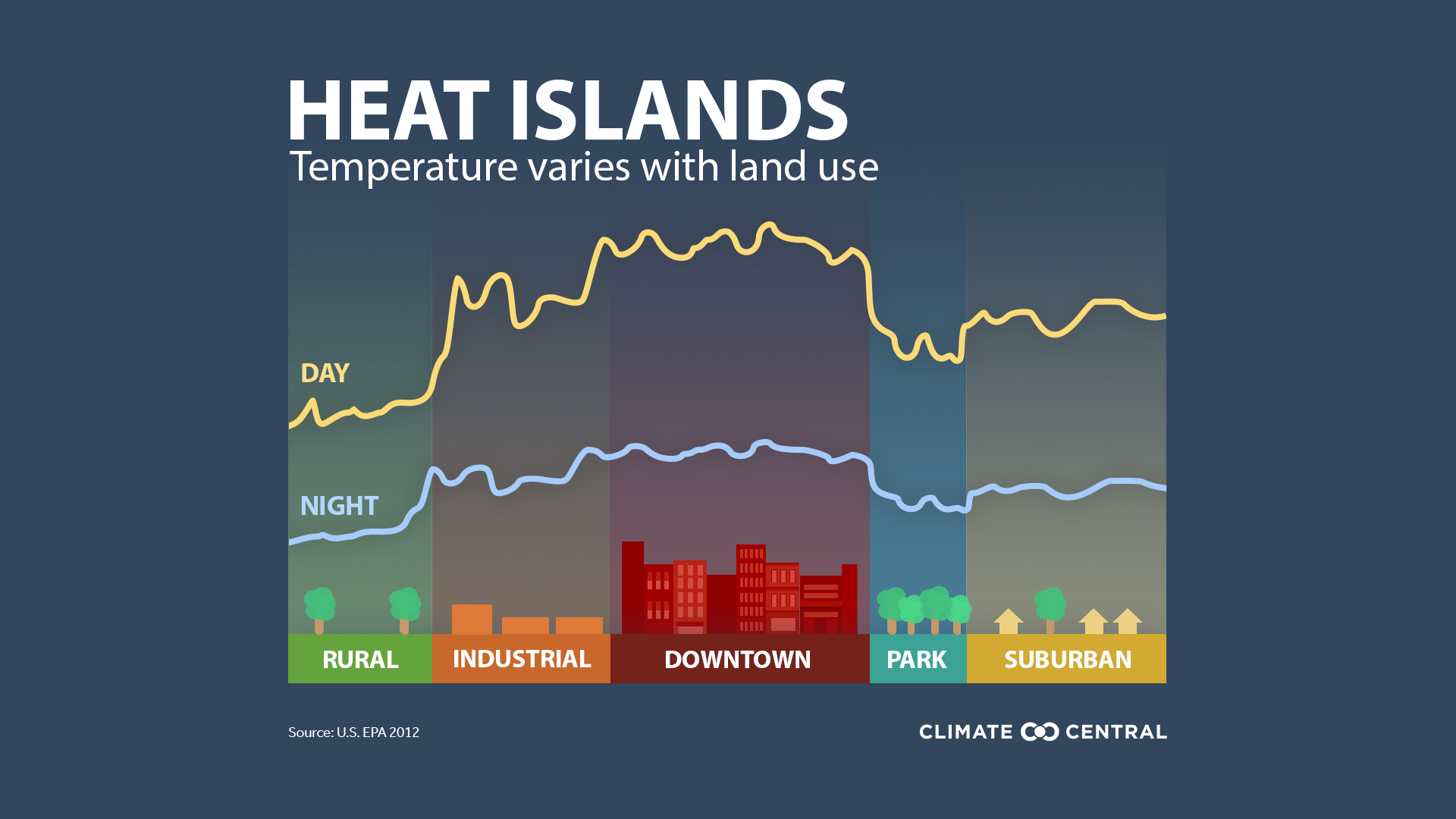
At its most fundamental level, the urban heat island effect describes the phenomenon where metropolitan areas are significantly warmer than their surrounding rural areas. This temperature difference is not a static occurrence; it fluctuates depending on the time of day, season, and weather conditions. During the day, the solar radiation absorbed by urban materials is released at night, preventing the city from cooling down as effectively as vegetated rural landscapes. This results in warmer evenings and nights in urban centers.
Thermal Properties of Urban Materials
The composition of urban environments plays a pivotal role in their elevated temperatures. Unlike the natural landscape, which is dominated by vegetation and soil that have high albedo (reflectivity) and evapotranspiration (cooling through water evaporation), cities are characterized by materials that absorb and retain heat. Asphalt roads, dark-colored roofs, concrete structures, and other impervious surfaces absorb a substantial amount of solar radiation. These materials often have low albedo, meaning they absorb more sunlight and reflect less, converting this absorbed energy into heat.
Furthermore, the thermal mass of these materials allows them to store heat throughout the day. As the sun sets, this stored heat is slowly released back into the atmosphere, contributing to the persistent warmth observed in urban areas. This contrasts sharply with rural environments where vegetation provides shade and releases water vapor, creating a natural cooling effect through evapotranspiration. The lack of such natural cooling mechanisms in cities exacerbates the UHI effect.
Reduced Evapotranspiration and Vegetation Loss
A key difference between urban and rural landscapes is the significant reduction in vegetation. Trees, parks, and green spaces in rural areas contribute to cooling through evapotranspiration. This is the process by which plants release water vapor into the atmosphere, a process that requires energy and thus draws heat away from the surrounding environment. Urbanization often leads to the clearing of vegetation for construction, roads, and infrastructure, leading to a substantial decrease in evapotranspiration. This loss of natural cooling mechanisms directly contributes to higher ambient temperatures within cities. The concrete jungle, as it’s often called, replaces the cooling sponge of nature with heat-absorbing hardscapes.
Anthropogenic Heat Release
Beyond the properties of building materials, urban environments generate significant amounts of heat through human activities. This is known as anthropogenic heat. Vehicles, air conditioning units, industrial processes, and even the metabolic heat generated by large populations all contribute to the overall heat load in a city. These sources of heat are concentrated in urban areas, further intensifying the UHI effect. For instance, the constant operation of air conditioning systems, while providing comfort indoors, releases warm air into the external environment, contributing to the overall heat island. Similarly, traffic congestion leads to increased fuel combustion and thus greater heat emission.
Technological Innovations for UHI Mitigation
Recognizing the multifaceted challenges posed by urban heat islands, technologists and urban planners are increasingly turning to innovative solutions to combat rising temperatures. These range from advanced materials science to sophisticated data analytics and smart city infrastructure. The goal is to develop and implement technologies that can reduce heat absorption, promote cooling, and optimize urban environments for greater thermal comfort and resilience.
Cool Pavements and Roofing Technologies
One of the most direct approaches to mitigating UHI is through the development and application of “cool” materials. Cool pavements and cool roofs are designed to reflect more sunlight and absorb less heat than traditional materials. This is achieved through a variety of technological advancements.
Cool pavements utilize reflective aggregates, specialized coatings, and lighter-colored binders to increase their albedo. Some innovative cool pavement technologies also incorporate porous or permeable designs that allow for water infiltration, facilitating evaporative cooling. Research is ongoing to develop self-cooling pavements that can actively dissipate heat through phase-change materials or other thermoregulatory mechanisms.
Similarly, cool roofs are engineered with highly reflective surfaces and coatings that can significantly reduce the amount of solar energy absorbed by buildings. White or light-colored roofing materials are the most common, but advanced coatings are being developed that can reflect both visible and near-infrared light. Some cool roof technologies also incorporate green roof elements, combining the benefits of reflective surfaces with the cooling power of vegetation. The selection and implementation of these materials are increasingly guided by sophisticated thermal modeling software, which helps predict their performance under various climatic conditions and urban configurations.
Green Infrastructure and Smart Irrigation Systems
The strategic integration of green infrastructure, such as parks, green roofs, and urban forests, is a proven method for combating UHI. However, the effectiveness of these green spaces can be significantly enhanced through technological interventions. Smart irrigation systems, for example, utilize sensors to monitor soil moisture levels and weather forecasts to optimize water usage for plant health and maximal evapotranspirative cooling. These systems can be connected to city-wide water management platforms, ensuring efficient resource allocation.
Furthermore, advancements in urban forestry technology include the use of remote sensing and Geographic Information Systems (GIS) to identify optimal locations for tree planting, predict shade coverage, and monitor the health of urban tree canopies. Drones equipped with thermal imaging cameras can be used to map temperature variations across the city, identifying heat hotspots and guiding the placement of new green infrastructure. The development of drought-tolerant plant species, often through advanced horticultural research and genetic engineering, also plays a crucial role in ensuring the long-term viability of urban green spaces in warmer climates.
Data Analytics and Predictive Modeling for Urban Planning
The ability to understand and predict UHI effects is crucial for effective mitigation strategies. Advanced data analytics and predictive modeling are at the forefront of this effort. Cities are increasingly deploying networks of sensors to collect real-time data on temperature, humidity, wind speed, and solar radiation across different urban areas. This data is then fed into sophisticated algorithms and AI models to create high-resolution thermal maps of the city.
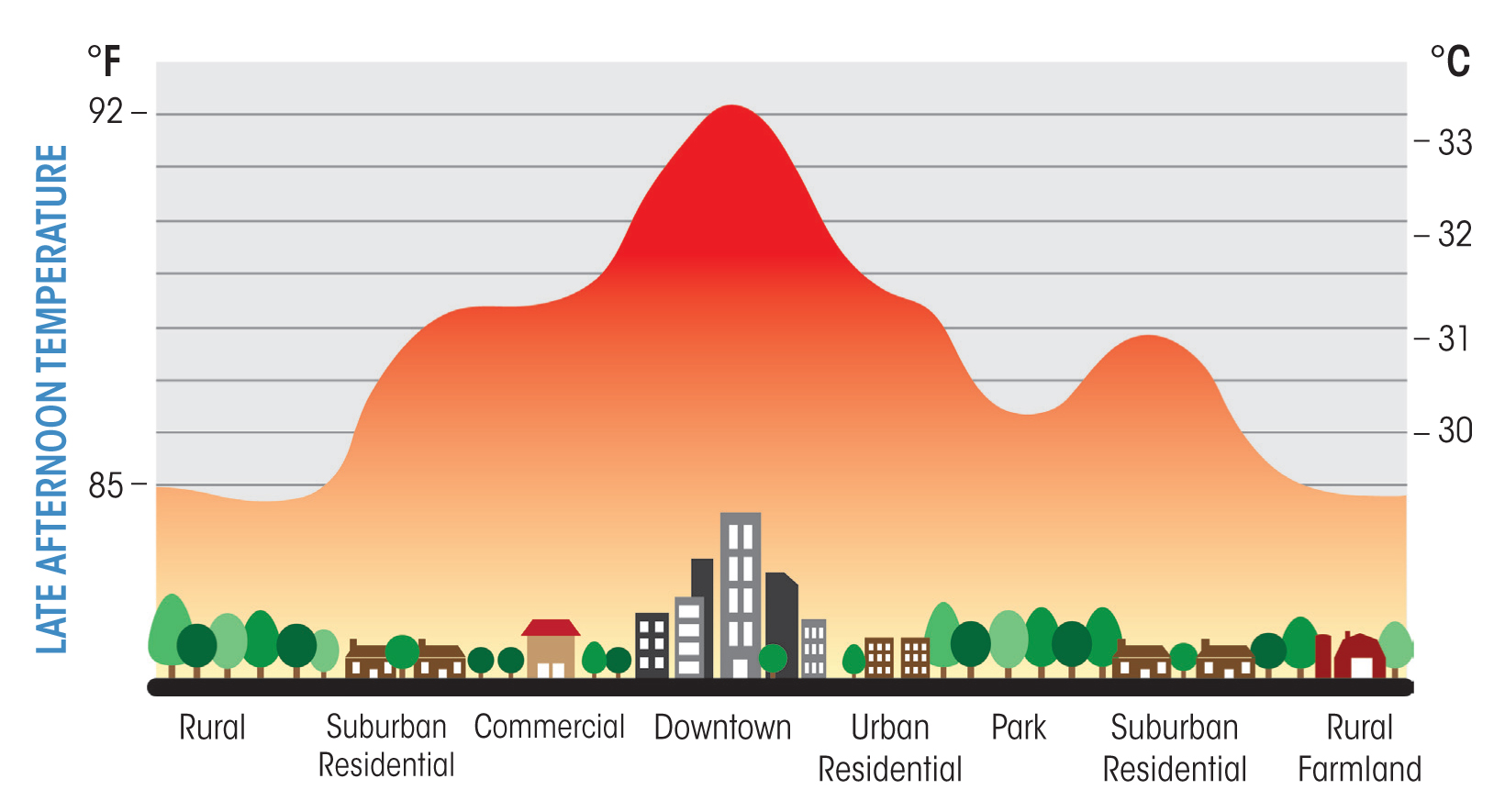
These thermal maps can identify specific neighborhoods and microclimates that are most susceptible to extreme heat. This information is invaluable for urban planners and policymakers, enabling them to prioritize interventions in the most vulnerable areas. Predictive models can also simulate the impact of various mitigation strategies, such as the implementation of cool pavements or the expansion of green spaces, before they are physically implemented. This allows for a data-driven approach to urban development, maximizing the effectiveness of investments in UHI mitigation. The integration of this data into smart city platforms allows for dynamic adjustments to urban systems, such as traffic management or energy distribution, to better cope with heat waves.
The Role of Smart City Technology in UHI Management
Smart city initiatives are intrinsically linked to the fight against urban heat islands. By leveraging interconnected technologies, cities can become more responsive and adaptive to thermal challenges. The concept of a smart city is not merely about deploying sensors; it’s about using the data generated by these sensors to make informed decisions and optimize urban systems for the benefit of its inhabitants.
Integrated Sensor Networks and Real-time Monitoring
The foundation of smart city UHI management lies in comprehensive sensor networks. These networks deploy a variety of sensors across the urban landscape to collect granular data on temperature, humidity, air quality, and even surface temperatures of buildings and roads. This real-time data is transmitted wirelessly to a central platform, often managed by the city’s IT department or a dedicated smart city initiative.
This continuous stream of data allows for immediate identification of developing heat hotspots. During a heatwave, for example, city officials can monitor temperature fluctuations in real-time and dispatch resources, such as cooling centers or mobile medical units, to the areas most in need. The data also provides a historical record that can be used to analyze long-term trends and assess the effectiveness of implemented mitigation strategies. The development of low-power, long-range communication technologies like LoRaWAN and NB-IoT is crucial for the widespread and cost-effective deployment of these sensor networks.
AI-Powered Predictive Analytics and Early Warning Systems
Artificial intelligence plays a pivotal role in transforming raw sensor data into actionable insights. AI algorithms can analyze complex patterns within the data, identifying correlations between weather conditions, urban morphology, and temperature variations. This enables the development of sophisticated predictive models that can forecast the intensity and duration of UHI effects.
These predictive capabilities translate into robust early warning systems. By anticipating periods of extreme heat, cities can proactively implement mitigation measures, such as increasing public transportation options to reduce reliance on private vehicles (which generate heat), or issuing public health advisories to vulnerable populations. AI can also optimize the deployment of cooling resources, such as public misting stations or mobile cooling units, based on predicted demand. Furthermore, AI can learn from past events, continuously refining its predictive accuracy and improving the city’s overall resilience to heat stress.
Smart Grid and Energy Management for Cooling Demands
Urban heat islands place a significant strain on energy infrastructure, particularly during hot weather when demand for air conditioning surges. Smart grid technologies offer solutions to manage these increased energy demands more efficiently. Smart grids utilize advanced metering infrastructure (AMI) and communication networks to monitor energy consumption in real-time and dynamically adjust energy distribution.
During peak cooling demand, smart grids can implement demand-response programs, incentivizing consumers to reduce their energy usage during critical periods. This can involve automated adjustments to smart thermostats in participating households or businesses. Furthermore, smart grids can better integrate renewable energy sources, such as solar power, which are often more readily available during sunny, hot days, thereby reducing reliance on fossil fuel-based power plants that contribute to pollution and heat generation. The optimization of energy storage solutions, like advanced battery systems, also plays a role in ensuring grid stability and meeting fluctuating cooling needs.
The Future of Urban Cooling: Emerging Technologies and Strategies
The ongoing research and development in urban heat island mitigation are paving the way for even more innovative and effective solutions. As climate change continues to drive global temperatures upwards, the imperative to develop resilient and sustainable urban environments becomes increasingly urgent. The future of urban cooling will likely involve a synergistic combination of advanced materials, bio-integrated design, and data-driven adaptive urban management.
Advanced Materials for Thermal Regulation
Beyond current cool pavement and roofing technologies, materials science is exploring novel approaches to thermal regulation. Researchers are developing “thermochromic” materials that can change their color and reflectivity in response to temperature. These materials could dynamically adjust their properties to absorb less heat during hot periods and absorb more during cooler periods, optimizing building energy performance throughout the year.
Another area of active research is the development of “radiative cooling” materials. These materials are designed to emit thermal radiation into space, even during the day, effectively cooling surfaces without requiring external energy input. This technology holds significant promise for passive cooling of buildings and infrastructure. Furthermore, the integration of nanomaterials into construction components is being explored to enhance thermal conductivity and energy dissipation properties, creating buildings that are inherently more resistant to heat absorption.
Bio-Integrated Design and Living Infrastructure
The integration of living systems into urban design is moving beyond traditional green spaces. “Living infrastructure” encompasses a broader range of biotechnological applications aimed at enhancing urban cooling. This includes the development of genetically modified plants that are more resilient to heat and drought, and that exhibit enhanced evapotranspiration capabilities.
Vertical farms and living walls, integrated into building facades, not only provide insulation and shade but also contribute to local air purification and biodiversity. Researchers are also exploring the use of algae and microbial systems for cooling applications, such as bioreactors that can absorb heat and produce biofuels. The concept of “biomimicry” is also influencing design, with engineers studying natural systems, like the cooling mechanisms of termite mounds or the water management strategies of desert plants, to inspire new urban cooling technologies.
Adaptive Urban Planning and Citizen Engagement Platforms
The long-term success of UHI mitigation efforts will depend on adaptive urban planning that can respond to changing climatic conditions and evolving technological capabilities. This involves creating flexible regulatory frameworks that encourage the adoption of new cooling technologies and urban design principles. It also necessitates robust data governance strategies to ensure that the vast amounts of data collected by smart city systems are used ethically and effectively.
Crucially, the future of urban cooling will also involve greater citizen engagement. Digital platforms can be developed to crowdsource data on local temperature variations, gather public feedback on the effectiveness of cooling interventions, and educate citizens about UHI and its impacts. Empowering residents with information and involving them in the decision-making process will foster a sense of shared responsibility and accelerate the transition towards cooler, more sustainable cities. The success of these future endeavors will hinge on the continuous innovation and application of technology in addressing the critical challenge of urban heat islands.
aViewFromTheCave is a participant in the Amazon Services LLC Associates Program, an affiliate advertising program designed to provide a means for sites to earn advertising fees by advertising and linking to Amazon.com. Amazon, the Amazon logo, AmazonSupply, and the AmazonSupply logo are trademarks of Amazon.com, Inc. or its affiliates. As an Amazon Associate we earn affiliate commissions from qualifying purchases.