
In the decade following its inception, Bitcoin was largely viewed through a singular lens: a speculative digital asset. For years, the prevailing narrative focused on its volatility and its potential as “digital gold”—a store of value to be held (or “HODLed”) rather than spent. However, as the financial infrastructure surrounding blockchain technology has matured, the practical utility of Bitcoin has undergone a massive transformation.
Today, Bitcoin is transitioning from a niche experimental currency into a legitimate medium of exchange. From luxury real estate and high-end vehicles to everyday essentials and digital services, the ecosystem of what you can purchase with Bitcoin has expanded into nearly every sector of the global economy. This guide explores the current landscape of Bitcoin commerce, the financial tools enabling these transactions, and the strategic considerations for anyone looking to use their digital wealth in the real world.
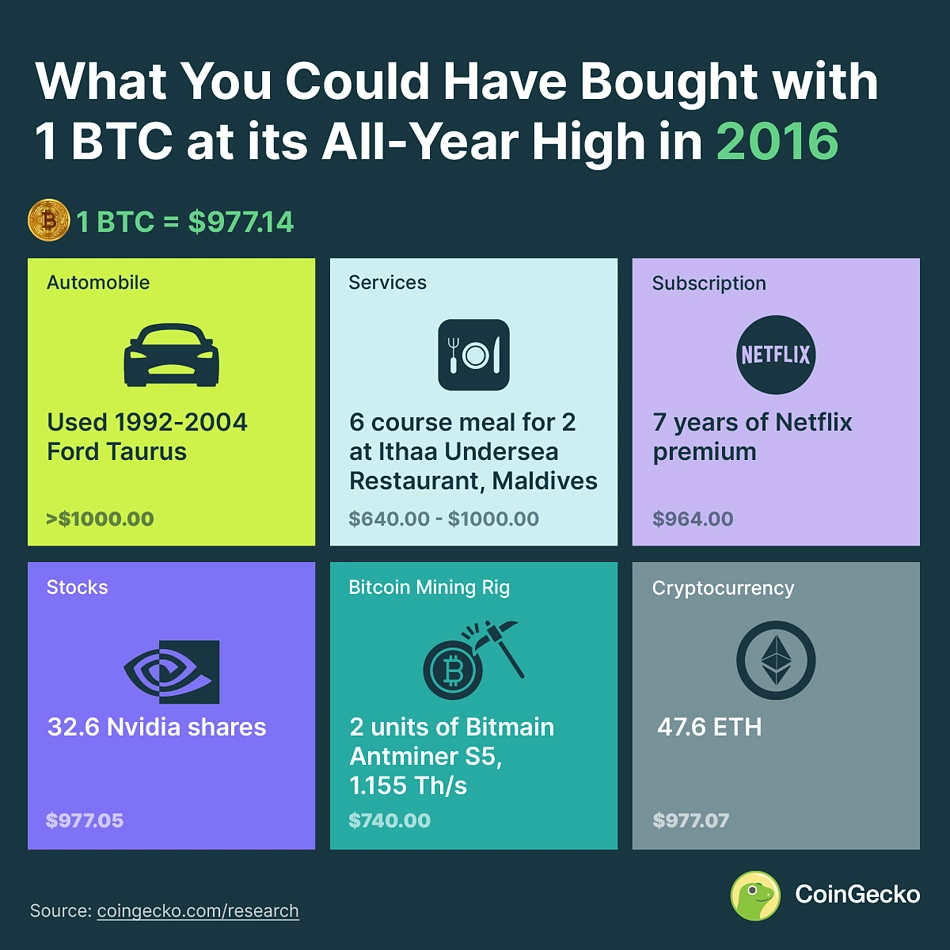
The Evolution of Bitcoin as a Financial Medium of Exchange
To understand what you can buy with Bitcoin today, it is essential to recognize how its role in personal finance has shifted. Initially, Bitcoin was a peer-to-peer electronic cash system, yet high volatility and slow transaction times on the base layer made it difficult to use for small, daily purchases.
From Niche Experiment to Institutional Asset
In the early 2010s, spending Bitcoin was a novelty—most famously illustrated by the purchase of two pizzas for 10,000 BTC. As institutional interest grew and the market cap climbed into the trillions, the financial world began to view Bitcoin as a core component of a modern investment portfolio. This institutionalization led to the development of robust payment gateways and custodial services that allow merchants to accept Bitcoin without ever touching the volatile asset themselves, instead receiving the equivalent value in their local fiat currency.
The Rise of the Circular Economy
More recently, we have seen the emergence of “Bitcoin circular economies.” In these micro-economies, individuals earn, save, and spend Bitcoin without ever converting back to traditional banking systems. This movement is driven by a desire for financial sovereignty and a hedge against inflationary fiat currencies. As more businesses join this ecosystem, the variety of goods and services available for purchase continues to diversify, making it possible to live almost entirely “off the grid” of traditional finance.
Real-World Purchases: Where You Can Spend Your Bitcoin Today
The list of merchants accepting Bitcoin is growing daily, spanning across several major industries. Whether you are looking to make a massive lifestyle purchase or simply buy lunch, the options are surprisingly vast.
Luxury Goods and High-End Real Estate
One of the most active sectors for Bitcoin transactions is the luxury market. High-net-worth individuals who have seen significant gains in their crypto portfolios often look to diversify into “hard” physical assets.
- Real Estate: Property developers in markets like Dubai, Miami, and London now frequently list luxury condos and estates in Bitcoin. Specialized crypto-real estate brokers facilitate these multi-million dollar transactions, handling the escrow and legal hurdles associated with digital asset transfers.
- Vehicles: While Tesla’s relationship with Bitcoin payments has fluctuated, many high-end auto dealerships (such as those selling Lamborghinis and Ferraris) accept Bitcoin through payment processors like BitPay.
- Fine Art and Jewelry: Major auction houses like Sotheby’s and Christie’s have integrated Bitcoin payments for high-profile art auctions, and several luxury watch retailers now accept digital currency for brands like Rolex and Patek Philippe.
Tech Hardware and Digital Services
Given Bitcoin’s origins in the tech community, it is no surprise that this sector remains the most crypto-friendly.
- Electronics: Retailers like Newegg and Microsoft have long been supporters of Bitcoin. Whether you are building a high-end gaming PC or purchasing software licenses, Bitcoin is often a checkout option.
- Web Services: For those in the digital business space, Bitcoin is a preferred method for paying for domain names (Namecheap), VPN services (ExpressVPN, NordVPN), and cloud hosting. This provides an added layer of privacy and financial autonomy for tech professionals.
Travel and Global Mobility
Travel is one of the most practical use cases for Bitcoin, especially for international “digital nomads.”
- Booking Platforms: Travala.com is a leader in this space, allowing users to book over two million hotels and flights worldwide using Bitcoin and other cryptocurrencies.
- Private Jets: For the ultra-wealthy, several private jet charter companies accept Bitcoin, offering a seamless way to pay for international travel without the delays of traditional bank wires.
Navigating the Financial Logistics of Bitcoin Payments

While the number of direct Bitcoin-accepting merchants is growing, the financial logistics of spending crypto often require intermediate tools. Understanding these tools is key to maximizing the utility of your digital assets.
Crypto Debit Cards: The Bridge to Traditional Finance
Perhaps the most significant advancement in Bitcoin commerce is the crypto debit card. Issued by companies like Coinbase, BitPay, and Crypto.com, these cards allow you to spend your Bitcoin at any merchant that accepts Visa or Mastercard.
When you swipe the card, the provider instantly converts the necessary amount of Bitcoin into fiat currency (USD, EUR, GBP) to complete the transaction. This effectively makes Bitcoin spendable at millions of locations worldwide, from your local grocery store to Amazon, bridging the gap between the new digital economy and the legacy financial system.
Understanding Transaction Fees and Confirmation Times
When paying directly from a Bitcoin wallet (on-chain), users must be aware of network fees and confirmation times. During periods of high network congestion, transaction fees can spike, making small purchases (like a $5 cup of coffee) economically unfeasible. Additionally, merchants typically wait for at least one confirmation on the blockchain, which can take approximately 10 minutes. For larger purchases, this is a negligible delay, but for retail environments, it has historically been a barrier.
The Tax Implications of Spending Bitcoin
From a personal finance perspective, it is crucial to remember that in many jurisdictions (including the United States), Bitcoin is treated as property for tax purposes. Every time you spend Bitcoin to buy a product, it is considered a “taxable event.” If the Bitcoin you spent has increased in value since you acquired it, you may owe capital gains tax on the difference. Keeping meticulous records of your “cost basis” and spending history is essential for remaining compliant with financial regulations.
Investing vs. Spending: The Opportunity Cost of Bitcoin Commerce
A major dilemma for Bitcoin holders is the decision of whether to spend their assets or hold them for future appreciation. This is a fundamental concept in personal finance known as opportunity cost.
The “Pizza Day” Lesson: Long-term Value vs. Immediate Utility
The story of the 10,000 BTC pizza serves as a cautionary tale for the crypto community. At today’s prices, those pizzas would be worth hundreds of millions of dollars. When you spend Bitcoin, you are giving up the potential for future gains. Therefore, many financial advisors recommend a “spend and replace” strategy. If you buy a $1,000 laptop with Bitcoin, you immediately buy $1,000 worth of Bitcoin with fiat to maintain your investment position while still supporting the Bitcoin economy.
Strategies for Circular Bitcoin Economies
For those who earn their income in Bitcoin, the perspective changes. In this scenario, Bitcoin is not just an investment—it is their primary currency. The goal here is to find merchants who accept Bitcoin directly to avoid the fees associated with off-ramping into fiat. By spending Bitcoin directly, users support the growth of a parallel financial system that operates independently of central banks.
The Future of Crypto-Commerce: Lightning Network and Beyond
The future of what you can buy with Bitcoin is being written by technological layers built on top of the main blockchain. The most promising of these is the Lightning Network.
Scaling for Microtransactions
The Lightning Network is a “Layer 2” scaling solution that allows for near-instant transactions with near-zero fees. This technology solves the “coffee problem.” With a Lightning-enabled wallet, you can pay for small daily items instantly, making Bitcoin a viable competitor to traditional point-of-sale systems. As more merchants integrate Lightning payments, we expect to see a surge in everyday retail adoption.

The Regulatory Landscape for Merchants
As Bitcoin becomes more integrated into global commerce, the regulatory framework is evolving. Governments are beginning to provide clearer guidelines for how businesses should handle digital assets. This clarity is encouraging more mainstream retailers to explore Bitcoin payments. While we are still in the early stages, the trajectory is clear: Bitcoin is moving toward becoming a ubiquitous payment option, sitting alongside credit cards and digital wallets in the checkout experience of the future.
In conclusion, “What can I buy with Bitcoin?” is a question with an ever-expanding answer. From high-value investments like real estate to everyday purchases facilitated by debit cards and the Lightning Network, Bitcoin has proven itself to be a versatile financial tool. By understanding the logistics, tax implications, and the balance between spending and investing, users can effectively navigate this new frontier of digital finance.
aViewFromTheCave is a participant in the Amazon Services LLC Associates Program, an affiliate advertising program designed to provide a means for sites to earn advertising fees by advertising and linking to Amazon.com. Amazon, the Amazon logo, AmazonSupply, and the AmazonSupply logo are trademarks of Amazon.com, Inc. or its affiliates. As an Amazon Associate we earn affiliate commissions from qualifying purchases.