
The question “What ethnicity am I?” is deeply personal, often rooted in a desire for self-understanding, connection to heritage, and a sense of belonging. In an increasingly globalized and interconnected world, this question is also becoming more complex. While historical and genealogical research has long been a primary avenue for exploration, the rapid advancements in technology have opened up entirely new, and sometimes controversial, pathways to answering it. This article delves into the technological landscape surrounding ethnicity identification, exploring how DNA testing, online databases, and AI are reshaping our understanding and discovery of our ancestral roots. We will examine the methodologies, the ethical considerations, and the profound impact these tools have on personal identity.
The Rise of Genetic Genealogy: Unraveling Your Ancestral Code
For centuries, tracing one’s lineage relied on dusty archives, family heirlooms, and oral traditions. The advent of genetic genealogy has revolutionized this process, offering a scientific lens through which to view our ancestry. At its core, this field leverages the power of DNA analysis to connect individuals to their relatives, identify ancestral origins, and uncover a more detailed picture of their heritage than ever before.
Direct-to-Consumer DNA Testing: A Gateway to Heritage
The most accessible and popular entry point into genetic genealogy for many individuals is through direct-to-consumer (DTC) DNA testing kits. Companies like AncestryDNA, 23andMe, and MyHeritage have made it remarkably simple for anyone to explore their genetic makeup. Users typically provide a saliva sample, which is then sent to a laboratory for analysis. This analysis focuses on specific markers in an individual’s DNA, particularly autosomal DNA (which is inherited from both parents), Y-DNA (inherited from the father’s side), and mitochondrial DNA (inherited from the mother’s side).
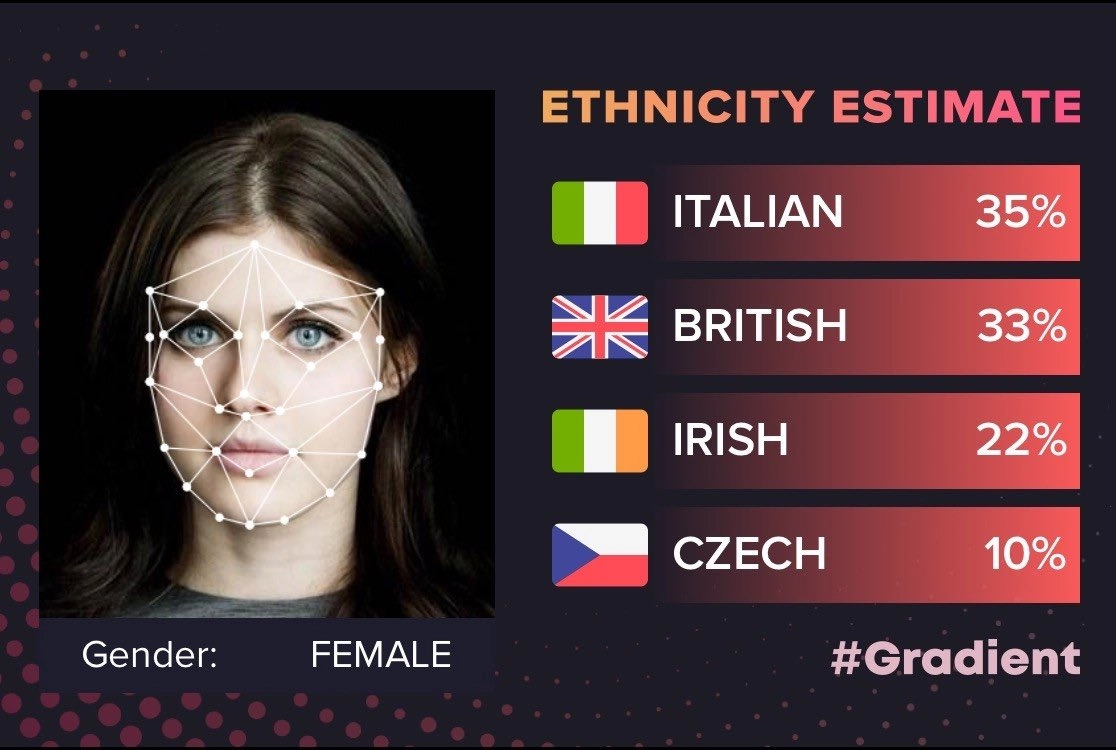
The results are then compared against vast reference databases compiled by these companies. These databases are built from the DNA samples of millions of users and, importantly, from samples collected from populations with known genetic ancestries. By identifying the genetic signatures you share with individuals within these reference populations, the testing companies can estimate the percentage of your DNA that likely originated from various geographic regions or ethnic groups. This often presents as a pie chart or a list of regions, such as “Western European,” “Sub-Saharan African,” “East Asian,” or “Indigenous American.”
Understanding Autosomal, Y-DNA, and mtDNA Testing
Each type of DNA test offers a different perspective on your ancestral journey:
-
Autosomal DNA (atDNA): This is the most common type of DNA tested in DTC kits. It accounts for about 99% of your DNA and is inherited from all your ancestors, both paternal and maternal, going back about 6-8 generations. AtDNA tests are excellent for identifying your ethnicity estimates across broad geographic regions and for finding distant relatives who also share segments of this DNA.
-
Y-DNA: This type of DNA is found only in males and is passed down virtually unchanged from father to son. Y-DNA testing can trace your paternal lineage directly back through generations, helping to identify your paternal surname’s origin and the migratory paths of your male ancestors. It’s a powerful tool for exploring deep ancestral roots on the father’s side.
-
Mitochondrial DNA (mtDNA): This DNA is inherited from the mother and passed down from mother to child, regardless of gender. mtDNA testing traces your maternal lineage exclusively. It can reveal the ancient migratory routes of your maternal ancestors across vast stretches of time, often dating back tens of thousands of years.
The combination of these tests, or the extensive data from autosomal DNA analysis alone, allows for a layered understanding of one’s genetic heritage, moving beyond simple geographical estimations to more nuanced familial connections.
The Algorithmic Insights: AI and Big Data in Ancestry Discovery
Beyond the direct analysis of your DNA, the technological ecosystem supporting ancestry discovery is increasingly powered by sophisticated algorithms and artificial intelligence (AI). These tools play a crucial role in processing the massive datasets generated by genetic testing companies, identifying patterns, and refining the accuracy of ethnicity estimates.
The Power of Big Data and Reference Populations
The accuracy of any ethnicity estimate is directly proportional to the size and diversity of the reference populations used by the DNA testing company. These companies invest heavily in collecting DNA samples from individuals who can confirm their ancestral origins through robust genealogical research and historical records. When your DNA is analyzed, it’s essentially being compared against the genetic “fingerprints” of these known populations.
For instance, if your DNA shows a significant overlap with samples from individuals whose ancestors have historically resided in Italy, the algorithm will assign a percentage to that region. The more comprehensive and geographically granular the reference populations, the more precise the ethnicity breakdown can be. This constant expansion of reference datasets, driven by user contributions and targeted research, is a testament to the power of big data in illuminating ancestral connections.
AI-Driven Ethnicity Estimation and Ancestral Migrations
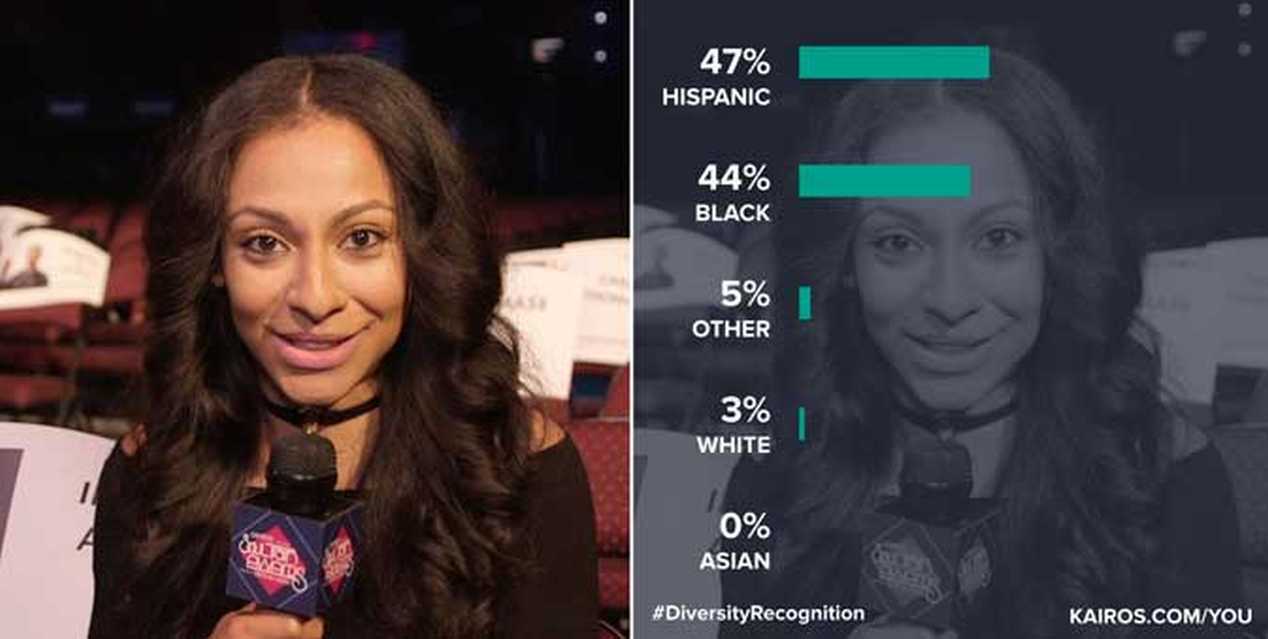
AI and advanced statistical modeling are central to how ethnicity estimates are generated. Algorithms analyze complex patterns within your DNA, looking for segments that are statistically more common in certain geographic populations. These algorithms are constantly being refined to account for historical population movements, intermingling, and genetic drift.
Furthermore, AI is instrumental in understanding larger patterns of human migration. By analyzing the genetic relationships between different populations across continents and millennia, researchers can use AI to map out ancient migratory routes, understand how different groups interacted, and predict potential ancestral origins for individuals whose DNA shows markers associated with these ancient migrations. This can shed light on periods of history that are poorly documented, offering a scientific perspective on human diaspora.
Enhancing Relative Matching with Sophisticated Algorithms
AI also plays a vital role in the “find my relatives” feature offered by many DNA testing services. When you opt into DNA matching, your DNA profile is compared with millions of others. Algorithms help to determine the degree of genetic relatedness between users by analyzing the length and number of shared DNA segments. This allows the platforms to confidently suggest matches as “close family,” “second cousins,” or “distant relatives.”
These algorithms are sophisticated enough to account for the probabilistic nature of DNA inheritance, meaning that not all siblings will inherit identical DNA segments from their parents. By analyzing the full spectrum of shared DNA, AI helps to provide a more accurate estimation of the relationship, which is crucial when identifying unknown family members or confirming suspected familial links.
Ethical Crossroads and Future Frontiers in Ethnicity Technology
While the technological advancements in ethnicity identification are undeniably exciting, they also bring forth significant ethical considerations and point towards future frontiers that promise even deeper insights, albeit with new challenges. Navigating this evolving landscape requires a critical and informed approach.
Privacy, Data Security, and Genetic Ancestry
One of the most significant ethical concerns surrounding genetic genealogy is the privacy and security of sensitive genetic data. When you submit your DNA to a company, you are entrusting them with information that is unique to you and potentially reveals details about your health predispositions, as well as your family’s history. Questions arise about:
- Data Ownership: Who truly owns your genetic data once it’s uploaded to a company’s servers?
- Data Sharing: Under what circumstances can your data be shared with third parties, such as law enforcement agencies or academic researchers?
- Data Breaches: What safeguards are in place to protect your genetic information from hackers and unauthorized access?
Reputable companies have robust privacy policies outlining how data is used and protected, but it is crucial for consumers to read and understand these policies. The potential for genetic data to be used in ways that were not originally intended can have far-reaching implications.
The Nuances of Ethnicity vs. Genetic Ancestry
It is essential to distinguish between genetic ancestry and ethnicity. Genetic ancestry refers to the statistical likelihood that segments of your DNA originated from specific geographic regions, based on comparisons with reference populations. Ethnicity, on the other hand, is a complex socio-cultural construct that encompasses shared history, language, traditions, beliefs, and self-identification.
While genetic testing can provide insights into your ancestral origins, it cannot definitively define your ethnicity. For example, a person might have a genetic makeup that suggests significant ancestry from Ireland, but if they were raised in a culture entirely divorced from Irish heritage and do not identify with it, their ethnicity would not be considered Irish. The technology offers a powerful historical and biological lens, but it is only one piece of the intricate puzzle of identity. Misinterpreting genetic results as a rigid definition of ethnicity can lead to oversimplification and a misunderstanding of the multifaceted nature of human identity.
The Future: Predictive Ancestry, Health Insights, and Deep Ancestry Exploration
The trajectory of technology in this field suggests increasingly sophisticated applications. Future frontiers include:
- Predictive Ancestry: As reference databases grow and AI models become more refined, we may see more precise predictions of ancestral origins, even for very distant or rare lineages.
- Integrated Health Insights: Many DTC companies already offer health-related genetic insights. The convergence of ancestry and health data could provide a more holistic view of your inherited traits and predispositions.
- Deep Ancestry Exploration: Further advancements in analyzing ancient DNA samples and comparing them with modern genomes could unlock even deeper layers of human history, tracing lineages back to prehistoric times and shedding light on early human migrations and the formation of distinct human groups.
- Enhanced Genealogy Tools: AI-powered tools could automate much of the manual genealogical research, piecing together family trees and identifying potential ancestors with unprecedented speed and accuracy.
However, with these advancements come amplified ethical considerations. The ability to predict ancestry or health traits with greater accuracy raises questions about genetic discrimination, the potential for a genetic “caste system,” and the psychological impact of uncovering potentially sensitive or unexpected ancestral information.
In conclusion, the question “What ethnicity am I?” is being answered in new and profound ways through technological innovation. Genetic genealogy, powered by sophisticated algorithms and AI, offers a powerful tool for exploring our ancestral past. Yet, as we delve deeper into our genetic code, it is crucial to approach these technologies with a critical understanding of their capabilities, limitations, and the vital ethical considerations that accompany them. Our ethnicity is a rich tapestry woven from history, culture, and personal identity, and while technology can illuminate the threads of our ancestry, it is our own lived experience and self-understanding that ultimately define who we are.
aViewFromTheCave is a participant in the Amazon Services LLC Associates Program, an affiliate advertising program designed to provide a means for sites to earn advertising fees by advertising and linking to Amazon.com. Amazon, the Amazon logo, AmazonSupply, and the AmazonSupply logo are trademarks of Amazon.com, Inc. or its affiliates. As an Amazon Associate we earn affiliate commissions from qualifying purchases.