
In today’s fast-paced digital landscape, financial institutions are constantly evolving to offer tools that cater to our immediate needs. Credit One Bank, a prominent player in the credit card industry, is no exception. Among their offerings, the “Convenience Check” has emerged as a product designed to provide accessible funds, blurring the lines between a traditional credit card transaction and a more direct cash advance. Understanding what a Convenience Check from Credit One is, how it functions, and when it might be a useful, or perhaps a cautionary, financial tool is crucial for navigating modern personal finance.

This article will delve into the intricacies of Credit One Convenience Checks, drawing parallels with broader trends in technology and finance, and exploring their implications for personal and business finance management. We’ll unpack the mechanics, the associated costs, and the strategic considerations for leveraging this financial instrument effectively.
Understanding the Mechanics: How Credit One Convenience Checks Work
At its core, a Convenience Check from Credit One is a pre-printed check that draws against your existing Credit One credit card account. These checks are typically mailed to cardholders and, when written and cashed or deposited, they function similarly to any other check, but the funds debited come directly from your credit line. This offers a seemingly straightforward way to access funds for various purposes, from paying bills to making large purchases where a credit card might not be accepted, or when you prefer the anonymity or flexibility of cash.
The Technology Behind the Convenience
While the concept of a check is an age-old financial instrument, its integration into a credit card system represents a convergence of traditional finance and modern technology. Credit One leverages its digital infrastructure to facilitate these transactions. When you use a Convenience Check, the bank’s systems process it as a purchase or a cash advance, depending on the terms and conditions associated with your specific card. This process is remarkably swift, mirroring the speed we’ve come to expect from digital financial transactions.
The “convenience” aspect is deeply rooted in technological advancement. Imagine needing to pay for a service that doesn’t accept cards, or having an unexpected expense arise when you don’t have immediate cash on hand. Instead of visiting an ATM for a cash advance (which often incurs hefty fees and immediate interest accrual) or struggling to find an alternative payment method, a Convenience Check offers a readily available solution. The check itself is a physical artifact, but its underlying mechanism is entirely digital, processed through payment networks and your credit card account’s ledger. This blend of the tangible and the digital is a hallmark of modern financial products designed for ease of use.
Cash Advances vs. Convenience Checks: A Subtle Distinction
It’s important to distinguish Convenience Checks from a typical cash advance obtained directly from an ATM using your credit card. While both provide access to your credit line in the form of cash, the mechanics and often the associated fees and interest rates can differ. A cash advance from an ATM usually involves a direct withdrawal, which is immediately flagged as a cash advance by your card issuer.
Convenience Checks, while resulting in a similar outcome (access to funds), are processed as a “purchase” in some instances or a specific type of cash advance. The crucial difference often lies in how quickly interest begins to accrue. For many credit cards, cash advances incur a higher Annual Percentage Rate (APR) than purchases, and this interest starts accruing immediately from the transaction date, with no grace period. Convenience Checks can sometimes fall into a similar, if not identical, fee structure. Understanding the specific terms and conditions of your Credit One card is paramount, as the fees and APR associated with Convenience Checks can significantly impact your overall cost of borrowing.
Leveraging Convenience Checks: Strategic Applications and Considerations
The utility of a Convenience Check from Credit One hinges on understanding its strengths and weaknesses. While it offers immediate access to funds, the cost and potential impact on your credit utilization demand careful consideration.
When Might a Convenience Check Be a Viable Option?
There are specific scenarios where a Convenience Check could prove beneficial:
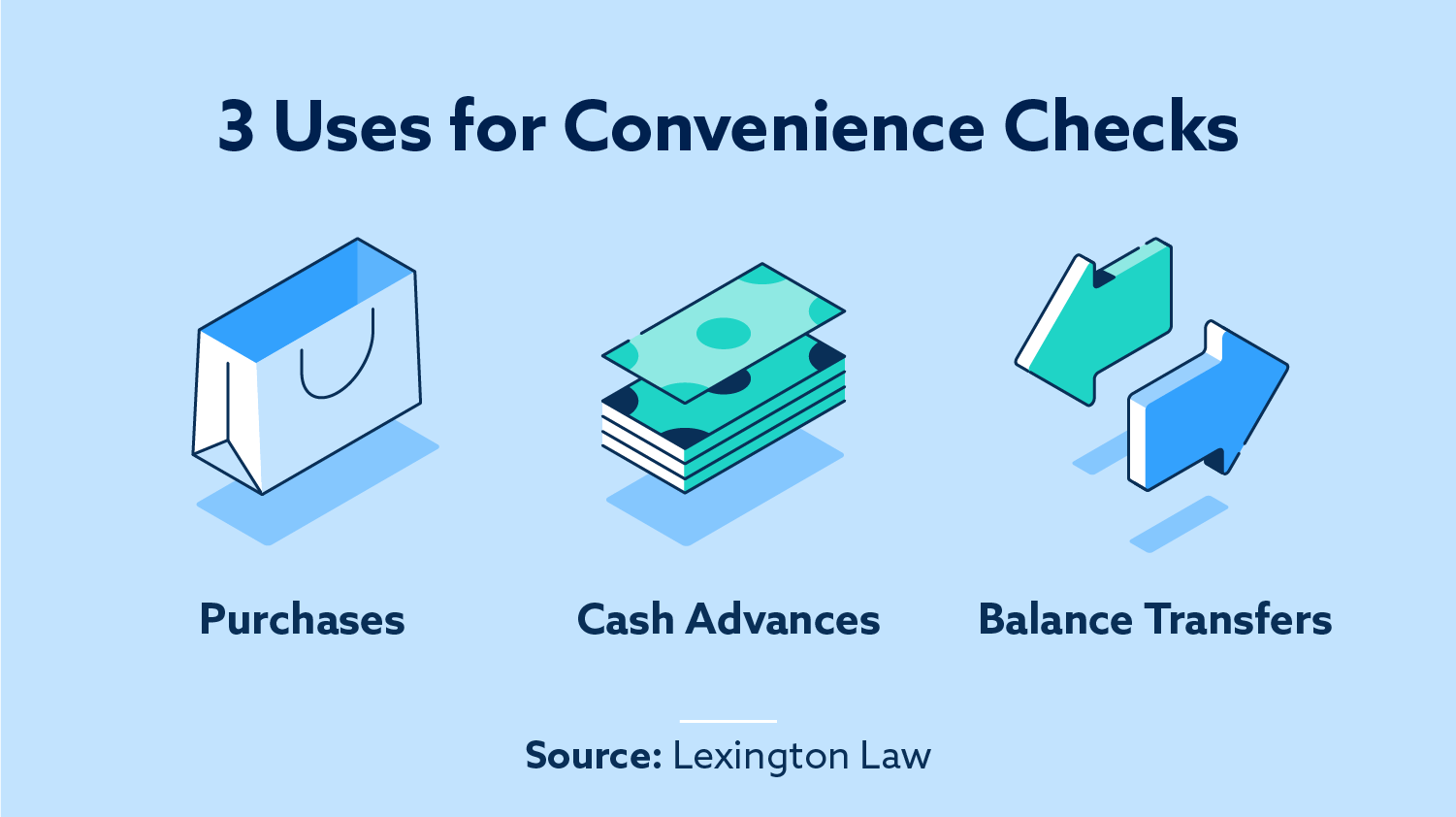
- Emergency Expenses: In unexpected situations like a car breakdown, a sudden medical bill, or urgent home repairs, a Convenience Check can provide immediate funds when other options are unavailable or too slow. This is where the “convenience” truly shines – offering a rapid solution during a crisis.
- Transactions Not Accepting Credit Cards: Some smaller businesses, service providers, or private sales might prefer or only accept checks or cash. A Convenience Check allows you to leverage your credit line for these types of transactions, providing a bridge when traditional payment methods are not an option.
- Consolidating Smaller Payments: If you have several small bills or expenses that you need to pay quickly and want to manage them under one payment (to your Credit One account), a Convenience Check might offer a streamlined approach, although it’s essential to weigh this against the potential fees.
- Avoiding Higher Cash Advance Fees (Potentially): While Convenience Checks have their own fees, they might, in some specific circumstances and depending on your card’s terms, be less expensive than a direct ATM cash advance, especially if the ATM charges an additional fee. However, this is not a universal rule and requires careful comparison of your card’s fee schedule.
The Financial Implications: Costs and Interest
The primary consideration when using a Convenience Check is its cost. These checks are not a free source of funds. They typically come with several associated charges:
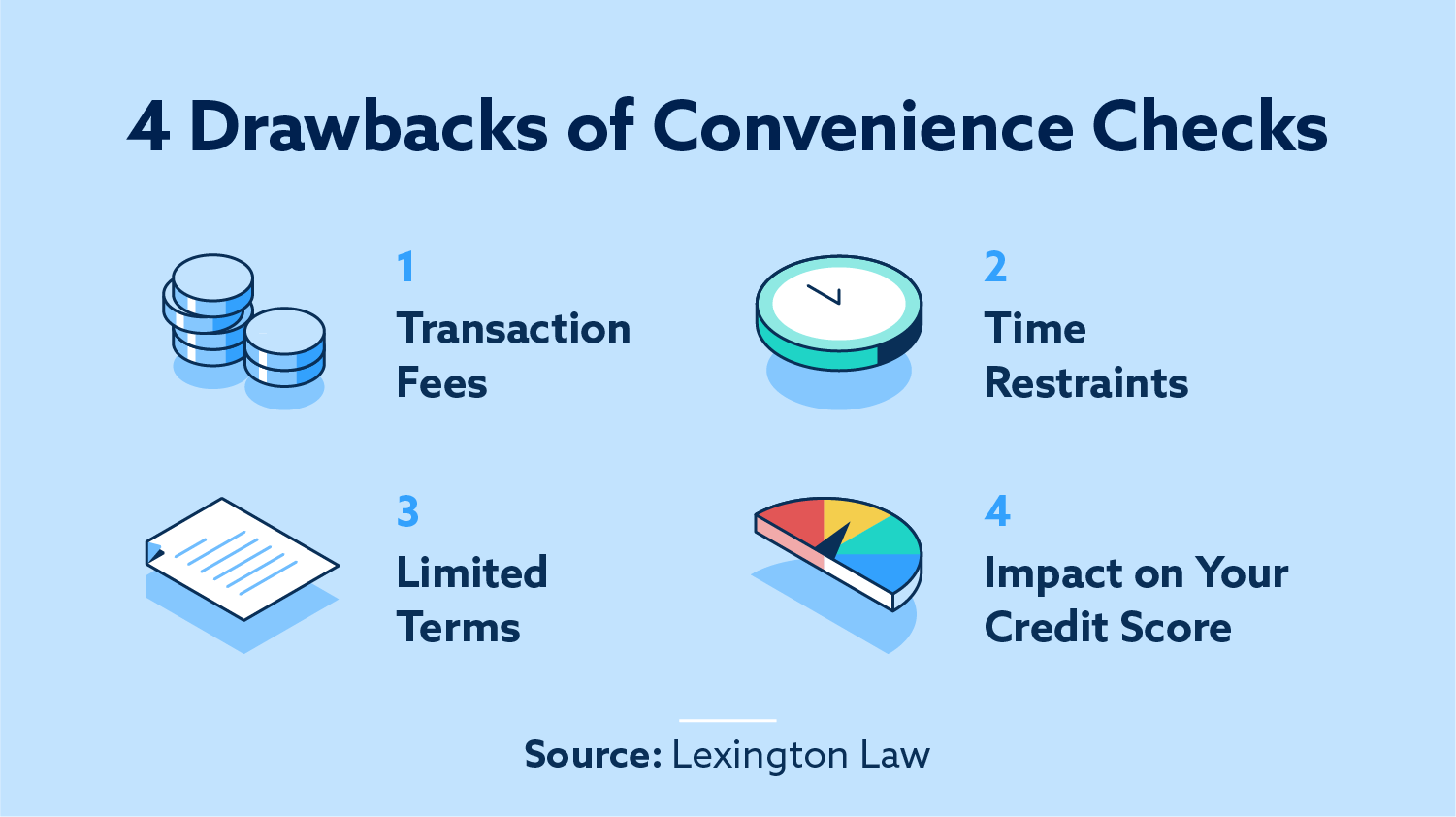
- Convenience Check Fee: Credit One, like most issuers, charges a fee for each Convenience Check used. This fee is usually a percentage of the amount advanced or a flat fee, whichever is greater. This fee is applied immediately upon processing the check.
- Cash Advance APR: Convenience Checks are often treated as cash advances, meaning they carry a higher APR than your standard purchase APR. Crucially, interest typically begins to accrue on the amount advanced from the day the check is processed, with no grace period. This means you start paying interest immediately, and it can compound quickly.
- Credit Utilization: When you use a Convenience Check, the amount advanced is added to your outstanding credit card balance. This increases your credit utilization ratio, which is a significant factor in your credit score. High credit utilization can negatively impact your creditworthiness.
Therefore, while the “convenience” is appealing, the financial reality is that it often comes at a premium. It is vital to thoroughly review your Credit One card’s terms and conditions, specifically the sections on cash advances and fees, before opting to use a Convenience Check.
Best Practices and Alternatives: Making Informed Financial Decisions
Given the potential costs associated with Convenience Checks, it’s prudent to explore alternative financial strategies and to use these checks only when absolutely necessary and with a clear repayment plan.
Strategic Use and Repayment Planning
If you find yourself needing to use a Convenience Check, consider the following:
- Use Sparingly: Treat Convenience Checks as a last resort for genuine emergencies or unavoidable transactions. Avoid using them for discretionary spending or to cover routine expenses.
- Understand the Total Cost: Before writing the check, calculate the total cost of the transaction, including the fee and the estimated interest you’ll accrue until you can repay the balance.
- Prioritize Repayment: Have a clear plan to repay the amount advanced as quickly as possible. Ideally, aim to pay off the entire balance before the next billing cycle to minimize interest charges. Focus your payments on the Convenience Check balance if your card allows for targeted payments.
- Monitor Your Account Regularly: Keep a close eye on your Credit One account statement to track the fee and the accumulating interest on the Convenience Check.
Exploring Alternatives in Personal Finance
The availability of Convenience Checks highlights the need for robust personal finance planning. Before resorting to a credit card convenience check, consider these alternatives:
- Emergency Fund: Building and maintaining an emergency fund in a savings account is the most effective way to handle unexpected expenses without incurring debt or high fees. This aligns with good personal finance principles of creating a financial cushion.
- Low-Interest Personal Loans: For larger expenses, a personal loan from a bank or credit union might offer a lower interest rate than a cash advance or convenience check, especially if you have good credit.
- Balance Transfer Credit Cards: If you have existing high-interest debt, a balance transfer card with a 0% introductory APR can be a more cost-effective way to manage and pay down debt.
- Line of Credit: A home equity line of credit (HELOC) or a personal line of credit can provide flexible access to funds with potentially lower interest rates than credit card cash advances, although they may have longer approval processes.
- Budgeting and Saving: Proactive budgeting and consistent saving can help you plan for anticipated expenses and avoid the need for high-cost borrowing. This proactive approach to financial management is key to long-term financial health.
Conclusion: A Tool to Be Used With Caution
A Convenience Check from Credit One Bank offers a degree of financial flexibility, providing a seemingly easy way to access funds from your credit line. It represents the intersection of traditional check-writing and modern credit card technology, designed to meet the immediate needs of consumers in an increasingly fast-paced world. However, this convenience comes at a price. The fees and high-interest rates associated with these checks can make them an expensive form of borrowing, potentially impacting your credit score and overall financial well-being if not managed with extreme care.
Ultimately, understanding what a Convenience Check is, how it functions, and its associated costs is crucial for making informed financial decisions. While it can serve as a valuable tool in specific emergency situations or for transactions where other payment methods are unavailable, it should be approached with caution. Prioritizing the establishment of an emergency fund, exploring lower-cost borrowing alternatives, and maintaining disciplined budgeting and saving habits are far more sustainable strategies for long-term financial health than relying on the expediency of a Convenience Check. In the realm of personal finance, true convenience often lies in preparedness and smart planning, not just in the ease of accessing credit.
aViewFromTheCave is a participant in the Amazon Services LLC Associates Program, an affiliate advertising program designed to provide a means for sites to earn advertising fees by advertising and linking to Amazon.com. Amazon, the Amazon logo, AmazonSupply, and the AmazonSupply logo are trademarks of Amazon.com, Inc. or its affiliates. As an Amazon Associate we earn affiliate commissions from qualifying purchases.