
The waters we navigate, whether for leisure, commerce, or industry, are not untamed wildernesses. They are meticulously managed environments, governed by a complex system of regulations and advisories designed to ensure safety, protect the environment, and facilitate efficient use. Central to this system are navigational aids, and among them, buoys play a crucial role. While many are familiar with the colors and shapes that denote channels and hazards, a less common but vital symbol is the diamond. When encountered on a regulatory buoy, the diamond symbol serves as a specific and important indicator, alerting mariners to information that transcends simple navigation and delves into the realm of regulated activities and environmental considerations.
Understanding this symbol is paramount for anyone operating on or near the water. It signifies a shift from passive navigation to active adherence to rules, often related to environmental protection, resource management, or specialized operational zones. This article will demystify the meaning of the diamond symbol on regulatory buoys, exploring its implications for various stakeholders and highlighting the importance of heeding its message for responsible and safe maritime practices.
Understanding the Buoyage System: A Foundation for Maritime Communication
Before delving into the specifics of the diamond symbol, it’s essential to grasp the broader context of maritime buoyage systems. These systems are standardized internationally to ensure that mariners can interpret navigational aids consistently, regardless of their location. The primary goal is to provide clear, unambiguous information to prevent collisions, guide vessels, and alert them to potential dangers.
The Role of Regulatory Buoys
Regulatory buoys are distinct from channel markers or hazard markers. While the latter primarily guide navigation, regulatory buoys convey specific rules or information pertaining to the area. They are not necessarily navigational hazards themselves but are placed to inform mariners about conditions or restrictions they must observe. These buoys are typically white with orange bands and orange symbols or lettering, indicating their regulatory nature. They are designed to communicate a message that requires a mariner’s attention and, often, a change in their immediate operating procedures.
The International Association of Lighthouse Authorities (IALA) System
The most widely adopted system for maritime navigation is the International Association of Lighthouse Authorities (IALA) Maritime Buoyage System. This system, used in most parts of the world, categorizes buoys by color, shape, and light characteristics to convey specific meanings. However, the interpretation of specific symbols, especially those on regulatory markers, can sometimes vary slightly in regional implementations, although the core principles remain consistent. The diamond symbol, within the regulatory buoy framework, is a key element that expands the informational capacity beyond basic navigational guidance.
The Diamond Symbol: Unveiling its Specific Meaning
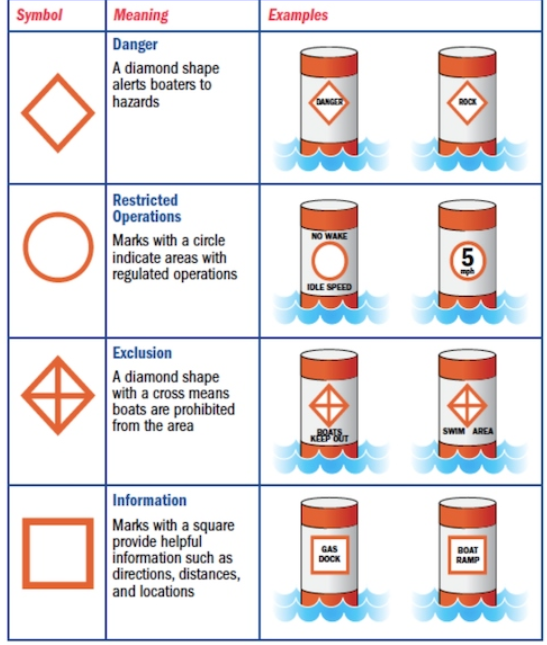
The diamond symbol, when displayed on a regulatory buoy, signifies a zone where specific activities are prohibited or restricted, or where particular information needs to be conveyed to mariners. It’s a visual cue that demands careful consideration and adherence to rules that might not be immediately apparent from the surrounding water conditions alone.
Prohibited Activities and Restricted Zones
The most common interpretation of the diamond symbol is to denote areas where certain activities are forbidden. This can encompass a wide range of restrictions, such as:
- No Wake Zones: In many areas, particularly near shorelines, marinas, or areas with sensitive marine life, a diamond symbol might indicate a no-wake zone. This means vessels must reduce their speed to the minimum required for steerage to minimize the disturbance caused by their wake. This is crucial for preventing erosion, protecting docks and moored vessels, and safeguarding aquatic habitats.
- Fishing Restrictions: Diamond symbols can also signal areas where fishing is prohibited, either permanently or seasonally. This is often implemented to protect vulnerable fish populations, allow for spawning, or manage fisheries sustainably.
- Swimming or Recreational Area Markers: In some locales, these buoys might delineate areas designated for swimming or other recreational activities, warning boaters to stay clear or exercise extreme caution.
- Speed Restrictions: Beyond no-wake zones, a diamond symbol may indicate a general speed limit for vessels within a specific area. This is often implemented to reduce noise pollution, protect wildlife, or enhance safety in congested waterways.
Information and Advisories
While prohibitions are a primary function, the diamond symbol can also be used to convey specific advisories or informational messages that do not necessarily involve outright restrictions. These might include:
- Dumping Prohibitions: The symbol can warn against the dumping of refuse or pollutants into the water. This is a critical aspect of environmental protection, especially in ecologically sensitive areas.
- Danger to Navigation (Specifics): While a diamond on its own doesn’t typically denote a physical hazard like a wreck or submerged object, it might be used in conjunction with other markers or in specific contexts to draw attention to a potentially dangerous situation that requires mariner awareness, such as areas prone to strong currents or unpredictable wave patterns.
- Restricted Operation Zones: In some cases, the diamond may indicate areas where only specific types of vessels are permitted, or where operations are restricted to certain times or conditions. This is often seen in areas with commercial shipping lanes or military zones.
The key takeaway is that the diamond symbol signals a need for a mariner to consult charts, local regulations, or informational signage to fully understand the specific directive associated with that buoy. It is not a symbol to be ignored, as violations can carry significant penalties and, more importantly, can compromise safety and environmental integrity.

Navigating Responsibly: Implications for Different Maritime Users
The presence of a regulatory buoy with a diamond symbol has direct implications for various individuals and groups who utilize the waterways. Understanding these implications is crucial for ensuring compliance and fostering a culture of responsible water use.
Recreational Boaters and Water Sports Enthusiasts
For recreational boaters, from small fishing vessels to larger pleasure craft, the diamond symbol is a critical reminder to be aware of local rules and regulations. A casual outing can quickly turn into a violation if a speed limit is exceeded or if a prohibited area is entered unknowingly.
- Pre-Trip Planning: Recreational boaters should always review charts and local boating regulations before heading out. Many waterway authorities provide online resources detailing buoyage systems and specific restrictions.
- Situational Awareness: On the water, maintaining constant situational awareness is paramount. Spotting a regulatory buoy with a diamond should prompt an immediate evaluation of one’s current activity and proximity to shore or other vessels.
- Respecting No-Wake Zones: Adhering to no-wake restrictions is not just about avoiding a ticket; it’s about respecting the environment and other users of the waterway. Excessive wakes can damage shorelines, disturb wildlife, and endanger smaller craft.
Commercial Vessels and Ferry Operations
Commercial operators, with their larger vessels and often more demanding schedules, have an even greater responsibility to understand and adhere to regulatory buoyage. The consequences of non-compliance can be more severe, including substantial fines, delays, and potential damage to cargo or the vessel itself.
- Crew Training: It is imperative that all crew members are adequately trained in interpreting navigational aids, including regulatory markers. Regular refresher courses and familiarization with local regulations are essential.
- Route Planning and Compliance: Commercial routes should be planned to avoid restricted areas unless specific permits or authorizations are in place. Navigation systems should be updated with current chart data that reflects regulatory markers.
- Impact Minimization: Commercial vessels often create larger wakes and have a greater potential impact on the environment. Strict adherence to speed limits and no-wake zones is crucial for minimizing this impact.
Environmental Agencies and Resource Managers
For those tasked with managing and protecting marine and aquatic ecosystems, regulatory buoys with diamond symbols are vital tools. They serve as visible deterrents and constant reminders of conservation efforts.
- Enforcement and Monitoring: These buoys aid in the enforcement of fishing quotas, no-take zones, and pollution control measures. Their presence helps authorities monitor compliance and identify areas needing greater attention.
- Public Education: Regulatory markers act as passive educators, informing the public about the importance of specific environmental protections without requiring constant human intervention.
- Data Collection: The placement and monitoring of these buoys can also inform data collection efforts regarding compliance rates and the effectiveness of various management strategies.
Enhancing Safety and Sustainability Through Symbol Interpretation
The seemingly simple diamond symbol on a regulatory buoy carries significant weight. It represents a commitment to organized, responsible, and safe use of our waterways. By understanding and respecting these markers, we contribute to a system that benefits everyone, from the individual boater seeking a peaceful day on the water to the global effort to conserve our vital marine resources.
The Legal and Ethical Imperative
Operating a vessel is a privilege that comes with responsibilities. Ignorance of regulations, symbolized by these buoys, is generally not a valid defense. The legal ramifications of violating regulations indicated by regulatory buoys can range from warnings and fines to more severe penalties, depending on the nature of the infraction and the jurisdiction.
Beyond the legal aspect, there is an ethical imperative to be a good steward of the environment and a considerate fellow user of shared waterways. This means taking the time to understand the rules, respecting the intentions behind them, and acting in a way that minimizes harm and maximizes safety for all. The diamond symbol is a constant invitation to engage in this responsible practice.

The Future of Maritime Regulation and Information Dissemination
As technology advances, we can anticipate more sophisticated ways of disseminating navigational and regulatory information. However, the role of physical markers like buoys, including those with the diamond symbol, is likely to remain crucial. They offer a tangible, readily visible, and universally understandable means of conveying critical information in real-time on the water.
The continued effective use of these symbols relies on consistent application, clear signage, and ongoing education. As mariners, boaters, and coastal communities, our collective understanding and respect for the messages conveyed by regulatory buoys with diamond symbols are essential for ensuring the continued safety, health, and enjoyment of our precious aquatic environments.
aViewFromTheCave is a participant in the Amazon Services LLC Associates Program, an affiliate advertising program designed to provide a means for sites to earn advertising fees by advertising and linking to Amazon.com. Amazon, the Amazon logo, AmazonSupply, and the AmazonSupply logo are trademarks of Amazon.com, Inc. or its affiliates. As an Amazon Associate we earn affiliate commissions from qualifying purchases.