
In the volatile landscape of retail branding, few names have managed to navigate the transition from millennial mall staple to Gen Z favorite as successfully as American Eagle Outfitters (AEO). For years, the brand was hailed as a pioneer of body positivity through its sub-brand, Aerie, and a leader in casual, “lived-in” style. However, the tide of consumer sentiment is notoriously fickle. Recently, a growing chorus of discontent has emerged across social media platforms and consumer forums. The question “Why are people mad at American Eagle?” is not merely a trending search query; it is a complex case study in brand strategy, corporate identity, and the high stakes of modern consumer expectations.

To understand why a brand once viewed as a champion of the underdog is now facing backlash, one must look beyond individual product complaints. The frustration stems from a perceived disconnect between the brand’s marketed values and its operational reality. In an era where “authenticity” is the primary currency of brand equity, any deviation from a stated mission can lead to a significant crisis of trust.
The Fragility of the “Inclusive Brand” Image
For nearly a decade, American Eagle—and specifically its Aerie division—built its brand identity on the foundation of radical inclusivity. The “Aerie Real” campaign, which committed to no retouching of models, was a masterstroke of brand strategy. It positioned the company as the antithesis of the hyper-curated, exclusionary branding seen at competitors like Victoria’s Secret. However, this positioning created a high bar for accountability.
The Aerie Real Legacy and the Burden of Proof
The success of “Aerie Real” was so profound that it redefined the expectations for the parent company, American Eagle. When a brand markets itself as the “authentic choice,” its audience becomes hyper-attuned to any signs of performative activism. Recent criticisms suggest that consumers feel the brand has plateaued. While the marketing still features diverse bodies, some consumers argue that the actual size availability in physical stores does not reflect the inclusive imagery seen in digital advertisements. This “size-gap” creates a sense of betrayal; customers feel invited into the brand’s world online only to be marginalized when they step into a brick-and-mortar location.
The Perils of Performative Inclusivity
In the current cultural climate, Gen Z and Millennial shoppers are increasingly adept at spotting “rainbow washing” or performative diversity. When American Eagle engages in social justice conversations or pride campaigns, they are scrutinized under a microscope. Discontent often arises when the brand’s corporate donations or internal leadership demographics do not seem to align with the progressive image projected in their marketing collateral. For a brand whose identity is built on “realness,” any whiff of corporate cynicism can be devastating to its reputation.
Ethical Sourcing and the Greenwashing Trap
As the fashion industry faces a global reckoning regarding its environmental impact, American Eagle has found itself in the crosshairs of the sustainability debate. The “madness” directed at the brand often stems from its status as a high-volume retailer in an age where “fast fashion” is becoming a pejorative term.
The Fast Fashion Stigma
Despite efforts to distance itself from ultra-fast fashion giants like Shein or Zara, American Eagle is still a massive producer of denim and cotton goods—industries that are notoriously water-intensive and chemically heavy. Brand critics argue that the sheer volume of product American Eagle churns out is inherently at odds with any “sustainable” branding they attempt to promote. When the brand launches “Real Good” labels—products made with recycled or sustainably sourced materials—it often invites closer inspection. If only a fraction of the inventory meets these standards, consumers view the initiative as “greenwashing,” a strategic move to mask a larger footprint of waste.

The Demand for Transparent Supply Chains
Modern brand strategy requires radical transparency. People are mad at American Eagle not necessarily because they are the worst offenders in the industry, but because there is a perceived lack of clarity regarding their labor practices and supply chain ethics. In a digital age where documentaries and investigative journalism can go viral in hours, consumers demand to know exactly who made their clothes and under what conditions. When a brand remains opaque or relies on vague corporate social responsibility (CSR) statements, it creates a vacuum that is often filled by consumer suspicion and frustration.
Cultural Relevance and the Generational Gap
The evolution of brand identity is often a tightrope walk between maintaining a core legacy and evolving to meet the needs of a new generation. American Eagle is currently caught in a transition period where its traditional “mall brand” heritage is clashing with the decentralized, digital-first preferences of younger consumers.
The Death of the Mall Aesthetic
American Eagle’s identity is historically tied to the American mall culture of the early 2000s. As malls across the country face declining foot traffic, the brand has had to pivot its strategy toward e-commerce and “lifestyle” branding. However, some long-term fans are “mad” because they feel the brand is losing its original DNA in an attempt to chase TikTok trends. Whether it is the rapid cycling of “micro-trends” or a shift away from the classic denim focus, there is a segment of the customer base that feels alienated by the brand’s desperate attempt to stay “trendy” at the expense of consistent quality and style.
The Rise of the Conscious Consumer
The anger directed at American Eagle is also a symptom of a larger shift in consumer behavior. Today’s shopper does not just buy a product; they buy into a brand’s worldview. When a brand like American Eagle fails to take a clear, decisive stand on issues—or when it takes a stand that feels calculated for profit—it loses the emotional resonance it worked so hard to build. The “anger” is often a form of mourning for a brand that consumers once felt represented them, but which now feels like just another corporate entity focused on the bottom line.
Brand Strategy in the Face of Backlash
How a company responds to consumer anger is perhaps the most critical component of its long-term brand strategy. For American Eagle, the path forward requires a move away from defensive marketing and toward genuine structural change.
Reclaiming the Narrative Through Action
To pacify a disgruntled audience, American Eagle must bridge the gap between its marketing and its operations. This means ensuring that “Aerie Real” is not just a photo shoot policy but a retail reality, with expanded sizing and inclusive staffing across all locations. It also means moving beyond “Real Good” labels to a comprehensive, transparent overhaul of their environmental impact. If the brand can prove that its commitment to the planet and its people is more than just a marketing layer, it can rebuild the trust that has been eroded.
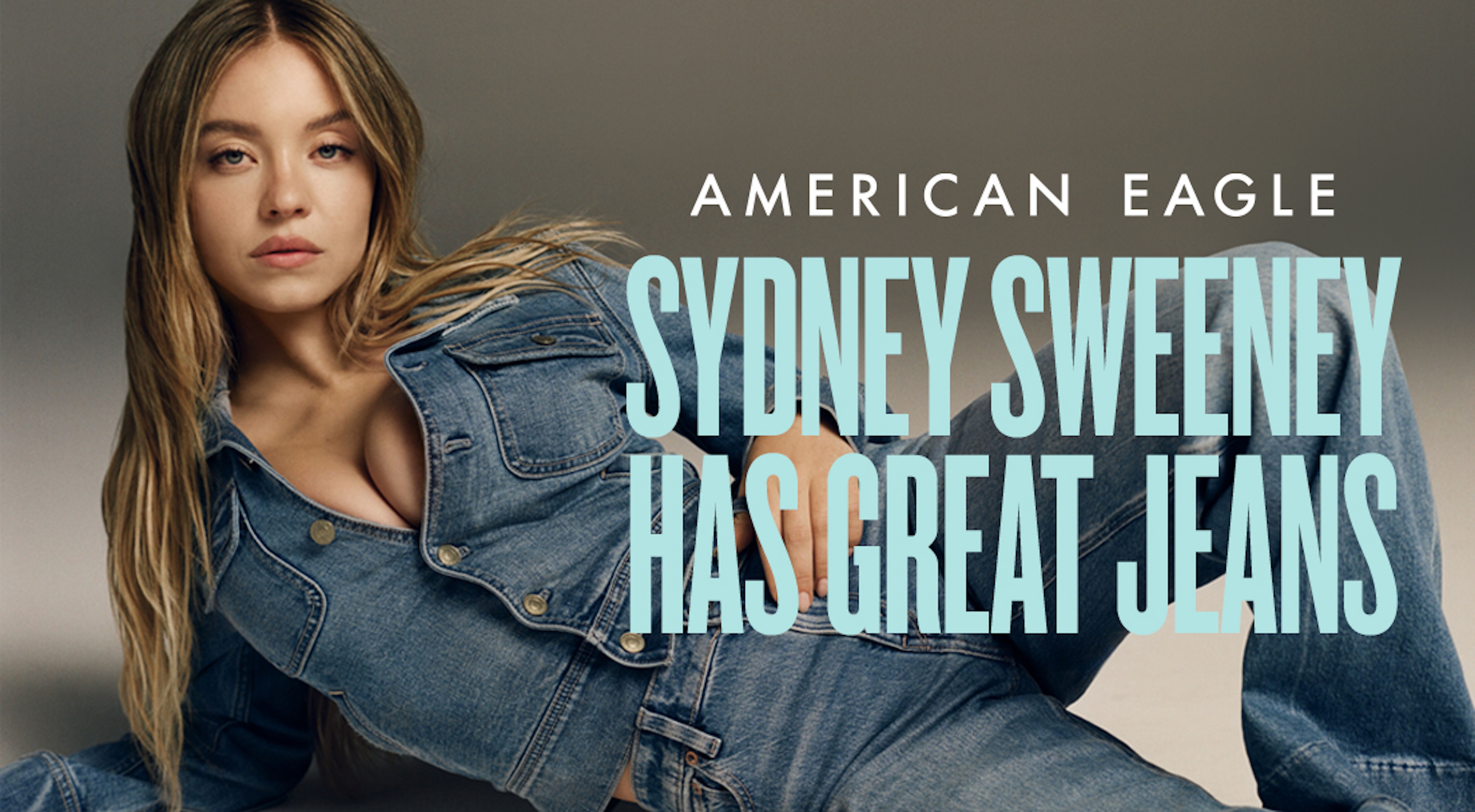
The Value of Long-Term Brand Equity
The “madness” surrounding American Eagle is a testament to the brand’s importance. People do not get angry at brands they don’t care about; they get angry at brands that have failed their expectations. This emotional investment is a double-edged sword, but it is also American Eagle’s greatest asset. By listening to the critiques and evolving its brand strategy to prioritize true transparency and consistent values, AEO has the opportunity to turn this period of backlash into a foundation for a more resilient and respected brand identity.
In conclusion, the reasons people are mad at American Eagle are rooted in the very things that made the brand successful: its promise of inclusivity, its image of authenticity, and its role as a cultural touchstone. When a brand invites consumers to “be real,” it must be prepared for those consumers to hold the brand to the same standard. The current friction is a loud signal that the modern consumer is no longer satisfied with the appearance of ethics; they demand the substance of it. For American Eagle, the challenge is not just to quiet the noise, but to listen to what the anger is actually telling them about the future of the brand.
aViewFromTheCave is a participant in the Amazon Services LLC Associates Program, an affiliate advertising program designed to provide a means for sites to earn advertising fees by advertising and linking to Amazon.com. Amazon, the Amazon logo, AmazonSupply, and the AmazonSupply logo are trademarks of Amazon.com, Inc. or its affiliates. As an Amazon Associate we earn affiliate commissions from qualifying purchases.