
In the realm of modern entertainment, few characters have achieved the ubiquitous recognition and cultural impact of the Minions. These small, yellow, gibberish-speaking creatures, central to the Despicable Me franchise, have transcended their animated origins to become global brand icons. While their on-screen antics and distinctive visual design are undeniably key to their appeal, a crucial element of their success lies in something far more subtle yet profoundly effective: their individual names. This article delves into the strategic importance of character naming within a branding context, exploring how the nomenclature of the Minions contributes to their memorability, distinctiveness, and ultimately, their immense commercial power.

The Genesis of Individuality: Naming as a Branding Strategy
The initial introduction of the Minions in Despicable Me presented them as a collective, a homogenous force serving Gru. However, as the franchise evolved, so too did the need to imbue these characters with distinct personalities. This evolution mirrors a fundamental principle in branding: creating relatable and memorable entities that resonate with audiences on an individual level. The process of naming these characters wasn’t arbitrary; it was a deliberate branding exercise designed to foster connection and facilitate narrative development.
From Collective to Individual: The Need for Distinction
When characters are first introduced, a collective identity can be effective. The Minions, as a group, provided comic relief and demonstrated Gru’s villainous (and later, heroic) endeavors. However, as the storytelling broadened, requiring specific Minions to take on more prominent roles, develop unique relationships, and even experience individual plot arcs, the need for individual recognition became paramount. Simply referring to them as “a Minion” or “the yellow guys” would have severely limited the audience’s ability to connect and differentiate.
The decision to name individual Minions was a strategic branding move. It allowed for:
- Character Development: Assigning names meant that specific Minions could be developed with unique traits, quirks, and motivations. This enabled them to become more than just background characters; they became individuals with their own stories.
- Audience Engagement: When audiences can attach a name to a character, they are more likely to form an emotional connection. Names provide a handle for identification, making it easier for viewers to follow specific characters, root for them, or even feel frustrated by their actions.
- Merchandising Opportunities: Distinctly named characters with recognizable personalities are invaluable for merchandise. From plush toys to t-shirts, each named Minion can become a sellable product, expanding the brand’s reach and revenue streams.
- Narrative Complexity: Having named characters allows for more intricate plotlines, rivalries, friendships, and character arcs. This depth is essential for sustaining a long-running franchise and keeping audiences invested.
The Art of Naming: Principles of Effective Character Nomenclature
The names chosen for the Minions, while seemingly simple, adhere to several principles of effective character naming within branding:
- Memorability and Pronunciation: The names are generally short, easy to pronounce, and have a playful, often slightly silly, sound. This makes them instantly memorable for children and adults alike. Think of names like Kevin, Stuart, and Bob – they are common, easily recalled, and roll off the tongue.
- Distinctiveness: While some names might share common phonetic elements, each named Minion possesses a name that, when associated with their visual characteristics and personality, becomes distinct. This prevents confusion and reinforces their individual identities.
- Evocative Qualities: While not overtly descriptive, the names often carry a subtle sense of playfulness, innocence, or even a hint of mischievousness, aligning perfectly with the Minions’ overall persona. They sound approachable and friendly, further enhancing their appeal.
- Cross-Cultural Appeal: The chosen names are largely international in their appeal. They are not overly specific to one language or culture, allowing the Minions to resonate with a global audience without significant linguistic barriers.
The Pantheon of Yellow: Prominent Minion Names and Their Significance
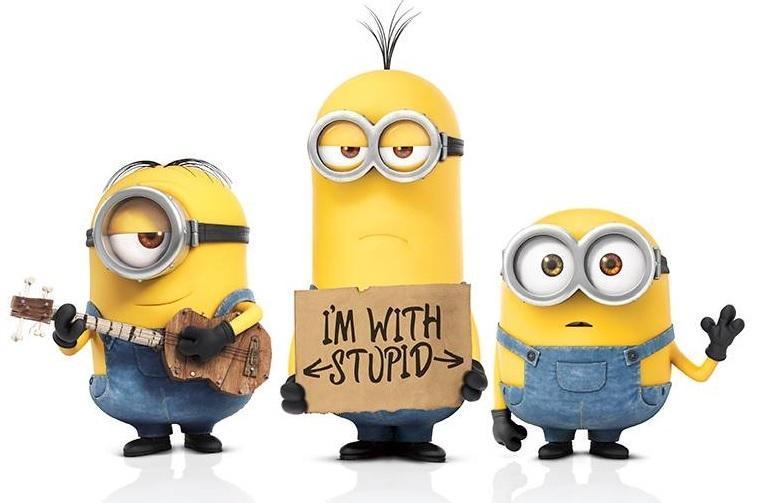
As the Despicable Me franchise has progressed, several Minions have emerged from the collective to become stars in their own right. Their names, coupled with their distinctive personalities and visual cues, have cemented their places in popular culture. Understanding these prominent names provides a practical case study in how character naming contributes to brand recognition and audience affection.
Kevin: The Tall, Ambitious Leader
Kevin is often depicted as the de facto leader among the Minions, characterized by his height, singular eye (though he sometimes sports two), and his often ambitious, though sometimes misguided, endeavors. His name, “Kevin,” is a classic, unassuming name that belies his often over-the-top aspirations. This juxtaposition creates a subtle humor and makes him relatable. Kevin’s role as a leader requires a name that feels somewhat grounded, providing a point of reference for the more chaotic actions of his brethren. His prominence allows him to be a consistent presence, a reliable anchor for the audience within the Minion ensemble. The name “Kevin” itself is widely recognized, making him instantly identifiable even to casual viewers.
Stuart: The Rebellious Guitarist

Stuart is instantly recognizable by his single eye, his often rebellious demeanor, and his passion for playing the electric guitar. His name, “Stuart,” possesses a slightly more laid-back, perhaps even cool, connotation. This aligns perfectly with his character’s penchant for rock and roll and his independent streak. Stuart’s name feels less formal than Kevin’s, fitting his more casual and often aloof attitude. His musical inclinations are a significant part of his branding, and his name complements this aspect, contributing to his image as the slightly enigmatic, rockstar Minion. The distinctiveness of his name, combined with his signature look and hobby, makes him highly memorable and a favorite among many fans.
Bob: The Innocent and Enthusiastic Child
Bob is perhaps the most endearing of the core Minions, easily identified by his two different-sized eyes and his generally sweet, innocent, and overwhelmingly enthusiastic disposition. His name, “Bob,” is inherently simple, almost childlike, and evokes a sense of uncomplicated sweetness. This perfectly captures Bob’s essence. He is often the most emotionally expressive, displaying a wide range of simple joys and fears. Bob’s name is easy for children to remember and pronounce, making him a highly accessible character for the franchise’s younger demographic. His name, coupled with his round, cute appearance and his tendency to carry a teddy bear, solidifies his image as the innocent heart of the Minion group, endearing him to a broad audience.
Other Notable Names and Their Impact
Beyond these three, a multitude of other Minions have been given names, each contributing to the richness of the Minion universe. Names like Dave, often seen with three hairs and two eyes, exhibits a more conventional, almost everyman Minion persona. Phil and Carl are other examples of names that are simple, easily recalled, and fit the general playful aesthetic. The proliferation of names, even for characters who may appear less frequently, reinforces the idea of a vast, individualistic community rather than a faceless horde. This extensive naming strategy serves to:
- Deepen the Lore: It suggests a complex society with a history and individual lives, even if these are not always fully explored on screen.
- Enhance Merchandise Potential: Each named Minion can be represented in different toys, collectibles, and apparel, allowing fans to collect their favorites.
- Facilitate Fan Engagement: Fans often develop their own favorites among the less prominent named Minions, fostering a deeper level of engagement with the franchise.
The Commercial Echo: How Minion Names Drive Brand Extension and Monetization
The strategic use of character names for the Minions is not merely an artistic choice; it is a powerful engine for brand extension and monetization. In the competitive landscape of entertainment marketing, well-named characters become invaluable assets that can be leveraged across various platforms and products, generating substantial commercial value.
From Screen to Shelf: The Merchandising Power of Named Characters
The most direct impact of Minion names on commercial success is through merchandise. When children (and adults) connect with a character like Bob, Kevin, or Stuart, they want to own a piece of that connection. This translates into a massive market for:
- Toys and Collectibles: Plush toys, action figures, LEGO sets, and blind bag collectibles all feature individual Minions by name and likeness. This allows fans to recreate scenes, invent new adventures, and express their preferences.
- Apparel and Accessories: T-shirts, hats, backpacks, and costumes adorned with specific Minion characters are hugely popular. The distinct names help consumers differentiate and choose their preferred Minion merchandise.
- Food and Beverage Products: Tie-ins with snacks, cereals, and even themed restaurant menus often feature specific Minions, making them recognizable and desirable for consumers.
- Stationery and School Supplies: Notebooks, pens, and lunchboxes bearing Minion names and images are commonplace, further embedding the characters into children’s daily lives.
The ability to name and differentiate individual Minions exponentially increases the potential for diverse product lines. Instead of generic “Minion” branded items, brands can offer “Kevin’s Big Adventure” themed backpacks or “Bob’s Huggable Plush,” creating more targeted and appealing products.
Beyond Toys: Brand Extension into New Ventures
The commercial power of named Minions extends far beyond traditional merchandise. Their iconic status, facilitated by their individual recognition, allows the brand to extend into new and lucrative areas:
- Theme Park Attractions: Universal Studios’ Minion Land and various rides are a testament to the enduring appeal of these characters. Specific Minions are often highlighted in these attractions, drawing visitors who are fans of those particular characters.
- Spin-off Films and Series: The success of Minions (2015) and the upcoming Minions: The Rise of Gru (2022) demonstrates the brand’s ability to sustain feature-length films centered on these characters. This wouldn’t be possible without their established identities and fan bases. Furthermore, the success of the Minions movie directly stemmed from the audience’s existing affection for these characters, a sentiment built on their individual naming and personalities.
- Video Games and Apps: Interactive entertainment leverages the distinct personalities of named Minions to create engaging gameplay experiences.
- Advertising and Sponsorships: The Minions’ broad appeal makes them ideal for advertising campaigns for a wide range of products, from fast food to financial services. Their recognizability, bolstered by their names, ensures immediate brand association and impact.
In essence, the names of the Minions are not just labels; they are crucial branding elements that transform a successful animated concept into a multi-billion dollar global phenomenon. By giving these creatures individual identities, the creators have fostered deep emotional connections with audiences, paving the way for unprecedented brand extension and commercial success. The story of the Minions’ names is a compelling case study in the enduring power of thoughtful character branding in the modern media landscape.
aViewFromTheCave is a participant in the Amazon Services LLC Associates Program, an affiliate advertising program designed to provide a means for sites to earn advertising fees by advertising and linking to Amazon.com. Amazon, the Amazon logo, AmazonSupply, and the AmazonSupply logo are trademarks of Amazon.com, Inc. or its affiliates. As an Amazon Associate we earn affiliate commissions from qualifying purchases.