
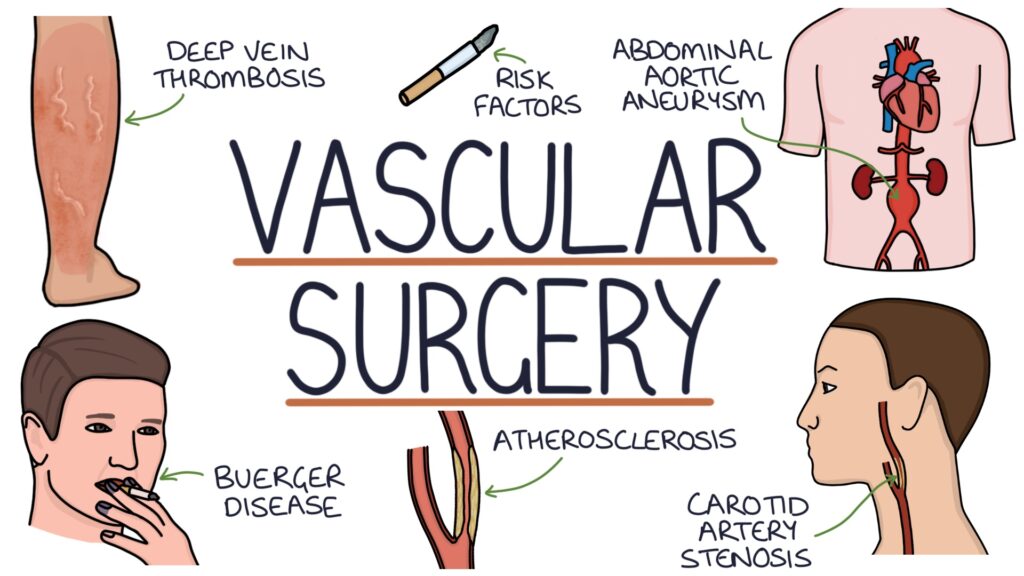
The question “What is a vascular surgeon?” delves into one of medicine’s most vital and complex specialties. Often misunderstood or overshadowed by more commonly recognized surgical fields, vascular surgery is dedicated to the diagnosis, treatment, and management of diseases affecting the body’s vascular system—arteries, veins, and lymphatic circulation. These intricate networks are crucial for transporting blood, oxygen, and nutrients throughout the body, and their dysfunction can lead to debilitating and life-threatening conditions such as atherosclerosis, aneurysms, peripheral artery disease, and deep vein thrombosis.
While the primary mission of a vascular surgeon is to restore health and improve the quality of life for their patients, understanding this profession fully also requires an exploration of its significant financial dimensions. From the substantial investment in education and training to the impressive earning potential, the operational economics of a practice, and its broader economic impact on healthcare systems and individual productivity, the role of a vascular surgeon is deeply intertwined with financial considerations. This article will unpack the essence of what a vascular surgeon is, not just through their clinical duties, but through the crucial financial lens that shapes their career, their practice, and their contribution to society.

The Formative Investment: The Cost of Becoming a Vascular Surgeon
Becoming a vascular surgeon is a testament to extraordinary dedication, intellectual rigor, and an immense financial commitment. The path is long, arduous, and costly, representing one of the most significant personal and financial investments an individual can make in their professional life. This journey requires years of intensive academic and practical training, each stage accumulating substantial expenses and opportunity costs that lay the foundation for a highly specialized and remunerative career.
The Long Road to Specialization: Education and Training Expenses
The initial step involves completing a four-year undergraduate degree, typically in a science-related field, which can incur significant tuition fees, living expenses, and textbook costs. Following this, aspiring vascular surgeons must navigate the highly competitive landscape of medical school admissions. Medical school itself is a grueling four-year program, where annual tuition at private institutions can easily exceed $60,000 to $70,000, while public universities, even for in-state residents, often range from $30,000 to $50,000 per year. Over four years, this translates to hundreds of thousands of dollars in tuition alone, not including living expenses, medical equipment, and exam fees.
Upon graduating from medical school, the journey continues with residency training. Traditionally, a vascular surgeon would complete a general surgery residency, which spans five to seven years, followed by a two-year fellowship specifically in vascular surgery. Newer “0+5” or “integrated” vascular surgery residencies combine both general and vascular training into a continuous five-year program. During residency and fellowship, residents receive a stipend, which, while providing a basic income, is typically far below the market value of their skills and hours worked, often barely covering living expenses in expensive urban areas where many major medical centers are located. This period, therefore, represents a further extension of deferred gratification and financial strain, despite the nominal income.
Opportunity Cost: The Foregone Income During Training
Beyond the direct costs of tuition and fees, one of the most substantial financial sacrifices in becoming a vascular surgeon is the opportunity cost. This refers to the income and career progression an individual foregoes by choosing the long, intensive path of medical training instead of entering the workforce directly after their undergraduate degree. For roughly 12 to 15 years (undergrad, med school, residency, fellowship), a future vascular surgeon is either accumulating debt or earning a modest stipend, while their peers in other professions may be building significant savings, investing, and advancing their careers. This deferred earning potential represents a hidden but enormous financial burden, where the compound interest on foregone income could easily amount to millions of dollars over the training period.
Student Loan Burden: Managing Medical School Debt
The cumulative effect of tuition, living expenses, and minimal income during training often results in medical school graduates entering their careers with substantial student loan debt. The average medical school debt for a U.S. graduate can range from $200,000 to over $300,000. For vascular surgeons, who typically spend additional years in fellowship, this debt may even increase further due to continued interest accrual and living expenses. Managing this significant debt burden upon entering practice becomes a critical financial planning challenge. While the high earning potential of a vascular surgeon eventually allows for aggressive debt repayment, the initial years are often marked by a careful balancing act between loan obligations, setting up a new practice (if self-employed), and personal financial goals.
Remuneration and Reward: The Earning Potential of a Vascular Surgeon
The substantial investment in time, effort, and capital required to become a vascular surgeon is eventually met with significant financial rewards. Vascular surgeons are among the highest-paid medical specialists, reflecting the immense skill, expertise, and responsibility their role demands. Their earning potential is a key aspect of defining “what is a vascular surgeon” in the economic sense, acknowledging the market value placed on their specialized services.
Salary Expectations: Factors Influencing Compensation
The compensation for a vascular surgeon is influenced by a multitude of factors. According to various medical compensation surveys (e.g., Doximity, Medscape), average annual salaries for vascular surgeons in the U.S. typically range from $400,000 to over $600,000, with experienced practitioners in high-demand areas potentially earning more. These figures represent base salaries and often include performance-based bonuses, call pay, and other incentives. Factors that significantly impact these figures include:
- Experience Level: Newly minted vascular surgeons earn less than those with decades of experience and an established patient base.
- Geographic Location: Surgeons practicing in urban areas with high demand or regions with a higher cost of living may command higher salaries. Underserved rural areas, despite lower cost of living, might offer competitive packages to attract specialists.
- Practice Setting: Employment by a hospital system, a large multi-specialty group, or private practice each offers different compensation models and benefits packages.
- Sub-specialization: While vascular surgery is already a sub-specialty, further niche expertise within the field (e.g., endovascular procedures, specific aneurysm repair) can command premium compensation.
- Procedural Volume and Complexity: A surgeon performing a high volume of complex, high-reimbursement procedures will generally earn more than one with a lower volume or less complex case mix.
Geographic and Practice Model Variations in Income
The practice model significantly shapes a vascular surgeon’s financial trajectory. Those employed by large hospital systems often receive a stable salary, comprehensive benefits (health insurance, retirement plans, malpractice insurance), and less administrative burden. However, their earning potential might be capped compared to their private practice counterparts.
Surgeons in private practice, either solo or as part of a small group, bear the financial risks and responsibilities of running a business but also have the potential for higher income, especially as their practice matures and patient volume grows. They directly benefit from efficient practice management, successful billing, and strong patient relationships. Hybrid models, where surgeons are employed but also share in the profits of their department or group, represent a middle ground.
The Value Proposition: High Demand, High Skill, High Reward
The high compensation of vascular surgeons reflects the immense value they bring to healthcare. The demand for their services is consistently strong, driven by an aging population and the increasing prevalence of chronic conditions like diabetes, hypertension, and obesity, which contribute to vascular disease. The skills required are exceptionally high, blending meticulous surgical technique with sophisticated diagnostic abilities and comprehensive medical management. Their procedures are often life-saving or limb-saving, directly preventing severe disability, extended hospital stays, and potentially premature death. This combination of critical demand, specialized skill, and profound patient impact justifies the significant financial reward associated with this demanding profession.
The Business of Vascular Health: Economic Models and Practice Management
Beyond individual earnings, understanding “what is a vascular surgeon” from a financial perspective also necessitates examining the economic infrastructure in which they operate. Whether employed by a hospital or running a private practice, vascular surgery is inherently a business, governed by economic principles of revenue generation, cost management, and market dynamics.
Practice Structures: Employed vs. Private Practice Financials
The choice of practice structure profoundly impacts a vascular surgeon’s financial operations. In hospital employment, the financial burden of overhead (facilities, equipment, staff salaries, malpractice insurance) falls on the hospital. The surgeon receives a salary and benefits, with less administrative responsibility. While this offers financial stability and predictable income, it may limit autonomy and potential for profit sharing. The hospital, in turn, benefits from the surgeon’s referrals, surgical volume, and the ability to offer comprehensive vascular services.

In private practice, the surgeon (or group of surgeons) is the owner and operator of the business. This entails significant upfront capital investment for office space, specialized equipment (ultrasound, angiography suites), electronic health record (EHR) systems, and initial staffing. Operating costs include rent, utilities, staff salaries, medical supplies, insurance (malpractice, property, liability), and compliance expenses. While private practice demands entrepreneurial acumen and carries financial risk, it offers greater control over clinical decisions, scheduling, and potentially higher profit margins if managed effectively. The financial success of a private practice relies heavily on efficient billing, robust patient acquisition, and judicious cost control.
Revenue Streams: Procedures, Consultations, and Ongoing Care
A vascular surgeon’s practice generates revenue primarily through:
- Surgical Procedures: This constitutes the largest portion of revenue. Procedures range from complex open surgeries (e.g., aortic aneurysm repair, carotid endarterectomy, bypass grafts) to minimally invasive endovascular interventions (e.g., angioplasty, stenting, embolization). Each procedure has a specific Current Procedural Terminology (CPT) code and corresponding reimbursement rate from insurance payers.
- Office Consultations and Follow-ups: Initial evaluations, pre-operative clearances, and post-operative care visits are billed as evaluation and management (E&M) services. These are crucial for building patient relationships and managing long-term vascular health.
- Diagnostic Testing: Many vascular practices include in-house diagnostic capabilities, such as vascular ultrasound or non-invasive arterial/venous studies. Performing these tests within the practice generates additional revenue and offers convenience for patients.
- Hospital Rounding and Consults: For hospitalized patients, vascular surgeons bill for daily inpatient management and consultations with other specialists.
Operational Costs: Equipment, Staffing, and Overhead
Running a modern vascular surgery practice involves substantial operational costs. Advanced diagnostic and surgical equipment, especially for endovascular procedures, requires significant capital outlay and ongoing maintenance. Staffing needs are extensive, including nurses, medical assistants, sonographers, administrative staff, billing specialists, and sometimes physician assistants or nurse practitioners. Malpractice insurance premiums for surgeons are notoriously high, reflecting the inherent risks and potential for litigation in surgical specialties. Furthermore, ongoing expenses like continuing medical education (CME), professional society dues, and technology upgrades (EHR maintenance, cybersecurity) contribute to the overall overhead. Effective financial management in a vascular practice involves continuously optimizing these costs without compromising patient care or efficiency.
Navigating Insurance and Reimbursement Challenges
A significant financial challenge for vascular surgeons and their practices is navigating the complex landscape of insurance reimbursement. The majority of revenue comes from third-party payers—private insurance companies, Medicare, and Medicaid. Reimbursement rates are constantly scrutinized and can fluctuate, impacting practice profitability. Issues such as prior authorization, denial management, coding compliance, and negotiating favorable contracts with insurance providers are critical financial functions. The shift towards value-based care models, where reimbursement is tied to patient outcomes rather than just volume of services, adds another layer of financial complexity, requiring practices to focus intensely on quality metrics and patient satisfaction.
The Broader Economic Impact of Vascular Surgery
The financial discussion around vascular surgeons extends beyond individual earnings and practice economics to encompass their profound impact on the wider healthcare system and national economy. The work of vascular surgeons contributes significantly to reducing overall healthcare costs, improving societal productivity, and driving innovation within medical technology.
Mitigating Long-Term Healthcare Costs Through Intervention
Vascular diseases, if left untreated, can lead to severe and costly complications such as strokes, heart attacks, kidney failure, amputations, and chronic wounds. These conditions often necessitate prolonged hospitalizations, extensive rehabilitation, long-term care, and ongoing medication, incurring astronomical healthcare expenditures. By performing timely and effective interventions—such as carotid endarterectomies to prevent strokes, peripheral bypasses to save limbs, or aneurysm repairs to avert rupture—vascular surgeons prevent these catastrophic outcomes. This prophylactic and therapeutic work reduces the incidence of expensive long-term disability, decreases the need for costly emergency care, and ultimately lowers the overall financial burden on patients, families, and the healthcare system.
Productivity Gains: Returning Patients to Work and Life
Beyond direct medical cost savings, vascular surgery significantly contributes to societal productivity. Patients suffering from severe vascular disease are often unable to work, engage in daily activities, or contribute to their communities. A successful vascular intervention can restore a patient’s health, mobility, and independence, allowing them to return to employment, resume their roles in their families, and re-engage in social and recreational pursuits. This return to productivity has a direct economic benefit, as individuals contribute to the tax base, reduce reliance on disability benefits, and participate in the consumer economy. The economic value of a healthy, productive workforce, enabled by specialized medical care, is substantial.
Technological Advancements and Their Financial Implications
Vascular surgery is a field characterized by rapid technological innovation, particularly in the realm of minimally invasive endovascular techniques. Advances in stent technology, guidewires, catheters, imaging systems, and robotic assistance continually push the boundaries of what is possible. While these technologies often come with high development and acquisition costs for hospitals and practices, they also offer significant financial advantages. Minimally invasive procedures can lead to shorter hospital stays, quicker recovery times, reduced post-operative complications, and a faster return to normal activities for patients. These efficiencies translate into cost savings for the healthcare system and improved patient satisfaction, reinforcing the economic value of investing in cutting-edge vascular care.
The Role in Public Health Economics
Vascular surgeons also play a crucial role in public health economics by addressing health disparities and contributing to population health management. By treating prevalent diseases that disproportionately affect certain demographics or regions, they help alleviate the economic burden of chronic illness on vulnerable populations. Their involvement in screening programs, community education, and advocating for preventive measures further underscores their broader economic impact, promoting long-term health and reducing future healthcare expenditures at a community level.
Financial Planning for Vascular Surgeons: Wealth Management and Future Security
Given the unique financial journey of a vascular surgeon—characterized by significant initial debt, delayed gratification, and then high earning potential—strategic financial planning is not just advisable but essential. Understanding “what is a vascular surgeon” from a financial perspective includes recognizing the need for robust wealth management to secure their future and leverage their professional success.
Strategic Debt Repayment and Investment Strategies
Upon entering practice, a vascular surgeon faces the critical task of managing substantial student loan debt. Strategic approaches often involve aggressive repayment plans, potentially leveraging refinancing options to secure lower interest rates, or exploring income-driven repayment plans if personal circumstances warrant. Simultaneously, it’s crucial to begin investing. Given their relatively late start in aggressive savings compared to other professions, vascular surgeons benefit from maximizing contributions to tax-advantaged retirement accounts (401(k), 403(b), SEP IRA, etc.) and exploring diversified investment portfolios. Early engagement with a financial advisor specializing in high-income professionals can be invaluable for balancing debt repayment with long-term wealth accumulation.
Retirement Planning and Legacy Building
Despite a late start, the high income of vascular surgeons allows for rapid acceleration of retirement savings. Developing a comprehensive retirement plan is paramount, often involving a blend of traditional and Roth retirement accounts, taxable brokerage accounts, and potentially real estate investments. Beyond personal retirement, many surgeons consider legacy planning—establishing trusts, gifting strategies, and philanthropic endeavors. The substantial financial capacity of a vascular surgeon allows them to not only secure their own future but also to create lasting impact through generational wealth transfer or charitable contributions.
Financial Independence: Leveraging High Income Professionally
Ultimately, financial planning for a vascular surgeon is about achieving financial independence. This allows for greater professional autonomy, the ability to make career choices driven by passion rather than solely income, and the flexibility to transition into retirement on their own terms. It also enables them to manage potential career longevity issues, as the physical demands of surgery may necessitate a shift in practice focus later in their careers. By understanding and strategically managing the financial aspects of their demanding profession, vascular surgeons can ensure that their immense dedication and skill translate not only into profound patient care but also into a secure and prosperous financial future for themselves and their families.
In conclusion, “what is a vascular surgeon” is a question that reveals a complex individual—a highly trained medical professional, a meticulous technician, a compassionate healer, and, critically, a significant economic actor. Their journey is a profound financial investment, their services command high value, their practices are intricate businesses, and their impact reverberates throughout the broader economy and public health landscape. By examining the financial dimensions of this critical medical specialty, we gain a more complete and insightful understanding of the indispensable role a vascular surgeon plays in modern healthcare.
aViewFromTheCave is a participant in the Amazon Services LLC Associates Program, an affiliate advertising program designed to provide a means for sites to earn advertising fees by advertising and linking to Amazon.com. Amazon, the Amazon logo, AmazonSupply, and the AmazonSupply logo are trademarks of Amazon.com, Inc. or its affiliates. As an Amazon Associate we earn affiliate commissions from qualifying purchases.