
Sharpie markers are ubiquitous. Their bold, permanent ink is a powerful tool for creative expression, labeling, and making clear, indelible marks. However, this very permanence can become a problem when Sharpie ink finds its way onto surfaces where it’s not intended. Whether it’s an accidental mark on furniture, a slip of the pen on a whiteboard, or a design that needs a do-over, knowing how to effectively remove Sharpie ink is a valuable skill. This article delves into the technical aspects of Sharpie removal, focusing on the science behind the ink and the properties of various solvents and techniques that can break down its resilient pigment.
The Science of Sharpie Ink and Adhesion
Understanding why Sharpie ink is so persistent is key to effectively removing it. Sharpie ink is not a single, simple compound. It’s a carefully formulated mixture designed for durability and vibrancy.
Pigments and Dyes
At its core, Sharpie ink consists of colorants – either pigments or dyes – suspended or dissolved in a carrier liquid. Pigments are insoluble particles that sit on the surface of the material they color, while dyes are soluble and chemically bond with the material. Sharpie uses a blend of both to achieve its characteristic opacity and permanence. The colorants are chosen for their lightfastness and resistance to fading.
Solvents and Binders
The liquid component of Sharpie ink is a solvent system, typically an alcohol-based mixture, often including ethanol, isopropanol, or n-propanol. These solvents are volatile, meaning they evaporate quickly, leaving the colorants behind. This rapid evaporation is what allows the ink to dry so fast.
Crucially, Sharpie inks also contain binders, which are resinous or polymeric substances. These binders help the ink adhere strongly to the surface. They form a protective layer that shields the colorants from abrasion and chemical attack, contributing significantly to the ink’s permanence. The specific type of binder used is often proprietary, but it’s designed to create a robust, often slightly glossy, finish once dry.
Surface Interaction
The effectiveness of Sharpie ink lies in its ability to interact with a wide range of surfaces. The solvents in the ink can slightly etch or penetrate porous surfaces like paper or unfinished wood, allowing the binders and colorants to embed themselves. On non-porous surfaces like plastic, glass, or laminate, the binders create a strong physical bond, essentially clinging to microscopic irregularities on the surface. This combination of penetration and adhesion makes Sharpie ink notoriously difficult to remove with just water or simple wiping.
Solvents and Their Mechanisms of Action
The effectiveness of any Sharpie removal method hinges on the solvent’s ability to interact with and break down the ink’s components. Different solvents work through various mechanisms.
Dissolution
The most straightforward mechanism is dissolution. Polar solvents, like alcohols, are effective at dissolving polar components within the ink. The alcohol in Sharpie ink itself is a prime example. When you apply a more potent alcohol-based solvent (like rubbing alcohol), it can re-dissolve the ink binders and colorants, allowing them to be wiped away. Non-polar solvents, such as mineral spirits or turpentine, might be effective against oil-based components, though less common in standard Sharpie formulations.
Swelling and Softening
Some solvents work by swelling or softening the binders in the ink. This process loosens the ink’s grip on the surface, making it easier to lift and remove. This is particularly relevant for tougher inks or when the ink has been on a surface for a long time. Solvents that can penetrate and interact with the polymeric binders are ideal here.
Evaporation and Re-wetting
The rapid evaporation of Sharpie ink is a double-edged sword. While it contributes to its permanence, it also means that any liquid applied to remove it needs to be able to re-wet the ink effectively before it evaporates. This is why persistent application or allowing a solvent to dwell on the ink can be more successful than quick wipes.
Chemical Reactions
In some cases, solvents might facilitate mild chemical reactions that break down the ink’s components. For instance, certain acidic or alkaline compounds can hydrolyze or otherwise degrade the organic molecules in the binders or colorants. However, most common household removers rely on physical dissolution and softening rather than aggressive chemical breakdown.
Common Household and Specialized Removers
The search for “what removes Sharpie” often leads to a variety of readily available products. The effectiveness of these products is directly related to their chemical composition and their ability to exploit the properties of Sharpie ink.
Alcohol-Based Solutions
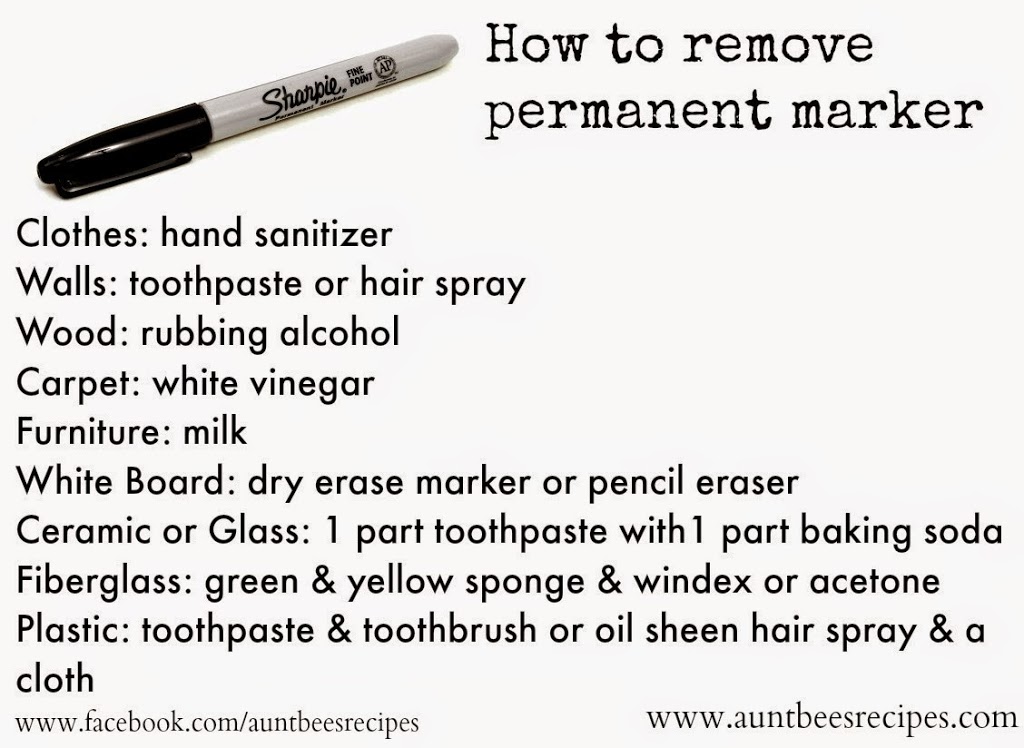
- Rubbing Alcohol (Isopropyl Alcohol): This is often the first line of defense and one of the most effective household remedies. Its alcohol content (typically 70% or 91%) acts as a solvent, re-dissolving the ink binders and colorants. Applying it with a cotton ball or cloth and rubbing vigorously is a common technique. The higher the concentration of alcohol, the more potent its solvent capabilities.
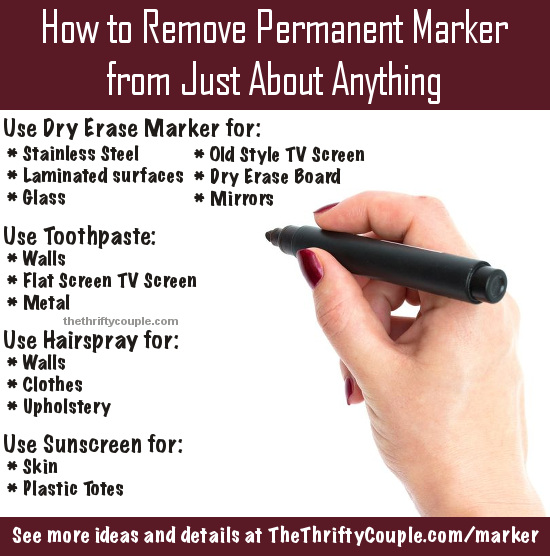
- Hand Sanitizer: Most hand sanitizers have a high alcohol content, making them surprisingly effective in a pinch. The gel consistency can also help it adhere to vertical surfaces, allowing it to work for a short period.
Other Common Household Items
- Nail Polish Remover (Acetone): Acetone is a powerful solvent that can break down many organic compounds, including some binders used in inks. However, acetone is also a strong solvent that can damage or discolor certain plastics and finishes. It should be used with extreme caution and tested on an inconspicuous area first.
- Hairspray: Many hairsprays contain alcohol, which is the active ingredient for removing Sharpie. The propellant also helps to agitate the ink, aiding in its removal. Similar to rubbing alcohol, its effectiveness depends on the alcohol content.
- Toothpaste (Non-gel): Non-gel, paste-type toothpastes often contain mild abrasives and sometimes baking soda, which can help to gently scrub away ink. The slight abrasiveness can lift ink particles, while the other components might aid in dissolving or lifting.
- Baking Soda Paste: A paste made from baking soda and water can act as a mild abrasive and absorbent. While not a strong solvent, it can help to lift surface ink, especially when combined with gentle scrubbing.
Specialized Cleaners
- Magic Eraser (Melamine Foam): Melamine foam is a micro-abrasive material. When wet, it acts like extremely fine sandpaper, physically abrading away the ink. It’s very effective on smooth, non-porous surfaces but can dull finishes with overuse. The physical removal mechanism is its primary function.
- WD-40: While often marketed as a lubricant and rust preventative, WD-40 is a solvent-based product. Its petroleum distillates can help to dissolve and lift ink. It’s particularly useful on non-porous surfaces but can leave an oily residue that needs to be cleaned afterward.
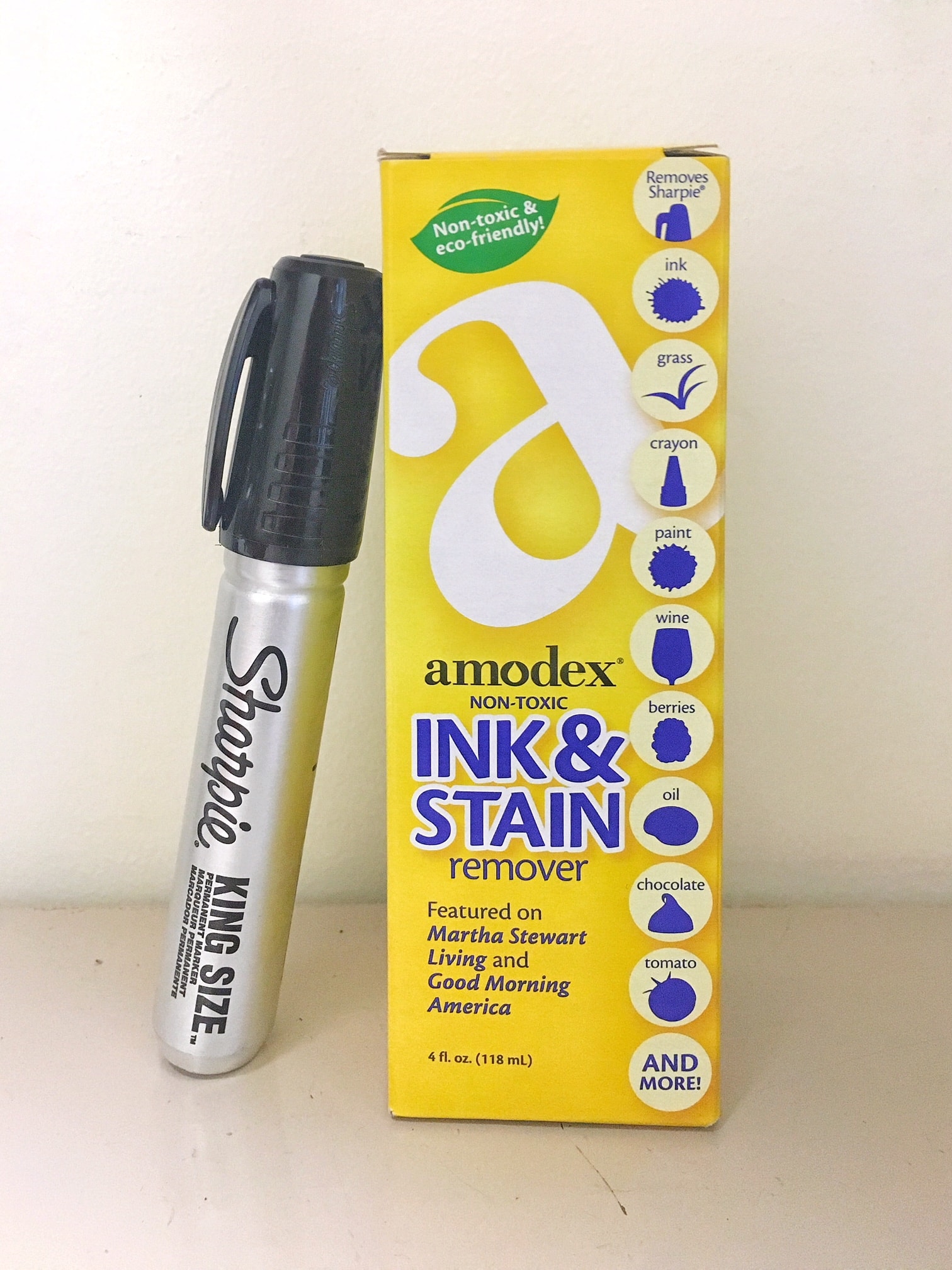
- Commercial Ink Removers: There are products specifically formulated for ink removal. These often contain a blend of solvents designed to be effective on a variety of inks while being safe for specific surfaces. Their formulations are typically more aggressive or targeted than household items.
Techniques and Surface Considerations
The method of application and the nature of the surface being cleaned are as critical as the choice of remover. Applying the wrong technique or product to a sensitive surface can lead to damage.
The Dwell Time Principle
One of the most important techniques for stubborn Sharpie marks is allowing the solvent adequate “dwell time.” Instead of immediately wiping, apply the remover and let it sit on the ink for a few minutes. This allows the solvent to penetrate and begin breaking down the binders and colorants. The ink effectively becomes “re-wet,” making it easier to lift.
Blotting vs. Scrubbing
The approach to removal should vary based on the surface.
- Porous Surfaces (e.g., unvarnished wood, fabric, paper): For these, gentle blotting is often preferred to prevent spreading the ink further into the material. Applying a solvent to a cotton ball and dabbing the ink can lift it without pushing it deeper. Repeated applications may be necessary. Aggressive scrubbing can damage the fibers or surface.
- Non-Porous Surfaces (e.g., glass, laminate, finished wood, metal): On these surfaces, scrubbing with a soft cloth or sponge is usually acceptable. For very stubborn marks, a slightly more abrasive pad (like the rough side of a kitchen sponge, used gently) can be employed. Care must be taken not to scratch the underlying finish.
Testing for Surface Compatibility
Before applying any cleaning agent, especially stronger ones like acetone or specialized cleaners, it’s crucial to test on an inconspicuous area of the surface. This will reveal if the remover will cause discoloration, etching, or damage to the material. This is particularly important for painted surfaces, plastics, and delicate finishes.
Layering and Combination Approaches
Sometimes, a single product isn’t enough. For particularly difficult Sharpie marks, a layered approach can be effective. For example, one might use rubbing alcohol to dissolve the bulk of the ink and then follow up with a gentle abrasive like toothpaste or a Magic Eraser for any remaining residue.
Environmental Factors
Temperature can also play a role. In cooler environments, solvents may evaporate more slowly, allowing for longer dwell times. Conversely, in very hot conditions, rapid evaporation might necessitate quicker application and wiping cycles.
By understanding the chemistry of Sharpie ink and the mechanisms by which various solvents and techniques work, you can confidently tackle those unwanted marks and restore surfaces to their original condition. The key is to select the appropriate remover for the surface type and to employ patient, methodical application.
aViewFromTheCave is a participant in the Amazon Services LLC Associates Program, an affiliate advertising program designed to provide a means for sites to earn advertising fees by advertising and linking to Amazon.com. Amazon, the Amazon logo, AmazonSupply, and the AmazonSupply logo are trademarks of Amazon.com, Inc. or its affiliates. As an Amazon Associate we earn affiliate commissions from qualifying purchases.