
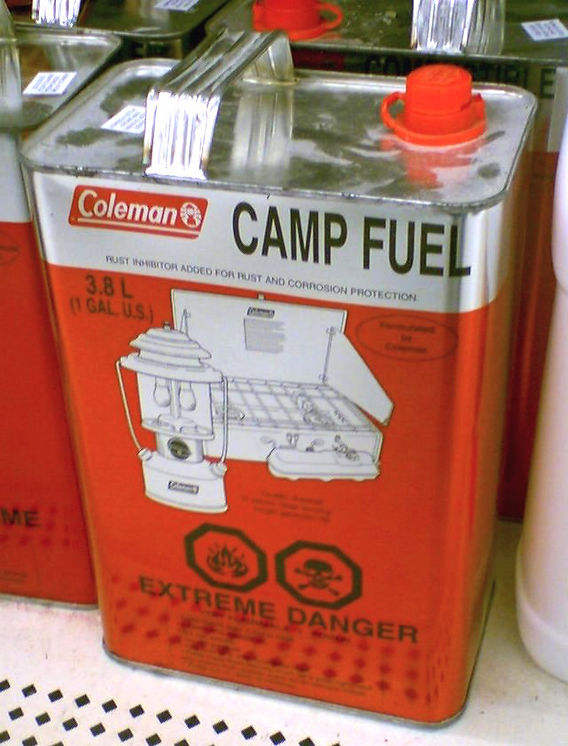
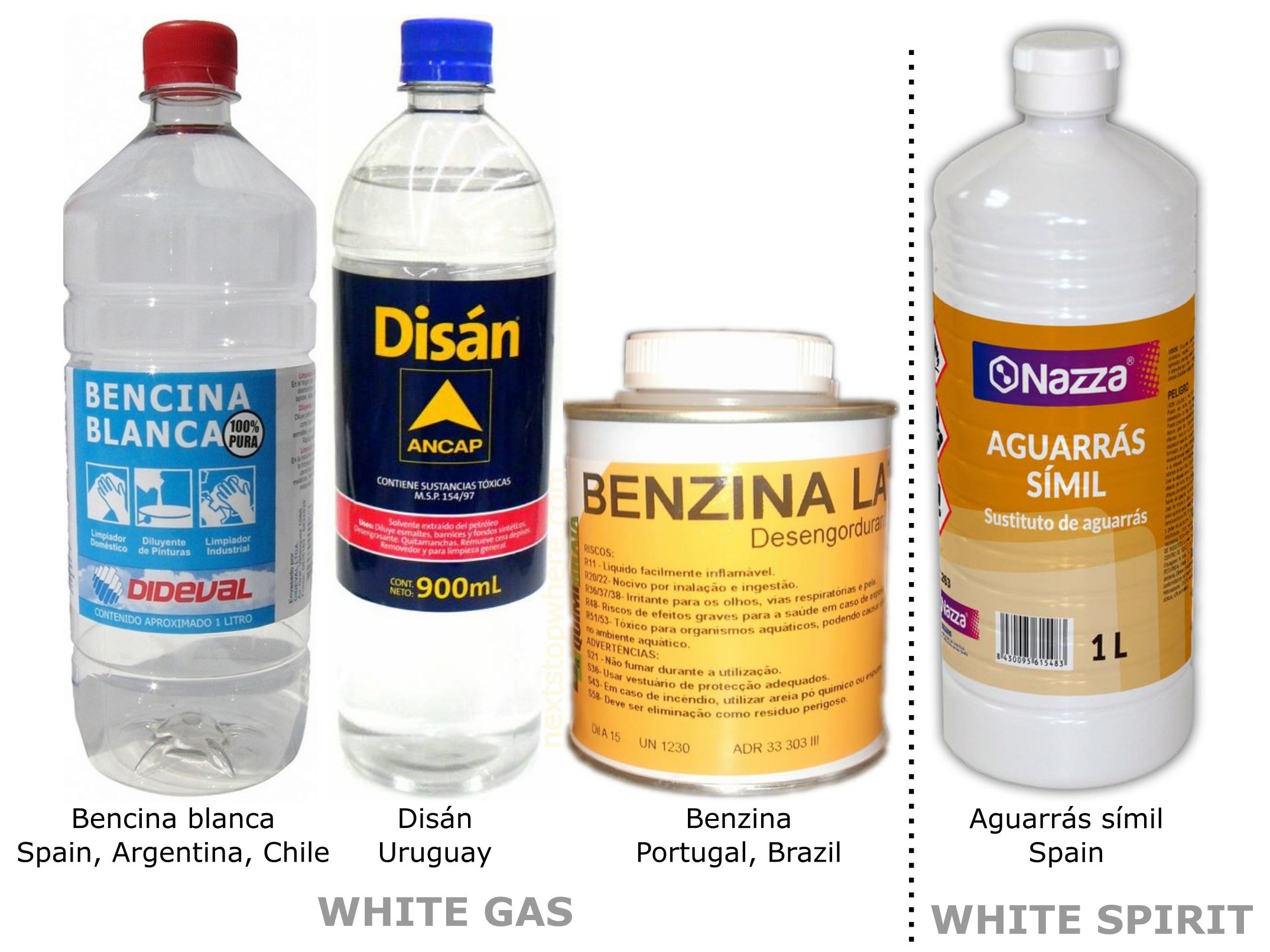
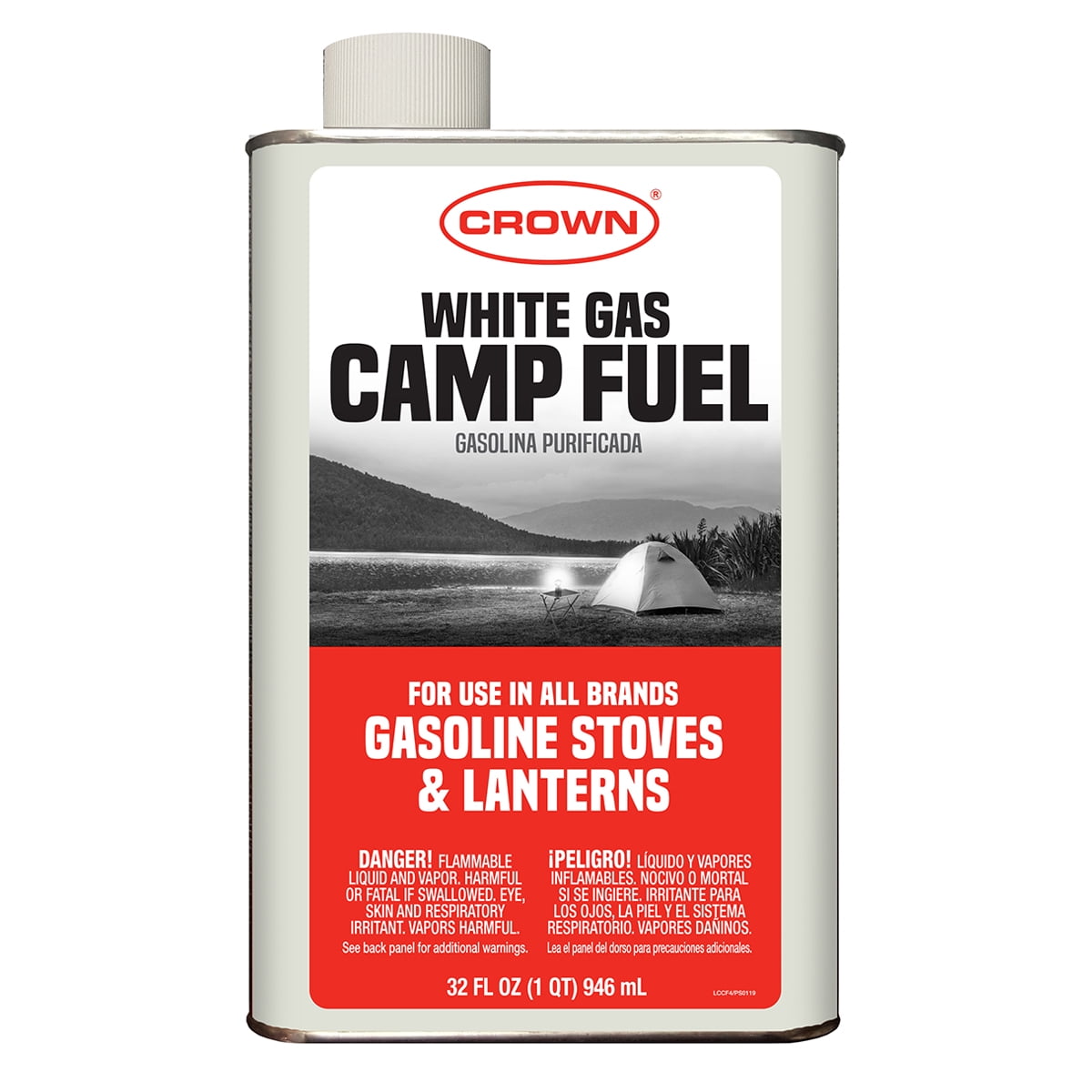
In the realm of portable energy and outdoor engineering, few substances have maintained their relevance as consistently as white gas. Often referred to generically as “camp fuel” or specifically by the brand name “Coleman Fuel,” white gas represents a specialized pinnacle of petroleum refining. Unlike the gasoline used in internal combustion engines for transport, white gas is a highly refined, additive-free liquid hydrocarbon designed for a very specific technological application: pressurized combustion in portable stoves and lanterns. Understanding what white gas is requires an exploration of chemical engineering, thermodynamics, and the mechanical evolution of outdoor hardware.
The Chemical Composition and Technical Profile of White Gas
At its core, white gas is a liquid petroleum product that falls under the broader category of “naphtha.” However, calling it mere naphtha oversimplifies the rigorous technical standards required for its production. In the hierarchy of refined fuels, white gas sits in a unique position due to its purity and its specific boiling range.
Understanding Naphtha-Based Hydrocarbons
White gas is primarily composed of pentanes and hexanes. These are relatively small hydrocarbon molecules that allow the fuel to remain liquid at room temperature but transition into a gaseous state with minimal thermal intervention. From a chemical perspective, the “white” in its name refers to its clear, colorless appearance, which signifies the absence of the dyes and anti-knock additives—such as tetraethyllead or modern detergents—found in automotive fuels. These additives are essential for car engines but are catastrophic for the precision components of portable heating technology.
Why Purity Matters in Combustion Technology
The technological superiority of white gas lies in its clean-burning properties. In the context of a pressurized stove, the fuel must travel through a very narrow “generator” tube where it is heated by the flame it eventually feeds. If the fuel contained the heavy additives or impurities found in unleaded gasoline, those chemicals would undergo thermal cracking, leaving behind carbon deposits (clogging) inside the generator. White gas is engineered to vaporize completely without leaving residue, ensuring that the mechanical orifices of the device—often as small as a fraction of a millimeter—remain clear over hundreds of hours of operation.
Mechanical Synergy: How Stoves Leverage White Gas Technology
White gas does not burn in its liquid state; rather, it requires a sophisticated mechanical system to facilitate efficient combustion. The relationship between the fuel and the stove hardware is a masterclass in portable mechanical engineering.
The Pressurization and Vaporization Process
Modern white gas stoves utilize a hand-operated pump to pressurize the fuel bottle. This pressure forces the liquid fuel through a fuel line and into the generator. Before the stove can operate efficiently, it must undergo “priming.” This involves a small amount of liquid fuel being ignited to heat the metal generator tube.
Once the tube reaches a specific thermal threshold, the liquid fuel passing through it flash-vaporizes into a gas. This gas then exits through a jet, mixes with oxygen in a venturi tube, and ignites at the burner head. This process—liquid to gas via heat exchange—is what allows white gas to produce a high-intensity, blue flame that can reach temperatures exceeding 2,500 degrees Fahrenheit, far outperforming the technological capabilities of simple wick-based or unpressurized systems.
Comparison with Isobutane and Unleaded Gasoline
When evaluating white gas as a technology, it is often compared to isobutane canisters. While canisters offer “plug-and-play” convenience, they rely on the internal pressure of the gas to function. As the temperature drops, that pressure fails. White gas, however, relies on mechanical pressure provided by the user. This makes it a “forced” system, meaning its performance is independent of ambient pressure or temperature—a critical technical advantage for high-altitude or polar expeditions. Furthermore, compared to unleaded gasoline, white gas has a lower flash point and a higher volatility, making it safer for the specific type of “pre-heating” required by portable hardware.
Engineering for Extreme Environments
The choice of white gas is rarely a matter of convenience; it is a choice driven by environmental variables and the technical demands of survival and exploration. Its performance in extreme conditions is where its chemical engineering truly shines.
Cold Weather Performance and Thermal Stability
One of the most significant technical hurdles in portable energy is the “boiling point” of the fuel. At sub-zero temperatures, many liquid and gaseous fuels lose their ability to vaporize. White gas has a remarkably low boiling point and remains fluid even in temperatures as low as -40 degrees Fahrenheit. Because the user provides the pressure through a pump, the stove can be operated in conditions where a butane canister would be completely inert. This reliability makes white gas the gold standard for mountaineering technology and military cold-weather operations.
Altitude and Atmospheric Pressure Considerations
As altitude increases, atmospheric pressure decreases. This affects the air-to-fuel ratio required for efficient combustion. White gas stoves are often designed with interchangeable jets or adjustable air intakes, allowing the user to “tune” the hardware to the environment. The high energy density of white gas—approximately 45 megajoules per kilogram—means that less fuel is required to boil water at high altitudes than almost any other portable fuel source, optimizing the weight-to-performance ratio for technical expeditions.
Maintenance and Longevity of Fuel Systems
From a technical maintenance standpoint, white gas is remarkably stable. Unlike automotive gasoline, which can “varnish” or degrade within months due to ethanol content and oxidation, white gas has a shelf life that can extend beyond five to ten years when stored in a sealed metal container. This stability is due to the lack of unsaturated hydrocarbons that react with oxygen over time. For emergency preparedness and long-term technological reliability, this makes white gas a superior choice for mechanical systems that may sit idle for years before being called into service.
Safety Protocols and Modern Storage Innovations
Handling a highly volatile liquid fuel requires advanced safety engineering, both in the fuel’s formulation and in the containers used to transport it.
Flash Points and Volatility Metrics
The “flash point” is the lowest temperature at which a liquid can form an ignitable mixture in the air. White gas has a flash point of approximately -40°F (-40°C), making it extremely volatile. From a safety-tech perspective, this requires the use of specialized gaskets and seals in stove pumps, typically made from Viton or high-grade Nitrile, which can resist the solvent properties of the naphtha while maintaining a pressure-tight seal.
Advances in Container Technology
The evolution of fuel storage has moved from heavy tin cans to lightweight, extruded aluminum bottles. These bottles are engineered to withstand significant internal pressure increases caused by thermal expansion without rupturing. Modern fuel bottles often feature child-resistant, leak-proof caps and interior linings that prevent the fuel from reacting with the aluminum. This “storage tech” is as vital as the fuel itself, ensuring that the energy remains contained until the exact moment of combustion.
The Future of Portable Energy and Liquid Fuels
As the world pivots toward electrification and renewable energy, the niche for white gas is shifting. However, its role in specialized technology remains secure due to its unmatched energy density.
Bio-based Alternatives and Synthesis
Research is currently underway to develop “green” versions of naphtha-based fuels. By synthesizing hydrocarbons from biomass or captured atmospheric carbon, engineers aim to create a drop-in replacement for white gas that maintains its high-performance characteristics while reducing the carbon footprint of its production. These synthetic fuels would allow existing stove technology—which is incredibly durable and can last for decades—to remain relevant in a post-fossil-fuel economy.
The Role of Liquid Fuel in an Electric World
While battery technology has revolutionized portable lighting (LEDs), it has yet to conquer the challenge of high-wattage heating in remote areas. The energy required to melt snow for water or provide warmth in an alpine environment exceeds what current lithium-ion technology can provide at a reasonable weight. Therefore, white gas remains a critical “bridge technology.” It fills the gap where electrical density fails, providing a reliable, high-output thermal solution that can be repaired in the field with basic tools.
In conclusion, white gas is not merely a relic of a pre-electric era; it is a highly refined chemical tool engineered for reliability and performance in the most demanding environments on Earth. From its precise molecular structure to the mechanical hardware it powers, white gas represents a sophisticated intersection of chemistry and engineering that continues to set the standard for portable thermal energy.
aViewFromTheCave is a participant in the Amazon Services LLC Associates Program, an affiliate advertising program designed to provide a means for sites to earn advertising fees by advertising and linking to Amazon.com. Amazon, the Amazon logo, AmazonSupply, and the AmazonSupply logo are trademarks of Amazon.com, Inc. or its affiliates. As an Amazon Associate we earn affiliate commissions from qualifying purchases.