
The allure of church stained glass is undeniable. Sunlight, filtered through vibrant, artfully arranged panes of glass, transforms austere interiors into ethereal sanctuaries, bathing worshippers in a kaleidoscope of colors. These windows are more than just decorative elements; they are potent storytelling devices, theological treatises rendered in light and pigment, and integral components of a church’s enduring brand. But when we refer to these magnificent creations, what is the precise terminology? What are the specific names for the artistic styles, the individual elements, and the overall craft? Understanding these terms unlocks a deeper appreciation for the brand identity that stained glass imbues into sacred architecture.

The Genesis of Sacred Light: Understanding the Craft and its Terminology
The art of creating stained glass has a rich and storied history, dating back to the early days of Christianity. Its evolution is intertwined with the development of architectural styles and theological expression. The names associated with this craft reflect its intricate processes, the materials used, and the historical periods of its flourishing. For any institution, particularly one as ancient and symbolically rich as a church, these artistic elements are not mere embellishments but rather deliberate choices that contribute to its overarching brand narrative and distinctiveness.
From Raw Material to Radiant Art: The Process and Its Nomenclature
The journey of a stained-glass window begins with humble sand. This silica, when mixed with various metallic oxides and heated to extreme temperatures, transforms into molten glass. The specific metallic oxides dictate the color. For instance, cobalt yields blue, iron creates greens and browns, and manganese produces purples. This colored glass is then carefully selected and cut into the desired shapes, forming the individual pieces of the mosaic.
- Sheet Glass: This refers to the colored glass produced in flat sheets, which is the fundamental building block of stained glass. Historically, this was often mouth-blown, leading to variations in thickness and texture, adding to the character of older windows.
- Glass Cutting: The process of shaping the colored sheets into specific pieces required for the design. Precision is paramount, as each piece must fit perfectly.
- Leading: This is the process of joining the cut pieces of glass. Strips of pliable metal, typically lead came (hence the name “stained glass” – a misnomer, as the color is in the glass itself, not the lead), are grooved to hold the edges of the glass pieces. These lead strips are then soldered together at their junctions, forming the structural framework of the window.
- Soldering: The act of joining the lead came at the intersections using a molten alloy, usually tin and lead, to create a strong and durable bond.
- Cementing (Optional): In some cases, a putty-like cement is applied to the back of the leaded panels to fill any gaps between the glass and the lead, providing additional strength, waterproofing, and preventing rattling.
These fundamental processes, and the terms associated with them, are crucial for understanding the craftsmanship involved. For a church, commissioning or maintaining these windows is an investment in a tangible representation of its heritage and artistic dedication – a key aspect of its brand identity.
The Anatomy of a Sacred Narrative: Elements of Stained Glass Design
Beyond the technical execution, the design and iconography of church stained glass are rich with symbolic meaning. The elements within a window, and their arrangement, communicate theological messages, biblical stories, and the spiritual values of the institution. Understanding these elements is akin to deciphering the visual language of a church’s brand.
- Grisaille: This is a technique using a special glass paint, often black or brown, composed of ground glass, iron or copper filings, and a fluxing agent. It is applied to the surface of the glass and then fired in a kiln, fusing the paint to the glass. Grisaille is used for outlining, detailing facial features, drapery, and adding shading and texture. It allows for intricate representational detail that is impossible with colored glass alone.
- Stop-Off Glaze: A technique where a layer of a lighter colored glaze is applied over a darker colored glass, and then parts of the lighter glaze are removed, revealing the darker color beneath. This is used to create subtle tonal variations and highlights.
- Cames: As mentioned earlier, these are the H-shaped strips of lead used to hold the pieces of glass together. The width and profile of the cames can subtly influence the overall visual weight and aesthetic of the window.
- Quarries: These are the diamond or square-shaped panes of glass that were common in early stained glass, often filled with intricate floral or geometric patterns. While less common in figural windows, they still form a fundamental unit in many decorative stained glass designs.
- Roundels: Small, circular pieces of glass, often used for specific details or as decorative elements within a larger design.
The choice of which biblical figures to depict, which saints to honor, or which theological concepts to illustrate directly shapes how visitors perceive the church. Is it a brand focused on solemnity and tradition, or one that emphasizes the joyous narratives of faith? The stained glass answers.
Styles of Sacred Artistry: A Brand Evolution Through Time
The evolution of stained glass artistry mirrors the evolution of artistic movements and architectural periods. Each era brought its own stylistic preferences, techniques, and thematic concerns, contributing to a unique brand identity for the churches of that time. Recognizing these styles allows us to appreciate the historical context and the evolving visual language of religious institutions.
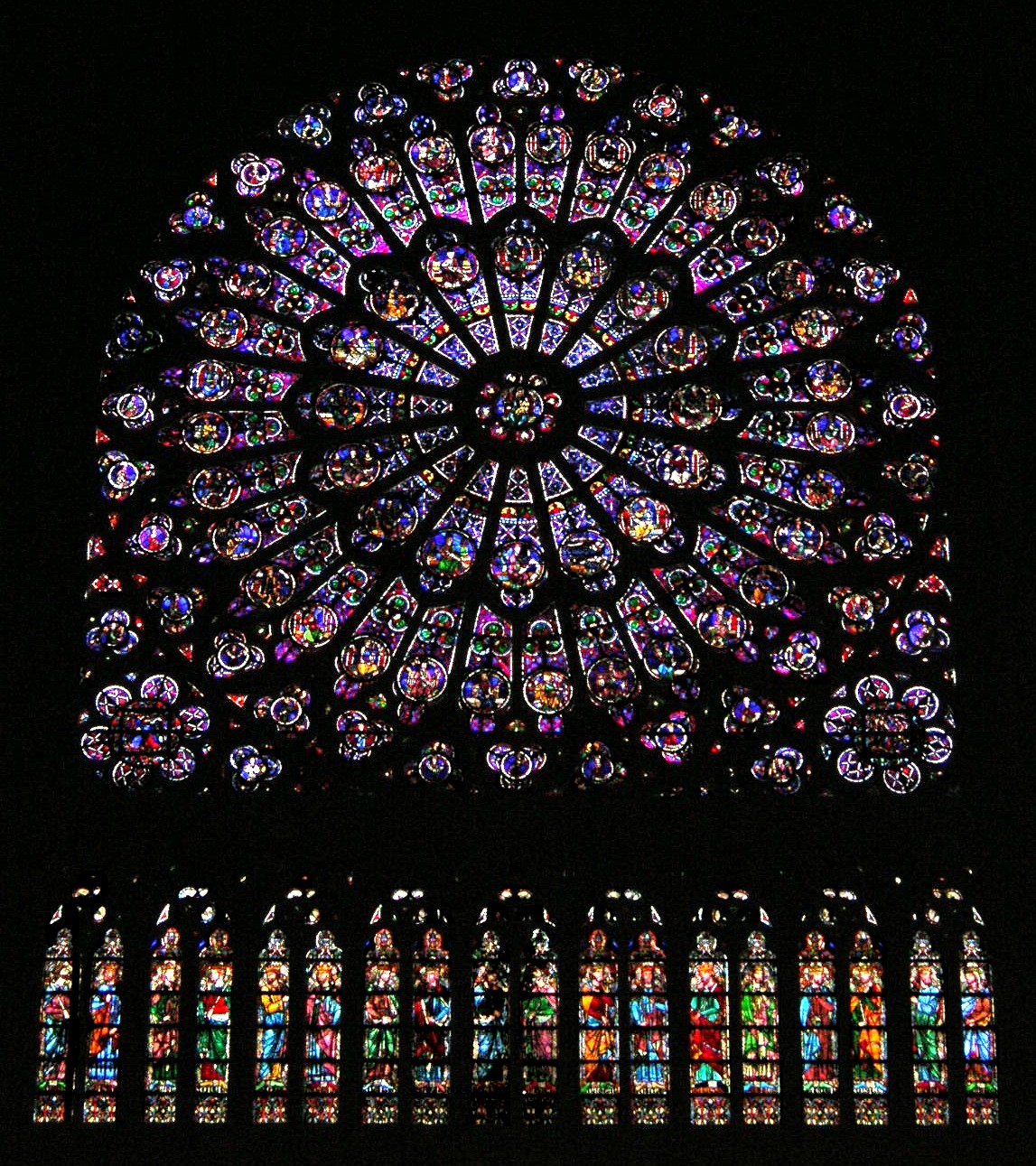
Early Gothic and the Dawn of Narrative Windows (12th – 13th Centuries)
The Gothic period is often considered the golden age of stained glass. As cathedrals grew taller and more light-filled, windows became larger, providing ample space for elaborate narratives. This was a critical period for establishing a visual brand of spiritual aspiration and divine revelation.
- Lancet Windows: Tall, narrow windows with a pointed arch at the top. These were characteristic of Early English Gothic architecture and often featured single figures or simple narrative scenes.
- Plate Tracery: Early forms of decorative stonework within the window opening, with small openings cut into a solid plate of stone to hold small pieces of glass.
- Geometrical Tracery: More complex stonework patterns that created larger openings for stained glass.
- Biblical Narratives: The primary focus was on telling stories from the Old and New Testaments, educating a largely illiterate populace and reinforcing core religious beliefs. Think of the vibrant, jewel-like windows of Chartres Cathedral as a prime example of this brand.
High Gothic and the Flourishing of Color and Light (13th – 14th Centuries)
The High Gothic period saw an even more ambitious use of stained glass, with windows becoming vast expanses of color and light, further solidifying the brand of awe-inspiring spiritual experience.
- Rayonnant Tracery: Intricate, radiating stone patterns that filled the upper portions of windows, creating elaborate frameworks for the glass.
- Figural Compositions: More complex and dynamic depictions of saints, martyrs, and Christ. The figures often became more elongated and graceful, reflecting the evolving artistic sensibilities.
- Vitraillistes: The skilled artisans who specialized in creating stained glass. Their mastery in handling color, composition, and technique became a hallmark of their era.
Perpendicular Gothic and the Ascent of Linear Design (14th – 16th Centuries)
The Perpendicular style, particularly prevalent in England, introduced a more vertical emphasis, influencing the design of stained glass with its linear qualities.
- Linear Designs: A greater emphasis on vertical lines and geometric patterns, often mirroring the architectural lines of the church.
- Heraldry and Patronage: Stained glass also began to feature coats of arms of donors and patrons, subtly incorporating their brand into the sacred space.
- Clearer Glass and More Detail: There was a move towards using more clear glass with painted details, allowing for finer representation and less reliance on pure color for narrative.
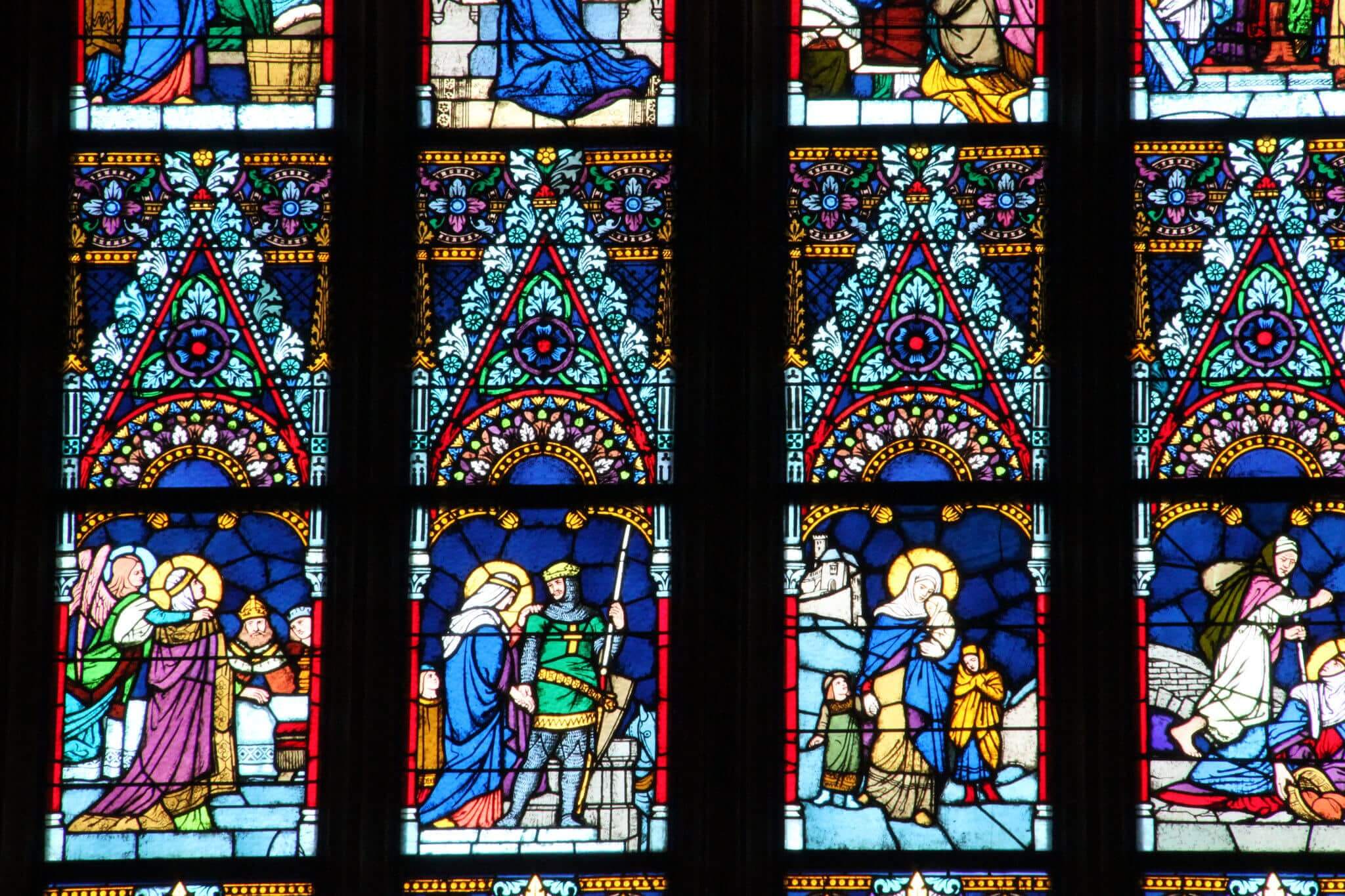
Beyond the Divine: The Enduring Brand Legacy of Stained Glass
The terminology associated with church stained glass, from the technical processes to the stylistic classifications, offers a window into the historical, theological, and artistic branding of religious institutions. These windows are not simply passive decorative elements; they are active communicators of faith, history, and identity.
The very act of commissioning, preserving, and displaying stained glass is a statement about a church’s brand. It signals a commitment to tradition, artistry, and the enduring power of visual storytelling. Whether a modern congregation is commissioning new stained glass or a historic church is undertaking the restoration of its ancient treasures, understanding the language of this art form is crucial.
- Restoration and Preservation: The terms associated with repair and conservation are vital for maintaining the integrity of a church’s brand. Words like mending (replacing broken glass), releading (replacing old lead cames), and ventilation (ensuring proper airflow to prevent condensation) highlight the care taken to preserve these valuable assets. This dedication to preservation itself becomes part of the church’s brand, showcasing respect for its heritage.
- Contemporary Design and Branding: Even in contemporary churches, stained glass is being reimagined. Modern techniques and abstract designs can be used to convey contemporary theological interpretations or to forge a new brand identity for a progressive congregation. The terms used to describe these new works, such as abstract patterns, geometric forms, or symbolic representation, contribute to the evolving visual language of faith.
- Theological Branding: Ultimately, the imagery and style chosen for stained glass windows serve as a powerful form of theological branding. A church known for its vivid depictions of Christ’s Passion conveys a different brand message than one adorned with abstract representations of light and unity. The careful selection of biblical figures, theological symbols, and stylistic approaches all contribute to how a church presents itself to the world.
In conclusion, when we ask “what is church stained glass called,” we are not just seeking a list of technical terms. We are delving into the very essence of how sacred spaces have historically and continue to craft their enduring brand identities. The names of the techniques, the elements, and the styles all weave together to form a narrative of faith, art, and the indelible mark that light and color leave upon the human spirit, and upon the brand of the divine.
aViewFromTheCave is a participant in the Amazon Services LLC Associates Program, an affiliate advertising program designed to provide a means for sites to earn advertising fees by advertising and linking to Amazon.com. Amazon, the Amazon logo, AmazonSupply, and the AmazonSupply logo are trademarks of Amazon.com, Inc. or its affiliates. As an Amazon Associate we earn affiliate commissions from qualifying purchases.