
The term “motel” evokes a specific image: a roadside establishment catering to travelers, particularly those with automobiles. While seemingly straightforward, understanding the nuances of a motel’s purpose, evolution, and economic function reveals a fascinating intersection of transportation, commerce, and consumer behavior. This article delves into the essence of what constitutes a motel, exploring its origins, defining characteristics, and its enduring relevance in the modern travel landscape, all through the lens of Money.
The Genesis of the Motel: A Post-War Boom in Automotive Travel and Economic Opportunity
The rise of the automobile in the early 20th century fundamentally reshaped American society, fostering a new era of personal mobility and, consequently, new demands for accommodation. Prior to the widespread adoption of cars, long-distance travel was primarily undertaken by train or ship, with lodging typically concentrated in hotels within city centers or near train stations. The automobile, however, opened up the possibility of exploring vast distances at one’s own pace, leading to a proliferation of roads and highways. This burgeoning network of roadways created a new set of economic opportunities, and the motel emerged as a direct response to this evolving travel paradigm.
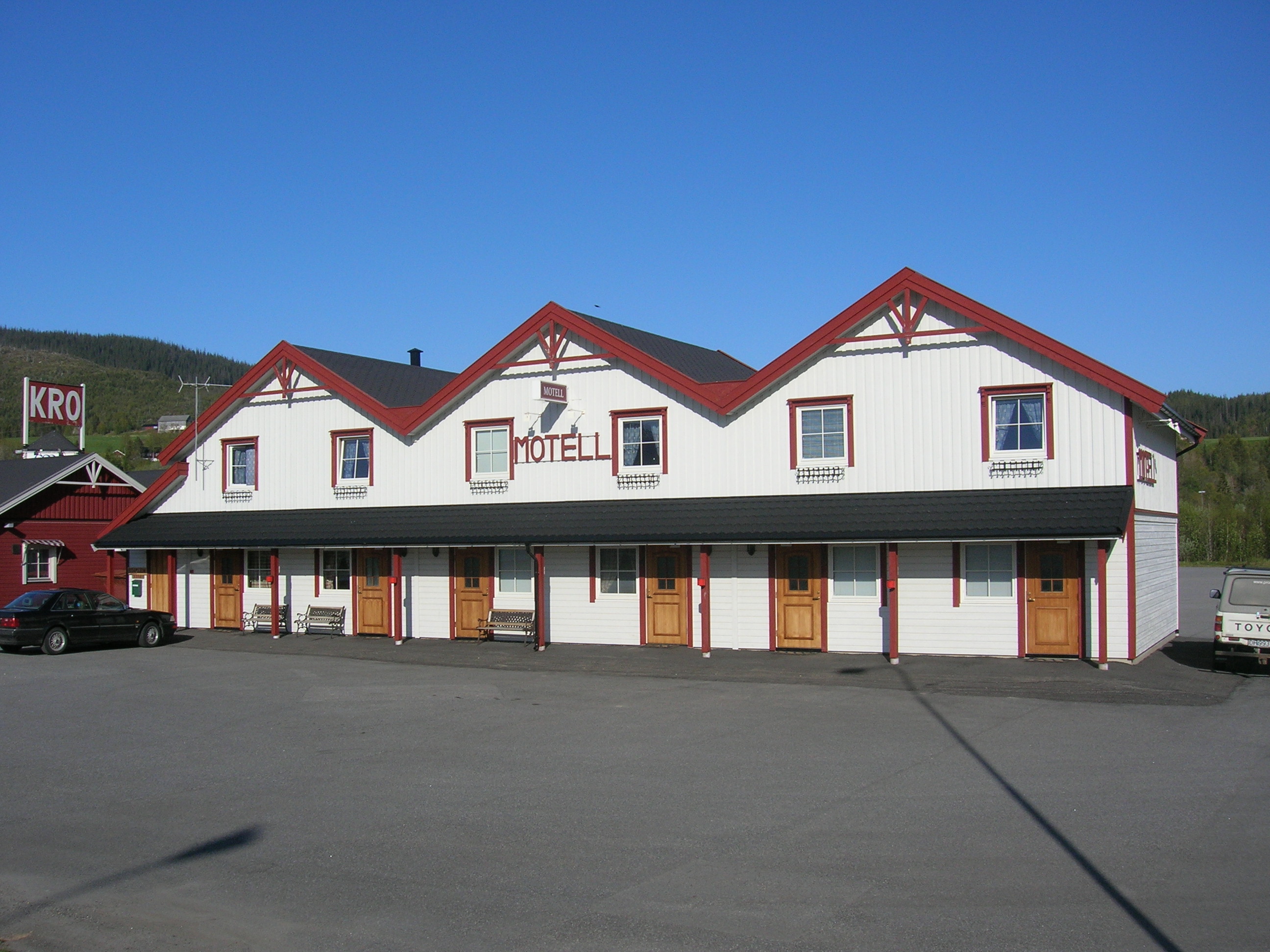
The very etymology of “motel”—a portmanteau of “motor” and “hotel”—speaks volumes about its intended purpose. It was designed for motorists, offering convenient and accessible lodging directly along major routes. This was a significant departure from traditional hotels, which often required travelers to venture off the main roads and into urban centers, a proposition that became increasingly cumbersome and time-consuming for those driving.
Early Innovations and the Birth of the Motor Lodge
The concept of roadside lodging wasn’t entirely new, with tourist camps and auto camps offering rudimentary accommodations. However, the early motels began to distinguish themselves by offering more formalized services and a greater degree of privacy. These nascent establishments often featured small, individual cabins or rooms arranged around a central parking area, allowing guests to park their cars directly outside their units. This unparalleled convenience was a major selling point.
The post-World War II era, with its economic boom and the further expansion of the interstate highway system, proved to be the golden age for motels. Families took to the roads for vacations, and businesses saw an increase in sales representatives and executives traveling by car. This surge in demand fueled rapid development, with entrepreneurial individuals recognizing the lucrative potential of catering to this new class of traveler. Many of these early motels were independently owned and operated, offering a personalized touch and often a more affordable alternative to established urban hotels.
The economic model was straightforward: provide clean, safe, and accessible lodging at a competitive price, capitalizing on the direct flow of traffic from the highways. The investment required for a motel was often less substantial than that for a large urban hotel, making it an attractive venture for small business owners. Land along major routes was often more affordable, and the construction of smaller, individual units was more manageable. This accessibility to capital and the clear market demand created a fertile ground for entrepreneurial growth in the motel industry.
Defining Characteristics: The Motel’s Economic Advantage and Operational Model
Beyond their historical origins, motels possess a distinct set of characteristics that define their economic model and operational approach. These features are crucial for understanding why they have remained a viable business despite the evolution of the hospitality industry.
Location, Location, Location: The Highway Nexus
The paramount characteristic of a motel is its location. Motels are almost invariably situated along major highways, arterial roads, or at key intersections. This strategic placement is not arbitrary; it is the cornerstone of their business model. By being directly accessible from major travel routes, motels capture a significant portion of transient traffic. Travelers who are on long journeys, often tired and looking for immediate lodging, can simply pull off the highway and find a place to stay without significant detours.
This direct access translates into consistent demand, particularly for day-use travelers or those passing through a region. The inherent visibility from the road acts as a powerful, albeit passive, marketing tool. The economic advantage of this prime location lies in its ability to minimize marketing costs and maximize walk-in or drive-by business. Unlike hotels that might rely on extensive advertising campaigns to draw customers to their often more secluded locations, motels leverage their geographical advantage.
Unit-Based Structure and Operational Efficiency
A defining structural element of most motels is their unit-based construction. Typically, motels consist of a series of individual rooms or small suites, often arranged in a linear fashion along a central parking lot or around a courtyard. This design offers several economic benefits. Firstly, it allows for greater privacy and convenience for guests, as they can park directly outside their rooms, reducing the need to haul luggage through lobbies and corridors.
From an operational perspective, this unit-based structure can lead to increased efficiency. Housekeeping staff can often service individual units more quickly and independently. Maintenance is also often more manageable, as issues can be localized to specific units. Furthermore, the modular nature of motel construction allows for easier expansion or renovation, enabling owners to adapt their offerings to changing market demands or to add new units as business grows. The cost of building and maintaining these smaller units is generally lower per room than for larger hotel complexes, contributing to a more favorable cost structure for motel owners.
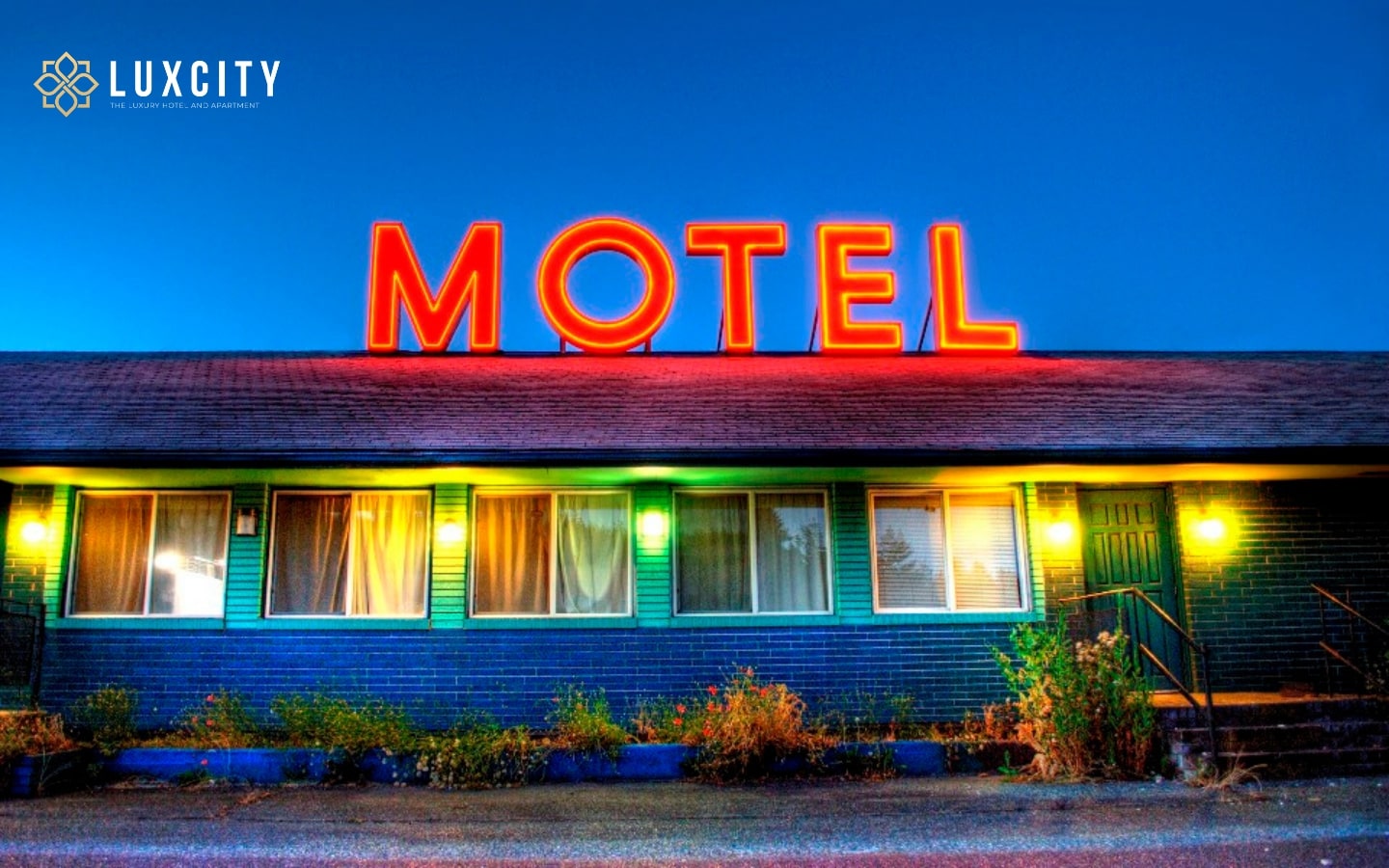
Price Point and Value Proposition
The economic success of motels is intrinsically linked to their price point. Generally, motels offer lodging at a lower price than traditional hotels, especially those located in urban centers or offering more extensive amenities. This affordability makes them an attractive option for budget-conscious travelers, families, and individuals who prioritize function over luxury. The value proposition of a motel lies in providing essential services—a clean bed, a private bathroom, and a safe place to rest—at an accessible cost.
This pricing strategy allows motels to compete effectively in various market segments. They attract not only leisure travelers but also individuals traveling for business who may be on expense accounts that have certain limitations. The ability to offer a competitive price point while still maintaining profitability is a testament to the efficient operational model and the strategic sourcing of their customer base.
The Motel in the Modern Economy: Adaptation and Diversification
While the classic image of the roadside motel remains, the industry has not been stagnant. In response to evolving traveler preferences, increased competition from online travel agencies (OTAs) and alternative accommodations like Airbnb, and the need to remain economically competitive, motels have undergone significant adaptation and diversification.
Embracing Technology and Online Presence
One of the most significant shifts for motels has been their integration with technology. While once reliant solely on signage and word-of-mouth, motels now understand the critical importance of an online presence. This includes:
- Online Travel Agencies (OTAs): Listing properties on platforms like Booking.com, Expedia, and Hotels.com is no longer optional. These platforms provide motels with global reach and access to millions of potential customers who search for accommodations online. While OTAs charge commissions, the increased booking volume they facilitate often outweighs the cost, especially for independent motels that may lack extensive marketing budgets. This direct access to a vast customer pool is a critical economic driver in the modern era.
- Direct Booking Websites: Many motels now invest in their own websites with integrated booking engines. This allows them to capture bookings directly, avoiding OTA commissions and building a direct relationship with their customers. These websites also serve as a digital brochure, showcasing amenities, photos, and customer reviews, all of which influence booking decisions.
- Digital Marketing: Even smaller motels are increasingly leveraging digital marketing strategies. This can include search engine optimization (SEO) to appear in local search results, social media marketing to engage with potential guests, and targeted online advertising to reach specific demographics. The ability to digitally market to travelers planning their routes or destinations offers a powerful and cost-effective way to attract business.
Diversification of Services and Niche Markets
To remain competitive, many motels have begun to diversify their offerings and target specific niche markets. This can include:
- Themed Motels: Some motels embrace a retro or unique theme to attract travelers seeking a distinctive experience. This can create a strong brand identity and generate buzz, drawing in customers who are looking for more than just a place to sleep.
- Extended Stay Options: Recognizing the needs of longer-term travelers, such as temporary workers or individuals relocating, some motels have adapted their units to offer extended-stay amenities, including kitchenettes or laundry facilities. This opens up a new revenue stream and caters to a less transient customer base.
- Pet-Friendly Accommodations: With the increasing prevalence of traveling with pets, many motels have found it economically beneficial to designate themselves as pet-friendly. This broadens their customer base and can command slightly higher rates.
- Focus on Value-Added Amenities: While basic amenities remain crucial, motels are increasingly adding small but impactful value-added services. This might include free Wi-Fi, complimentary breakfast (even if simple), or enhanced cleanliness standards that are clearly communicated to potential guests. These seemingly minor additions can significantly influence booking decisions and customer satisfaction.
The Economic Resilience of the Independent Motel
Despite the rise of large hotel chains, the independent motel continues to hold its ground. The economic advantage of independent ownership often lies in lower overhead costs associated with large corporate structures and the ability to be more agile in responding to local market conditions. Independent owners can often make quicker decisions regarding pricing, renovations, and service offerings.
Furthermore, the authentic, often nostalgic, charm of older, independent motels can be a significant draw for certain travelers. This “authentic travel” trend, where consumers seek unique and local experiences, can be a powerful differentiator. By focusing on personalized service and leveraging their unique character, independent motels can carve out a profitable niche within the broader hospitality landscape. The economic viability of these establishments is a testament to their adaptability and their enduring appeal to a segment of the traveling public.

Conclusion: The Enduring Economic Significance of the Motel
The motel, born from the revolution of the automobile and the subsequent expansion of travel, has carved a lasting niche in the economic fabric of the travel industry. Its defining characteristics—strategic highway locations, efficient unit-based structures, and a commitment to affordability—have provided a robust economic foundation. While the landscape of travel has evolved dramatically, motels have demonstrated a remarkable capacity for adaptation.
From embracing digital marketing and online booking platforms to diversifying services and targeting niche markets, motels have continually reinvented themselves to remain economically relevant. The independent motel, in particular, continues to thrive by offering authenticity and agility. In essence, a motel is more than just a place to stay; it represents an accessible and adaptable economic model that continues to serve the practical needs of a mobile society, ensuring its enduring significance for years to come.
aViewFromTheCave is a participant in the Amazon Services LLC Associates Program, an affiliate advertising program designed to provide a means for sites to earn advertising fees by advertising and linking to Amazon.com. Amazon, the Amazon logo, AmazonSupply, and the AmazonSupply logo are trademarks of Amazon.com, Inc. or its affiliates. As an Amazon Associate we earn affiliate commissions from qualifying purchases.