
The allure of numismatics, the study and collection of currency, often begins with a single coin that sparks curiosity. For many, the 1922 silver dollar, a prominent piece of American coinage, serves as such an entry point. As a key issue in the Peace Dollar series, this coin not only carries historical weight but also a potential financial value that fluctuates based on a myriad of factors. Understanding what your 1922 silver dollar might be worth requires a deep dive into its historical context, metallurgical composition, scarcity, and, most critically, its condition. This guide aims to demystify the valuation process, providing collectors and casual owners alike with the insights needed to accurately assess the potential worth of this iconic coin.
Understanding the Historical Significance of the 1922 Silver Dollar
To truly appreciate the value of a 1922 silver dollar, one must first grasp its place in American history and coinage. The year 1922 was a pivotal moment for the United States, emerging from the shadow of World War I into a period of relative peace and economic prosperity known as the Roaring Twenties. The Peace Dollar series itself was inaugurated in 1921, specifically to commemorate the end of the Great War and symbolize the nation’s new era of peace.
The Peace Dollar Series: A Symbol of Post-War America
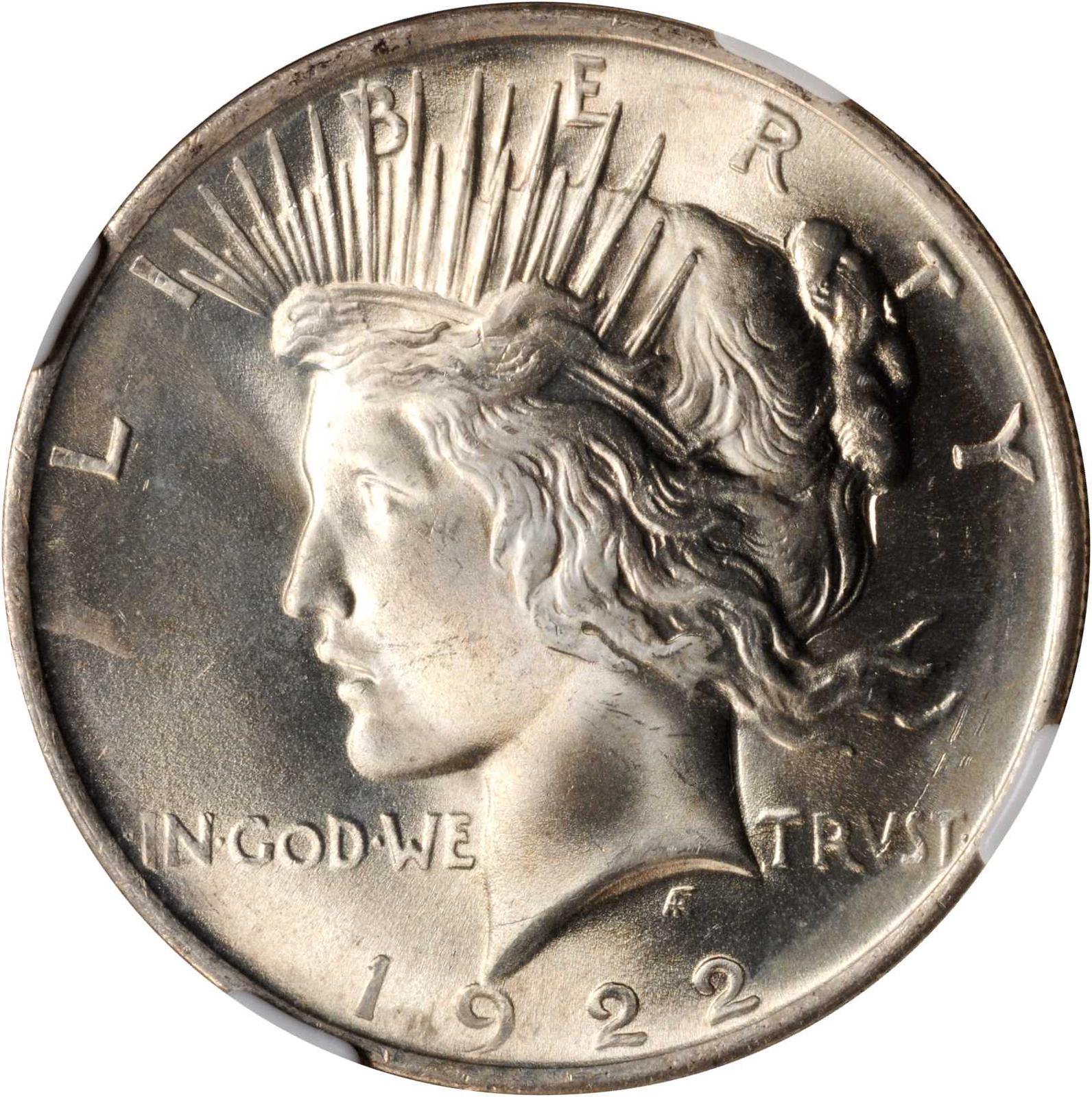
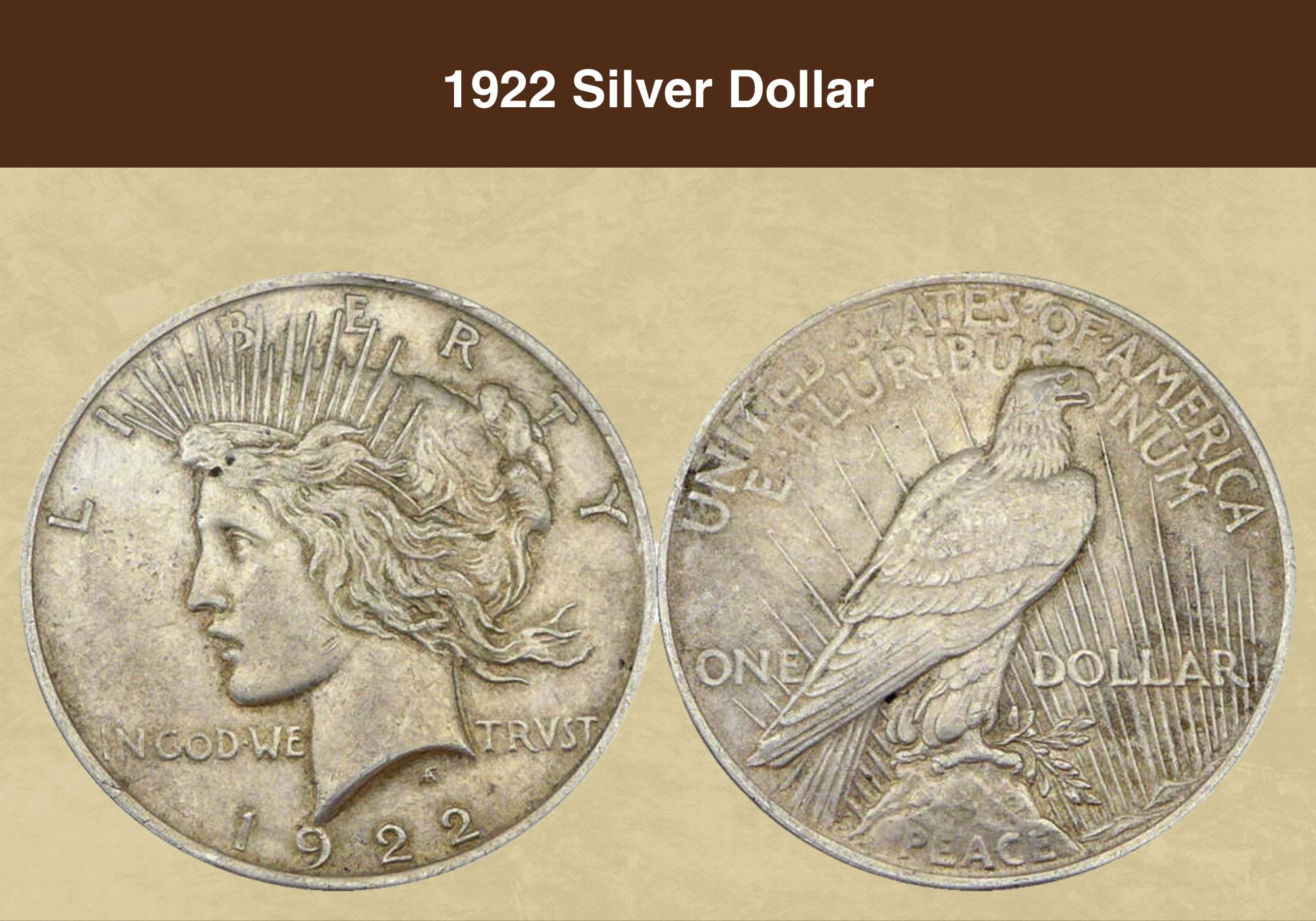
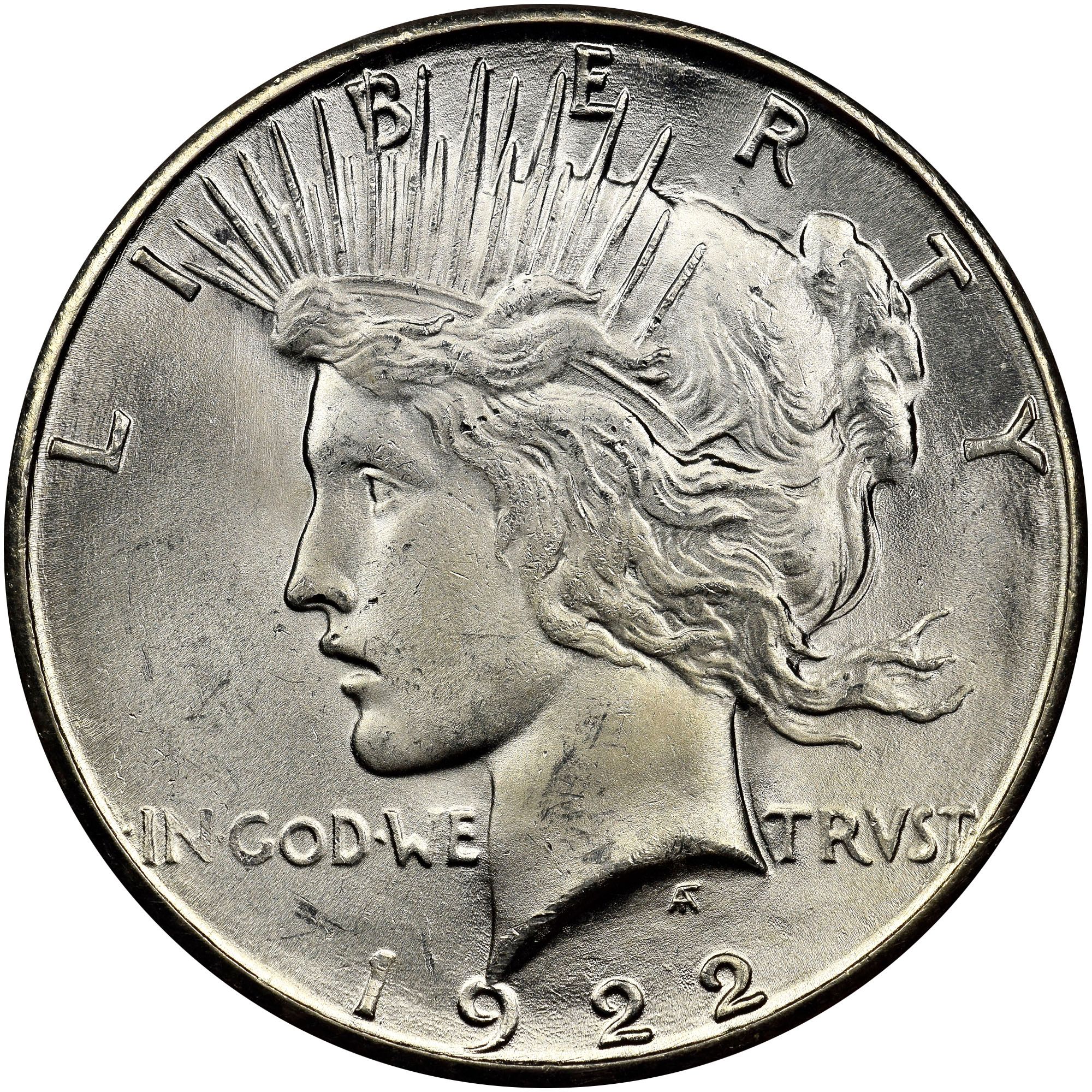
Designed by Anthony de Francisci, the Peace Dollar was the last U.S. dollar coin to be struck for circulation in 90% silver. Its obverse features a profile of Lady Liberty wearing a radiate crown, evoking a sense of forward-looking optimism, while the reverse depicts an eagle perched on a rock, clutching an olive branch, with the word “PEACE” prominently displayed below. The initial 1921 high-relief design proved problematic for mass production, leading to a modified low-relief design for all subsequent years, including 1922. This design shift is a crucial point for collectors, as the 1921 high-relief coins are distinctly rarer and more valuable. However, the 1922 Peace Dollar, while a low-relief issue, still carries the profound symbolism of its series. Its widespread mintage makes it accessible, yet certain conditions and varieties can elevate its status from a common relic to a significant numismatic prize.
Mint Marks and Production Volume: Impact on Rarity
The 1922 Peace Dollar was struck at three different U.S. Mints: Philadelphia (no mint mark), Denver (D), and San Francisco (S). The production volumes for 1922 were notably high across all three mints, making it one of the most common dates in the entire Peace Dollar series.
- Philadelphia (no mint mark): With a staggering mintage of 51,737,000 coins, the 1922 Philadelphia Peace Dollar is the most common variety.
- Denver (D mint mark): The Denver Mint produced 15,063,000 coins, making it less common than the Philadelphia issue but still abundant.
- San Francisco (S mint mark): The San Francisco Mint struck 17,460,000 coins, placing it between Philadelphia and Denver in terms of mintage figures.
While these high mintages generally mean that most 1922 Peace Dollars are not exceptionally rare, it doesn’t mean they are without value. The sheer volume also implies that more coins were subjected to circulation and wear, making high-grade examples comparatively scarcer and more sought after. This leads us to the critical factors determining individual coin worth.
Core Factors Determining Coin Value
The perceived worth of a 1922 silver dollar, like any collectible coin, is not static. It’s a dynamic figure influenced by several key variables that numismatists meticulously evaluate. Understanding these factors is paramount for anyone looking to buy, sell, or simply appreciate their coin’s financial standing.
Condition (Grade): The Paramount Factor
Without a doubt, the condition or “grade” of a coin is the single most important determinant of its value. Even for a common date like 1922, a coin in exceptional condition can command a price many times higher than one that is heavily worn. Coin grading uses a standardized 70-point scale, developed by Dr. William Sheldon, to describe a coin’s state of preservation:
- Circulated Grades (e.g., G-4 to AU-58): These coins show varying degrees of wear from circulation. A coin graded Good (G-4) will have most of its design features worn smooth, while About Uncirculated (AU-58) coins will show only slight traces of wear on the highest points of the design.
- Uncirculated Grades (MS-60 to MS-70): These coins show no evidence of wear from circulation. Mint State (MS) coins range from MS-60 (uncirculated with nicks, scratches, or dull luster) to MS-70 (a perfect coin with no post-mint damage, marks, or blemishes). For 1922 Peace Dollars, “Mint State” conditions are where significant value increases begin.
- Special Finishes: Some uncirculated coins might also carry designations like “Proof-Like” (PL) or “Deep Mirror Proof-Like” (DMPL), indicating a highly reflective surface that adds to their aesthetic appeal and market value. While true proof 1922 Peace Dollars are extremely rare (primarily a few high-relief proofs exist), PL and DMPL examples can be found and are highly prized.
Accurate grading requires experience and often the services of professional grading companies.
Rarity and Mintage Figures
As discussed, the 1922 Peace Dollar generally boasts high mintage figures, meaning millions were produced. In the grand scheme of numismatics, this means the average 1922 Peace Dollar is not inherently rare. However, rarity is also influenced by survival rates in specific grades. While millions were minted, far fewer survived in pristine, uncirculated conditions, especially at the higher MS levels (e.g., MS-65 and above). The number of coins known to exist in a particular grade significantly impacts its rarity and, consequently, its value.
Market Demand and Numismatic Trends
Coin values are also subject to the whims of the market. Collector interest can ebb and flow for certain series or dates. Currently, there’s a strong and consistent demand for Peace Dollars, driven by their beauty, historical significance, and the intrinsic value of their silver content. However, economic conditions, changes in collector demographics, and even popular culture can influence demand. Dealers and experienced collectors closely monitor these trends to understand potential price movements.
Metal Content and Melt Value
The 1922 silver dollar contains 0.77344 troy ounces of pure silver (90% silver, 10% copper alloy, weighing 26.73 grams total). This intrinsic metal value sets a floor for the coin’s worth. Even if a coin is heavily worn and has no numismatic premium, it will always be worth at least its melt value, which fluctuates daily with the price of silver on commodity markets. For common, low-grade 1922 Peace Dollars, the melt value often represents a significant portion, if not the entirety, of their financial worth. This makes them attractive to bullion investors as well as numismatists.
Deconstructing the Value of a 1922 Silver Dollar
Now that we’ve established the foundational elements of coin valuation, let’s apply them specifically to the 1922 silver dollar. While most examples are relatively common, understanding the nuances between the different mints and identifying key varieties is crucial for an accurate assessment.
Common 1922 Peace Dollars: Expected Valuations
For the vast majority of 1922 Peace Dollars found in circulation or inherited collections, the value will fall within a predictable range.
- Heavily Circulated (G-4 to F-12): These coins will primarily trade for their silver melt value, perhaps a slight premium above it depending on the market and dealer. As of early 2024, with silver prices around $20-$25 per troy ounce, the melt value of a 1922 Peace Dollar would be approximately $15-$20. Dealers might offer slightly less, and private sales might fetch a bit more.
- Moderately Circulated (VF-20 to AU-58): Coins in this range show less wear and begin to command a numismatic premium above melt value. Values for these can range from $25 to $70, depending on the specific grade and mint mark. Coins from Denver and San Francisco in higher circulated grades often fetch slightly more than their Philadelphia counterparts due to lower original mintages.
- Uncirculated (MS-60 to MS-63): These are coins that have seen no wear but may have marks or dull luster. Values for common 1922 (P, D, S) in these grades typically range from $70 to $150.
- Higher Uncirculated (MS-64 to MS-66): This is where the value truly begins to climb. Coins in these grades are aesthetically appealing with good luster and minimal distracting marks. An MS-64 1922-P might be worth $150-$300, while an MS-65 could be $300-$700+. Examples from Denver and San Francisco in these higher grades often command prices at the upper end of these ranges or even higher due to their relative scarcity in top condition.
- Gem Uncirculated (MS-67 and above): These are exceedingly rare for any 1922 Peace Dollar. An MS-67 1922-P could be worth well over $1,500, with MS-67+ or MS-68 examples (if they exist) fetching several thousands of dollars at auction.
Identifying Rare Varieties and Errors
While the general mintage of 1922 Peace Dollars was high, specific varieties and errors can dramatically increase a coin’s value. These are often subtle and require a keen eye or magnification to spot.
- 1922-P High Relief (Very Rare): While the standard 1922 Peace Dollar is low relief, a very small number of high-relief coins were struck at the Philadelphia Mint as part of the experimental process before the design change was finalized. These are extremely rare and highly valuable, often selling for tens of thousands of dollars. Distinguishing between high and low relief requires careful comparison of design elements like the depth of Liberty’s hair and the sharpness of the eagle’s feathers.
- Doubled Dies: These errors occur when the coin’s die is struck more than once in slightly different positions, resulting in a doubled image on parts of the design (e.g., lettering, date). While not as common for the 1922 Peace Dollar as for some other series, minor doubled dies can exist and add a premium.
- Mint Errors: Other errors like off-center strikes, planchet errors (imperfections in the blank coin before striking), or die cracks can also increase value for error collectors, though significant errors on 1922 Peace Dollars are less frequent.
The Role of Third-Party Grading Services (PCGS, NGC)
For any 1922 silver dollar that appears to be in uncirculated condition or shows potential as a rare variety, submission to a professional third-party grading service is highly recommended. The two most reputable services in the U.S. are PCGS (Professional Coin Grading Service) and NGC (Numismatic Guaranty Company).
These services encapsulate the coin in a sealed, tamper-evident holder (a “slab”) and assign a definitive grade, guaranteeing its authenticity and condition. A professionally graded coin provides confidence to both buyers and sellers, often resulting in higher realized prices compared to raw (ungraded) coins, especially for higher-value examples. The cost of grading typically ranges from $20 to $50 per coin, a worthwhile investment for coins potentially worth hundreds or thousands.
Practical Steps for Valuing Your 1922 Silver Dollar
Armed with the knowledge of historical context and valuation factors, you can now take practical steps to assess your own 1922 silver dollar. This systematic approach ensures a thorough and informed valuation.
Initial Inspection: Authenticity and Basic Condition Assessment
Before anything else, confirm your coin is indeed a genuine 1922 Peace Dollar. Check the date, mint mark (if any, on the reverse above the “ONE”), and the overall design features against known examples. Be wary of fakes, which are unfortunately common in the coin market. Weighing the coin (it should be 26.73 grams) and checking its diameter (38.1 mm) can help rule out obvious counterfeits.
Next, perform a basic condition assessment. Use a magnifying glass (10x power is ideal) to examine the coin’s surfaces for wear. Look at the highest points of the design: Liberty’s hair above her ear, the eagle’s breast feathers, and the tips of the rays on the reverse. If these areas show flattening or loss of detail, the coin is circulated. Note any scratches, dents, or signs of cleaning, as these significantly reduce value.
Consulting Reputable Price Guides and Online Databases
Once you have a preliminary idea of your coin’s condition and mint mark, consult established numismatic price guides.
- The Red Book (A Guide Book of United States Coins): This annual publication is an industry standard, providing estimated values for U.S. coins in various grades. It’s an excellent starting point for general valuation ranges.
- PCGS and NGC Price Guides: Both professional grading services offer comprehensive online price guides for graded coins. These databases reflect real-world auction results and dealer listings, offering very current and accurate valuations for specific grades.
- Online Auction Records: Websites like Heritage Auctions, eBay (filtering for “sold listings”), and Stacks & Bowers offer archives of past auction results. This allows you to see what similar coins, in comparable grades, have actually sold for.
Remember, these are guides. Actual sale prices can vary based on market conditions, buyer enthusiasm, and seller reputation.
Seeking Professional Appraisal
If you believe your 1922 silver dollar is in high-grade uncirculated condition, or if you suspect it might be a rare variety or error, seeking a professional appraisal is the wisest course of action. Reputable coin dealers (especially those affiliated with national numismatic organizations) and professional appraisers can provide an expert opinion. They can help identify subtle features, distinguish between grades, and advise on whether professional grading is warranted. Most dealers offer verbal appraisals for free or a small fee, which can be invaluable before making any selling decisions.
Understanding the Purchase and Sale Landscape
Should you decide to sell your 1922 silver dollar, or if you’re looking to purchase one, understanding the market landscape is crucial for maximizing financial outcomes.
- Selling: For common, low-grade coins, selling to a local coin dealer or precious metals dealer is straightforward, though you’ll likely receive melt value or slightly above. For higher-grade or rarer varieties, consider consigning to a reputable auction house or selling through an established online numismatic platform. Be prepared for seller fees.
- Buying: When buying, always purchase from reputable dealers or platforms. Look for graded coins if you’re investing in higher grades, as this offers authenticity and condition guarantees. Research the seller’s reputation and return policies.
Maximizing the Value of Your Coin Collection
Whether your 1922 silver dollar is a standalone piece or part of a larger collection, proper care and strategic engagement with the numismatic world can significantly impact its long-term financial potential.
Proper Storage and Preservation Techniques
The greatest enemy of a coin’s value, after harsh cleaning, is improper storage. Coins should be stored in inert, PVC-free holders (flips, slabs, or albums) to prevent chemical reactions that can cause irreversible damage. Avoid touching coins directly with bare hands; use cotton gloves. Store them in a stable environment, away from extreme temperatures, humidity, and direct sunlight. A well-preserved coin retains its original luster and surface integrity, which directly translates to higher value. Never attempt to clean a coin unless you are an experienced professional, as amateur cleaning almost invariably reduces its numismatic worth.
Continuous Learning and Market Awareness
The world of coin collecting is ever-evolving. Stay informed by reading numismatic publications, joining coin clubs, and following market trends. The more knowledgeable you are about specific series, minting processes, and market dynamics, the better equipped you will be to make informed decisions about buying, selling, and appraising your coins. Understanding why certain grades or varieties command specific prices empowers you to act strategically.
Strategic Buying and Selling
For those looking to build value, strategic buying involves acquiring coins that are genuinely scarce in high grades, or those with strong historical appeal. Similarly, strategic selling means knowing when and where to sell to realize the best possible price. This could involve waiting for favorable market conditions or leveraging the expertise of an auction house for truly valuable pieces.
In conclusion, while a 1922 silver dollar might initially appear to be just another old coin, its actual worth is a multifaceted calculation. From its role as a symbol of post-war peace to its silver content and the minute details of its condition, every aspect contributes to its financial value. By diligently assessing these factors, whether you’re a seasoned collector or a curious owner, you can unlock the true monetary and historical significance of your 1922 Peace Dollar.
aViewFromTheCave is a participant in the Amazon Services LLC Associates Program, an affiliate advertising program designed to provide a means for sites to earn advertising fees by advertising and linking to Amazon.com. Amazon, the Amazon logo, AmazonSupply, and the AmazonSupply logo are trademarks of Amazon.com, Inc. or its affiliates. As an Amazon Associate we earn affiliate commissions from qualifying purchases.