
Ankle pain has traditionally been viewed through a purely biological lens—a consequence of physical trauma, repetitive strain, or degenerative conditions. However, in the modern era, the question of “what causes pain on the ankle” is increasingly being answered by engineers, data scientists, and software developers. The intersection of healthcare and technology has transformed the diagnostic process from manual palpation to high-precision digital mapping.
Today, understanding the mechanics of the human ankle involves a sophisticated ecosystem of AI-driven diagnostics, wearable sensors, and advanced imaging software. By shifting the focus from reactive treatment to proactive technological intervention, the tech industry is redefining how we understand, diagnose, and ultimately eliminate the root causes of lower limb discomfort.
Advanced Diagnostic Imaging and AI-Driven Analysis
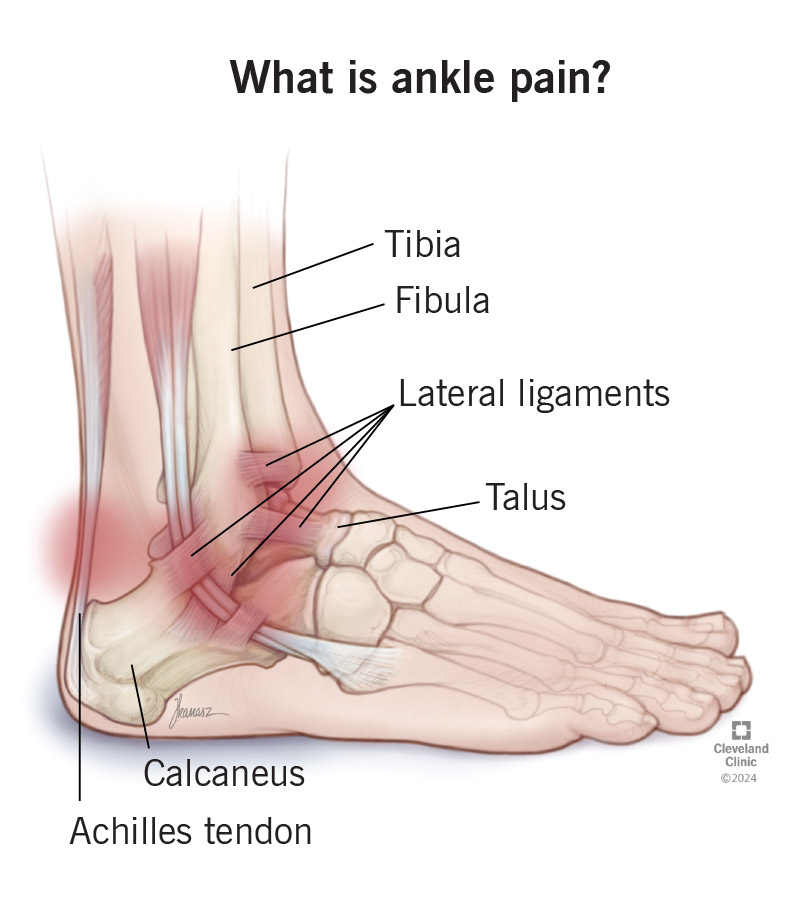
The first step in addressing ankle pain is pinpointing its origin, which is often difficult due to the complex architecture of the 26 bones and numerous ligaments in the human foot. Traditional X-rays often miss soft tissue damage or micro-fractures, leading to chronic pain. Technology is bridging this gap through high-resolution imaging and artificial intelligence.
From 2D X-Rays to 3D Weight-Bearing CT Scans
One of the most significant technological leaps in orthopedic diagnostics is the advent of Weight-Bearing Computed Tomography (WBCT). Unlike traditional CT scans where a patient lies flat, WBCT allows technicians to capture 3D images while the patient is standing. This provides a “functional” view of the ankle under the stress of gravity. Software then analyzes these 3D models to identify subtle misalignments in the subtalar joint—a common but often overlooked cause of chronic pain. By visualizing how bones shift under weight, specialists can use digital simulations to predict where future pain might manifest.
AI Algorithms in Early Detection of Micro-Fractures
Machine learning is now being integrated into radiology suites to assist in interpreting scans. AI algorithms, trained on millions of orthopedic images, can detect “stress responses” in the talus or calcaneus bones long before they become visible to the human eye on a standard X-ray. These “computer-aided detection” (CAD) systems reduce human error and ensure that the cause of ankle pain—whether it be an occult fracture or early-stage osteoarthritis—is identified with near-perfect accuracy. This early digital intervention prevents minor discomfort from escalating into permanent structural damage.
Wearable Technology and Biometric Monitoring
If imaging captures a snapshot in time, wearable technology provides a continuous stream of data that explains how movement patterns cause ankle pain. The “quantified self” movement has moved beyond counting steps to analyzing the intricacies of human gait.
Smart Insoles and Gait Analysis Sensors
The rise of IoT-enabled footwear and smart insoles has revolutionized sports medicine and podiatry. These devices are embedded with pressure-sensitive resistors that track “Force Over Time.” By syncing this data to a smartphone app, users can see a heat map of their foot strike. If a user is over-pronating (rolling the ankle inward) or supinating (rolling outward), the software flags these biomechanical inefficiencies. Often, the cause of ankle pain is not an injury but a repetitive “technical glitch” in how a person walks. Modern apps use this data to recommend specific corrective footwear or digital coaching to adjust the user’s stride in real-time.
IoT-Enabled Braces and Real-Time Feedback Loops
Next-generation orthopedic braces are no longer just passive supports; they are active data-gathering tools. Smart braces equipped with accelerometers and gyroscopes monitor the range of motion (ROM) of the ankle joint. For patients recovering from a sprain, these devices send alerts to their mobile devices if they exceed a safe angle of rotation. This feedback loop uses haptic technology—subtle vibrations—to “train” the patient’s nervous system to avoid movements that cause pain. In this context, technology serves as both a diagnostic tool and a preventative shield.
Telehealth and Remote Therapeutic Monitoring (RTM)

The digital transformation of healthcare has moved the clinic into the living room. For many suffering from ankle pain, the barrier to diagnosis is access to specialized care. Technology is dismantling this barrier through sophisticated software platforms.
Computer Vision in Virtual Physical Therapy
One of the most exciting developments in the “MedTech” space is the use of computer vision to facilitate remote physical therapy. Using the camera on a laptop or smartphone, specialized software can track “keypoints” on a patient’s body. As the patient performs ankle strengthening exercises, the AI measures the exact degrees of dorsiflexion and plantarflexion. If the patient’s form is off—potentially exacerbating their pain—the software provides immediate visual corrections. This ensures that the “tech-driven” recovery process is as effective as an in-person visit, allowing for consistent data collection on the patient’s progress.
The Rise of Specialized Orthopedic Mobile Applications
We are seeing a surge in “Software as a Medical Device” (SaMD). These are mobile applications specifically designed to manage chronic conditions like Achilles tendonitis or plantar fasciitis. These apps use sophisticated branching logic to help users self-diagnose based on symptoms, activity levels, and pain triggers. By aggregating data from thousands of users, these platforms provide “crowdsourced” insights into which interventions work best for specific types of ankle pain. They turn the smartphone into a primary diagnostic tool, allowing users to understand the “why” behind their pain before they even step foot in a doctor’s office.
Innovations in Treatment: Robotics and 3D Printing
Once the cause of ankle pain is identified through digital means, technology offers precision-engineered solutions that were impossible a decade ago. The transition from “off-the-shelf” to “custom-coded” treatment is the new standard in orthopedics.
Robotic-Assisted Ankle Arthroplasty
In cases where ankle pain is caused by severe joint degradation, total ankle replacement (arthroplasty) may be required. Technology has moved this procedure into the realm of high-precision robotics. Surgeons now use haptic-guided robotic arms that are programmed with a 3D map of the patient’s specific anatomy. This ensures that the prosthetic joint is aligned with sub-millimeter precision. Proper alignment is the single most important factor in post-surgical success; robotic intervention minimizes the risk of mechanical failure and ensures that the new joint does not cause secondary pain in the surrounding ligaments.
Custom 3D-Printed Implants and Orthotics
The “one-size-fits-all” approach to orthotics is being replaced by additive manufacturing, or 3D printing. Using a laser scan of a patient’s foot, engineers can create a digital twin of the ankle. This model is then used to 3D print custom orthotics or even titanium bone scaffolds that match the patient’s unique bone density and geometry. These 3D-printed solutions address the root cause of pain—such as structural deformities or bone loss—by providing a level of customization that traditional manufacturing cannot achieve. By utilizing high-performance polymers and metals, these tech-driven inserts provide the exact amount of support needed to redistribute pressure and eliminate pain.
The Future of Ankle Health: Predictive Analytics and Digital Twins
As we look forward, the synthesis of big data and biology promises a future where we can predict ankle pain before it even begins. This shift from diagnostic to predictive is the ultimate goal of the health-tech industry.
The concept of the “Digital Twin” is gaining traction in the tech world. By combining data from genomic sequencing, wearable sensors, and historical imaging, researchers can create a virtual model of an individual’s musculoskeletal system. This “twin” can be used to simulate years of wear and tear in a matter of seconds. For athletes or high-impact workers, this technology can identify exactly when and where an ankle injury is likely to occur based on their unique biomechanics.
Furthermore, the integration of blockchain technology is ensuring that this vast amount of biometric data remains secure and interoperable. A patient’s “ankle data” can follow them from their high school sports days to their senior years, providing a longitudinal digital record that helps doctors understand the evolution of their pain.
In conclusion, the question “what causes pain on the ankle” is no longer a mystery solved by a simple physical exam. It is a complex puzzle being solved by a multi-layered tech stack. From the AI that reads our scans to the 3D printers that create our supports and the wearables that monitor our steps, technology is providing a comprehensive, data-driven answer. As these tools become more accessible and intelligent, the goal of a pain-free life moves from a medical hope to a technological certainty.
aViewFromTheCave is a participant in the Amazon Services LLC Associates Program, an affiliate advertising program designed to provide a means for sites to earn advertising fees by advertising and linking to Amazon.com. Amazon, the Amazon logo, AmazonSupply, and the AmazonSupply logo are trademarks of Amazon.com, Inc. or its affiliates. As an Amazon Associate we earn affiliate commissions from qualifying purchases.