
In the bustling world of specialty coffee, where the aroma of roasted beans and the hiss of espresso machines are constant companions, the terms “cappuccino” and “latte” are spoken with a reverence that belies their apparent simplicity. To the uninitiated, they might seem like minor variations on a theme of hot, milky coffee. However, to the discerning consumer and, more importantly, to the brands that serve them, the distinction between a cappuccino and a latte is far more than a matter of taste. It is a nuanced art form, a subtle yet powerful differentiator in a highly competitive market, and a critical element in shaping brand identity, driving consumer engagement, and defining market positioning. This article delves into the strategic significance of these iconic espresso beverages, exploring how their differences are leveraged by brands to create memorable experiences and cultivate loyal customer bases.
The Foundation of Difference: Espresso, Milk, and Texture
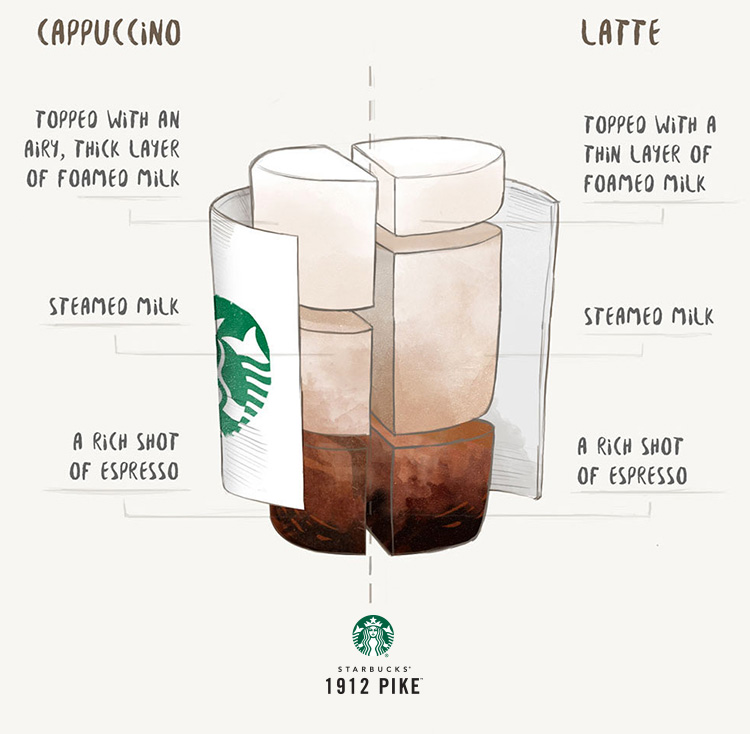
At its core, the distinction between a cappuccino and a latte begins with the fundamental components: espresso, steamed milk, and milk foam. While both beverages share these elements, the proportions and preparation methods create distinct textural and flavor profiles, which brands meticulously craft and communicate to their clientele.
Espresso: The Unifying Pulse
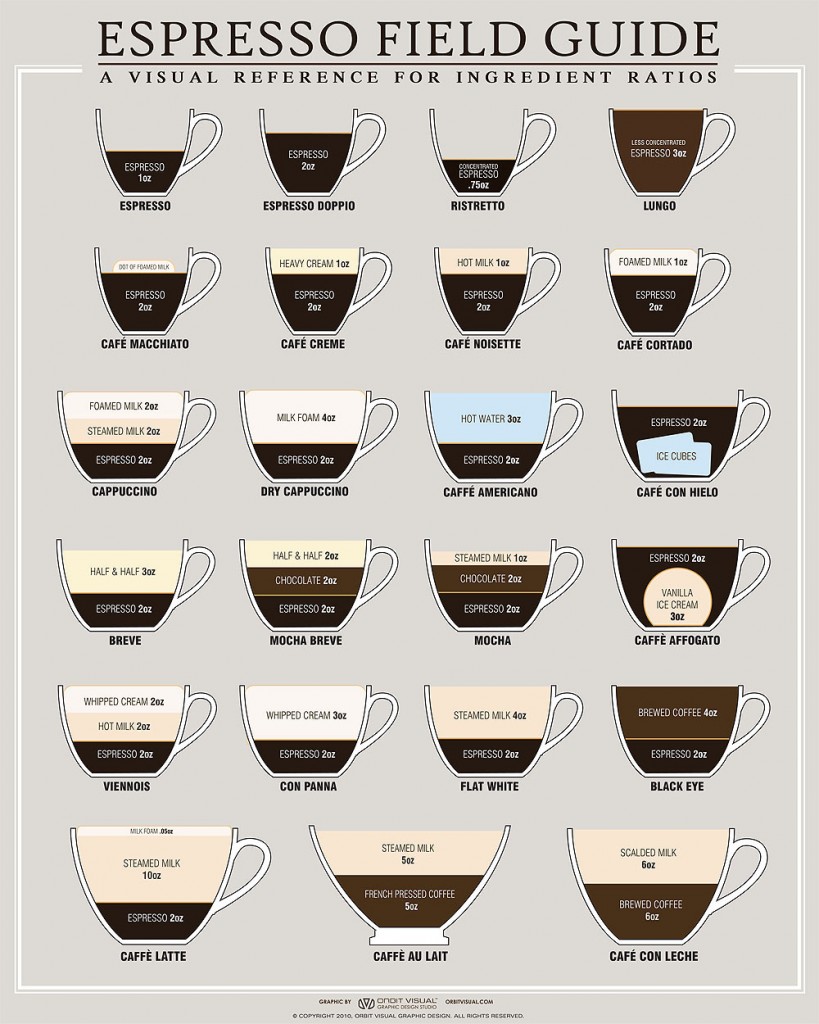
Both cappuccinos and lattes are built upon the bedrock of espresso. Typically, a double shot of espresso (approximately 1.5 to 2 ounces) serves as the base for both. The quality of the espresso – its roast, grind, extraction time, and the crema it produces – is paramount for any coffee brand. A superior espresso shot provides the robust, slightly bitter foundation that both drinks require. Brands invest heavily in sourcing high-quality beans, employing skilled baristas, and maintaining state-of-the-art espresso machines to ensure this foundational element is consistently excellent. The perceived quality of the espresso directly influences the perception of the entire beverage, setting the stage for how the subsequent milk preparation will be judged. For many brands, the espresso itself is a story – a narrative about origin, ethical sourcing, and artisanal roasting that is woven into their overall brand tapestry.
Milk Dynamics: The Balancing Act
The critical divergence between a cappuccino and a latte lies in the preparation of the steamed milk and foam. This is where brands differentiate themselves through technique and presentation, catering to different consumer preferences and establishing their unique brand signatures.
The Cappuccino’s Defined Layers: A Harmony of Foam and Milk
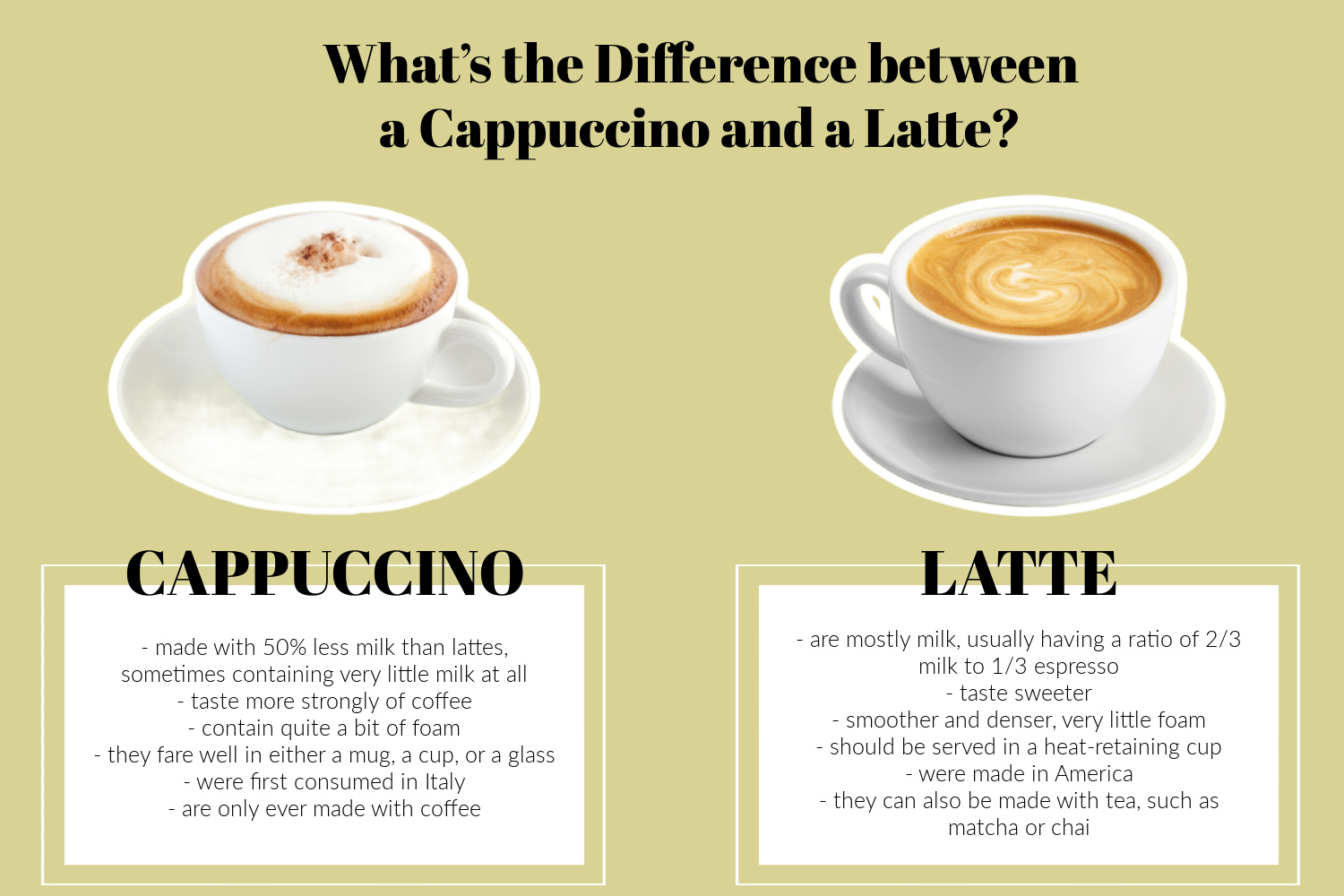
A traditional cappuccino is characterized by its distinct layers: a base of espresso, an equal measure of steamed milk, and a substantial cap of velvety, airy milk foam. This results in a beverage that is richer in texture and offers a more pronounced coffee flavor due to the higher proportion of foam. The foam, when expertly prepared, should be dense and glossy, capable of holding its shape and supporting a sprinkle of cocoa or cinnamon.
From a brand perspective, the cappuccino represents precision and tradition. It’s a drink that appeals to those who appreciate a bolder coffee taste with a luxurious textural contrast. Brands that emphasize the cappuccino often position themselves as purveyors of classic coffee craftsmanship. The visual appeal of a well-executed cappuccino – the distinct white foam crown against the dark espresso – is a powerful marketing tool. It conveys a sense of skill and dedication to the craft, inviting customers to experience a time-honored coffee ritual. The marketing around cappuccinos often highlights the “perfect foam,” the “bold espresso,” and the “artisanal preparation,” all reinforcing a brand’s commitment to quality and authenticity.
The Latte’s Creamy Embrace: A Smooth, Integrated Experience
In contrast, the latte, derived from the Italian “caffè latte” meaning “coffee milk,” is a much milkier beverage. It typically consists of espresso, a larger volume of steamed milk, and a very thin layer of microfoam, which is essentially finely textured milk rather than distinct foam. This results in a smoother, creamier texture and a more mellow, coffee-forward taste where the milk plays a more dominant role in balancing the espresso’s intensity.
Brands that excel in lattes often cater to a broader audience seeking a comforting and accessible coffee experience. The latte’s inherent smoothness makes it an ideal canvas for latte art, a visual signature that has become a significant differentiator for many coffee shops. The intricate patterns and designs swirled into the microfoam of a latte are not merely decorative; they are a tangible representation of a barista’s skill and a brand’s attention to detail. This visual artistry transforms a simple drink into a work of edible art, enhancing the customer experience and providing shareable social media content. The marketing for lattes often emphasizes “smoothness,” “creaminess,” and “customization” (e.g., flavored syrups), aligning with a brand’s ability to offer a comforting, personalized indulgence.
Brand Strategy: From Differentiation to Consumer Choice
The seemingly minor differences between a cappuccino and a latte offer brands a powerful platform for strategic differentiation, influencing everything from menu design and pricing to marketing campaigns and staff training.
Menu Engineering and Positioning
The way a brand presents cappuccinos and lattes on its menu is a strategic decision. Some brands might list them side-by-side, inviting direct comparison, while others might highlight one over the other based on their core brand identity. A brand focused on traditional Italian coffee might emphasize the cappuccino, while a trendy cafe known for its innovative drinks might push the latte as a base for creative flavor infusions.
The language used to describe each drink is also crucial. “Velvety foam,” “bold espresso,” and “artisanal preparation” for a cappuccino can evoke a sense of expertise and classicism. For a latte, terms like “smooth,” “creamy,” “comforting,” and “customizable” can highlight accessibility and personalization. This careful wording guides consumer expectations and helps them make informed choices that align with their desired experience and the brand’s promise. Pricing strategies can also reflect these perceived differences; if latte art is a significant value-add, the latte might be priced slightly higher, or it might be positioned as the more approachable option for those new to specialty coffee.
Training and Craftsmanship: The Human Element
The consistency and quality of both cappuccinos and lattes are directly tied to the skill of the baristas. Brands invest in comprehensive training programs to ensure baristas can accurately steam milk to the correct texture, pour consistent espresso shots, and, in the case of lattes, execute appealing latte art. This commitment to training is a tangible demonstration of a brand’s dedication to quality.
For a brand, the ability of its baristas to consistently produce a perfect cappuccino or a beautifully adorned latte becomes a signature. It’s a way to build trust and reliability with customers. A barista who can explain the nuances of each drink, offer recommendations, and execute them with skill adds significant value to the brand experience. This human element, the interaction with a knowledgeable and skilled barista, can elevate a simple transaction into a memorable customer interaction, fostering loyalty and positive word-of-mouth. The “craft” aspect of coffee preparation is a significant brand asset, and the cappuccino and latte serve as prime examples of this craftsmanship in action.
Marketing and Consumer Engagement: Crafting Narratives
The visual and sensory appeal of cappuccinos and lattes provides fertile ground for effective marketing and consumer engagement. Brands leverage these drinks to tell stories, build community, and create memorable experiences.
The Visual Storytelling of Latte Art
Latte art, primarily associated with lattes, has evolved into a powerful marketing tool. Intricate designs like hearts, rosettas, and swans transform a coffee into a visual delight, prompting customers to share their drinks on social media. This user-generated content acts as free, authentic advertising, reaching a wider audience and creating buzz around the brand. Brands that excel in latte art often become destinations for coffee enthusiasts who seek out this visual spectacle. This not only drives foot traffic but also positions the brand as a trendsetter and a place where creativity and quality converge. The ability to consistently produce appealing latte art signals a brand’s attention to detail and its commitment to elevating the everyday coffee ritual into something special.
Flavor Innovation and Personalization
While traditional cappuccinos are often enjoyed in their pure form, lattes offer a more adaptable canvas for flavor innovation. Brands can introduce seasonal syrups, unique flavor combinations, and dairy alternatives, allowing for a high degree of personalization. This strategy appeals to a wider range of consumer tastes and preferences, from those seeking a classic coffee experience to those desiring a sweet, flavored indulgence.
The marketing of flavored lattes can tap into trends, holidays, and regional preferences. For instance, a “pumpkin spice latte” in the fall or a “lavender honey latte” in the spring can create seasonal excitement and drive repeat business. This ability to innovate and personalize reinforces a brand’s agility and its understanding of consumer desires. It also allows for targeted marketing campaigns that resonate with specific customer segments, further strengthening customer relationships and fostering a sense of belonging. By offering a diverse range of latte options, brands demonstrate their commitment to meeting individual needs and creating a welcoming environment for all coffee lovers.
Conclusion: More Than Just Coffee – A Brand Statement
The seemingly simple question of “what is a cappuccino vs latte” opens a window into the strategic complexities of the modern food and beverage industry, particularly within the competitive landscape of specialty coffee. For brands, these two iconic beverages are not merely menu items; they are powerful tools for differentiation, storytelling, and consumer engagement. The nuanced differences in their preparation – the distinct foam of a cappuccino versus the creamy embrace of a latte, the bold espresso notes versus the integrated sweetness – are meticulously crafted and communicated to shape consumer perception.
Brands that master these distinctions, through precise execution, expert training, and compelling marketing, are able to carve out unique identities in the market. They speak to different consumer desires, offer varied experiences, and build loyalty through consistent quality and creativity. Whether it’s the traditional craftsmanship implied by a perfectly layered cappuccino or the modern artistry and personalization offered by a latte adorned with intricate designs, each drink serves as a tangible representation of a brand’s values, its commitment to quality, and its understanding of the evolving coffee culture. Ultimately, the choice between a cappuccino and a latte is a choice a consumer makes about their immediate experience, but for the brand, it’s a strategic decision that helps define its very essence in the marketplace.
aViewFromTheCave is a participant in the Amazon Services LLC Associates Program, an affiliate advertising program designed to provide a means for sites to earn advertising fees by advertising and linking to Amazon.com. Amazon, the Amazon logo, AmazonSupply, and the AmazonSupply logo are trademarks of Amazon.com, Inc. or its affiliates. As an Amazon Associate we earn affiliate commissions from qualifying purchases.