
The question “What ethnicity do I look like?” is as old as human interaction itself. Historically, it was a question posed in person, often seeking connection, understanding, or even belonging within a community. It was a dialogue rooted in shared experiences, anecdotal evidence, and the nuanced observations of individuals who knew you. However, in the 21st century, this deeply personal query has found new life and a vastly different context, largely driven by the rapid advancements in artificial intelligence and digital technologies. This evolution presents a fascinating intersection of personal identity, technological capability, and the very nature of how we perceive and are perceived in the digital realm.
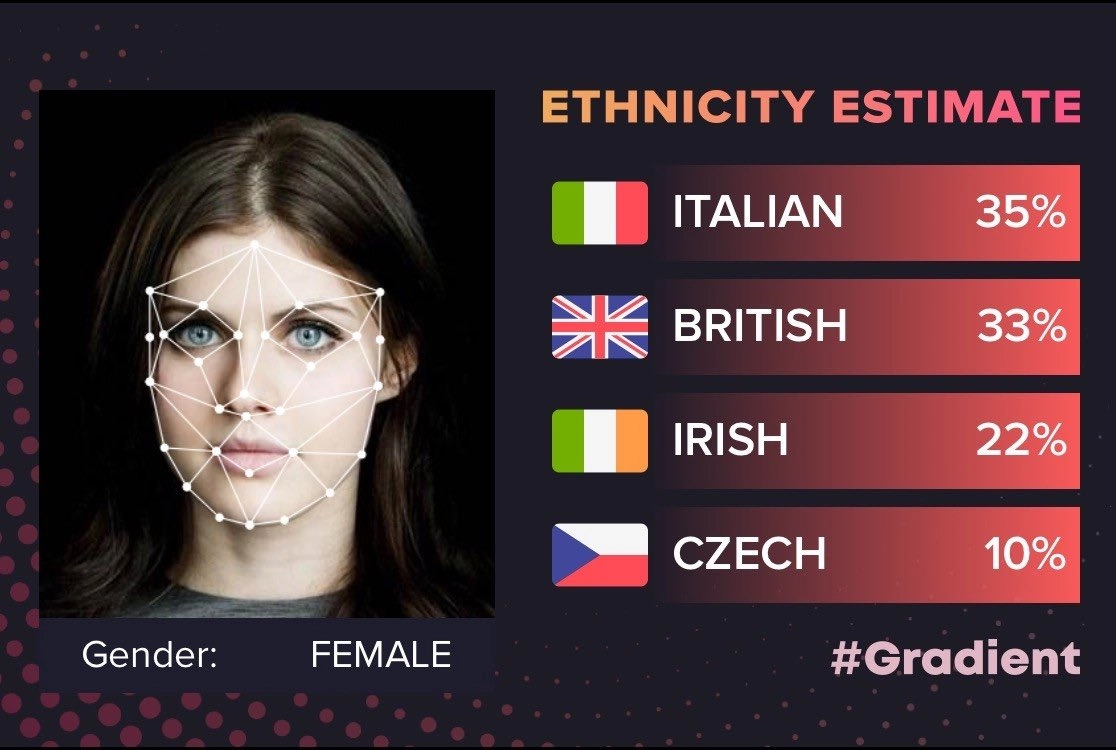
The allure of AI-powered ethnicity prediction tools is undeniable. They promise an instant, objective answer to a question that has historically been complex, subjective, and often fraught with emotional weight. These tools, leveraging sophisticated algorithms and vast datasets of facial imagery, tap into our innate curiosity about our ancestral roots and our place in the global tapestry. But what do these technologies truly offer, and what are the implications of relying on them to define our ethnic identity? This article will delve into the technological underpinnings of these tools, explore the nuances of digital representation and bias, and discuss the future implications for personal identity in an increasingly digitized world.
The Technological Engine: How AI Predicts Ethnicity
The ability of artificial intelligence to “guess” ethnicity stems from its capacity to analyze and interpret visual data at an unprecedented scale and speed. At its core, this process relies on machine learning, specifically deep learning models trained on massive datasets of images. These models learn to identify subtle patterns, features, and combinations of features that are statistically correlated with specific ethnic groups.
Facial Recognition and Feature Extraction
The foundational technology is often rooted in facial recognition algorithms. These systems are designed to detect faces within images and then extract a series of key facial landmarks, such as the distance between the eyes, the shape of the nose, the curvature of the lips, and the structure of the jawline. Beyond these geometric points, more advanced models can analyze textures, skin tone variations, and even the prevalence of certain hair textures, all of which can be indicators, albeit imperfect ones, of ancestral background.
Algorithmic Analysis and Pattern Recognition
Once these facial features are extracted, they are fed into complex algorithms trained on curated datasets. These datasets contain millions of images that have been labeled with known ethnic affiliations. The AI model learns to associate specific combinations and permutations of facial features with particular ethnic groups. For instance, certain nose bridge heights, eye shapes, or skin undertones might be more common in individuals of East Asian descent compared to those of Northern European ancestry. The algorithm essentially builds a statistical model, identifying correlations that humans might intuitively grasp but struggle to articulate precisely.
The Role of Deep Learning and Neural Networks
Deep learning, a subset of machine learning that utilizes artificial neural networks with multiple layers, has been particularly instrumental in advancing ethnicity prediction. These multi-layered networks can learn increasingly complex and abstract representations of facial data. As the data passes through each layer, the network extracts progressively more sophisticated features. This allows the AI to go beyond simple measurements and identify nuanced patterns that might be imperceptible to the human eye or difficult to quantify through traditional statistical methods. The result is a system that can process and analyze images with remarkable detail, aiming to discern ethnic markers.
The Perils of Precision: Bias, Accuracy, and the Subjectivity of Identity
While the technological prowess behind ethnicity prediction tools is impressive, it’s crucial to acknowledge their inherent limitations and the potential pitfalls they present. The quest for objective, algorithmic answers often overlooks the deeply subjective and fluid nature of human identity, as well as the significant impact of biases embedded within the data and the algorithms themselves.
Data Bias and its Implications
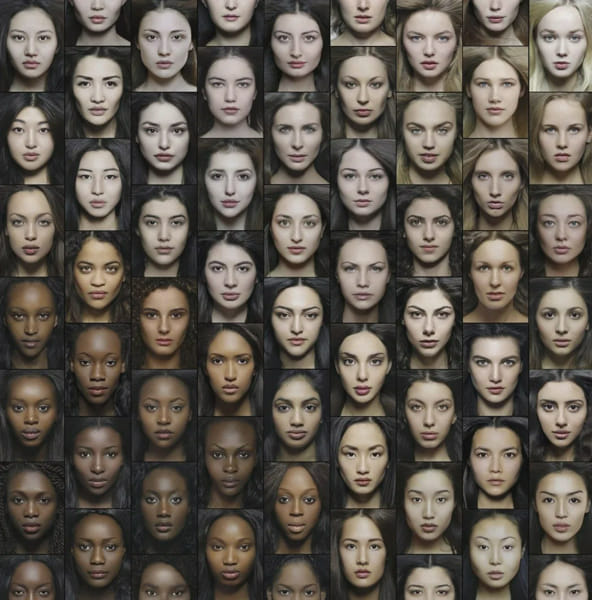
The accuracy and fairness of any AI system are intrinsically linked to the data it is trained on. If the training dataset is not representative of the global population, the AI will inevitably exhibit bias. For ethnicity prediction, this means that datasets heavily skewed towards certain ethnic groups will lead to more accurate predictions for those groups, while performing poorly for underrepresented populations. This can perpetuate stereotypes and lead to inaccurate, misleading, or even offensive results for individuals from diverse or mixed ethnic backgrounds. The “ideal” face of a particular ethnicity within the dataset becomes the benchmark, marginalizing those who deviate from that narrow representation.
The Subjectivity of Ethnicity and the Limitations of Visual Cues
Ethnicity is a complex construct, encompassing not only physical appearance but also shared culture, heritage, language, history, and self-identification. Visual cues, while often a component of how we perceive ethnicity, are a superficial and incomplete measure. Many individuals have mixed ancestry, making their appearance a blend of multiple ethnic traits. Furthermore, environmental factors, such as sun exposure, can alter skin tone, further complicating purely visual assessments. AI, by its nature, focuses on the visual, inherently simplifying and potentially misrepresenting the multifaceted reality of ethnicity. What the AI “sees” is merely a set of observable physical characteristics, not the entirety of an individual’s ethnic identity.
Accuracy and Confidence Levels: A Statistical Guess
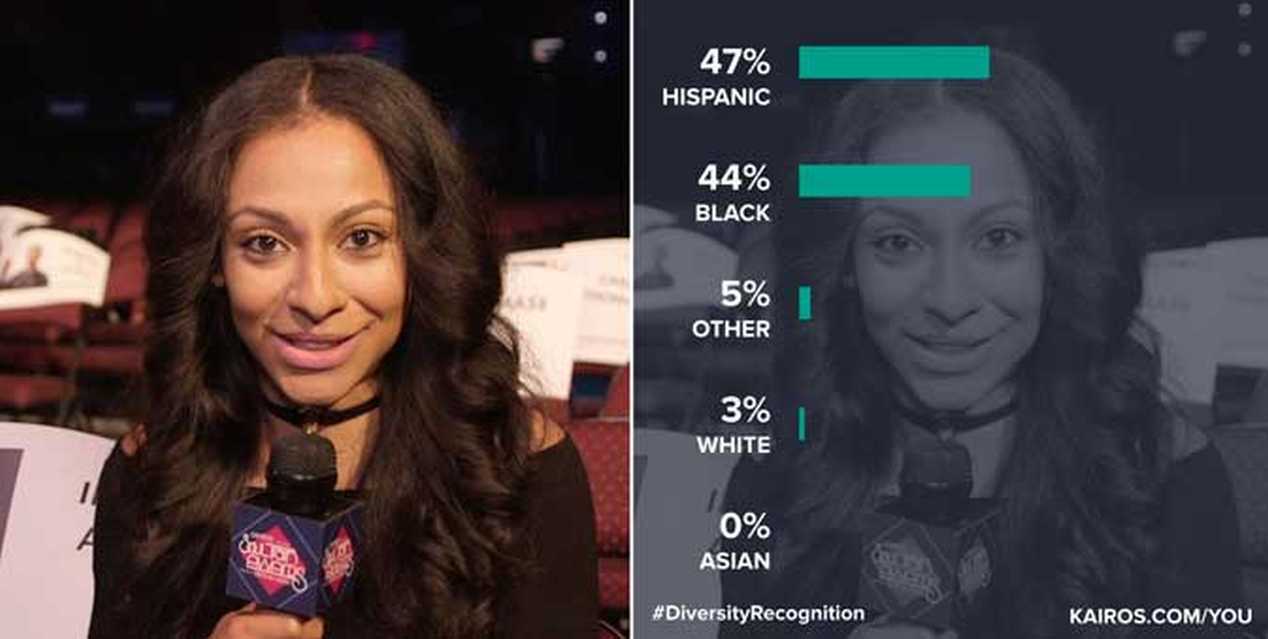
It’s important to understand that AI ethnicity prediction tools, even the most sophisticated ones, are offering statistical probabilities, not definitive truths. They are making an educated guess based on patterns identified in their training data. The confidence levels associated with these predictions can vary significantly. A high confidence score doesn’t guarantee accuracy, especially if the individual falls into a demographic that is less well-represented or more genetically diverse within the training set. Conversely, a lower confidence score might reflect the AI’s inability to find clear, statistically significant markers, which could be due to mixed ancestry or simply a unique combination of features that don’t fit neatly into predefined categories.
Beyond the Algorithm: The Future of Digital Identity and Self-Perception
The rise of AI-driven ethnicity prediction tools is not just a technological phenomenon; it is a cultural one that is already beginning to reshape how we think about identity and self-perception. As these technologies become more accessible and sophisticated, their impact will only grow, presenting both opportunities and challenges for individuals navigating their sense of self in an increasingly digital world.
The Digital Mirror: Self-Discovery and Confirmation
For many, these tools can serve as a starting point for self-discovery. They might spark curiosity about ancestral origins, prompting individuals to delve deeper into their family history through genealogical research or cultural exploration. For those with fragmented family histories or limited knowledge of their heritage, an AI prediction, even if imperfect, can offer a potential avenue for further investigation and a sense of connection to a broader narrative. It can act as a digital mirror, reflecting back certain perceived traits that might resonate with a person’s existing sense of self or inspire new avenues of exploration.
The Risk of External Validation and Identity Imposition
However, there’s a significant risk associated with placing too much faith in these algorithmic judgments. The pursuit of external validation for one’s identity can be a dangerous path. Relying on an AI to tell you who you are or where you come from can diminish the importance of personal experience, family narratives, and cultural belonging. It can lead to a passive acceptance of a digital label rather than an active embrace of a complex and evolving identity. In some cases, it could even lead to the imposition of an identity that doesn’t truly align with an individual’s lived experience or self-understanding.
The Evolution of Personal Branding in a Data-Driven World
The implications extend beyond personal introspection to the realm of personal branding and digital representation. In a world where algorithms are increasingly mediating our online interactions, understanding how one’s appearance is perceived by these systems becomes relevant. While ethnicity prediction isn’t directly about personal branding in a marketing sense, it touches upon the broader theme of how our digital personas are interpreted. As AI becomes more integrated into platforms that curate content or connect individuals, the ability of these systems to infer characteristics from visual data will influence everything from social media algorithms to dating app matching. This raises questions about the transparency of these inferences and our agency in defining how we are presented to the digital world.
Towards a More Nuanced Digital Future
Ultimately, the question “What ethnicity do I look like?” in the context of AI is less about finding a definitive answer and more about understanding the evolving landscape of identity in the digital age. It compels us to think critically about the data that shapes our perceptions, the biases that can be embedded in technology, and the enduring importance of self-definition. As AI continues to advance, the challenge will be to harness its power for genuine connection and understanding, without allowing it to reduce the rich, multifaceted tapestry of human identity to a set of predictable data points. The future lies not in algorithmic pronouncements of ethnicity, but in using technology as a tool to enrich our understanding of ourselves and the diverse world we inhabit, always prioritizing individual agency and the inherent complexity of who we are.
aViewFromTheCave is a participant in the Amazon Services LLC Associates Program, an affiliate advertising program designed to provide a means for sites to earn advertising fees by advertising and linking to Amazon.com. Amazon, the Amazon logo, AmazonSupply, and the AmazonSupply logo are trademarks of Amazon.com, Inc. or its affiliates. As an Amazon Associate we earn affiliate commissions from qualifying purchases.