
The linebacker is one of the most critical and physically demanding positions on a football field. Often described as the “quarterback of the defense,” linebackers possess a unique blend of strength, intelligence, speed, and agility that allows them to influence nearly every play. Their role is multifaceted, encompassing stopping the run, defending against the pass, and even applying pressure to the opposing quarterback. Understanding the linebacker’s responsibilities is key to appreciating the intricate strategies and athleticism that define American football.
The Core Responsibilities: Stopping the Run
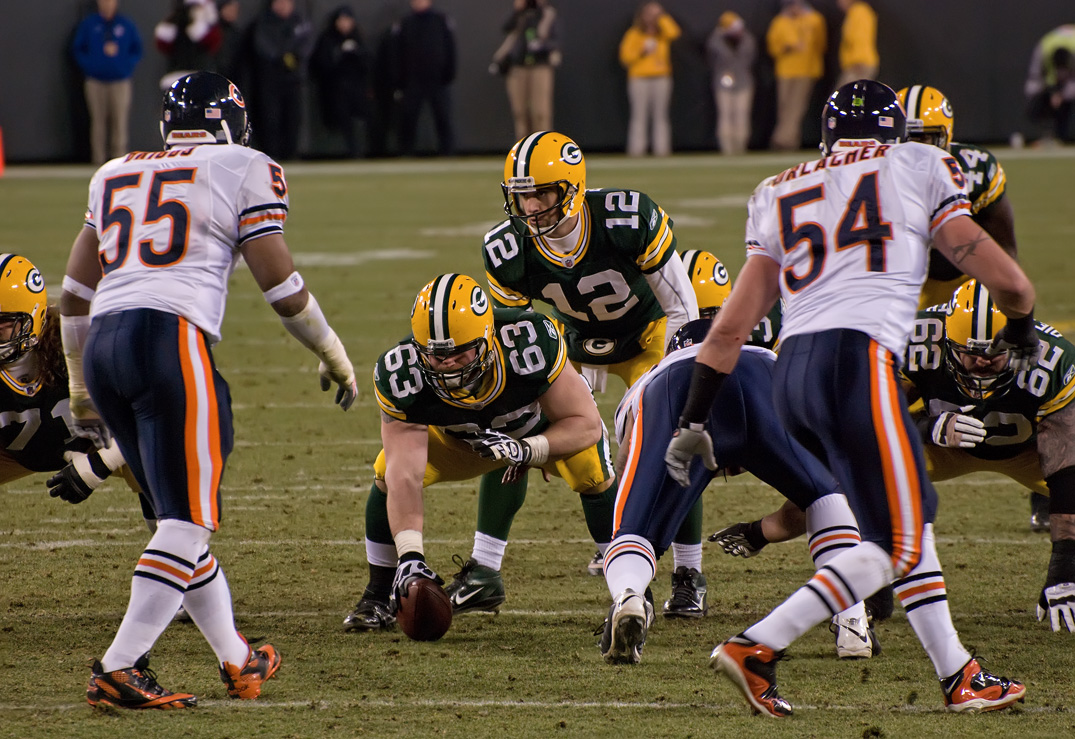
At their heart, linebackers are the primary enforcers against the run game. Their proximity to the line of scrimmage, typically behind the defensive linemen and in front of the defensive backs, places them in the ideal position to react to and disrupt rushing plays.
Gap Integrity and Run Blitzes
A fundamental aspect of a linebacker’s job is maintaining “gap integrity.” In football, the line of scrimmage is divided into imaginary “gaps” between the offensive linemen. Each defensive player is assigned a gap to control, preventing offensive players from bursting through. Linebackers are crucial in filling these gaps, often reacting to the flow of the play and pursuing the ball carrier with relentless force.
When the defense blitzes, a linebacker might be tasked with aggressively attacking a specific gap to disrupt the offensive play before it can develop. This requires excellent timing and recognition of the snap count and offensive formations. A successful blitz can force a fumble, sack the quarterback, or simply disrupt the offensive rhythm, creating an advantage for the defense.
Tackling and Pursuit Angles
The ability to make a clean and effective tackle is paramount for any linebacker. They must possess the strength to bring down larger, faster ball carriers and the technique to do so safely and efficiently. This involves proper pursuit angles – the most direct and effective path to the ball carrier. Taking a bad angle can allow the runner to break free, even if the defender is close. Linebackers practice these angles constantly, learning to read the offensive line’s movement and anticipate where the ball is likely to end up.
Reading Offensive Schemes and Adjusting
Effective linebackers are not just athletes; they are also astute readers of the game. They must be able to quickly diagnose the offensive scheme and adjust their positioning and responsibilities accordingly. This involves understanding offensive line blocking schemes, recognizing formations that suggest a run versus a pass, and anticipating the tendencies of the opposing team. A smart linebacker can see a play developing before it happens, allowing them to be in the right place at the right time to make a stop.
The Evolving Role: Pass Defense
While their run-stopping prowess is undeniable, modern linebackers are increasingly relied upon for their contributions in pass defense. The evolution of offensive schemes, particularly the prevalence of the passing game, has demanded a more versatile linebacker.
Zone Coverage Responsibilities
In zone coverage, linebackers are assigned a specific area of the field to defend. Their job is to prevent receivers from catching passes within their zone and to disrupt passing lanes. This requires good spatial awareness and the ability to cover a significant portion of the field. They must be able to transition from defending the run to covering a potential passing threat, often in a matter of seconds.
Man-to-Man Coverage and Matchups
In certain situations, linebackers may be asked to cover specific offensive players man-to-man, particularly tight ends or running backs who are often involved in pass plays. This is a more challenging assignment, as it requires linebackers to have the agility and speed to keep pace with quicker receivers. Successfully covering these players in man-to-man situations can significantly disrupt an offense’s passing attack.
Disrupting Passing Lanes and Blitzing the Passer

Beyond coverage, linebackers play a vital role in disrupting passing lanes. By getting their hands up and batting down passes, they can prevent completions and even force interceptions. Furthermore, linebackers are frequent participants in pass-rush blitzes. They can attack the quarterback from different angles than defensive linemen, often creating confusion and putting additional pressure on the offensive line. A well-timed blitz by a linebacker can force an errant throw or a costly sack.
Leadership and Play Calling
Linebackers are often the vocal leaders of the defense. Their central position and understanding of the defensive scheme make them ideal candidates for relaying play calls from the sideline or making pre-snap adjustments based on their reads of the offense.
The “Quarterback of the Defense”
This moniker is earned through a combination of intelligence, communication, and leadership. Linebackers are responsible for ensuring that the entire defensive unit is aligned correctly and understands the play being called. They must be able to communicate effectively with the defensive linemen, cornerbacks, and safeties to ensure seamless execution.
Pre-Snap Adjustments and Audibles
Experienced linebackers have the authority to make pre-snap adjustments if they perceive a mismatch or an offensive formation that deviates from the expected play. This can involve shifting their alignment, signaling defensive linemen to adjust their rush, or even calling an audible – a change in the defensive play on the fly to counter what they believe the offense is about to do. This level of autonomy requires a deep understanding of defensive strategy and trust from the coaching staff.
Recognizing Offensive Formations and Tendencies
A key part of a linebacker’s leadership is their ability to recognize offensive formations and tendencies. They study film extensively to understand how opposing offenses operate. This allows them to anticipate plays and make crucial calls. For example, if an offense consistently runs a specific play out of a certain formation, a linebacker who recognizes this can alert their teammates and prepare for it, significantly increasing the chances of a defensive stop.
Physical and Mental Demands
The role of a linebacker is as taxing mentally as it is physically. They are constantly making split-second decisions, absorbing powerful collisions, and processing a barrage of information.
Strength, Speed, and Agility
To excel, linebackers need an exceptional combination of physical attributes. They require the raw strength to tackle large offensive linemen and running backs, the speed to chase down outside runs or cover receivers, and the agility to change direction quickly and shed blocks. This necessitates rigorous training regimes focused on strength conditioning, cardiovascular endurance, and agility drills.
Football IQ and Decision-Making Under Pressure
Beyond physical prowess, a linebacker’s “football IQ” is paramount. They must possess the mental acuity to process complex information in real-time. This includes understanding defensive schemes, recognizing offensive plays, anticipating player movements, and making critical decisions under immense pressure. The ability to stay calm and make the right call when the game is on the line is what separates good linebackers from great ones.

Injury Risk and Durability
Due to the high-impact nature of their position, linebackers are unfortunately at a significant risk of injury. They are often involved in direct collisions with offensive players, absorbing blows to the head, knees, and shoulders. Maintaining durability and effectively managing recovery from minor injuries are crucial for a linebacker’s longevity in the sport. This highlights the importance of proper technique, conditioning, and a strong support system of medical professionals.
In conclusion, the linebacker is a cornerstone of any successful football defense. Their responsibilities are dynamic and demanding, requiring a rare blend of physical power, mental sharpness, and leadership. From shutting down the run to defending the pass, and from executing complex assignments to leading the entire defensive unit, the linebacker’s impact is felt on every snap. Their multifaceted role makes them one of the most fascinating and crucial positions to watch in the game of football.
aViewFromTheCave is a participant in the Amazon Services LLC Associates Program, an affiliate advertising program designed to provide a means for sites to earn advertising fees by advertising and linking to Amazon.com. Amazon, the Amazon logo, AmazonSupply, and the AmazonSupply logo are trademarks of Amazon.com, Inc. or its affiliates. As an Amazon Associate we earn affiliate commissions from qualifying purchases.