
In the landscape of modern commerce, managing the bottom line is often a game of margins. For small business owners, restaurateurs, and convenience store operators, the procurement of supplies represents one of the largest recurring expenses. While many are familiar with the standard Costco Wholesale warehouses—famous for their rotisserie chickens and massive consumer-facing aisles—fewer understand the strategic financial utility of the Costco Business Center.
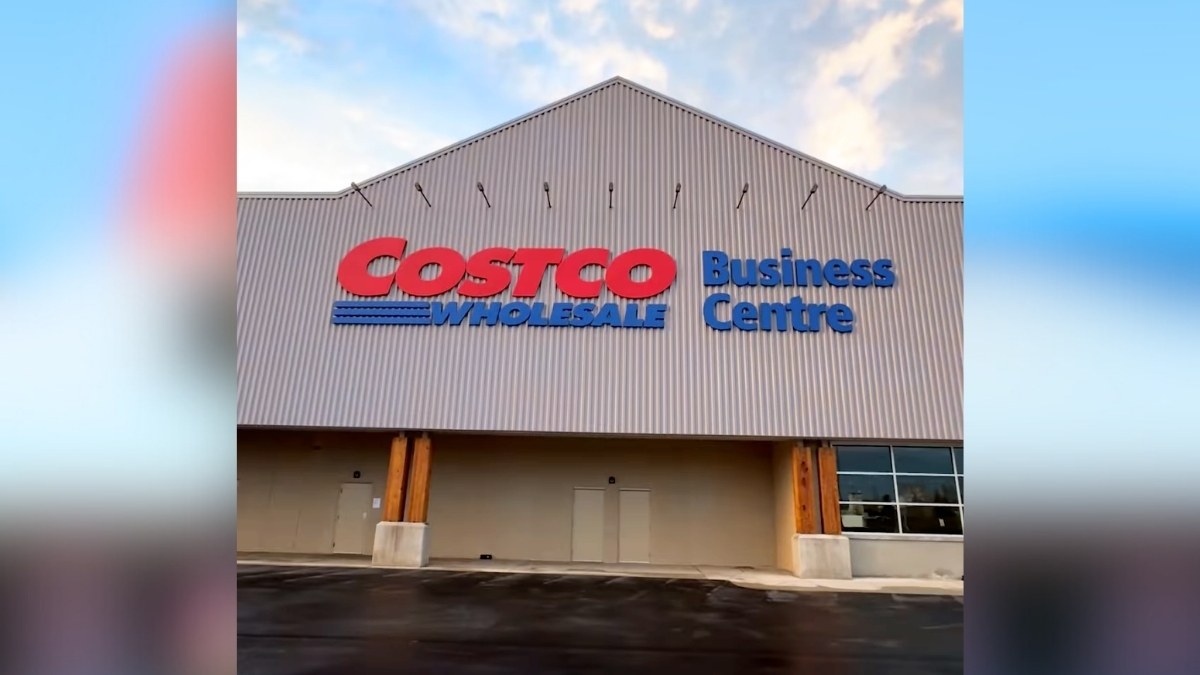
A Costco Business Center is a specialized division of the global retail giant designed specifically to cater to the logistical and financial needs of commercial entities. Unlike the standard warehouses, which balance residential needs with small-scale bulk buying, the Business Center is a powerhouse for business finance optimization. By focusing on high-volume inventory, commercial-grade equipment, and specialized delivery services, it serves as a critical tool for those looking to reduce operating expenses (OPEX) and improve their cost of goods sold (COGS).
Decoding the Costco Business Center Model: Beyond the Standard Warehouse
The fundamental difference between a standard Costco and a Business Center lies in the target demographic and the resulting inventory selection. While both require a Costco membership, the Business Center is engineered to facilitate professional procurement rather than household consumption.
Target Audience and Membership Dynamics
The Costco Business Center is tailored for “Member-Business” accounts, although any Costco member (including Gold Star members) is permitted to shop there. However, the financial structure of the Business Center favors the entrepreneur. The hours of operation are shifted significantly earlier—often opening at 7:00 AM—to allow business owners to stock their shelves or kitchens before their own doors open to the public. This alignment with professional schedules minimizes “time-poverty,” a hidden cost that often drains the resources of small business owners.
Distinct Product Inventory and Commercial Focus
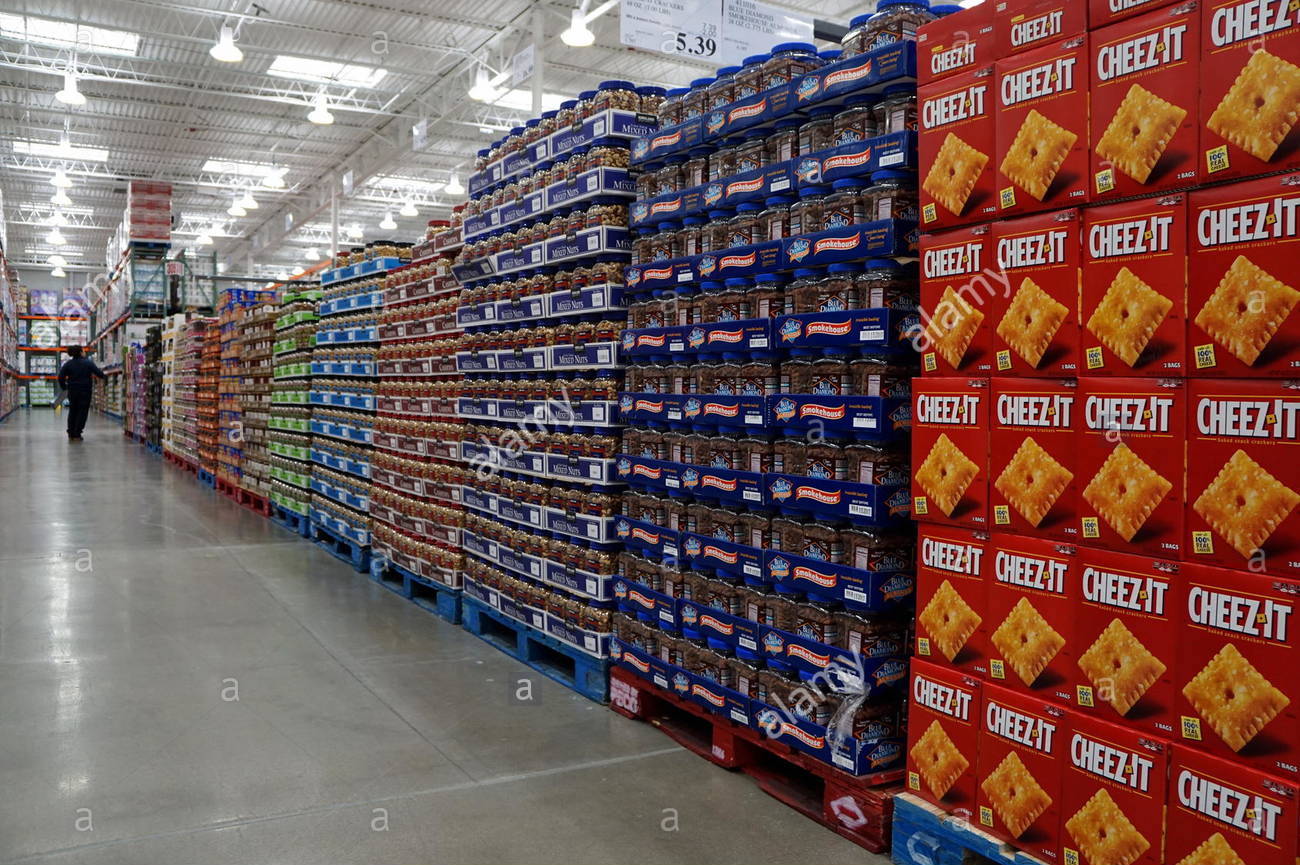
Approximately 70% of the products found at a Costco Business Center are not available at a traditional Costco warehouse. You will not find apparel, jewelry, or a seasonal toy section here. Instead, the floor space is dedicated to commercial-grade kitchen equipment, heavy-duty cleaning supplies, and massive quantities of food and beverage products. For a business, this specialization translates to a more efficient shopping experience, where the lack of consumer distractions allows for focused, high-volume purchasing that aligns with strict budgetary requirements.
Maximizing Business Finance through Strategic Procurement
For any entity focused on fiscal health, the primary goal of procurement is to achieve the lowest possible price per unit without sacrificing quality. The Costco Business Center model is built on this very principle, offering several avenues to strengthen a company’s financial position.
Reducing Operating Expenses via Bulk Purchasing
In a standard retail environment, items are packaged for the average family. At a Business Center, items are packaged for industry. Instead of a two-pack of ketchup, you will find five-gallon pails or crates of individual packets. From a financial perspective, this allows for a significant reduction in unit cost. By purchasing in extreme bulk, businesses can leverage economies of scale that are usually only available to larger corporations. This reduction in per-unit cost directly inflates the profit margin on every sale the business makes.
Leveraging Exclusive Delivery Networks for Logistics Efficiency
One of the most significant financial advantages of the Costco Business Center is its robust delivery infrastructure. While standard Costco locations have limited delivery options for bulk goods, Business Centers are designed for it. They utilize a fleet of specialized trucks to deliver products directly to a business’s doorstep. For many owners, the cost of delivery is far outweighed by the savings in labor and fuel. By outsourcing the logistics of procurement to Costco, a business owner can reallocate staff hours toward revenue-generating activities rather than errand-running, effectively improving the Return on Investment (ROI) of their labor costs.
The Financial Advantage of Specialized Inventory
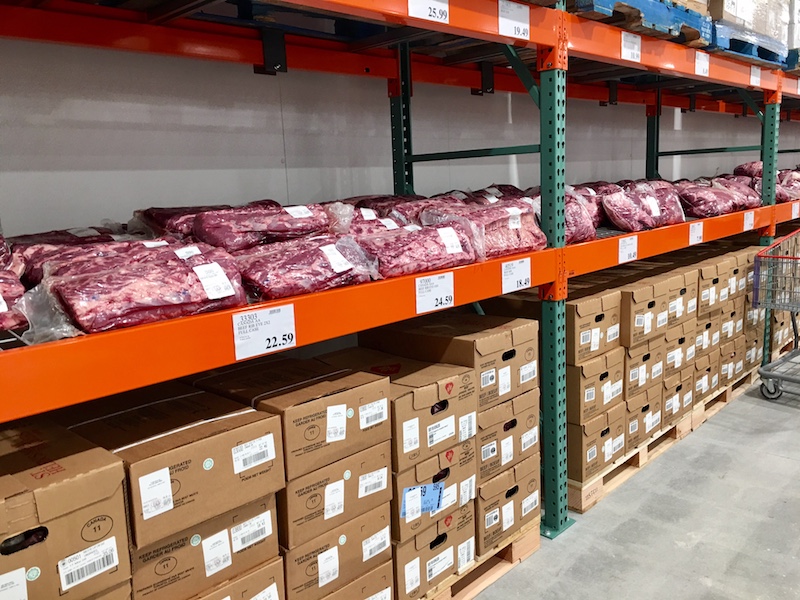
The inventory at a Business Center is curated to serve specific high-overhead industries. By catering to these niches, Costco provides a financial “one-stop shop” that simplifies accounting and inventory management.
Restaurant and Food Service Optimization
For those in the food and beverage industry, the Business Center is an essential partner in managing COGS. The inventory includes everything from industrial ovens and commercial mixers to massive quantities of protein and produce. Because these centers move product at a high velocity, the freshness of the inventory is often superior to traditional distributors. Furthermore, the transparent pricing model allows restaurant owners to forecast their food costs with higher accuracy, avoiding the fluctuating “contract pricing” often found with larger food distributors.
Office and Janitorial Overhead Management
Every business, regardless of industry, faces the “silent drain” of office and janitorial supplies. Tissues, paper towels, industrial cleaners, and breakroom snacks can accumulate into a significant annual expense. The Business Center provides these in quantities that last months rather than weeks, allowing for better cash flow management. Instead of making frequent, small purchases at a premium price, businesses can make quarterly bulk acquisitions, simplifying their expense tracking and reducing the number of invoices their accounting department needs to process.
Comparing Costco Business Center vs. Regular Costco: A Cost-Benefit Analysis
While both types of warehouses offer value, a strategic business owner must understand when to utilize each to maximize financial benefits. The choice often comes down to the specific use case of the purchased goods.
Selection Nuances for Resale and Internal Use
If your business model involves the resale of snacks or beverages—such as a vending machine business or a convenience store—the Business Center is the clear financial winner. They offer “Resale Ready” packaging that is compliant with labeling laws for individual sale, something often missing from the family-sized bundles at regular warehouses. Purchasing items that are already formatted for resale reduces the labor cost of repackaging and ensures a professional presentation for the end-user.
Convenience and Time-Management ROI
Time is a finite financial asset. A regular Costco can be a “time sink” due to heavy foot traffic and long checkout lines. Business Centers are generally less crowded, and the staff is trained for rapid processing of large-scale orders. When calculating the “True Cost” of an item, one must include the time spent acquiring it. The streamlined nature of the Business Center often results in a lower Total Cost of Ownership (TCO) for supplies when the value of the business owner’s time is factored into the equation.
Practical Strategies to Improve Your Bottom Line
To truly benefit from a Costco Business Center, a business must integrate it into their broader financial strategy. This involves more than just occasional shopping; it requires a systematic approach to inventory and taxes.
Utilizing Costco Business for Inventory Resale
For many small retailers, the Business Center acts as their primary wholesaler. Because Costco has immense buying power, they can often offer prices lower than traditional wholesalers who may have higher minimum order requirements. Small businesses can maintain a leaner inventory by using Costco as a “just-in-time” warehouse, reducing the amount of capital tied up in sitting stock. This improves the business’s liquidity, allowing that cash to be used for marketing, expansion, or debt reduction.
Navigating Tax Benefits and Business Rebates
Strategic financial management involves maximizing every available tax advantage. When purchasing through a Business Center for the purpose of resale, business owners can provide their resale certificate to avoid paying sales tax at the point of purchase. This preserves cash flow and ensures that tax is only collected once—from the final consumer.
Additionally, using a Costco Executive Membership in a business context can lead to significant annual rewards. The 2% reward on qualified purchases can add up to thousands of dollars in “found money” for a high-volume business, effectively acting as a retrospective discount on the year’s total procurement spend. When paired with a business-focused credit card that offers cash back on office supplies or fuel, the “stacked” rewards can represent a meaningful percentage of a business’s annual net profit.
Conclusion: A Pillar of Business Finance
The Costco Business Center is not merely a store; it is a financial tool designed for the rigors of entrepreneurship. By understanding the nuances of its inventory, leveraging its delivery capabilities, and utilizing its scale for better unit pricing, business owners can significantly improve their financial health. In an era where every penny of margin counts, the Business Center provides the infrastructure necessary for small and medium-sized enterprises to compete with larger corporations, ensuring that their procurement strategy is as lean and efficient as possible.
aViewFromTheCave is a participant in the Amazon Services LLC Associates Program, an affiliate advertising program designed to provide a means for sites to earn advertising fees by advertising and linking to Amazon.com. Amazon, the Amazon logo, AmazonSupply, and the AmazonSupply logo are trademarks of Amazon.com, Inc. or its affiliates. As an Amazon Associate we earn affiliate commissions from qualifying purchases.