
In the modern financial landscape, a credit card is far more than a simple plastic rectangle used for transactions. It is a sophisticated financial tool that, when used strategically, can serve as a lever for building wealth, securing travel luxuries, and protecting your purchasing power. However, with thousands of options available, the “best” credit card is not a universal constant; it is a subjective choice based on your spending habits, credit score, and long-term financial goals.
Choosing the right card requires a deep dive into reward structures, interest rates, and ancillary benefits. Whether you are looking to earn cash back on everyday groceries or seeking elite status with global airlines, understanding the nuances of the credit market is essential. This guide explores the top categories of credit cards to help you identify which one deserves a permanent place in your wallet.
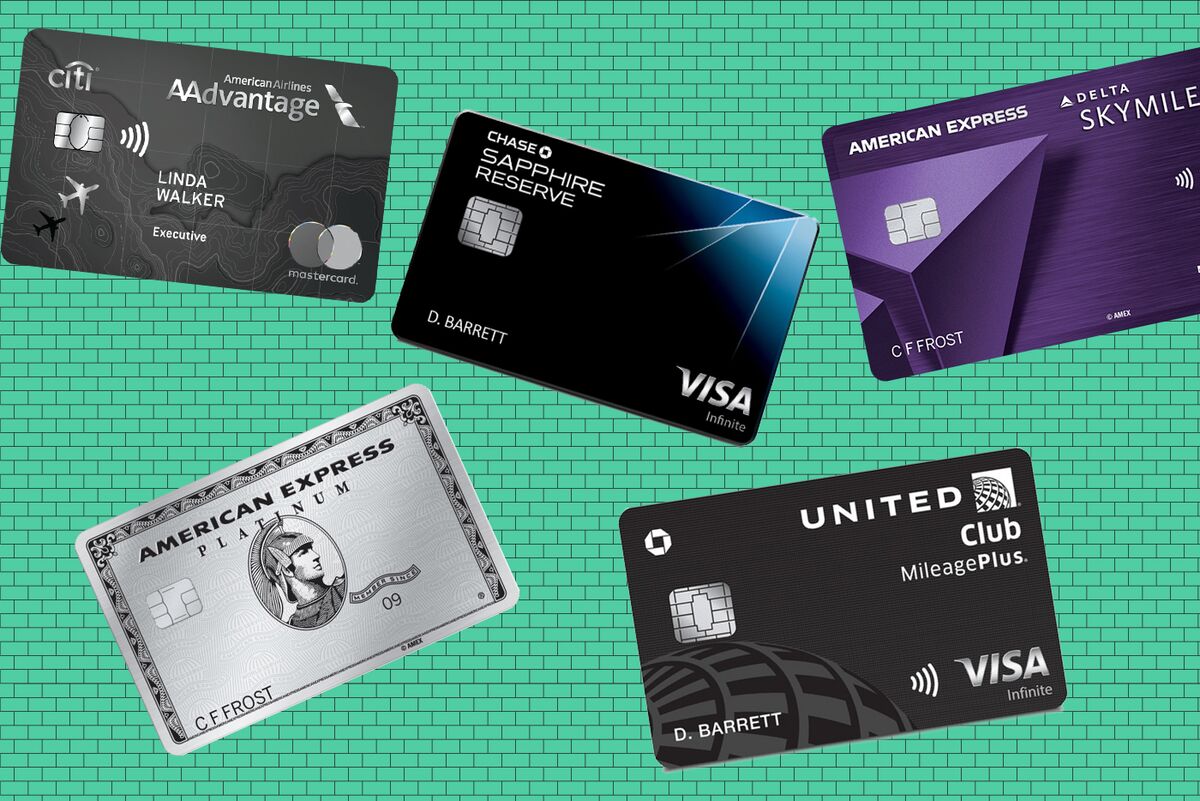
1. Maximizing Daily Utility: The Rise of High-Yield Cash Back Cards
For many consumers, simplicity is the ultimate sophistication. Cash back credit cards remain the most popular choice because their value proposition is transparent: for every dollar you spend, you receive a percentage back in liquid currency. Unlike complex points systems, cash back allows for immediate reinvestment into your monthly budget or savings account.
The Flat-Rate Advantage
Flat-rate cash back cards are the workhorses of the personal finance world. These cards typically offer a steady 1.5% to 2% back on every purchase, regardless of the category. This is ideal for the “set it and forget it” consumer who does not want to track rotating categories or manage multiple cards for different stores. Over a year, a 2% return on total household spending can amount to thousands of dollars in passive income.
Tiered Rewards for Targeted Spending
For those willing to put in a little more effort, tiered reward cards offer higher percentages—often 3% to 6%—on specific categories like groceries, gas, or streaming services. By aligning a tiered card with your largest budget line items, you can significantly outperform a flat-rate card. For instance, a family spending $800 a month on groceries would see a much higher return using a card specifically optimized for supermarkets than a general-purpose card.
Strategic Cash Back Redemption
The best cash back cards offer flexibility in how you use your rewards. Beyond simple statement credits, some cards allow you to deposit rewards directly into a high-yield savings account or an individual retirement account (IRA). This turns a simple spending habit into a systematic wealth-building strategy, allowing your “rebates” to earn compound interest over time.
2. The Art of the Point: Travel Rewards and Elite Perks
For the frequent traveler or the aspiring globetrotter, travel reward cards offer a value proposition that often exceeds that of cash back. These cards earn points or miles that can be redeemed for flights, hotel stays, and unique experiences. When redeemed strategically—such as for international business class seats—the “cents per point” value can be significantly higher than a standard 2% cash back return.
General Travel Cards vs. Co-Branded Cards
General travel cards offer flexible points that can be transferred to various airline and hotel partners. This flexibility is their greatest strength, as it protects the user from devaluations in a single airline’s frequent flyer program. Conversely, co-branded cards (linked to a specific airline or hotel chain) often provide niche perks like free checked bags, priority boarding, or complimentary room upgrades, which can justify the annual fee for brand-loyal travelers.
The Value of Transfer Partners
The most seasoned “travel hackers” focus on cards that feature robust transfer partners. By moving points from a credit card issuer to an airline partner, users can often find “sweet spots” in award charts. This allows for luxury travel that would otherwise be cost-prohibitive. Understanding the ecosystem of transfer partners is the key to unlocking the maximum potential of travel-oriented financial tools.
Comprehensive Travel Insurance and Protection
Beyond the points, premium travel cards offer a layer of digital and physical security. Features such as primary rental car insurance, trip cancellation/interruption coverage, and lost luggage reimbursement provide peace of mind that can save a traveler thousands of dollars in the event of an emergency. In this context, the credit card acts as a secondary insurance policy for your lifestyle.
3. Building a Foundation: Cards for Credit Development
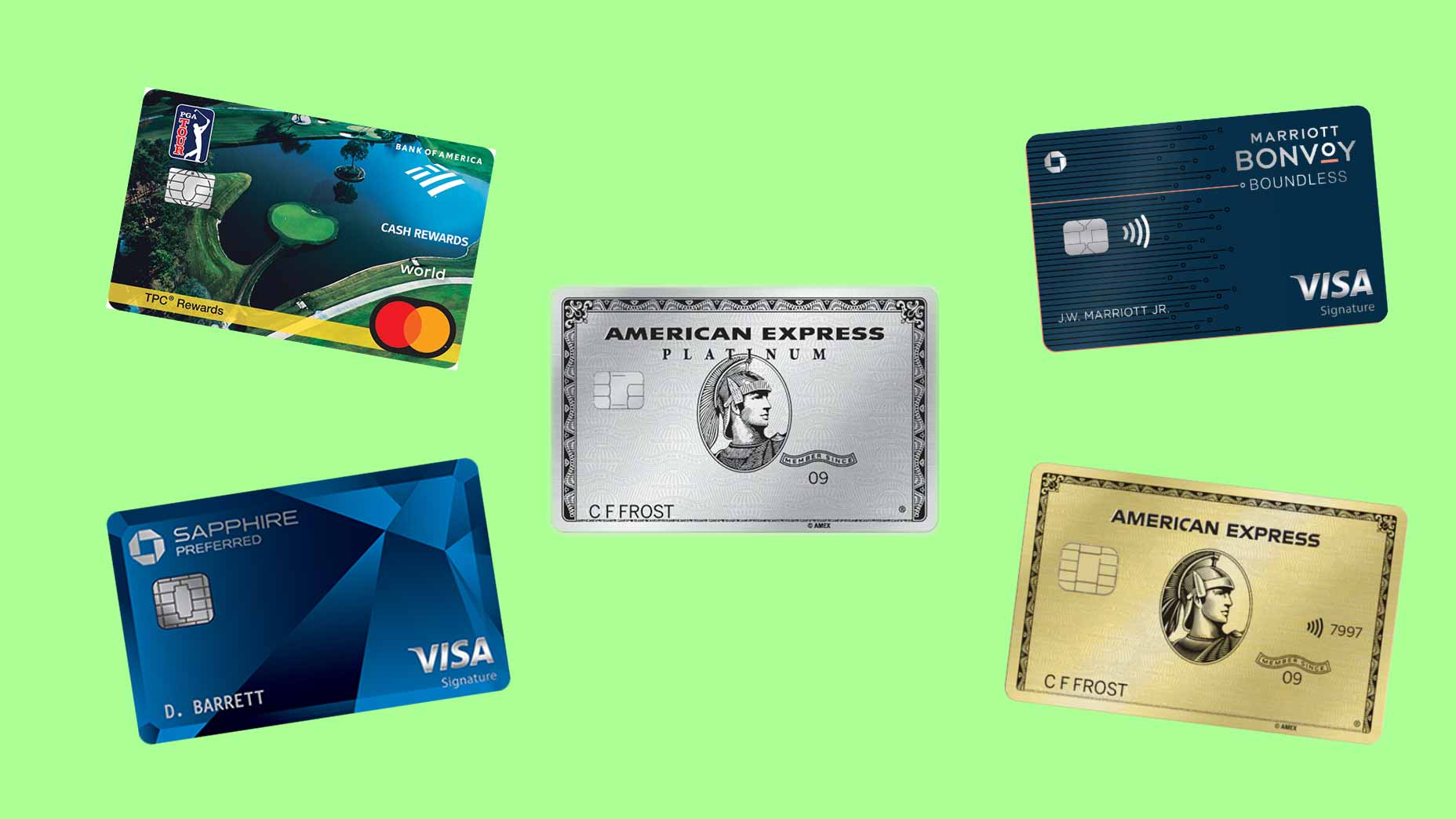
Not everyone starts their financial journey with an elite credit score. For students, immigrants, or those recovering from past financial missteps, the “best” card is one that facilitates the growth of a healthy credit profile. These cards are designed with lower barriers to entry but require disciplined usage to be effective.
The Role of Secured Credit Cards
Secured cards are the gold standard for credit building. They require a refundable security deposit, which usually acts as the credit limit. Because the lender’s risk is mitigated by the deposit, these cards are accessible to almost anyone. The primary goal here isn’t rewards; it’s the consistent reporting of on-time payments to the major credit bureaus, which is the single most important factor in your FICO score.
Student Credit Cards: Starting Early
University is the ideal time to begin a credit history. Many issuers offer student-specific versions of their popular cards, often with “good grade” bonuses and lower income requirements. By managing a student card responsibly, young adults can graduate with a credit score high enough to qualify for competitive mortgage or auto loan rates immediately upon entering the workforce.
Transitioning to Unsecured Credit
The hallmark of a good starter card is the “graduation” path. Many top-tier issuers will automatically review secured accounts after six to twelve months of responsible use. If the user has demonstrated fiscal reliability, the issuer may refund the security deposit and transition the account to a standard, unsecured credit card, often with a higher limit and an improved reward structure.
4. Premium Tiers: When Annual Fees are Worth the Investment
There is a segment of the credit card market characterized by high annual fees, often ranging from $250 to $695. While these numbers may seem daunting, premium cards are designed for high-spend, high-utility users who can extract more value from the benefits than they pay in fees.
Airport Lounge Access and Comfort
One of the most coveted perks of premium cards is access to global lounge networks. For the business traveler, the ability to work in a quiet, comfortable environment with complimentary high-speed internet and food can turn a grueling layover into a productive work session. When compared to the cost of purchasing individual lounge passes or airport meals, the annual fee often pays for itself within a few trips.
Statement Credits and Lifestyle Offsets
To justify their high fees, premium cards often provide “credits” for specific services. These might include annual credits for hotel stays, digital subscriptions, gym memberships, or ride-sharing services. A card with a $550 annual fee that provides $500 in credits for services you already use effectively costs only $50. This requires the user to be diligent in tracking their benefits to ensure they are not “leaving money on the table.”
Concierge Services and Exclusive Access
Premium cards often grant users access to a dedicated concierge service that can assist with difficult-to-get dinner reservations, event tickets, or travel planning. Additionally, these cardholders may get early access to concert tickets or invitations to private culinary and sporting events. For many, these “experience” benefits provide a level of utility that transcends simple monetary rewards.
5. Decision Framework: Choosing Your Ideal Card
The final step in navigating the credit card market is applying a rigorous framework to your own financial data. Selecting a card based on a flashy advertisement rather than a logical analysis can lead to missed opportunities or unnecessary debt.
Analyzing Your Spending Patterns
Before applying, review three months of bank statements. Are you spending more on dining and entertainment, or is your budget dominated by gas and groceries? Use a rewards calculator to estimate what your annual return would be on various cards. A card with a 4% return on dining is useless if you cook all your meals at home.
Understanding the Cost of Debt (APR)
While rewards are the focus of marketing, the Annual Percentage Rate (APR) is the most critical factor for anyone who might carry a balance. If there is any chance you will not pay your bill in full every month, a low-interest card or a 0% intro APR card is significantly better than a high-reward card. The interest charged on a revolving balance will almost always outpace the value of any points or cash back earned.
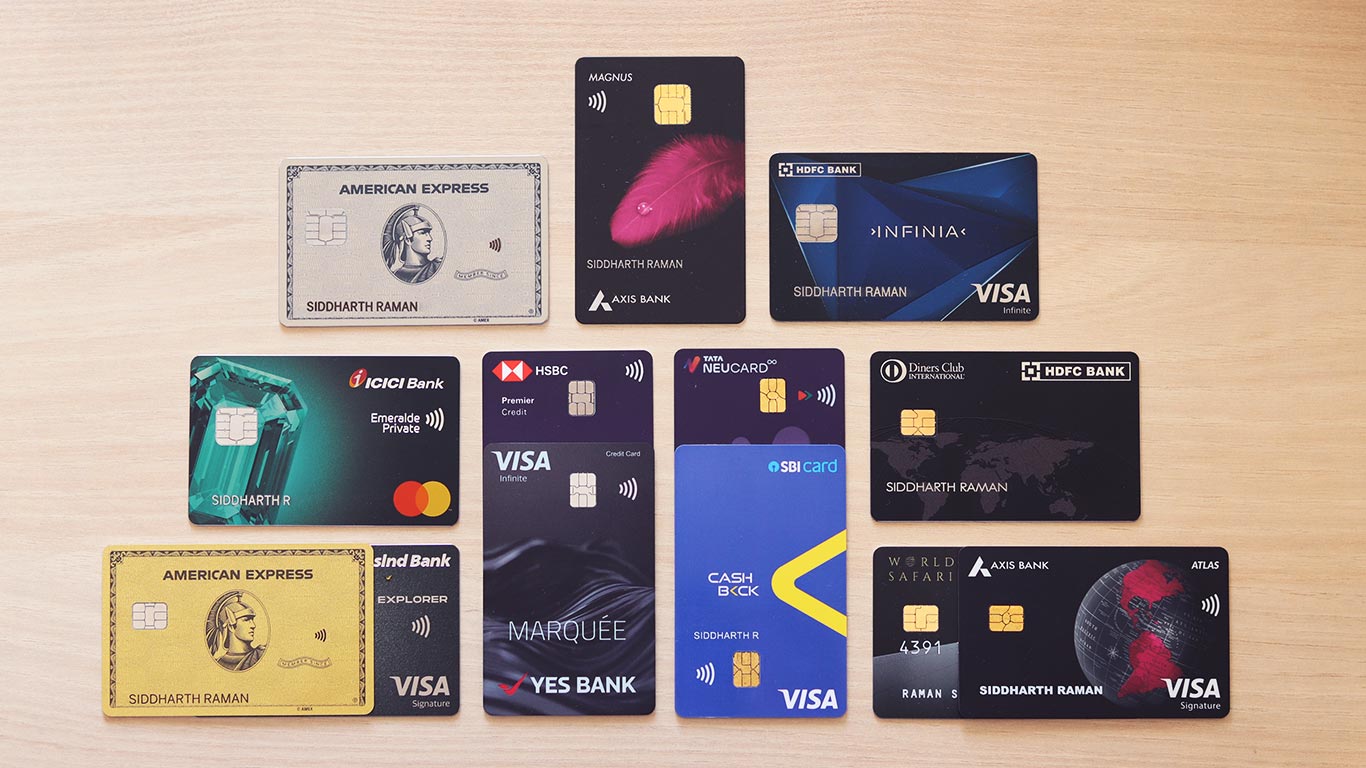
The Importance of Long-Term Utility
Finally, consider the longevity of the card. Every time you open a credit account, it affects the average age of your accounts—a key component of your credit score. Look for cards issued by banks that have a wide portfolio of products, allowing you to “upgrade” or “downgrade” your card as your lifestyle changes without having to close the account and damage your credit history.
In conclusion, the “best” credit card is the one that aligns with your current financial reality while fueling your future goals. By treating credit as a strategic asset rather than a line of debt, you can turn your everyday spending into a powerful engine for financial optimization.
aViewFromTheCave is a participant in the Amazon Services LLC Associates Program, an affiliate advertising program designed to provide a means for sites to earn advertising fees by advertising and linking to Amazon.com. Amazon, the Amazon logo, AmazonSupply, and the AmazonSupply logo are trademarks of Amazon.com, Inc. or its affiliates. As an Amazon Associate we earn affiliate commissions from qualifying purchases.