
For millions of investors, from institutional hedge fund managers to retail day traders, the question of “when will the NYSE open” is more than just a matter of checking a clock. The New York Stock Exchange (NYSE), located at 11 Wall Street in Lower Manhattan, represents the heartbeat of global capitalism. As the world’s largest stock exchange by market capitalization, its opening and closing bells dictate the rhythm of global finance.
Understanding the specific timing of the NYSE is crucial for executing trades at the best possible prices, managing risk, and interpreting market volatility. Whether you are wondering about standard hours, holiday closures, or the nuances of extended-hours trading, this guide provides a deep dive into the temporal mechanics of the Big Board.
Understanding the Standard Trading Hours of the New York Stock Exchange
The NYSE operates on a disciplined schedule that has remained largely consistent for decades, providing a centralized window where liquidity is at its peak. For the vast majority of investors, the “core” session is where the most significant price discovery occurs.
The Opening Bell: 9:30 AM ET
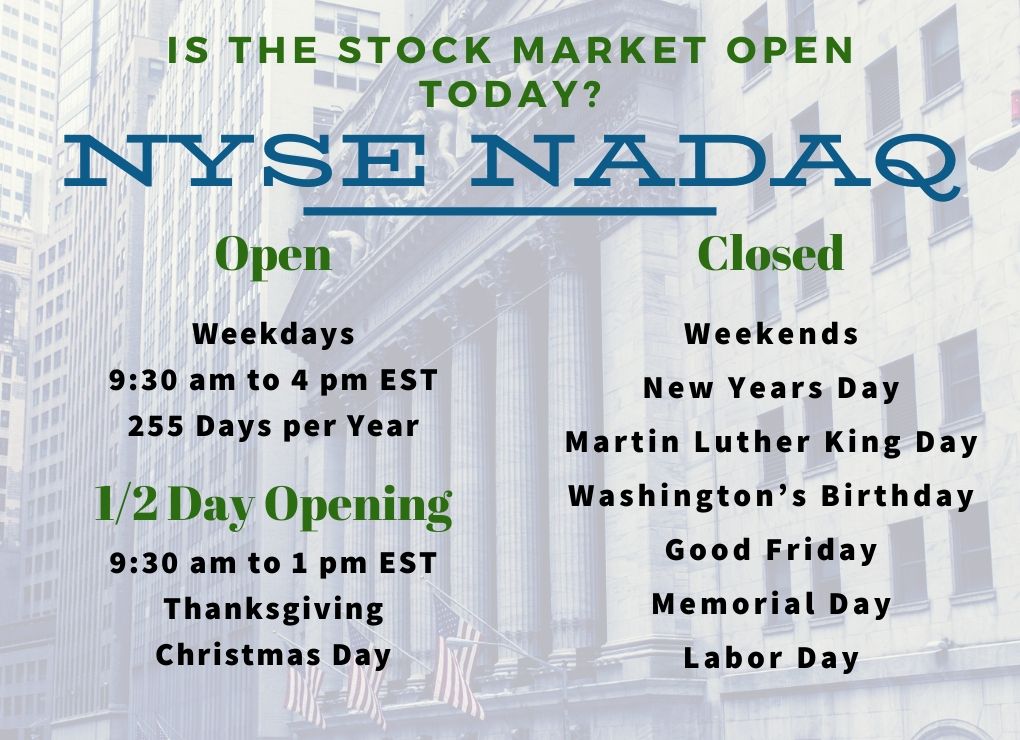
The NYSE officially opens for core trading at 9:30 AM Eastern Time (ET), Monday through Friday. The “Opening Bell” is one of the most iconic traditions in finance, often rung by corporate executives, celebrities, or community leaders to mark the start of the business day.
From a technical perspective, the opening is not just a flip of a switch. It involves an “opening auction” process. During this time, the Designated Market Makers (DMMs) facilitate a process to determine the opening price of each security based on the buy and sell orders that have accumulated overnight. This ensures that the market opens with as much stability and transparency as possible, despite the often-heavy volume of orders waiting to be filled.
The Closing Bell: 4:00 PM ET
The trading day concludes at 4:00 PM ET. Much like the opening, the “Closing Bell” signals the end of core trading. The final minutes of the day, often referred to as the “Closing Auction,” are some of the most liquid and volatile moments in the market. Many institutional funds and ETFs are designed to track the closing price of a stock, leading to a massive surge in volume right before 4:00 PM. For many traders, the closing price is the most important data point of the day, as it serves as the benchmark for portfolio valuations and margin requirements.
Why the NYSE Doesn’t Close for Lunch
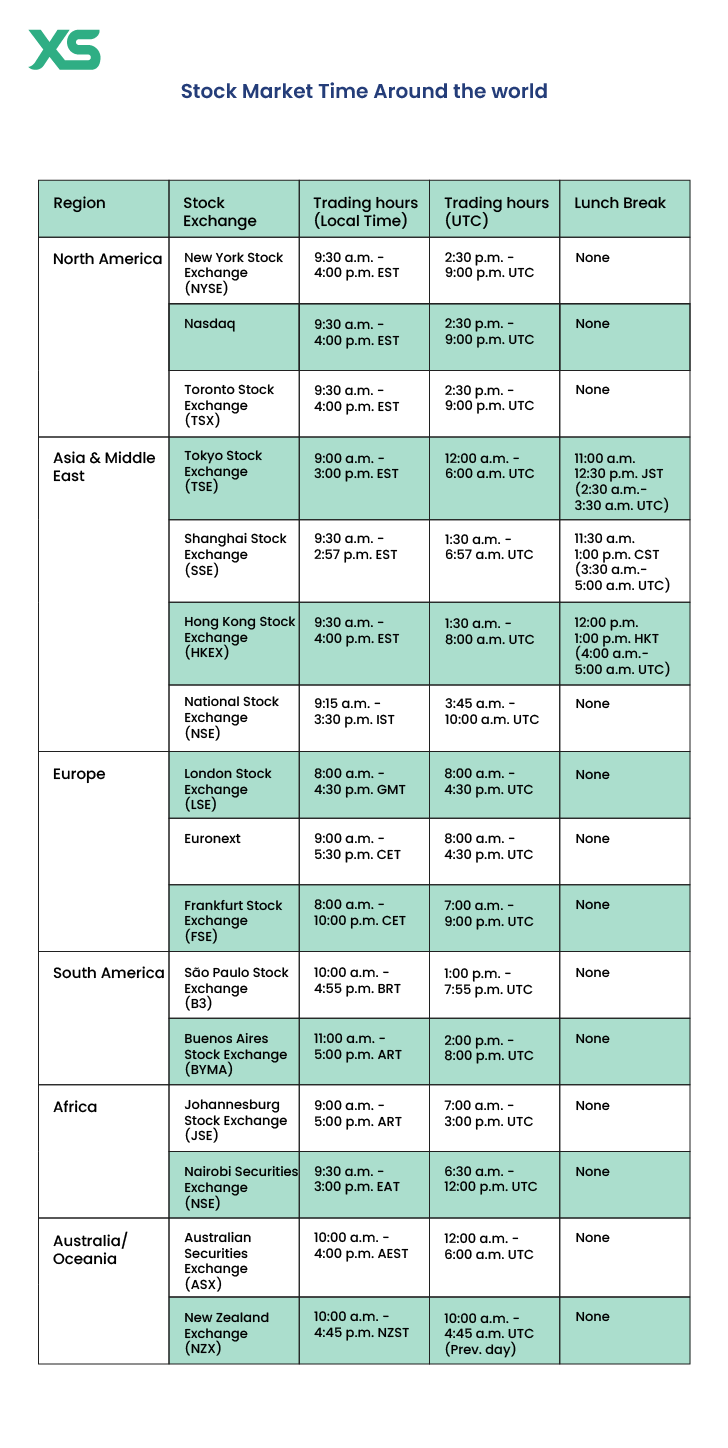
Unlike some international exchanges—such as the Tokyo Stock Exchange or the Hong Kong Stock Exchange, which take a mid-day break—the NYSE remains open continuously from 9:30 AM to 4:00 PM. This continuous session was designed to ensure that there is no interruption in price discovery and to accommodate the high volume of domestic and international trade flows that characterize the American markets. While individual floor traders might take shifts for lunch, the electronic systems and matching engines never pause during the business day.
Extended Hours Trading: Pre-Market and After-Hours Sessions
In the modern era of electronic trading, the 9:30 AM to 4:00 PM window is no longer the only time investors can trade. Electronic Communication Networks (ECNs) allow for “extended hours” trading, which can be vital for reacting to news that breaks outside of the standard session.
Early Birds: Navigating the Pre-Market Session
The NYSE Arca—the exchange’s fully electronic platform—begins its “Early Trading Session” as early as 4:00 AM ET. However, most retail brokerage platforms allow their users to begin trading during the more common pre-market window starting at 7:00 AM or 8:00 AM ET.
Trading during these hours is primarily driven by news. If a company releases an earnings report at 7:30 AM or if a significant geopolitical event occurs overnight, the pre-market session allows investors to adjust their positions before the official opening bell. However, investors should be aware that liquidity is significantly lower during these hours, which can lead to wide “bid-ask spreads”—the difference between what a buyer is willing to pay and what a seller is willing to accept.
Post-Market Analysis: The After-Hours Session
After the 4:00 PM closing bell, the NYSE enters the “Late Trading Session,” which runs until 8:00 PM ET. This session is particularly active during “Earnings Season.” Since most public companies wait until the market closes to release their quarterly results to avoid intra-day volatility, the after-hours session is where the initial market reaction is captured. A stock might close the day at $100, but by 4:15 PM, following a poor earnings report, it could be trading at $90 in the after-hours market.

Risks and Rewards of Extended Hours
While extended hours offer the convenience of reacting to news immediately, they come with unique risks:
- Lower Liquidity: Fewer participants mean it can be harder to enter or exit a position without moving the price significantly.
- High Volatility: Prices can swing wildly on small amounts of volume.
- Limited Order Types: Many brokers only allow “limit orders” during extended hours to protect investors from unexpected price gaps.
NYSE Holiday Schedule and Early Closures
The NYSE does not operate 365 days a year. It follows a specific calendar of federal holidays and traditional market breaks. If you are asking “when will the NYSE open” on a Monday that happens to be a holiday, the answer is likely “it won’t.”
Major Federal Holidays and Market Closures
The NYSE is closed for the following nine holidays:
- New Year’s Day
- Martin Luther King, Jr. Day (Third Monday in January)
- Presidents’ Day (Third Monday in February)
- Good Friday (The Friday before Easter)
- Memorial Day (Last Monday in May)
- Juneteenth National Independence Day (June 19th)
- Independence Day (July 4th)
- Labor Day (First Monday in September)
- Thanksgiving Day (Fourth Thursday in November)
- Christmas Day (December 25th)
If a holiday falls on a Saturday, the market usually closes on the preceding Friday. If it falls on a Sunday, the market closes on the following Monday.
Early Dismissals: The Day Before Independence Day and Black Friday
In addition to full closures, the NYSE observes “early hours” on certain days, typically closing at 1:00 PM ET. This usually occurs on the day after Thanksgiving (Black Friday) and sometimes on the day before or after Independence Day or Christmas Eve, depending on which day of the week the holiday falls. These shortened sessions often see very low trading volume as many market participants are on vacation, but they can still experience “thin-market” volatility.
Weekend Trading: Why the Market Rests
The NYSE remains closed on Saturdays and Sundays. While some foreign markets, particularly in the Middle East, operate on Sundays, the Western financial world adheres to the five-day work week. This weekend pause is essential for clearinghouses to settle trades and for institutional firms to perform system maintenance and risk assessments. For the individual investor, the weekend serves as a period of reflection and research before the Monday morning open.
Global Impact and the Importance of Market Timing for Investors
The opening of the NYSE is not just a domestic event; it is a global one. Because the U.S. dollar is the world’s reserve currency and the NYSE hosts the largest multinational corporations, its hours affect every corner of the financial world.
Time Zone Conversions for International Traders
For investors outside of the Eastern Time Zone, the NYSE opening requires a bit of math.
- London (GMT/BST): The NYSE opens at 2:30 PM and closes at 9:00 PM.
- California (PST): The NYSE opens at 6:30 AM and closes at 1:00 PM.
- Tokyo (JST): The NYSE opens at 10:30 PM and closes at 5:00 AM the following day.
International investors must often balance their local market hours with the U.S. session, leading to the “overlap” periods—such as the morning in New York and the afternoon in London—where global liquidity is at its absolute highest.
The Concept of “Market Liquidity” at Open and Close
Liquidity refers to how easily an asset can be bought or sold without affecting its price. In the context of the NYSE, liquidity is like a U-shaped curve. It is highest at the open (9:30 AM) and the close (4:00 PM), and it typically dips during the “mid-day doldrums” (between 12:00 PM and 2:00 PM).
Smart investors often avoid making large trades during the middle of the day when liquidity is lower, as they are more likely to experience “slippage”—getting a price slightly worse than expected. Conversely, the opening hour is often preferred by day traders who thrive on the high volume and volatility that comes when all the overnight news is finally priced into the market.
Algorithmic Trading and the Opening Volatility
In the modern market, a significant percentage of trading at the NYSE open is executed by algorithms. High-Frequency Trading (HFT) systems are programmed to react to price triggers in milliseconds. This can lead to a “choppy” opening where prices jump up and down rapidly before finding a direction. For the average personal investor, it is often wise to wait 15 to 30 minutes after the 9:30 AM opening bell for the “initial balance” to be established. This allows the algorithmic dust to settle and provides a clearer picture of the day’s true trend.
In conclusion, knowing “when will the NYSE open” is the first step in mastering the art of market timing. By understanding the core hours, respecting the holiday schedule, and navigating the risks of extended-hours trading, you can align your investment strategy with the natural flow of global capital. Whether you are a long-term investor or a tactical trader, the clock is one of the most powerful tools in your financial arsenal.
aViewFromTheCave is a participant in the Amazon Services LLC Associates Program, an affiliate advertising program designed to provide a means for sites to earn advertising fees by advertising and linking to Amazon.com. Amazon, the Amazon logo, AmazonSupply, and the AmazonSupply logo are trademarks of Amazon.com, Inc. or its affiliates. As an Amazon Associate we earn affiliate commissions from qualifying purchases.