
For many, the question of how much to allocate to housing is a recurring financial dilemma, a critical point where aspiration meets reality. Rent is often the single largest monthly expense, making its proportion of your paycheck a cornerstone of your overall financial health. While popular rules of thumb offer a starting point, the ideal percentage is rarely one-size-fits-all. It’s a complex equation influenced by location, income stability, lifestyle choices, and individual financial goals. Navigating this challenge requires a blend of accepted wisdom, meticulous budgeting, and a deep understanding of your personal financial landscape. This article will delve into various guidelines, explore factors that necessitate deviation from them, and offer actionable strategies to ensure your rent payment supports, rather than hinders, your journey towards financial well-being.

Understanding the Golden Rules of Rent-to-Income Ratios
Financial experts and housing authorities have long offered guidelines to help individuals gauge an appropriate amount for housing expenses. These rules provide a valuable framework, albeit one that requires careful interpretation in the context of your unique situation.
The 30% Rule: A Timeless Guideline
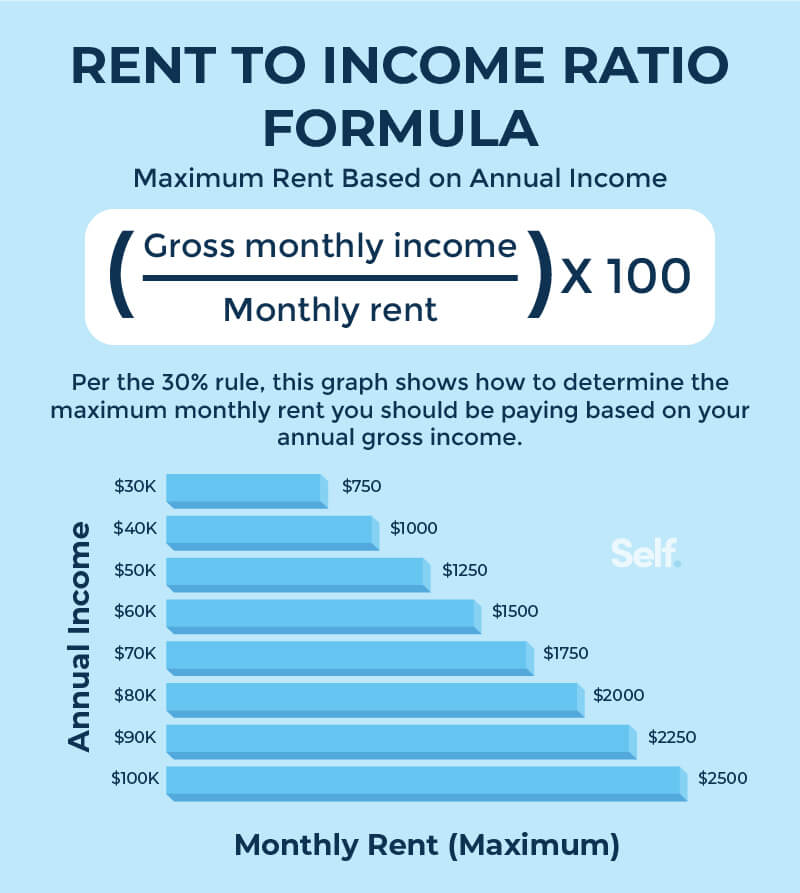
Perhaps the most widely cited piece of advice, the 30% rule suggests that your gross monthly income should not exceed 30% for housing costs. This benchmark originated from the U.S. Department of Housing and Urban Development (HUD) in the 1960s, aiming to define “affordable” housing. For instance, if you earn $5,000 per month pre-tax, your rent, including utilities if applicable, should ideally be no more than $1,500. The simplicity of this rule makes it incredibly popular, providing a quick initial assessment. Landlords often use it as a screening criterion, requiring tenants to earn at least three times the monthly rent. Adhering to this rule theoretically leaves ample room for other necessities, savings, and discretionary spending.
However, the 30% rule has its limitations. It often doesn’t differentiate between gross and net income, a crucial distinction given taxes, healthcare premiums, and retirement contributions significantly reduce disposable income. In high-cost-of-living areas, strictly adhering to this rule can be nearly impossible without sacrificing other fundamental needs or living in subpar conditions. Conversely, for high earners, 30% might be an overly generous allocation, potentially hindering aggressive savings goals.
The 50/30/20 Rule: A Broader Budgeting Framework
Developed by Senator Elizabeth Warren and her daughter Amelia Warren Tyagi, the 50/30/20 rule offers a more holistic budgeting approach that incorporates housing as part of a larger financial picture. This rule allocates 50% of your after-tax income to “Needs,” 30% to “Wants,” and 20% to “Savings & Debt Repayment.” Under this framework, rent, utilities, groceries, transportation, and minimum loan payments fall under the “Needs” category.
The strength of the 50/30/20 rule lies in its comprehensive nature, acknowledging that housing is just one piece of the puzzle. It encourages individuals to view rent not in isolation, but in conjunction with all essential expenses. By capping all needs at 50%, it implicitly suggests that rent alone should ideally be less than this, leaving room for other necessities. This rule offers greater flexibility than the rigid 30% rule, particularly for those in expensive markets, as long as the total “Needs” category remains within its boundary. It implicitly pushes you to make trade-offs: if your rent is high, other needs must be low, or your “Wants” and “Savings” categories will suffer.
The 25% Rule: For the Frugal and Financially Ambitious
A more conservative guideline, the 25% rule, is often championed by financial independence (FI) advocates and those aiming for aggressive savings. This rule suggests allocating no more than 25% of your net income to housing costs. The primary benefit of this approach is the substantial financial cushion it creates. By keeping housing expenses low, a larger portion of your income can be directed towards savings, investments, and accelerated debt repayment.
While appealing for its financial prudence, the 25% rule can be challenging to implement, especially for lower-to-middle-income earners or those living in competitive rental markets. It often necessitates compromises such as living with roommates, choosing less desirable locations, or opting for smaller spaces. However, for those with the flexibility and determination, achieving the 25% threshold can significantly accelerate wealth accumulation and provide immense financial peace of mind. It underscores the powerful impact that controlling your largest expense can have on your long-term financial trajectory.
Beyond the Rules: Personalizing Your Rent Budget
While guidelines are helpful, a truly effective rent budget must be deeply personal, reflecting your unique circumstances, aspirations, and limitations. Blindly following a rule without considering your broader financial context can lead to unnecessary stress or missed opportunities.
Income Stability and Growth Potential
Your income level is undeniably the primary driver of your rent affordability, but its stability and growth potential are equally important. A consistent, predictable salary allows for more confident budgeting, whereas fluctuating income from freelance work or commissions demands a more conservative approach. If your job is unstable or you anticipate a significant career change, maintaining a lower rent payment provides a vital buffer. Conversely, if you’re on a clear career path with guaranteed raises, you might factor in future earning potential when considering a slightly higher rent, albeit cautiously. Always ensure you have a robust emergency fund – typically 3-6 months of living expenses – to safeguard against unexpected income interruptions, making your housing decisions resilient.
Cost of Living in Your Area
Geographical location is perhaps the most significant external factor influencing rent costs. Living in major metropolitan areas like New York City, San Francisco, or London inherently means a disproportionately larger chunk of your paycheck will go towards housing, often pushing affordability ratios beyond traditional benchmarks. In such areas, strict adherence to the 30% rule might be unrealistic or lead to extremely long commutes and reduced quality of life. Conversely, in lower cost-of-living areas, you might find it easy to meet or even beat the 25% rule. When evaluating rent, always consider the complete cost of living in your chosen location, including transportation, groceries, and local taxes, as these can drastically impact your overall budget regardless of rent percentage.
Other Financial Obligations and Goals
Your rent budget doesn’t exist in a vacuum. It interacts with all your other financial commitments and aspirations. Significant student loan debt, car payments, credit card balances, or medical expenses will naturally reduce the amount available for rent. Prioritizing aggressive debt repayment, for instance, might necessitate a lower rent payment to free up cash flow. Similarly, if your goal is to save for a down payment on a home, contribute generously to retirement, or fund a child’s education, a higher rent payment could impede these objectives. It’s a continuous balancing act: every dollar allocated to rent is a dollar not available for savings, investments, or other essential expenses. A comprehensive budget review is essential to see how rent fits into your entire financial ecosystem.
Lifestyle Choices and Priorities
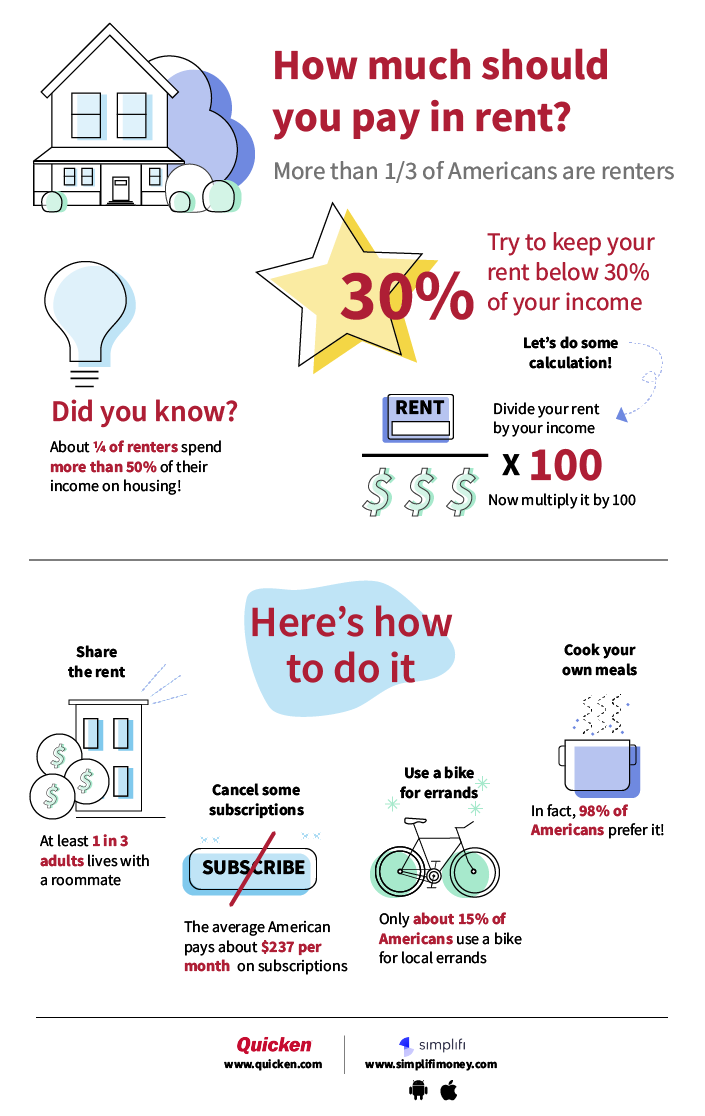
Beyond raw numbers, your personal preferences and lifestyle choices play a crucial role. Do you prioritize living alone for privacy and peace, even if it means a higher rent? Or are you comfortable with roommates to significantly reduce costs? Do you value living in a vibrant city center, close to work and entertainment, accepting a premium for convenience? Or would you prefer a more spacious, quieter suburban dwelling with a longer commute? Amenities such as in-unit laundry, a gym, or dedicated parking also add to the cost. Your choices about eating out, travel, hobbies, and social life also feed into your overall budget. These subjective preferences can legitimately push your rent percentage higher or lower, provided they align with your overall financial capacity and long-term goals.
Strategies for Managing Rent Costs Effectively
Once you understand your ideal rent percentage, the next step is to implement practical strategies to either meet that target or optimize your current situation. Being proactive and strategic can make a significant difference.
Optimizing Your Search and Negotiation
When searching for a new place, be thorough and analytical. Don’t limit yourself to one neighborhood; explore adjacent areas that might offer lower rents for similar amenities, even if it adds a few minutes to your commute. Consider the trade-off between location, size, and price. Living with roommates is a powerful way to drastically reduce individual housing costs, making otherwise unaffordable areas accessible. Before signing a lease, if market conditions allow, don’t be afraid to negotiate the rent, especially if you have a strong rental history, are willing to sign a longer lease, or move during off-peak seasons. Always factor in hidden costs like parking fees, pet rent, utility estimates, and application fees, which can quickly add up and impact your effective rent percentage.
Boosting Your Income Streams
If your current income makes your ideal rent percentage unattainable, increasing your earning potential is a direct and impactful solution. This could involve negotiating a higher salary at your current job, pursuing promotions, or investing in new skills that lead to career advancement. Beyond your primary employment, consider exploring side hustles – freelancing, gig work, or starting a small online business – to supplement your main income. Even a few hundred extra dollars a month can significantly lower your effective rent-to-income ratio, providing much-needed breathing room in your budget or allowing you to funnel more towards savings and debt repayment. Every additional dollar earned, especially after taxes, reduces the burden of your fixed housing expense.
Re-evaluating Your Overall Budget
Sometimes, the issue isn’t just the rent itself, but how it interacts with the rest of your spending. Take a critical look at your entire budget beyond housing. Are there areas where you can cut back on discretionary spending? Subscriptions you no longer use, excessive dining out, or impulse purchases can quickly erode your financial flexibility. Automating savings can also help ensure you’re prioritizing your financial future. By consciously reducing “wants,” you can free up funds that indirectly ease the pressure of your rent payment, either by allowing you to save more or by cushioning the impact of a slightly higher rent. A holistic view of your finances reveals areas of potential optimization that might not be immediately obvious when focusing solely on rent.
The Importance of an Emergency Fund
Regardless of your rent percentage, maintaining a robust emergency fund is paramount. This financial safety net, typically 3 to 6 months’ worth of essential living expenses (including rent), acts as a critical buffer against unforeseen circumstances such as job loss, unexpected medical bills, or a major car repair. Without an emergency fund, a sudden financial shock can quickly lead to an inability to pay rent, potentially resulting in eviction, damaged credit, and significant stress. Building this fund should be a top financial priority, as it provides the security and flexibility needed to navigate life’s inevitable curveballs without derailing your housing stability or long-term financial goals.
The Long-Term Impact of Your Rent Decisions
The percentage of your paycheck you dedicate to rent doesn’t just affect your monthly cash flow; it has profound, lasting implications for your entire financial journey. Your housing choice is a powerful lever that can either accelerate your progress or inadvertently hold you back from achieving broader financial milestones.
Opportunity Cost of High Rent
Every dollar spent on rent is a dollar that cannot be used for something else. This concept, known as opportunity cost, is particularly relevant when discussing housing. A higher rent payment means less money available for savings, investments, and aggressive debt repayment. Over time, this can significantly impact your net worth and delay your financial independence. For instance, an extra $200 per month spent on rent, if invested for 20 years at a modest 7% annual return, could grow to over $100,000. By keeping your housing costs manageable, you free up capital to build wealth, creating a virtuous cycle where your money works harder for you, rather than just covering your living expenses.
Building Financial Resilience
Making smart rent choices contributes directly to your overall financial resilience. A manageable rent payment reduces financial stress, allows you to weather unexpected expenses more easily, and provides the freedom to pursue career opportunities or educational goals without being tethered by exorbitant housing costs. It means having the flexibility to save for a down payment on a home, start a business, or simply enjoy a higher quality of life without constant worry about making ends meet. This sense of security is invaluable and foundational to long-term financial health, enabling you to make proactive rather than reactive financial decisions.
Rent vs. Buy: A Future Consideration
While this article focuses on rent, the decisions you make today about your rental budget inevitably influence your future prospects for homeownership. By diligently managing your rent percentage and consistently saving, you can accumulate a substantial down payment, making the transition from renting to buying a more realistic and less stressful endeavor. Conversely, a consistently high rent payment might deplete your ability to save for a down payment, perpetuating the rental cycle longer than desired. Understanding the long-term implications of your rent decisions allows you to align your current housing choices with your future financial aspirations, whether that involves continued renting in a flexible way or eventually stepping onto the property ladder.
Conclusion
Determining “how much of your paycheck should go to rent” is not a simple calculation but a nuanced decision rooted in personal finance principles and individual circumstances. While the 30% rule, 50/30/20 framework, and 25% guideline offer valuable starting points, they are merely benchmarks. The true answer lies in a comprehensive understanding of your income stability, local cost of living, other financial obligations, and personal lifestyle preferences.
By diligently analyzing these factors, implementing effective strategies for managing costs, and consistently reviewing your overall budget, you can ensure your housing expense is a sustainable and supportive element of your financial life. Remember, every dollar thoughtfully allocated to rent is a dollar that contributes to your peace of mind and allows you to progress towards your broader financial goals, building a foundation of resilience and long-term prosperity. Take the time to assess your situation, make informed choices, and adjust as your life and financial landscape evolve. Your financial future depends on it.
aViewFromTheCave is a participant in the Amazon Services LLC Associates Program, an affiliate advertising program designed to provide a means for sites to earn advertising fees by advertising and linking to Amazon.com. Amazon, the Amazon logo, AmazonSupply, and the AmazonSupply logo are trademarks of Amazon.com, Inc. or its affiliates. As an Amazon Associate we earn affiliate commissions from qualifying purchases.