
In the intricate landscape of personal finance, few terms are as ubiquitous yet frequently misunderstood as “APR” when it comes to credit cards. For many, it’s merely a number displayed on a statement, often overlooked in the pursuit of rewards or introductory offers. However, the Annual Percentage Rate (APR) is, without exaggeration, the single most critical factor dictating the true cost of using your credit card, particularly if you don’t pay off your balance in full each month. Understanding what APR is, how it functions, and the various forms it can take is not just good financial hygiene; it’s essential for anyone seeking to manage their money wisely, avoid unnecessary debt, and leverage credit as a tool rather than a trap.
This article aims to demystify the APR, transforming it from an intimidating acronym into a clear concept that empowers you to make informed decisions about your credit cards. We will delve into its core definition, explore its different variations, uncover the factors that influence it, and provide actionable strategies for managing it effectively to safeguard your financial well-being. By the end, you’ll not only know “what’s an APR for a credit card” but also how to use that knowledge to your advantage.
Decoding the APR: Your Credit Card’s Interest Rate Explained
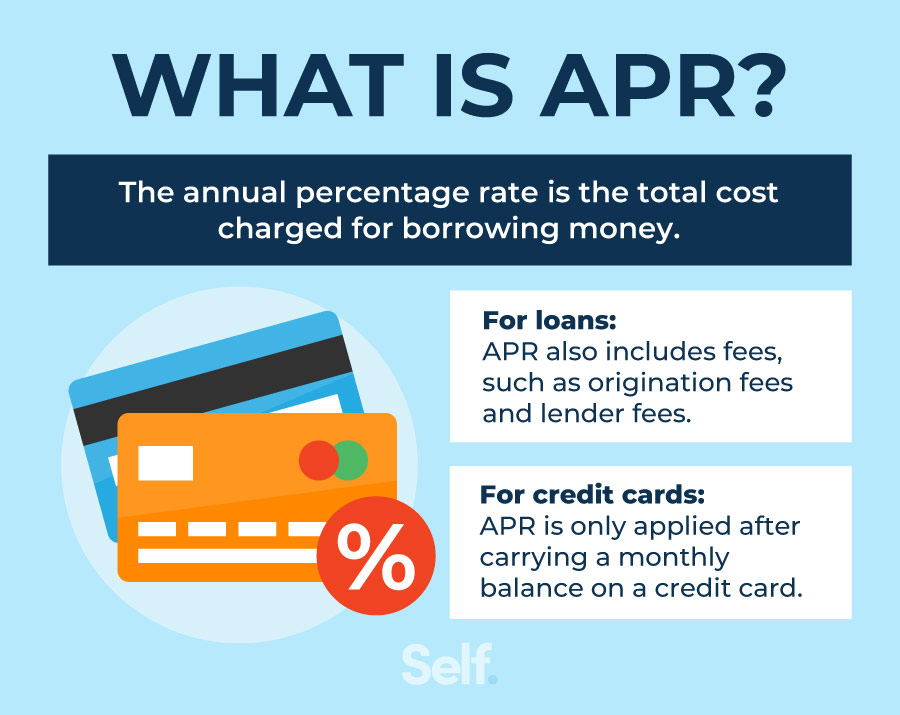
At its heart, the APR is the annual rate of interest charged on your credit card balance. It’s the cost you pay for the privilege of borrowing money. While often used interchangeably with “interest rate,” the APR encompasses more than just the simple periodic interest rate, providing a more comprehensive view of the annual cost of borrowing.
What Exactly is an Annual Percentage Rate (APR)?
The Annual Percentage Rate (APR) is the yearly interest rate you’re charged on outstanding credit card balances. It’s expressed as a percentage, like 18.99% or 24.99%, and dictates how much extra you’ll owe if you carry a balance from one billing cycle to the next. The “annual” part of APR means it’s an annualized rate, but the interest is typically calculated and applied daily or monthly based on your average daily balance. This means that while 18% might seem manageable over a year, it translates to a daily or monthly charge that quickly adds up if left unchecked.
The APR is a standardized way for lenders to express the cost of borrowing, making it easier to compare different credit products. However, it’s crucial to remember that APRs can vary significantly between different card types, issuers, and even for different activities on the same card.
APR vs. Interest Rate: Understanding the Nuance
While often used interchangeably, there’s a subtle but important distinction between a simple interest rate and APR, particularly in other lending contexts like mortgages or personal loans where fees might be included in the APR calculation. For credit cards, the APR is essentially the annual interest rate applied to your outstanding balance. The term “APR” is preferred because credit card interest is typically compounded, meaning you pay interest on previously accrued interest, and the APR represents this annual effective rate.
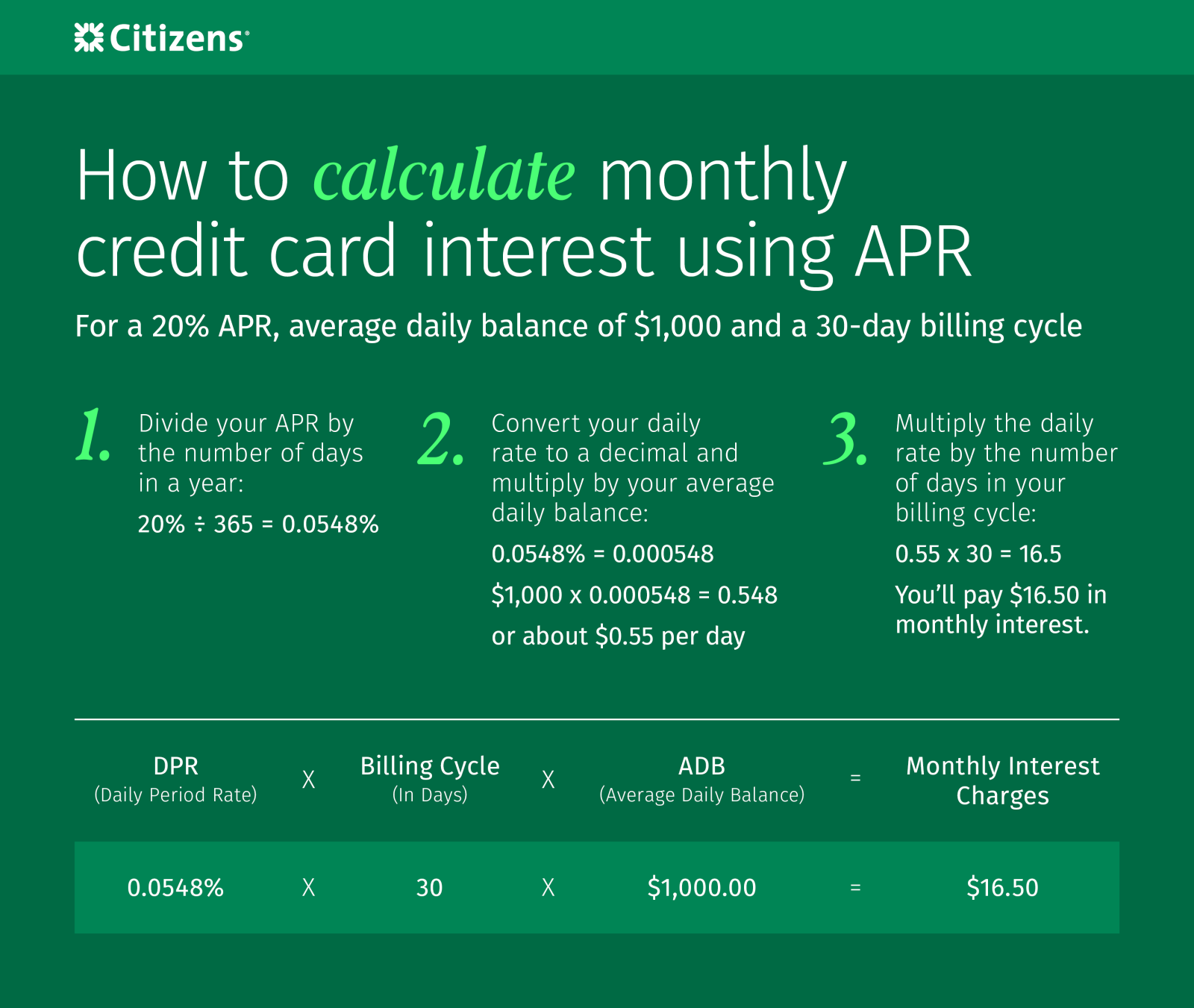
The true “interest rate” might refer to the periodic rate (e.g., a daily or monthly rate) from which the annual APR is derived. For instance, a credit card with an 18% APR might apply a daily periodic rate of 0.0493% (18% divided by 365 days). This small daily rate, compounded over the year, results in the effective annual percentage rate.
The Cost of Borrowing: How APR Impacts Your Wallet
The impact of APR on your financial health cannot be overstated. If you consistently pay your credit card balance in full before the due date each month, you effectively avoid paying any interest on purchases, as most credit cards offer an interest-free grace period. In this ideal scenario, the APR is largely irrelevant for your everyday spending.
However, if you carry a balance—even a small one—the APR kicks in, and its effect can be substantial. For example, a $1,000 balance at 20% APR will accrue approximately $16.44 in interest in the first month alone if no payments are made. Over a year, without any payments, that interest would add over $200 to your debt. The higher the APR and the larger your balance, the more rapidly interest accumulates, making it harder to pay off the principal and often leading to a cycle of debt. Understanding this fundamental mechanism is the first step towards mastering your credit card usage.
The Various Faces of APR: Not All Rates Are Created Equal
One of the most common misconceptions about credit cards is that they have a single, static APR. In reality, most credit cards feature multiple APRs, each applying to different types of transactions or under specific circumstances. Being aware of these different rates is crucial for smart financial management.
Purchase APR: The Standard Rate
This is the most common APR and the one you’ll most frequently encounter. The purchase APR is the interest rate applied to new purchases you make with your credit card if you don’t pay off your entire statement balance by the due date. It’s usually the rate prominently advertised for the card. For instance, a card might advertise “Purchase APR: 17.99% – 24.99% Variable.” The exact rate you receive within that range depends on your creditworthiness.
Cash Advance APR: A Costly Convenience
A cash advance allows you to withdraw cash from your credit card line of credit. While convenient in an emergency, cash advances come with a significantly higher APR than purchase APRs, often several percentage points higher. What’s more, cash advances typically do not have an interest-free grace period. Interest starts accruing immediately from the moment of the transaction, and there might also be a cash advance fee (e.g., 3-5% of the transaction amount). Using a cash advance should always be a last resort due to its high cost.
Balance Transfer APR: A Strategy for Debt Consolidation
A balance transfer involves moving debt from one or more credit cards to another, often to consolidate debt or take advantage of a lower interest rate. Many credit card companies offer special introductory 0% APR periods for balance transfers, which can be a powerful tool for paying down high-interest debt. However, after the introductory period expires, a standard balance transfer APR (which can be similar to or slightly higher than the purchase APR) will apply. Be aware that balance transfer fees (typically 3-5% of the transferred amount) usually apply.
Penalty APR: The Price of Missed Payments
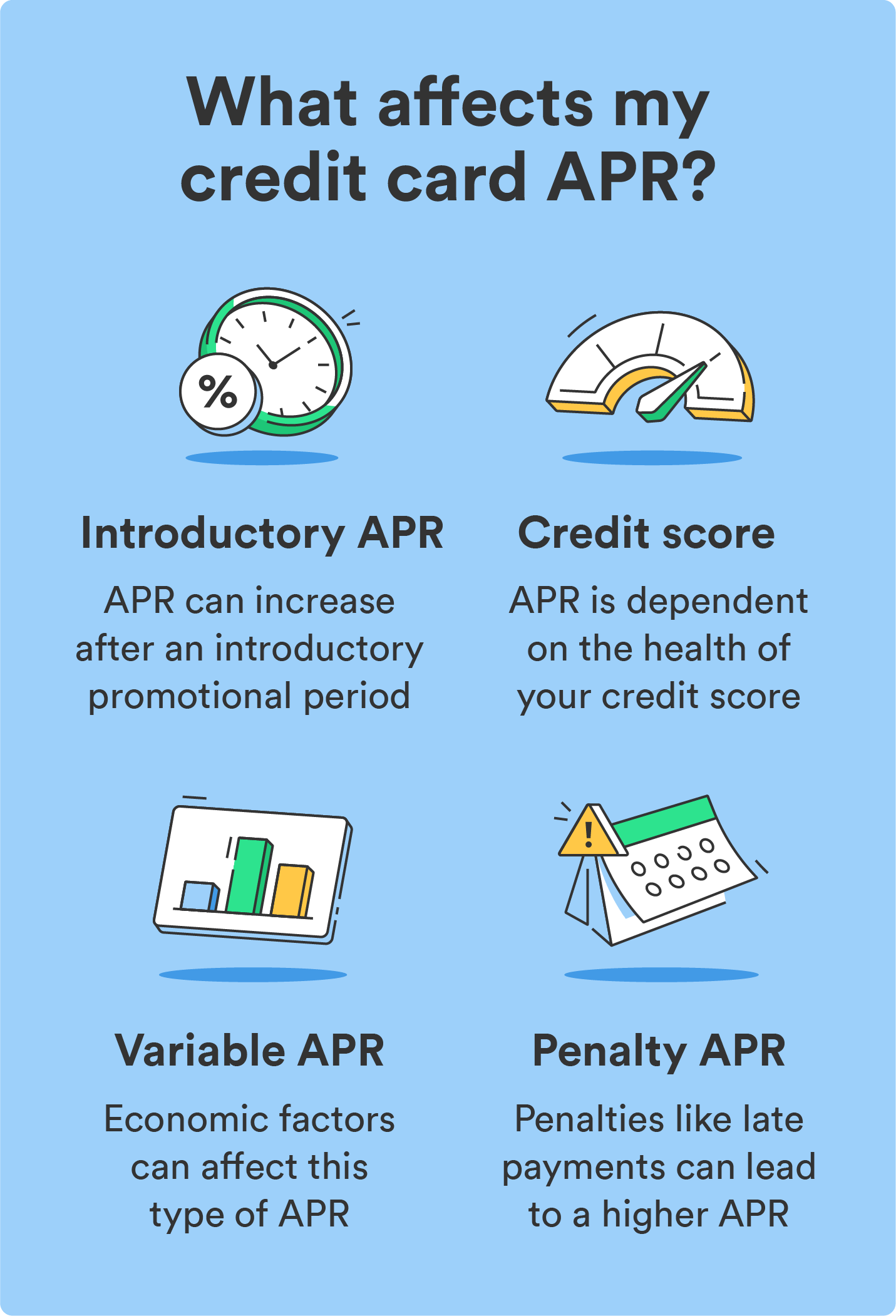
A penalty APR, sometimes called a default APR, is a significantly higher interest rate that your credit card issuer may impose if you violate the card’s terms and conditions. The most common triggers for a penalty APR include making a late payment (typically 60 days late), exceeding your credit limit, or having a payment returned due to insufficient funds. This rate can be exceptionally high, sometimes exceeding 30%. Once a penalty APR is applied, it can remain in effect indefinitely or for a specified period (e.g., six months of on-time payments) depending on the cardholder agreement.
Introductory APR: The Initial Allure
Many credit cards offer an introductory APR, which is a temporarily low (often 0%) interest rate on purchases and/or balance transfers for a set period, typically 6 to 21 months. This is designed to attract new cardholders. While a 0% introductory APR can be a fantastic tool to save money on interest or pay down debt aggressively, it’s crucial to note two things:
- Expiration: The low rate is temporary. Once the introductory period ends, the APR reverts to the standard variable rate, which can be much higher.
- Timing: The promotional rate applies only to transactions made within the specified timeframe. New purchases after the intro period will be subject to the standard purchase APR.
Factors Influencing Your Credit Card APR
The APR you’re offered on a credit card is not arbitrary. It’s the result of a complex calculation that considers various risk factors, economic conditions, and the issuer’s business model. Understanding these influences can help you anticipate and potentially improve the rates you receive.
Your Credit Score: The Primary Determinant
Your credit score is arguably the most significant factor influencing the APR you’ll be offered. Lenders use credit scores (like FICO Score or VantageScore) to assess your creditworthiness—your likelihood of repaying borrowed money. Individuals with excellent credit scores (generally 740 and above) are perceived as lower risk and typically qualify for the lowest available APRs. Conversely, those with fair or poor credit scores (below 670) are considered higher risk and will often be offered cards with significantly higher APRs to compensate the lender for that increased risk. Building and maintaining a strong credit history is therefore paramount for securing favorable interest rates.
Economic Conditions and the Prime Rate
Credit card APRs are usually variable, meaning they can change over time. Most variable APRs are tied to an index, most commonly the U.S. Prime Rate. The Prime Rate is the interest rate that commercial banks charge their most creditworthy corporate customers, and it tends to move in lockstep with the federal funds rate set by the Federal Reserve. When the Federal Reserve raises or lowers the federal funds rate, the Prime Rate typically follows suit, and consequently, your credit card’s variable APR will also adjust up or down. This means that even if your credit score remains stable, your APR can change due to broader economic forces.
Issuer Policies and Risk Assessment
Each credit card issuer (e.g., Visa, Mastercard, American Express, Discover) and specific bank (e.g., Chase, Capital One, Citibank) has its own underwriting criteria and risk assessment models. They evaluate a multitude of factors beyond just your credit score, including your income, existing debt, payment history with other creditors, and the specific terms of the card you’re applying for. Some issuers might be more lenient with slightly lower credit scores but charge higher APRs, while others might demand pristine credit for their lowest rates. The issuer’s overall business strategy, including how aggressively they want to attract new customers or manage risk, also plays a role.
Card Type and Rewards Programs
The type of credit card you choose can also impact its standard APR. Cards with extensive rewards programs (e.g., high cashback rates, travel points, premium benefits) often come with higher APRs compared to basic, no-frills cards. This is because the value of the rewards is essentially factored into the cost of borrowing for the issuer. If you plan to carry a balance, a card with a lower APR might be more financially beneficial than one with high rewards but a higher interest rate. Balance transfer cards and secured credit cards also tend to have different APR structures compared to standard unsecured rewards cards.
Mastering Your Credit Card APR: Strategies for Smart Financial Management
Understanding APR is one thing; actively managing it to your financial benefit is another. By adopting a few strategic habits, you can significantly reduce the amount of interest you pay and keep your credit card debt in check.
Reading the Fine Print: Know Your Card’s Terms
Before you even apply for a credit card, and certainly once you receive it, take the time to read the Schumer Box—the standardized table of fees and interest rates required by law. This box clearly outlines all the different APRs (purchase, balance transfer, cash advance, penalty, introductory), their conditions, grace periods, and any associated fees. Knowing these terms inside and out prevents costly surprises and empowers you to use your card intelligently. Don’t assume; verify.
Paying Off Balances in Full: The Ultimate APR Avoidance
This is the golden rule of credit card management. If you consistently pay your entire statement balance by the due date, you will not pay a penny of interest on your purchases. Most credit cards offer an interest-free grace period (typically 21-25 days) from the statement closing date until the payment due date. By paying in full during this window, the APR becomes irrelevant for your purchases. This strategy allows you to leverage the convenience, security, and rewards of credit cards without incurring any borrowing costs.
Negotiating Your APR: When and How to Ask
It might come as a surprise, but your credit card APR is not always set in stone. If you have a good payment history, a strong credit score, and have been a long-time customer, you might be able to negotiate a lower APR. Call your credit card issuer’s customer service line, explain your situation, and politely ask if they can reduce your interest rate. Highlight your loyalty and responsible payment behavior. While not guaranteed, many issuers are willing to work with good customers to retain their business, especially if you have an offer for a lower APR from a competitor.
Leveraging Balance Transfers Wisely
If you’re burdened by high-interest credit card debt, a 0% introductory APR balance transfer card can be a lifesaver. By transferring your balances to a new card with a 0% APR for 12-21 months, you get a temporary reprieve from interest charges, allowing more of your payments to go towards the principal. However, this strategy requires discipline:
- Pay the transfer fee: Account for the typical 3-5% balance transfer fee.
- Create a payoff plan: Make aggressive payments to eliminate the transferred debt before the introductory period expires and the standard APR kicks in.
- Avoid new debt: Do not use the new card for new purchases that will incur interest while you’re paying off the transferred balance.
Monitoring Your Credit Score
Since your credit score is a primary factor in determining your APR, regularly monitoring it is crucial. Free credit monitoring services from credit card issuers or third-party apps can keep you informed. A strong credit score not only qualifies you for lower APRs on new cards but also strengthens your position if you try to negotiate existing rates. Identifying and correcting errors on your credit report can also help improve your score and potentially lower your borrowing costs.
The Long-Term Impact of APR on Your Financial Health
The APR is more than just a fleeting charge; it’s a foundational element of your financial life that can profoundly impact your ability to build wealth or hinder your progress for years.
The Power of Compounding Interest (Against You)
Credit card interest compounds, meaning you pay interest on your principal balance and on the interest that has already accrued. This insidious effect makes credit card debt incredibly difficult to escape once it gains momentum. A seemingly manageable 18% APR can quickly turn a small balance into a much larger one if only minimum payments are made. This compounding effect is why high APRs are such a formidable adversary in personal finance. Understanding it underscores the urgency of paying down high-interest debt aggressively.
Building or Undermining Financial Goals
Every dollar spent on credit card interest is a dollar that cannot be allocated to other financial goals. High APRs can erode your savings, delay your ability to contribute to retirement accounts, postpone purchasing a home, or prevent you from building an emergency fund. Conversely, by effectively managing your APR—ideally by avoiding interest altogether—you free up significant capital that can be directed towards these crucial long-term objectives, accelerating your path to financial security and independence.
APR as a Tool for Informed Decision-Making
Ultimately, understanding APR transforms it from a source of anxiety into a powerful tool for informed decision-making. It enables you to:
- Choose the right card: Select a credit card that aligns with your spending habits and payment discipline (e.g., a low APR card if you often carry a balance, a rewards card if you pay in full).
- Prioritize debt repayment: Strategically pay off the debt with the highest APR first to minimize interest charges.
- Recognize costly options: Avoid high-APR transactions like cash advances.
- Evaluate new credit offers: Compare APRs intelligently when considering new loans or credit products.
In conclusion, “what’s an APR for a credit card” is a question with far-reaching implications. It’s not just a technical detail; it’s a critical component of personal finance that directly impacts your debt levels, savings, and overall financial trajectory. By mastering the nuances of APR, you equip yourself with the knowledge to use credit wisely, minimize unnecessary costs, and build a stronger, more resilient financial future.
aViewFromTheCave is a participant in the Amazon Services LLC Associates Program, an affiliate advertising program designed to provide a means for sites to earn advertising fees by advertising and linking to Amazon.com. Amazon, the Amazon logo, AmazonSupply, and the AmazonSupply logo are trademarks of Amazon.com, Inc. or its affiliates. As an Amazon Associate we earn affiliate commissions from qualifying purchases.