
For seasoned investors and curious onlookers alike, the daily ebb and flow of the Dow Jones Industrial Average (DJIA) is a constant point of fascination, a veritable pulse of the American economy. More than just a number flashing across financial screens, “what is the Dow trading at” encapsulates a moment in time, reflecting the collective optimism or trepidation of the market, and offering a snapshot of the health of 30 of the largest and most influential U.S. companies. Understanding this figure requires more than just knowing the current quote; it demands an appreciation for its composition, the forces that drive its movements, and what it truly signifies for personal finance and investment strategy. This article delves into the core of the Dow, providing a comprehensive guide to interpreting its current standing and leveraging that insight within your financial journey.
Understanding the Dow Jones Industrial Average (DJIA)
The Dow Jones Industrial Average is arguably the most recognized stock market index in the world, often serving as a proxy for the broader health of the U.S. stock market and, by extension, the economy. But what exactly is this numerical benchmark, and how is it constructed?
History and Composition: A Curated Snapshot
Conceived by Charles Dow in 1896, the DJIA initially comprised 12 predominantly industrial companies. Over a century later, while the “Industrial” in its name remains, the index has evolved significantly, reflecting the changing landscape of American commerce. Today, it is a price-weighted average of 30 “blue-chip” companies – large, well-established, and financially sound corporations that are leaders in their respective industries. These aren’t just industrial giants; they span diverse sectors including technology, healthcare, finance, consumer goods, and entertainment. Companies like Apple, Microsoft, Goldman Sachs, Johnson & Johnson, and Walt Disney are staples, reflecting the broad reach and impact of the index. The selection of these companies is not based on rigid quantitative rules but rather on the discretion of a committee at S&P Dow Jones Indices, aiming for representation of a broad swath of the U.S. economy and a reputation for sustained growth and investor interest. This curated selection means the Dow isn’t merely a random collection; it’s a hand-picked basket of companies deemed vital to the nation’s economic fabric.
How the Dow is Calculated: A Price-Weighted Perspective
Unlike market-capitalization-weighted indices such as the S&P 500, where larger companies by market value have a greater impact, the DJIA is a price-weighted index. This means that companies with higher stock prices have a proportionally greater influence on the index’s value. The calculation involves summing the prices of the 30 component stocks and then dividing that sum by a “Dow Divisor.” This divisor is a dynamically adjusted number that accounts for stock splits, spin-offs, and other structural changes to ensure that the index’s value remains comparable over time and isn’t distorted by these corporate actions. For instance, if a stock in the Dow undergoes a 2-for-1 split, its price is halved, which would artificially depress the index. The divisor is adjusted downwards to counteract this effect, maintaining the continuity and integrity of the index’s historical data. This price-weighted methodology means that a $1 change in a high-priced stock like UnitedHealth Group (often one of the highest-priced components) will have a larger impact on the Dow’s overall movement than a $1 change in a lower-priced stock like Intel.
Interpreting the Dow’s Daily Movements
When you hear “the Dow is up X points” or “down Y points,” it’s not just a statistic; it’s a reflection of ongoing market dynamics. Understanding these movements is crucial for gaining insights into the broader financial landscape.
Daily Fluctuations: Noise vs. Signal
The Dow’s daily movements are a result of millions of buy and sell orders executed throughout the trading day. These fluctuations can be driven by a myriad of short-term factors, from breaking news and analyst upgrades/downgrades to algorithmic trading and intraday market sentiment shifts. A rise often signals increasing investor confidence or positive economic data, while a fall might reflect growing uncertainty, poor corporate earnings, or negative geopolitical developments. It’s important for investors to distinguish between “noise” – minor, temporary fluctuations that don’t signify a fundamental shift – and “signal” – movements that indicate a genuine change in economic or market conditions. Over-reacting to every daily swing can lead to poor investment decisions. Instead, focus on patterns and the underlying drivers of sustained movements. A significant move, particularly on high trading volume, is more likely to be a signal than a minor tick up or down.
Bull vs. Bear Markets: Trend Identification
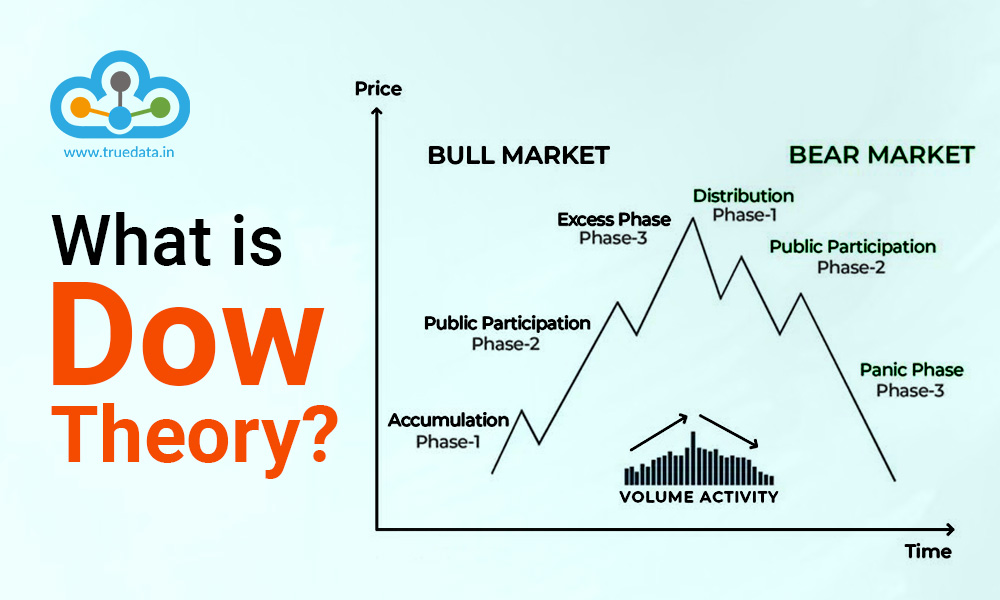
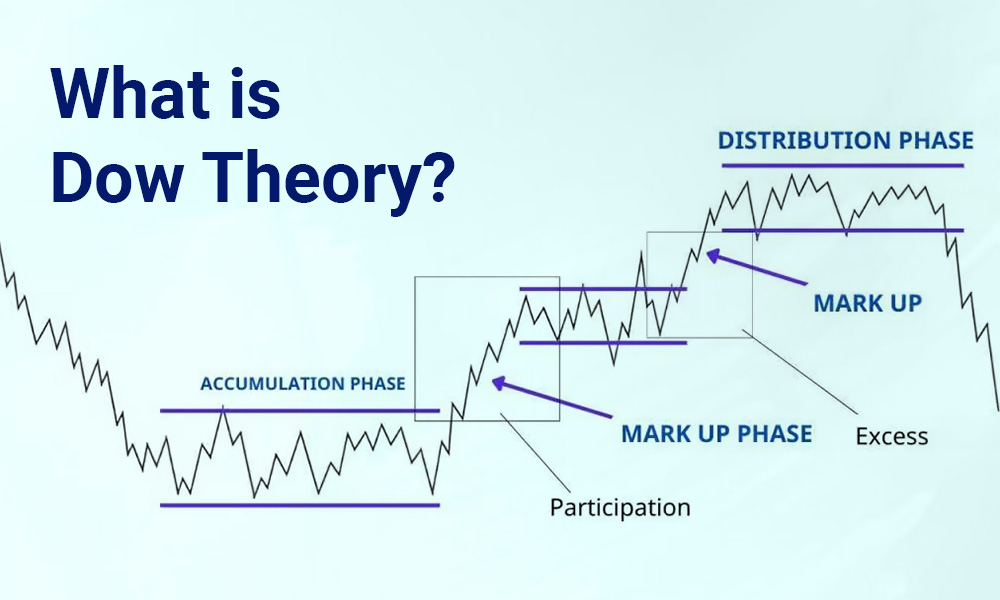
Beyond daily wiggles, the Dow’s longer-term trajectory helps define broader market trends. A “bull market” is characterized by sustained periods of rising stock prices, typically defined as a 20% increase from recent lows. Bull markets are usually fueled by strong economic growth, high corporate profits, and investor optimism. Conversely, a “bear market” signifies a prolonged period of declining stock prices, generally marked by a 20% fall from recent highs, driven by economic slowdowns, geopolitical instability, or declining corporate earnings. The Dow’s position relative to its historical highs and lows, and its movement over several months or years, provides critical clues as to whether the market is in a bullish expansion or a bearish contraction. These cycles are natural parts of market evolution, and understanding which phase the Dow appears to be in can inform investment strategy, though timing them perfectly is notoriously difficult.
Factors Influencing the Dow’s Performance
The Dow is not an isolated entity; its movements are intricately linked to a complex web of economic, corporate, and geopolitical factors. Dissecting these influences helps in understanding why the Dow is trading at its current level.
Economic Indicators: The Macro View
Macroeconomic data provides the bedrock for market sentiment. Key indicators like Gross Domestic Product (GDP) growth, inflation rates (Consumer Price Index, Producer Price Index), unemployment figures, retail sales, manufacturing data, and consumer confidence surveys all offer clues about the health and direction of the economy. Strong GDP growth and low unemployment typically signal a robust economy, which tends to boost corporate profits and, consequently, stock prices, leading the Dow higher. Conversely, high inflation, rising unemployment, or declining consumer spending can weigh heavily on the market. The Federal Reserve’s stance on monetary policy, particularly interest rate decisions, is another paramount economic factor. Higher interest rates can increase borrowing costs for companies and consumers, potentially slowing economic activity and making bonds more attractive relative to stocks.
Corporate Earnings and Outlook: The Micro View
At the core of the Dow are the 30 companies it tracks. Their individual financial performance is a direct driver of the index. Quarterly earnings reports, including revenue, profit margins, and future guidance, are scrutinized by investors. Strong earnings and an optimistic outlook from a majority of Dow components can push the index upwards, as they signal healthy business operations and future growth potential. Conversely, disappointing results, revised downward guidance, or warnings about future challenges can trigger a sell-off in individual stocks and drag the entire index lower. News of mergers and acquisitions, new product launches, or significant technological advancements by Dow components can also have a noticeable impact, reflecting the market’s assessment of these companies’ competitive positions and future profitability.
Geopolitical Events and Global Economy: External Shocks
The globalized nature of commerce means that events far beyond U.S. borders can significantly impact the Dow. Geopolitical tensions, trade wars, energy price shocks, pandemics, natural disasters, and political instability in major global regions can introduce significant uncertainty and volatility into the markets. For example, a surge in oil prices due to Middle East tensions can increase operating costs for many businesses and impact consumer spending, potentially leading to a Dow decline. Similarly, economic slowdowns in major trading partners like China or Europe can reduce demand for U.S. exports and affect the earnings of multinational Dow companies. These external shocks often create swift, unpredictable movements, underscoring the interconnectedness of global finance.
Beyond the Number: What the Dow Signifies
While the immediate number of the Dow’s current trading value is important, its true significance lies in what it represents and what insights it offers beyond a simple point count.
Market Sentiment and Investor Psychology
The Dow is an excellent barometer of market sentiment. When it’s surging, it often reflects widespread investor optimism, confidence in corporate America, and a belief in continued economic expansion. Conversely, a significant drop can signal fear, uncertainty, and a lack of conviction among investors. This sentiment is self-reinforcing; positive sentiment can lead to more buying, pushing the Dow higher, while negative sentiment can trigger further selling. Understanding this psychological aspect is crucial, as emotional reactions often drive short-term market movements, sometimes detached from underlying fundamentals. Observing the Dow’s reaction to news, whether it’s an overreaction or a shrug, offers insights into the prevailing mood of the market participants.
A Barometer of Economic Health (with Caveats)
Many treat the Dow as a definitive gauge of the U.S. economy’s health. In many ways, it serves this purpose well. Its components are major economic players, and their collective performance often mirrors broader economic trends. A rising Dow typically correlates with job growth, increased consumer spending, and expanding business activity. However, it’s essential to recognize its limitations. The Dow represents only 30 large companies, and while influential, they do not encompass the entire economy, particularly small and medium-sized businesses or emerging sectors. Furthermore, its price-weighted methodology means that the performance of a few high-priced stocks can disproportionately influence the index, potentially masking different realities for other sectors or smaller companies. Therefore, while a valuable indicator, it should always be considered alongside other economic metrics for a holistic view.
Limitations as an Investment Tool
While the Dow provides a quick snapshot, it’s not a direct investment vehicle in itself (though exchange-traded funds (ETFs) and mutual funds track it). For individual investors, relying solely on the Dow’s performance to make investment decisions can be misleading. Its focus on large-cap, established companies means it might not capture the growth potential of smaller innovative firms. Diversification beyond just Dow components, across different market capitalizations, sectors, and asset classes, remains a cornerstone of sound investment strategy. Furthermore, predicting future movements based purely on past Dow performance or current news is extremely difficult, emphasizing the need for a long-term perspective rather than reacting to daily swings.
Strategies for Investors in a Volatile Dow Environment
Given the inherent volatility and complexity influencing the Dow, how should a prudent investor navigate the markets and leverage their understanding of this critical index?
Maintaining a Long-Term Perspective
Perhaps the most critical strategy is to adopt a long-term perspective. Historically, despite numerous bear markets, recessions, and global crises, the stock market, as represented by indices like the Dow, has consistently trended upwards over extended periods. Daily or even monthly fluctuations are often just noise in the context of a decades-long investment horizon. Investors focused on long-term goals like retirement or college savings should resist the temptation to panic sell during downturns or chase short-term gains during rallies. Time in the market often proves more effective than attempting to time the market. Regular contributions to a diversified portfolio, regardless of the Dow’s current level, can average out purchase prices over time (dollar-cost averaging).
Diversification Beyond the Dow’s Components
While the Dow’s 30 companies are giants, a robust investment portfolio should extend far beyond them. Diversification across various asset classes (stocks, bonds, real estate), market capitalizations (large-cap, mid-cap, small-cap), geographic regions, and sectors is paramount. This strategy helps to mitigate risk, as underperformance in one area can be offset by stronger returns in another. For instance, if the Dow’s industrial components face headwinds, technology or healthcare stocks not heavily represented might be thriving. Furthermore, consider international exposure, as global markets offer additional growth opportunities and diversification benefits.
Staying Informed and Avoiding Emotional Decisions
Successful investing demands continuous learning and a disciplined approach. Stay informed about major economic trends, corporate news, and geopolitical developments that could influence the market. Reputable financial news sources, analyst reports, and economic data releases are valuable resources. However, it’s equally important to filter out excessive sensationalism and avoid making impulsive decisions driven by fear or greed. Emotional reactions often lead to buying high and selling low, undermining long-term wealth creation. Develop a clear investment plan, stick to it, and review it periodically, making adjustments based on life changes or fundamental market shifts, rather than fleeting sentiments.

Utilizing Professional Guidance and Financial Tools
For many, navigating the complexities of the stock market and interpreting the Dow’s signals can be overwhelming. Engaging with a qualified financial advisor can provide personalized guidance, help in constructing a diversified portfolio aligned with individual goals and risk tolerance, and offer a steady hand during market volatility. Additionally, leverage financial tools and platforms that provide real-time data, analytical insights, and portfolio management features. These tools can help in monitoring investments, understanding market trends, and making informed decisions without getting lost in the daily deluge of information.
The question “what is the Dow trading at” is more than a simple numerical inquiry; it’s an invitation to understand the intricate workings of the financial markets and the broader economy. By grasping its composition, the forces influencing its movements, and its deeper significance, investors can gain valuable insights. While the Dow remains a powerful symbol and a useful barometer, prudent personal finance and investing demand a nuanced, long-term approach, anchored in diversification, disciplined decision-making, and a commitment to continuous learning. Ultimately, understanding the Dow empowers you to navigate the financial landscape with greater confidence and make more informed choices on your journey to financial well-being.
aViewFromTheCave is a participant in the Amazon Services LLC Associates Program, an affiliate advertising program designed to provide a means for sites to earn advertising fees by advertising and linking to Amazon.com. Amazon, the Amazon logo, AmazonSupply, and the AmazonSupply logo are trademarks of Amazon.com, Inc. or its affiliates. As an Amazon Associate we earn affiliate commissions from qualifying purchases.