
In the rapidly evolving landscape of material science, few compounds have garnered as much attention from tech innovators as boron nitride (BN). Often referred to as “white graphite,” boron nitride is a thermally and chemically resistant refractory compound of boron and nitrogen. While it might sound like a niche laboratory curiosity, it is actually one of the most versatile and critical materials in modern technology, playing a silent but pivotal role in everything from the smartphones in our pockets to the satellites orbiting our planet.
As we push the boundaries of computing power, aerospace engineering, and nanotechnology, traditional materials like silicon and copper are reaching their physical limits. This is where boron nitride enters the frame. Its unique combination of high thermal conductivity and electrical insulation makes it an indispensable component in the high-tech hardware ecosystem.

The Structural Engineering of Boron Nitride: Hexagonal vs. Cubic
To understand why boron nitride is a technological marvel, we must first look at its atomic arrangement. Boron nitride does not exist in a single form; rather, it is polymorphic, meaning it can take on different crystalline structures, each with drastically different properties that serve specific tech sectors.
Hexagonal Boron Nitride (h-BN): The “White Graphite”
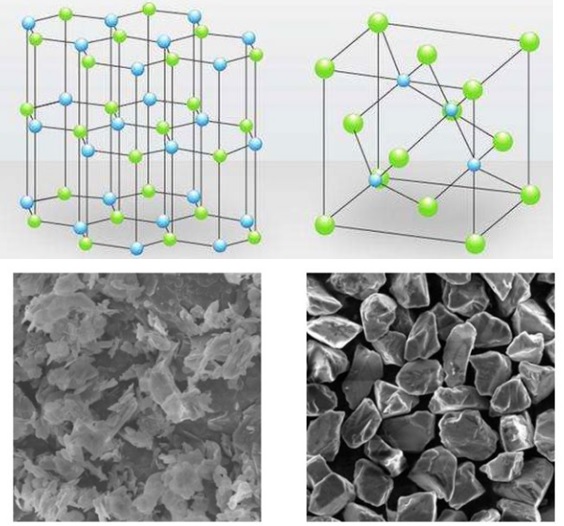
The most stable and widely used form is hexagonal boron nitride (h-BN). Its structure is remarkably similar to graphite, consisting of layers of hexagonal rings. However, unlike graphite, which is black and a potent electrical conductor, h-BN is white and an excellent electrical insulator.
In the world of hardware engineering, h-BN is prized for its “lubricity.” Because the layers can slide over each other easily, it is used as a dry lubricant in high-tech vacuum environments where traditional oils would evaporate. Furthermore, its ability to remain stable at temperatures exceeding 1,000°C makes it a foundational material for the crucibles used to melt and process semiconductor materials.
Cubic Boron Nitride (c-BN): The Super-Hard Industrial Standard
While h-BN resembles graphite, cubic boron nitride (c-BN) is the technological equivalent of a diamond. It is the second hardest material known to man, surpassed only by diamond itself. However, c-BN has a distinct tech advantage over diamond: thermal stability in the presence of iron and nickel.
When tech manufacturers need to machine hard steel components for high-precision engines or micro-mechanical systems, they turn to c-BN. Diamonds react chemically with ferrous metals at high temperatures, causing them to degrade. Cubic boron nitride remains inert, allowing for the high-speed, high-precision manufacturing of the metallic components that house our most advanced gadgets.
Thermal Management: Solving the Heat Crisis in AI and Microelectronics
One of the greatest bottlenecks in modern technology is heat. As AI models become more complex and GPUs (Graphics Processing Units) become more powerful, they generate an immense amount of thermal energy. If this heat isn’t dissipated, the hardware throttles its performance or, worse, suffers permanent damage. Boron nitride has emerged as the premier solution for thermal management in high-performance computing.
Solving the Heat Crisis in Microelectronics
In the design of modern circuit boards, engineers face a paradox: they need materials that can pull heat away from the processor (high thermal conductivity) but do not allow electricity to leak (electrical insulation). Most metals are great at moving heat but are also conductive, which would short-circuit a processor.
Boron nitride is one of the few materials that solves this “thermal-electrical” conflict. Tech companies are increasingly using BN-filled polymers and thermal interface materials (TIMs) to bridge the gap between hot chips and metal heat sinks. By integrating boron nitride powders into thermal pastes and pads, engineers can achieve significantly higher cooling efficiencies, allowing AI hardware to run at peak speeds for longer durations.
Boron Nitride in Semiconductor Manufacturing
Beyond acting as a coolant, boron nitride is essential in the actual fabrication of semiconductors. As we move toward 2nm and 3nm process nodes, the environments in which chips are “grown” must be incredibly pure and heat-resistant.
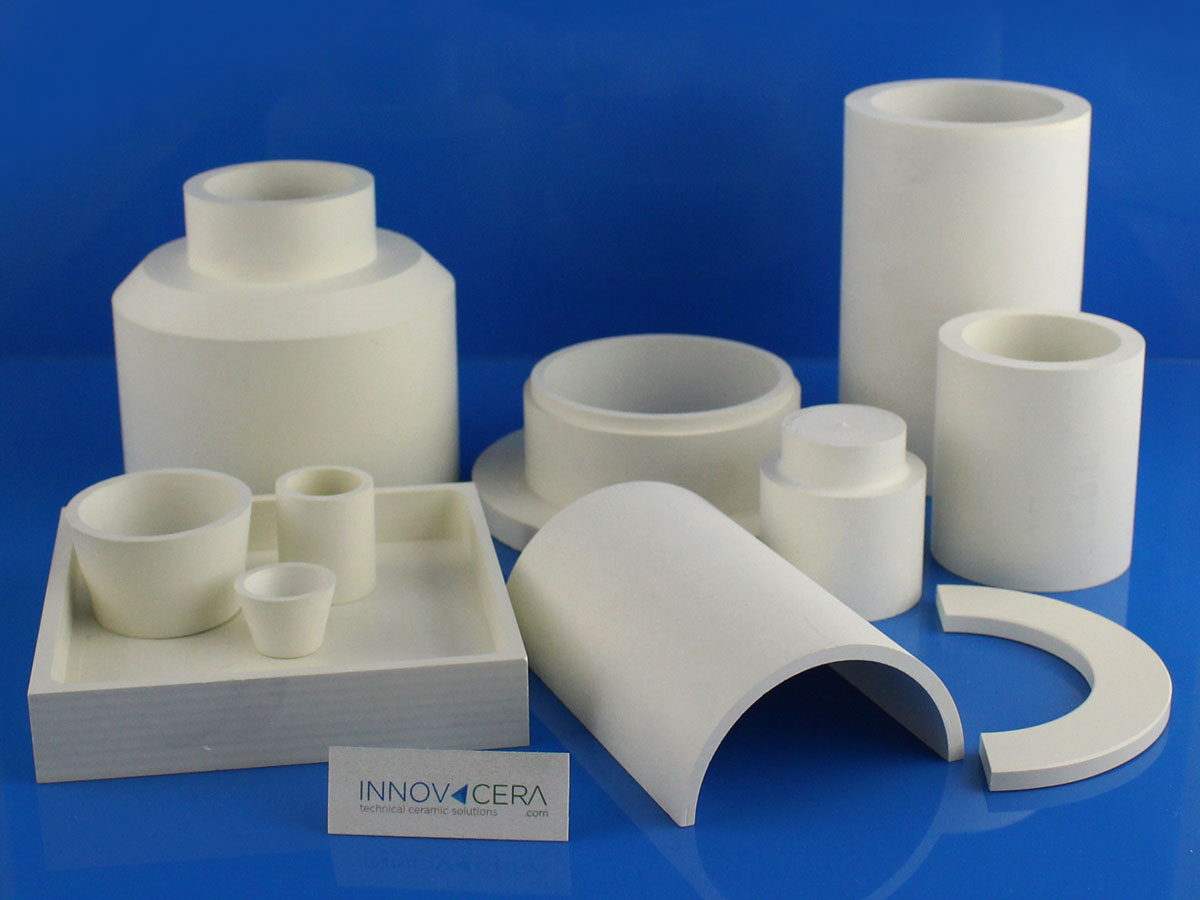
Boron nitride ceramic components are used in Ion Implantation and Plasma-Enhanced Chemical Vapor Deposition (PECVD) equipment. Because BN does not outgas (release trapped gases) in a vacuum and resists the corrosive gases used in chip etching, it ensures that the delicate architecture of a modern CPU remains free of contaminants. Without the purity provided by BN components, the “yield” of functional chips from a silicon wafer would drop significantly, driving up the costs of consumer electronics.
The Frontier of Nanotechnology: BN Nanotubes and Nanosheets
The most exciting developments in the “Tech Trend” category involve the miniaturization of boron nitride into its 2D and 1-dimensional forms. Just as carbon has graphene and carbon nanotubes, boron nitride has its own nano-counterparts that are poised to revolutionize flexible electronics and sensing technology.
Boron Nitride Nanotubes (BNNTs) vs. Carbon Nanotubes
While carbon nanotubes (CNTs) have been discussed for decades, Boron Nitride Nanotubes (BNNTs) offer unique advantages that are currently being explored by defense and aerospace tech firms. BNNTs are as strong as carbon nanotubes but are much more heat-resistant and, crucially, are wide-bandgap insulators.
This means BNNTs can be embedded into metal or ceramic matrices to create “smart” composite materials that are incredibly light and strong without changing the electrical properties of the host material. For the next generation of wearable tech, BNNTs offer a path toward creating conductive fibers that are shielded by an insulating boron nitride layer at the molecular level, preventing short circuits in smart fabrics.
2D Materials and the Evolution of Flexible Electronics
Often called “White Graphene,” hexagonal boron nitride nanosheets are a single-atom-thick layer of h-BN. In the tech world, these are being used as the “perfect substrate” for other 2D materials.
When engineers build circuits using graphene, they often find that the substrate (the surface the graphene sits on) interferes with the movement of electrons. Because boron nitride nanosheets are atomically smooth and lack “dangling bonds,” they provide a neutral, non-interfering surface. This allows graphene-based transistors to operate at speeds far exceeding current silicon limits. This synergy is a cornerstone of research into flexible, transparent smartphones and ultra-efficient sensors.
Aerospace and Defense: Tech Applications in Extreme Environments
The final frontier for boron nitride lies in the harsh environments of space and high-altitude flight. Here, “Tech” isn’t just about speed; it’s about survival. Boron nitride’s unique properties make it a star performer in the aerospace sector.
Radiation Shielding for Space Exploration
One of the biggest hurdles for deep-space travel is cosmic radiation. Traditional shielding like lead is too heavy for spacecraft. However, boron has a high cross-section for absorbing neutrons. Tech researchers at NASA and private space firms are investigating boron nitride-reinforced polymers as a lightweight, dual-purpose material. These composites provide structural integrity for the spacecraft’s hull while simultaneously acting as a biological shield for astronauts against solar radiation.
High-Performance Lubricants for Advanced Machinery
In the vacuum of space, liquid lubricants like oil or grease are useless; they either freeze or evaporate. Moreover, the presence of atomic oxygen in low Earth orbit can degrade many materials. Boron nitride remains stable under these conditions.
Satellites and robotic arms on the International Space Station use BN-based coatings on moving parts to ensure they don’t “cold weld” together in the vacuum. As we enter a new era of satellite mega-constellations and commercial space stations, the demand for BN-based coatings is skyrocketing, making it a critical “behind-the-scenes” technology for the modern space economy.
Conclusion: The Invisible Pillar of the Tech World
What is boron nitride? It is far more than just a chemical compound. From the atomic level of its hexagonal sheets to its role in the largest spacecraft, boron nitride is a foundational pillar of modern and future technology. It solves the most pressing problems in hardware today: managing heat in AI infrastructure, enabling the next generation of semiconductor manufacturing, and protecting our most advanced assets in the vacuum of space.
As we continue to demand faster, smaller, and more durable gadgets, the role of boron nitride will only grow. It is the quiet enabler of the digital age, a material that—while rarely seen by the average consumer—is essential to the performance and reliability of the technology that defines our world. Whether you are an engineer looking for the next thermal solution or a tech enthusiast curious about the future of 2D materials, boron nitride is the name to watch.
aViewFromTheCave is a participant in the Amazon Services LLC Associates Program, an affiliate advertising program designed to provide a means for sites to earn advertising fees by advertising and linking to Amazon.com. Amazon, the Amazon logo, AmazonSupply, and the AmazonSupply logo are trademarks of Amazon.com, Inc. or its affiliates. As an Amazon Associate we earn affiliate commissions from qualifying purchases.