
For many, a car is not just a convenience; it’s a necessity, a tool for work, family, and daily life. However, acquiring a vehicle often comes with a significant financial commitment: the monthly car payment. Understanding what constitutes a “typical” car payment is crucial for effective personal financial planning. This figure, however, is far from static. It’s a dynamic average influenced by a multitude of economic factors, individual financial health, and the ever-evolving automotive market. Diving into the nuances of car payments reveals that while averages provide a benchmark, your personal experience will be shaped by a unique combination of choices and circumstances. This article will dissect the components of a car payment, explore the current market trends, and equip you with strategies to navigate this significant expense wisely.

Understanding the Current Landscape of Car Payments
The automotive market is a complex ecosystem, constantly shifting due to economic forces, consumer demand, and supply chain dynamics. These forces directly impact what consumers can expect to pay for their vehicles and, consequently, their monthly installments.
Average Car Payment Statistics
When we talk about a “typical” car payment, we’re usually referring to national averages, often compiled by credit reporting agencies and automotive industry analysts. These statistics offer a snapshot of the market, distinguishing between new and used vehicles.
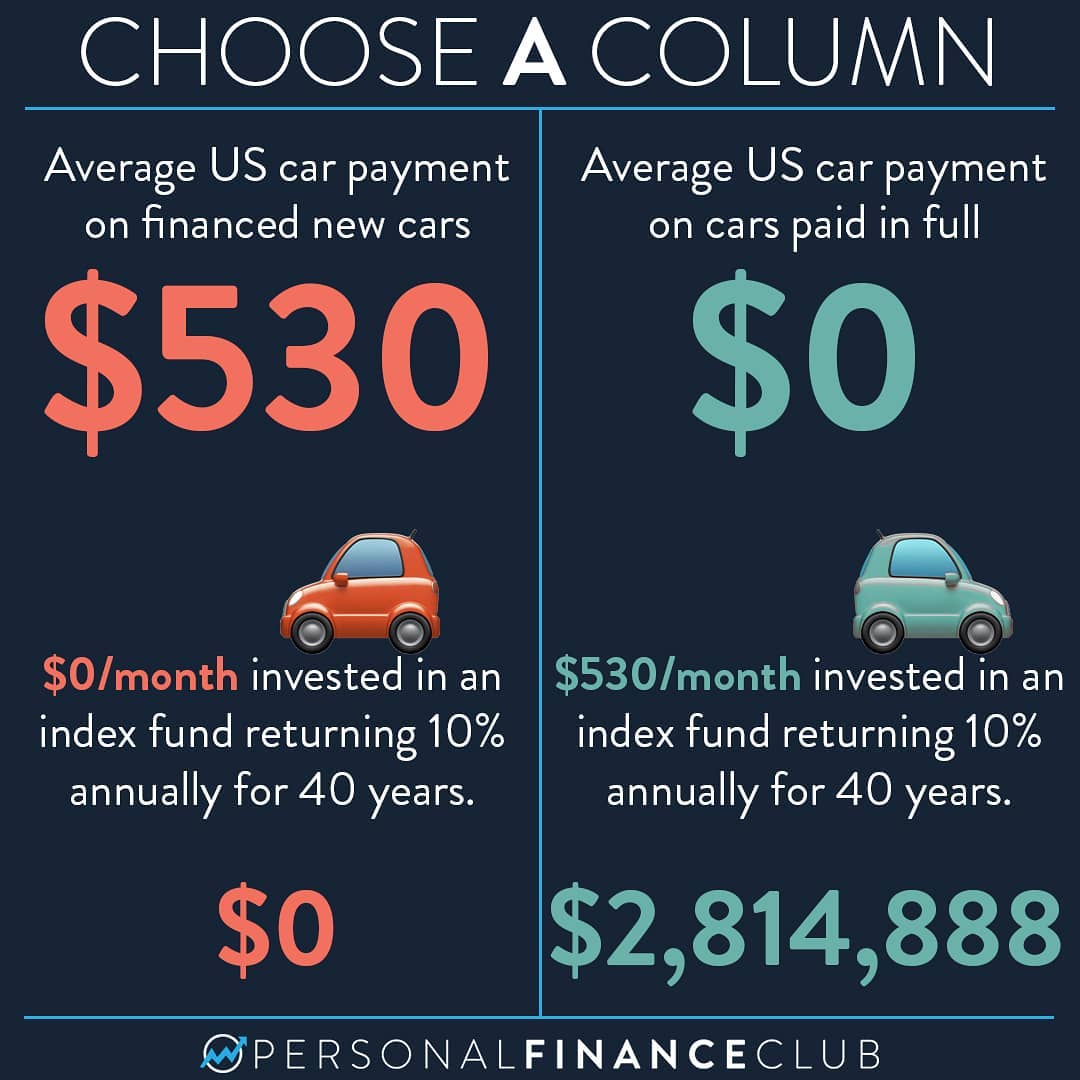
- New Car Payments: Recent data from sources like Experian and Edmunds consistently show that the average monthly payment for a new vehicle has been on an upward trajectory. As of early 2024, this average often hovers around $700 to $750 per month, sometimes even exceeding this range depending on the specific quarter and data source. This figure reflects not just the vehicle’s price but also the prevalent loan terms and interest rates.
- Used Car Payments: While generally lower than new car payments, the average for used vehicles has also seen significant increases. Many reports place the average used car payment in the $500 to $550 per month range. The gap between new and used car payments has narrowed in recent years, making the used car market less of a clear-cut bargain than it once was.
- Loan Terms and Interest Rates: A major factor influencing these averages is the increasing length of auto loans. Terms of 60, 72, and even 84 months have become commonplace. While longer terms reduce the monthly payment, they significantly increase the total interest paid over the life of the loan. Interest rates, influenced by federal reserve policies and individual creditworthiness, also play a pivotal role, with average rates for new cars typically lower than for used cars, assuming good credit.
Factors Driving Payment Increases
Several macroeconomic and industry-specific trends have converged to push car payments higher, making affordability a growing concern for many consumers.
- Rising Vehicle Prices: This is arguably the most significant driver. Inflation, coupled with increased manufacturing costs, supply chain disruptions (like semiconductor shortages), and a consumer preference for feature-rich, larger vehicles (SUVs, trucks), has pushed the Manufacturer’s Suggested Retail Price (MSRP) upward. Even entry-level models are more expensive than they were a decade ago.
- Longer Loan Terms: Lenders and dealerships often extend loan terms to make higher vehicle prices seem more manageable on a monthly basis. While a 72 or 84-month loan can reduce your immediate outflow, it means paying interest for a longer period and potentially owing more than the car is worth for a significant portion of the loan (being “underwater”).
- Higher Interest Rates: The Federal Reserve’s efforts to combat inflation by raising benchmark interest rates have had a ripple effect across all lending products, including auto loans. Even a small increase in the interest rate can add hundreds or thousands of dollars to the total cost of a vehicle over an extended loan term.
- Demand for Advanced Technology and Features: Modern vehicles come equipped with a host of advanced safety features, infotainment systems, and connectivity options that were once reserved for luxury segments. While beneficial, these technologies add to the overall cost of the vehicle, contributing to higher sticker prices and, consequently, larger monthly payments.
Key Factors Influencing Your Individual Car Payment
While national averages provide a useful benchmark, your personal car payment will be a tailored figure based on a confluence of individual financial choices and market realities. Understanding these key factors is essential for calculating an accurate projection and making informed decisions.
Vehicle Price and Type
The most obvious determinant of your car payment is the price of the vehicle itself. A higher purchase price directly translates to a larger loan amount and, therefore, a higher monthly payment.
- MSRP vs. Transaction Price: While the Manufacturer’s Suggested Retail Price (MSRP) is a starting point, the actual transaction price is what you negotiate with the dealer. Savvy negotiation can reduce this price, directly impacting your loan principal. Always focus on negotiating the total “out-the-door” price, not just the monthly payment.
- Luxury vs. Economy: The type of vehicle you choose has a dramatic impact. A luxury sedan or a full-size pickup truck will inherently have a higher price tag than a compact economy car, leading to significantly different payment expectations.
- Features and Upgrades: Every optional extra, from premium paint and panoramic sunroofs to advanced driver-assistance packages and upgraded audio systems, adds to the vehicle’s total cost. These seemingly small additions can quickly inflate the final price by thousands of dollars.
Loan Term and Interest Rate
These two factors represent the cost of borrowing money and dictate how quickly you pay back the principal. They are arguably the most critical components after the vehicle’s price.
- The Trade-off: There’s a fundamental trade-off between loan term and monthly payment. A shorter loan term (e.g., 36 or 48 months) results in higher monthly payments but significantly less total interest paid over the life of the loan. Conversely, a longer loan term (e.g., 72 or 84 months) offers lower monthly payments but accrues much more interest, making the car more expensive in the long run.
- Credit Score: Your credit score is the single biggest determinant of the interest rate you’ll qualify for. Lenders use it to assess your creditworthiness and the risk of lending to you. Individuals with excellent credit (typically FICO scores above 720) will qualify for the lowest rates, often referred to as “prime” rates. Those with lower scores (subprime) will face significantly higher interest rates, which can add hundreds of dollars to a monthly payment and thousands to the total cost.
- Down Payment: A down payment is the initial amount of money you pay upfront, reducing the total amount you need to borrow. A larger down payment directly lowers your loan principal, which in turn reduces both your monthly payments and the total interest you’ll pay over the loan term. Financial experts often recommend at least a 20% down payment for new cars and 10% for used cars to mitigate depreciation and reduce interest costs.
Additional Costs
Beyond the sticker price and interest, several other costs can be rolled into your loan or must be budgeted for separately.
- Sales Tax, Registration, and Fees: Almost every car purchase involves sales tax, title, and registration fees, which vary by state and municipality. These can add hundreds or even thousands of dollars to the overall cost. While sometimes paid upfront, they are often financed into the loan.
- Insurance: Auto insurance is a mandatory and ongoing expense. Lenders typically require full coverage (collision and comprehensive) for financed vehicles. Insurance premiums vary widely based on your driving history, location, vehicle type, and coverage limits, and can significantly impact your total monthly car-related budget.
- Add-ons: Dealerships may offer various add-ons such as extended warranties, paint protection, or GAP (Guaranteed Asset Protection) insurance. While some may offer value, it’s crucial to evaluate their necessity and cost. If financed, these add to your principal and accrue interest.
Strategies to Manage and Lower Your Car Payment

Navigating the financial commitment of a car payment doesn’t have to be overwhelming. There are proactive strategies you can employ to make your vehicle more affordable and align it with your financial goals.
Improving Your Financial Position
Lenders look at your financial health to determine your eligibility and interest rate. Strengthening your position before you shop can yield significant savings.
- Boost Your Credit Score: This is perhaps the most impactful step. Pay all your bills on time, keep credit card balances low, and avoid opening new lines of credit just before applying for an auto loan. A higher credit score translates directly to lower interest rates, which can save you thousands over the life of the loan and reduce your monthly payment significantly.
- Save for a Larger Down Payment: The more cash you put down upfront, the less you need to borrow. This reduces your principal, lowers your monthly payment, and decreases the total interest you’ll pay. Aim for at least 20% for new cars and 10% for used cars to help offset immediate depreciation and improve your loan-to-value ratio.
- Maximize Your Trade-in Value: If you have an existing vehicle, research its market value thoroughly. Get quotes from multiple dealerships and even online car buying services (like CarMax or Carvana) before heading to the dealership. A higher trade-in value functions much like a down payment, reducing your financing needs.
Smart Shopping and Negotiation
The negotiation table is where significant savings can be realized. Approaching the process with knowledge and strategy can dramatically impact your final payment.
- Research and Compare: Don’t settle for the first offer. Get pre-approved for a loan from banks or credit unions before you visit a dealership. This gives you a baseline interest rate and empowers you to negotiate the dealership’s financing offers. Also, research the market value of the car you want across multiple dealerships.
- Negotiate the Price, Not Just the Payment: Dealerships often try to focus buyers on the monthly payment, which can obscure the true total cost of the vehicle. Always negotiate the total purchase price of the car first. Once the price is set, then discuss financing terms, trade-in value, and any add-ons separately.
- Consider Used Cars: Opting for a certified pre-owned (CPO) or a well-maintained used vehicle can offer substantial savings. Used cars have already undergone their steepest depreciation curve, meaning you’ll pay less for a car that might still have many years of reliable service.
- Pre-Approval: Securing pre-approval for an auto loan from your bank or credit union before stepping into a dealership is a powerful tool. It provides you with a concrete interest rate and maximum loan amount, giving you leverage and confidence during negotiations. You’ll know exactly what payment you can afford without dealer pressure.
Refinancing Your Auto Loan
If you’ve already financed a vehicle, you might still have an opportunity to lower your payments or total costs.
- When to Consider It: Refinancing can be beneficial if interest rates have dropped since you took out your original loan, if your credit score has significantly improved, or if you simply want to adjust your loan term (e.g., shorten it to pay less interest or lengthen it to lower monthly payments during a financial crunch).
- Benefits: A lower interest rate can reduce your monthly payment and the total amount of interest you pay over the loan’s life. Shortening the loan term can save you substantial interest, while extending it can provide immediate relief with lower monthly payments (though at the cost of more interest long-term). It’s crucial to calculate the total cost for each scenario.
Beyond the Monthly Payment: The True Cost of Car Ownership
While the monthly car payment is the most visible financial commitment, it represents only a portion of the overall cost of owning a vehicle. Neglecting to account for these additional expenses can derail even the most meticulously planned budget.
Hidden Costs
Many costs associated with car ownership extend far beyond the initial purchase price and loan installment. Budgeting for these helps ensure a complete and realistic financial picture.
- Fuel: Gasoline or electricity is a significant ongoing expense that fluctuates with market prices and your driving habits. Even with fuel-efficient vehicles, this can add hundreds of dollars to your monthly budget, especially with daily commuting.
- Maintenance and Repairs: Every vehicle requires regular maintenance—oil changes, tire rotations, brake inspections, fluid checks, and filter replacements. As cars age, unexpected repairs become more common, ranging from minor fixes to major engine or transmission work. Setting aside a monthly fund for these anticipated and unanticipated costs is critical.
- Insurance Premiums: As mentioned earlier, insurance is mandatory. Premiums vary widely based on your age, driving record, location, the make and model of your car, and your chosen coverage. This can be one of the highest ongoing costs after your loan payment.
- Depreciation: This is arguably the largest “hidden” cost. A new car typically loses 20-30% of its value in the first year alone, and continues to depreciate rapidly thereafter. While you don’t write a check for depreciation, it’s a real financial loss that impacts your net worth and the equity you have in your vehicle. For instance, if you sell your car, you’ll get less than you paid for it, and this difference is the cost of depreciation during your ownership.
Budgeting for Car Ownership
A holistic approach to budgeting for your vehicle ensures that you’re prepared for all financial aspects of ownership.
- The 20/4/10 Rule (or similar): A widely cited guideline suggests a few rules for smart car buying:
- 20% Down Payment: Put at least 20% down to mitigate depreciation and reduce your loan principal.
- 4-Year Loan Term: Aim for a loan term no longer than four years (48 months) to minimize interest paid and avoid being underwater on your loan.
- 10% of Gross Income: Total car expenses (payment, insurance, fuel, maintenance) should ideally not exceed 10% of your gross monthly income. This ensures your vehicle costs don’t disproportionately strain your budget.
- Creating a Comprehensive Car Budget: Go beyond just the monthly loan payment. Calculate an estimated monthly cost for fuel, insurance, and allocate a specific amount for maintenance and repairs (e.g., $50-$100 per month, depending on the car’s age and type). Factor in annual registration renewals and potential parking fees. This comprehensive budget will give you a clear understanding of the true financial commitment before you make a purchase.
Conclusion
The question “how much is a typical car payment?” reveals a complex interplay of market dynamics, individual financial health, and strategic decisions. While national averages provide a useful starting point, your personal car payment is ultimately a reflection of the vehicle you choose, the terms of your loan, and your approach to financial planning. The upward trend in average payments underscores the importance of being a well-informed and proactive consumer.
By understanding the key factors influencing your payment – from vehicle price and credit score to loan terms and down payments – you gain the power to make choices that align with your financial capacity. Employing strategies like improving your credit, saving for a substantial down payment, negotiating effectively, and considering used vehicles can significantly reduce your monthly outlay and total cost of ownership. Remember, the monthly payment is just one piece of the puzzle; a true understanding of car ownership requires accounting for fuel, insurance, maintenance, and depreciation.
Ultimately, a “typical” car payment is the one that fits comfortably and sustainably within your budget, allowing you to enjoy the benefits of vehicle ownership without compromising your broader financial well-being. Prioritizing financial literacy and making deliberate, informed decisions will pave the way for a more affordable and stress-free driving experience.
aViewFromTheCave is a participant in the Amazon Services LLC Associates Program, an affiliate advertising program designed to provide a means for sites to earn advertising fees by advertising and linking to Amazon.com. Amazon, the Amazon logo, AmazonSupply, and the AmazonSupply logo are trademarks of Amazon.com, Inc. or its affiliates. As an Amazon Associate we earn affiliate commissions from qualifying purchases.