
The mere mention of “taxes” can conjure a mix of anxiety, confusion, and sometimes, even dread for many individuals and businesses. Yet, understanding the annual tax filing process is a fundamental pillar of sound financial management. A recurring question that surfaces each year is not just how to do taxes, but critically, “when can you do your taxes?” This query delves into the timelines, deadlines, and strategic opportunities that define the tax season, influencing everything from your cash flow to your peace of mind.
Far from being a single, isolated event, tax filing is a dynamic period governed by specific dates, regulations, and strategic considerations that can significantly impact your personal and business finances. This comprehensive guide aims to demystify the tax filing calendar, equipping you with the knowledge to approach tax season with confidence, whether you’re an eager early bird or a meticulous planner. We’ll explore the official start and end dates, what you need to have ready, various filing methods, and crucial strategies to navigate this essential financial responsibility effectively.

Understanding the Annual Tax Season Calendar
Navigating the tax calendar is the first step toward a smooth filing experience. The Internal Revenue Service (IRS) dictates the federal timeline, which often influences state tax departments as well, though specific state deadlines can vary. Knowing these critical dates helps in planning and avoiding unnecessary stress or penalties.
The Official Start of Tax Season
While you might begin gathering documents earlier, the IRS typically opens the official tax filing season in late January. This specific timing is not arbitrary; it allows the IRS sufficient time to finalize its systems, process legislative changes from the previous year, and for tax software providers to update their platforms with the latest forms and tax laws. For individual taxpayers, the IRS will announce a precise date, usually mid-to-late January, when they will begin accepting and processing federal tax returns for the previous calendar year. For example, tax season for income earned in 2023 generally opens in late January 2024. While the IRS begins accepting returns, employers and financial institutions have until January 31st to send out essential income statements like W-2s and 1099s, meaning many taxpayers won’t have all their necessary documents until early February. State tax seasons often follow a similar schedule, aligning closely with the federal opening date, though it’s always wise to check your specific state’s tax department website for their definitive timeline.
Key Deadlines to Mark
The tax calendar is dotted with several crucial deadlines that every taxpayer should be aware of:
- April 15th (or the next business day): This is the quintessential deadline for most individual federal income tax returns (Form 1040) and for paying any taxes owed. If April 15th falls on a weekend or holiday, the deadline shifts to the next business day. This date also marks the deadline for the first quarter estimated tax payment for self-employed individuals and those with other income not subject to withholding. Many state income tax deadlines also fall on April 15th.
- October 15th: This is the extended filing deadline for individuals who requested an extension to file their federal income tax return. It’s crucial to remember that an extension to file is not an extension to pay. If you anticipate owing taxes, those payments are still due by the original April 15th deadline to avoid interest and penalties.
- March 15th: This date is significant for pass-through entities such as S corporations and partnerships, which must file their business income tax returns (Form 1120-S and Form 1065, respectively) by this date.
- September 15th: This is the extended deadline for S corporations and partnerships.
- April 15th (for C-Corps): Most C corporations (Form 1120) also have an April 15th deadline for filing their returns, though some fiscal year corporations may have different deadlines.
- Quarterly Estimated Tax Deadlines: For those who are self-employed, freelancers, or have significant income from investments or other sources not subject to withholding, estimated taxes are typically due on April 15th, June 15th, September 15th, and January 15th of the following year. Missing these can result in underpayment penalties.
Early Filers vs. Last-Minute Dashers
When it comes to filing, taxpayers generally fall into one of two camps: early filers or last-minute dashers. Both approaches have their merits and drawbacks.
- Pros of Filing Early: If you’re due a refund, filing early means you’ll receive your money sooner. It also offers peace of mind, allowing you to get the task done before other life events demand your attention. Furthermore, filing early can reduce the risk of identity theft related to tax fraud, as fraudsters are less likely to successfully file a fraudulent return using your Social Security number if yours is already on file.
- Cons of Filing Early: The primary drawback is that you might not have all your necessary documents ready. Employers and financial institutions have until January 31st to mail out W-2s and 1099s. Filing too early without all your documentation can lead to errors and the need to file an amended return, which is more complex.
- Pros of Waiting: Waiting until closer to the deadline ensures you have all your forms and statements, reducing the chance of omissions or errors. It also provides more time to gather receipts, calculate deductions, and consult with a tax professional if needed, especially if your financial situation is complex.
- Cons of Waiting: The biggest downside is the potential for increased stress and the risk of rushing, which can lead to mistakes. If you owe taxes, waiting until the last minute might leave you scrambling to find the funds. Also, if there are any issues with your return (e.g., missing information, IRS queries), you’ll have less time to address them before the deadline.
Ultimately, the best time to file is when you have all your necessary documents, feel confident in your preparation, and have allowed sufficient time to review your return for accuracy.
What You Need Before You Start Filing
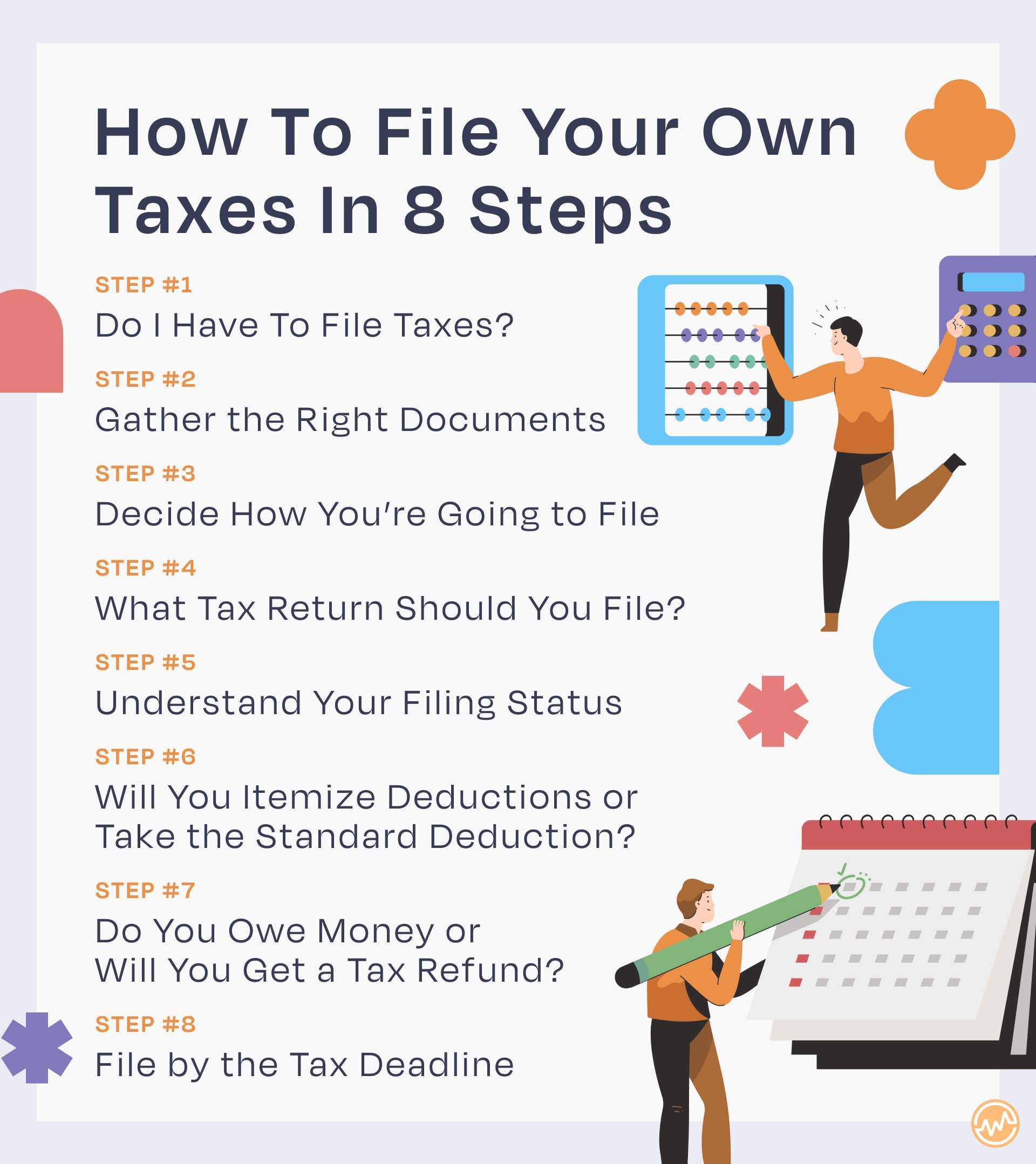
Regardless of when you choose to file, the foundational requirement for a smooth tax season is thorough preparation. This primarily involves gathering an extensive array of documents and understanding common pitfalls that can derail your efforts.
Gathering Essential Documents
The backbone of an accurate tax return is comprehensive documentation. Before you even think about starting, ensure you have these key items readily available:
- Personal Identification Information: Your Social Security Number (SSN) or Individual Taxpayer Identification Number (ITIN), and those of your spouse and dependents.
- Prior Year’s Tax Return: This document is invaluable for comparing income, deductions, and identifying any carryovers, such as capital losses or charitable contribution limits. Many tax software programs can also import data directly from your previous year’s return.
- Income Statements:
- Form W-2: For wages, salaries, and tips from employers.
- Form 1099-NEC: For nonemployee compensation (freelance or contract work).
- Form 1099-MISC: For miscellaneous income, such as rent, royalties, or awards.
- Form 1099-INT: For interest income from banks and other financial institutions.
- Form 1099-DIV: For dividends and distributions from stocks and mutual funds.
- Form 1099-B: For proceeds from broker and barter exchange transactions (sales of stocks, bonds, etc.).
- Form 1099-R: For distributions from pensions, annuities, retirement plans, IRAs, or insurance contracts.
- Schedule K-1: For income from partnerships, S corporations, and trusts.
- Other Income: Records of unemployment compensation, gambling winnings, Social Security benefits (Form SSA-1099), and any other sources of income.
- Proof of Deductions and Credits:
- Itemized Deductions: Mortgage interest statements (Form 1098), property tax records, charitable contribution receipts, medical expense records.
- Education Expenses: Form 1098-T (tuition statement), student loan interest statements (Form 1098-E).
- Childcare Expenses: Provider’s name, address, and EIN/SSN, along with amounts paid.
- Retirement Contributions: Records of contributions to IRAs or other retirement plans not already reflected on your W-2.
- Health Savings Account (HSA) Contributions and Distributions: Form 1099-SA and records of medical expenses paid from the HSA.
- Business Expenses (for self-employed): Receipts, mileage logs, home office expenses.
- Proof of Estimated Tax Payments: Records of any quarterly estimated tax payments you made throughout the year.
Organizing these documents beforehand will significantly streamline the filing process and reduce the likelihood of errors.
Common Pitfalls and How to Avoid Them
Even with meticulous document gathering, certain common mistakes can trip up taxpayers. Being aware of these can help you avoid them:
- Missing Documents: This is perhaps the most frequent pitfall. Always double-check that you have received all expected W-2s, 1099s, and other income statements. If you’re missing one, contact the issuer directly. Don’t file until you have everything.
- Incorrect Information: A simple typo in a Social Security number or an income amount can lead to processing delays or even an audit. Always review your return carefully before submitting.
- Forgetting Estimated Tax Payments: Self-employed individuals or those with significant investment income often forget to account for or accurately estimate their quarterly tax payments. This can lead to penalties for underpayment. Keep detailed records of all estimated payments.
- Ignoring State Tax Requirements: While federal taxes are a primary concern, don’t overlook your state’s specific filing requirements and deadlines. Many states have their own income taxes, and filing processes can differ.
- Not Reporting All Income: Every penny of income, whether from a primary job, a side hustle, investments, or even gambling, must be reported. The IRS receives copies of most 1099s, so they know if you omit income.
- Claiming Ineligible Deductions/Credits: While it’s tempting to maximize your return, only claim deductions and credits for which you are genuinely eligible and have supporting documentation. Fraudulent claims can result in severe penalties.
- Not Filing Because You Can’t Pay: If you owe taxes but cannot pay by the deadline, still file your return. The penalty for failing to file is usually much higher than the penalty for failing to pay. The IRS offers payment plans and other relief options if you communicate with them.
Proactive organization and careful review are your best defenses against these common tax season traps.
Methods for Filing Your Taxes
Once you have your documents in order and a good understanding of the deadlines, the next step is deciding how you will prepare and submit your tax return. The choices range from do-it-yourself software to professional assistance, each with its own advantages and considerations.
DIY with Tax Software
For many taxpayers, especially those with straightforward financial situations, using tax software offers a cost-effective and convenient way to file.
- Popular Options: Well-known platforms like TurboTax, H&R Block, and FreeTaxUSA guide users step-by-step through the filing process. These programs translate complex tax laws into user-friendly questions, helping you identify applicable deductions and credits.
- Benefits: The primary advantages include lower costs compared to hiring a professional, the ability to work at your own pace from anywhere, and the convenience of e-filing directly from the software. Many programs also offer excellent support resources and audit protection guarantees.
- Considerations: While user-friendly, the accuracy of your return ultimately rests on your ability to input information correctly and answer questions truthfully. If your tax situation is complex (e.g., significant business income, multiple investments, foreign income), a DIY approach might be challenging. Always double-check your entries.
- Free File Alliance: The IRS partners with several tax software companies to offer the Free File program. If your Adjusted Gross Income (AGI) falls below a certain threshold (which changes annually), you may be eligible to file your federal and sometimes state taxes for free using guided tax preparation software. Even if your AGI is higher, all taxpayers can use Free File Fillable Forms, which are electronic versions of IRS paper forms.
Professional Tax Preparation

For those with more intricate financial lives, or simply a preference for expert assistance, hiring a tax professional can be an invaluable investment.
- When to Use a Professional: Consider a CPA (Certified Public Accountant), an Enrolled Agent (EA), or a professional tax preparer if you have:
- Complex investment portfolios (e.g., cryptocurrency, extensive stock trading).
- Significant self-employment income or a small business.
- Rental properties or foreign income.
- Major life changes (marriage, divorce, birth of a child, home purchase/sale).
- Received an audit notice or need to amend previous returns.
- Simply want the peace of mind that comes from having an expert handle your taxes.
- Benefits: Professionals bring expertise in tax law, can help identify overlooked deductions and credits, minimize audit risk, and represent you if the IRS has questions. They stay updated on changing tax codes and can offer year-round tax planning advice.
- Considerations: The primary consideration is cost, which varies widely based on the complexity of your return and the professional’s credentials and location. It’s crucial to find a reputable, licensed, and experienced professional. Look for someone with a Preparer Tax Identification Number (PTIN) and check their credentials with the relevant state board or the IRS directory of federal tax preparers.
Utilizing IRS Resources
Beyond software and professionals, the IRS provides a wealth of resources that can assist taxpayers, particularly those with modest incomes or specific needs.
- IRS.gov: The official IRS website is an indispensable tool, offering downloadable forms, publications, FAQs, and interactive tools. You can track your refund, make payments, and find information on virtually any tax-related topic.
- Volunteer Income Tax Assistance (VITA) and Tax Counseling for the Elderly (TCE) Programs: These programs offer free tax help to qualifying taxpayers. VITA typically assists people who make $64,000 or less, persons with disabilities, and limited English-speaking taxpayers. TCE provides free tax help, especially for those aged 60 and older, focusing on questions about pensions and retirement-related issues. These services are staffed by IRS-certified volunteers.
Choosing the right filing method depends on your individual circumstances, comfort level with tax forms, and the complexity of your financial situation.
Strategic Considerations for Tax Planning
While “when can you do your taxes” often focuses on the filing season, a truly insightful approach extends far beyond mere compliance. Proactive tax planning throughout the year can unlock significant financial advantages, transforming tax season from a dreaded chore into an opportunity for strategic optimization.
Why Proactive Planning Matters
Tax planning isn’t just an annual scramble; it’s an ongoing, integral component of your broader financial strategy. By taking a year-round approach, you can:
- Impact Cash Flow: Understanding your potential tax liability or refund allows you to make more informed decisions about savings, investments, and discretionary spending throughout the year. You can adjust withholdings or estimated payments to avoid a large tax bill or maximize your refund, optimizing your personal cash flow.
- Influence Investment Decisions: Tax considerations play a significant role in investment choices. For instance, understanding capital gains taxes can influence when you sell assets, or choosing tax-advantaged retirement accounts (like 401(k)s and IRAs) can significantly reduce your taxable income.
- Align with Long-Term Financial Goals: Tax planning can help you align your financial actions with long-term goals such as retirement, education savings, or purchasing a home. Strategies like maximizing contributions to tax-deferred accounts can accelerate wealth accumulation.
- Mitigate Surprises: Proactive planning helps avoid unexpected large tax bills or penalties, providing greater financial stability and peace of mind.
Maximizing Deductions and Credits
A core tenet of tax planning is to legally reduce your taxable income and tax liability through deductions and credits. This requires continuous awareness and action:
- Reviewing Life Changes: Major life events—marriage, divorce, the birth or adoption of a child, purchasing a home, or sending a child to college—have significant tax implications. Understanding these changes as they occur allows you to adjust your withholdings, save receipts for new deductions, or explore new credits.
- Understanding Eligible Expenses: Throughout the year, maintain meticulous records of expenses that could qualify for deductions. This includes charitable contributions (cash and non-cash), medical expenses (if they exceed a certain percentage of your AGI), business expenses (for the self-employed), and certain home-related costs.
- Retirement Contributions: Maximizing contributions to tax-advantaged retirement accounts is one of the most effective tax strategies. Contributions to traditional 401(k)s and IRAs are often tax-deductible, reducing your current taxable income. Even Roth accounts, though funded with after-tax dollars, offer tax-free growth and withdrawals in retirement.
- Health Savings Accounts (HSAs): If you’re eligible for an HSA (typically through a high-deductible health plan), contributing to it offers a triple tax advantage: tax-deductible contributions, tax-free growth, and tax-free withdrawals for qualified medical expenses. This makes HSAs a powerful tool for both healthcare savings and long-term tax planning.
What to Do If You Can’t Pay
Discovering you owe a substantial amount of taxes can be daunting, but it’s critical to understand your options and avoid simply ignoring the problem. The IRS has several programs to assist taxpayers who cannot meet their obligations:
- Payment Plans:
- Short-Term Payment Plan: Allows you up to 180 days to pay off your tax debt in full, though interest and penalties still apply.
- Installment Agreement: Allows you to make monthly payments for up to 72 months. This option is available if you owe $50,000 or less in combined tax, penalties, and interest, or $25,000 or less for corporations.
- Offer in Compromise (OIC): An OIC allows certain taxpayers to resolve their tax liability with the IRS for a lower amount than they originally owe. This option is generally considered when taxpayers are facing significant financial hardship and can demonstrate that they cannot pay their full tax liability. The IRS evaluates OIC applications based on your ability to pay, income, expenses, and asset equity.
- Penalties for Late Payment and Late Filing: It’s essential to differentiate between these:
- Failure to File Penalty: This is typically 5% of the unpaid taxes for each month or part of a month that a tax return is late, capped at 25% of your unpaid tax. This is generally much harsher than the failure to pay penalty.
- Failure to Pay Penalty: This is 0.5% of the unpaid taxes for each month or part of a month that taxes remain unpaid, also capped at 25%.
- Interest: The IRS also charges interest on underpayments and unpaid taxes, compounded daily.
- Importance of Communicating with the IRS: The most crucial piece of advice if you can’t pay is to file your return on time and contact the IRS. They are generally willing to work with taxpayers who make an effort to communicate and resolve their tax obligations. Ignoring the issue will only lead to escalating penalties and interest.
Beyond the Filing Deadline: Post-Submission Insights
Filing your taxes is a significant milestone, but the process doesn’t always end there. Understanding what happens after submission and how to manage your records post-filing is just as important for maintaining sound financial health.
Receiving Your Refund
For many taxpayers, the reward for filing is a refund. Knowing what to expect regarding its arrival can help you plan your finances.
- Direct Deposit vs. Paper Check: The fastest way to receive your refund is via direct deposit into your bank account. This typically processes much quicker than a paper check, which can take several weeks to arrive by mail. Most tax software and professionals offer the direct deposit option.
- Tracking Your Refund: The IRS offers a convenient online tool called “Where’s My Refund?” on IRS.gov and via their IRS2Go mobile app. You can check the status of your refund 24 hours after e-filing (or 4 weeks after mailing a paper return) by providing your Social Security number, filing status, and the exact refund amount.
- Typical Processing Times: While the IRS issues most refunds in less than 21 calendar days, some may take longer if your return requires additional review or if you claimed certain credits like the Earned Income Tax Credit (EITC) or Additional Child Tax Credit (ACTC), which often have longer processing times due to fraud prevention measures.
What to Keep and For How Long
After your return is filed and your refund (if any) is received, the temptation might be to discard all your paperwork. However, proper record-keeping is vital for future reference and potential audits.
- Importance of Record-Keeping: Keeping accurate records supports the income, deductions, and credits reported on your return. If the IRS queries your return or initiates an audit, these records are your primary defense.
- General Rule – 3 Years: The IRS generally recommends keeping tax records for 3 years from the date you filed your original return or 2 years from the date you paid the tax, whichever is later. This period covers most audit possibilities.
- Longer Periods for Specific Items:
- 7 Years: If you filed a claim for a loss from worthless securities or bad debt deduction.
- 6 Years: If you underreported income by more than 25% of the gross income shown on your return.
- Indefinitely: Records related to property (like your home or investments) until the period of limitations expires for the year you sell the property. This is crucial for calculating basis and capital gains/losses. Also, keep copies of your filed tax returns indefinitely.
- Digital vs. Physical Storage: You can store records physically in organized folders or digitally by scanning documents and saving them to secure cloud storage or an external hard drive. Ensure digital copies are backed up and easily accessible.
Amending Your Return
Mistakes happen. If you discover an error on a previously filed tax return, you might need to file an amended return.
- When and How to File: Use Form 1040-X, Amended U.S. Individual Income Tax Return, to correct errors on a previously filed Form 1040, Form 1040-SR, or Form 1040-NR. Do not file another original return.
- Common Reasons for Amending: Incorrect filing status, missing deductions or credits, unreported income, or errors in reported income.
- Deadline for Amending: Generally, you must file Form 1040-X within 3 years from the date you filed your original return or within 2 years from the date you paid the tax, whichever is later. If you are amending to claim a refund, you must generally file within 3 years from the date you filed your original return or 2 years from the date you paid the tax, whichever is later.
Conclusion
The question “when can you do your taxes?” opens the door to a broader understanding of annual financial stewardship. From the late January opening of tax season to the pivotal April 15th deadline and beyond, the journey through tax filing is a cycle of preparation, execution, and strategic follow-up.
By grasping the key dates, meticulously gathering your documents, choosing the right filing method for your needs, and engaging in proactive tax planning, you transform a potentially daunting obligation into a manageable and even advantageous financial exercise. Remember, tax season is not just about compliance; it’s about making informed decisions that impact your financial health throughout the year. Embrace preparation, leverage available resources, and don’t hesitate to seek professional guidance when needed. With a clear understanding of “when” and “how,” you can navigate your tax obligations with confidence and take greater control of your financial destiny.
aViewFromTheCave is a participant in the Amazon Services LLC Associates Program, an affiliate advertising program designed to provide a means for sites to earn advertising fees by advertising and linking to Amazon.com. Amazon, the Amazon logo, AmazonSupply, and the AmazonSupply logo are trademarks of Amazon.com, Inc. or its affiliates. As an Amazon Associate we earn affiliate commissions from qualifying purchases.