
The question of “who has more bitcoins” delves into one of the most intriguing aspects of the cryptocurrency market: the distribution of its foundational asset. Unlike traditional financial systems where central banks and governments maintain detailed records of wealth, Bitcoin’s pseudonymous nature means that while all transactions are public, the identities behind the wallet addresses remain largely private. Yet, through sophisticated on-chain analysis and a deep understanding of market dynamics, experts can paint a compelling picture of where the vast majority of Bitcoin wealth resides. This exploration is not merely an academic exercise; it has profound implications for market stability, decentralization, and the future trajectory of digital finance.
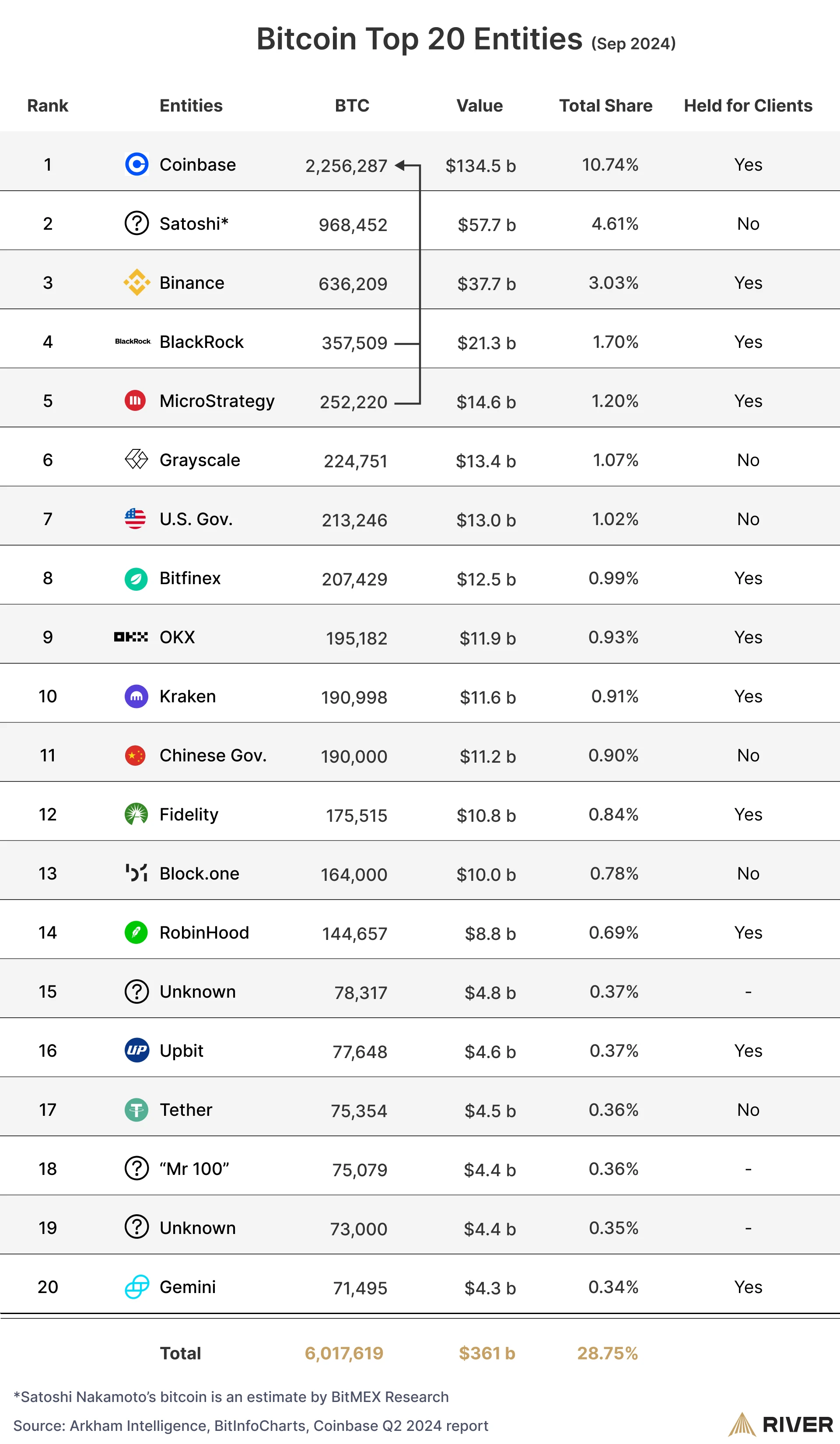
The Concentrated Landscape of Bitcoin Ownership
Bitcoin, designed to be a decentralized digital currency, paradoxically exhibits a highly concentrated ownership structure. Early adoption, technical expertise, and sheer speculative foresight have created a landscape where a relatively small number of entities hold a disproportionately large share of the total circulating supply. This phenomenon is critical for understanding market movements and potential vulnerabilities.
The Enigma of Satoshi Nakamoto
At the apex of Bitcoin ownership, shrouded in mystery, stands Satoshi Nakamoto, the pseudonymous creator of Bitcoin. It’s estimated that Satoshi mined over one million bitcoins in the network’s infancy, most of which have never moved. These holdings represent a colossal sum, making Satoshi, if a single individual, one of the wealthiest entities globally. The potential for these coins to move is a perennial subject of speculation, as such a transfer could send ripples through the entire crypto market, though many believe they are lost or will remain dormant indefinitely. The significance of Satoshi’s untouched stash underscores the early-mover advantage and the foundational wealth created at Bitcoin’s genesis.
Early Adopters and “Whales”
Beyond Satoshi, a class of “whales” emerged – individuals and entities who recognized Bitcoin’s potential in its nascent stages, acquiring large quantities when prices were pennies or even fractions of a cent. These early adopters include developers, cryptographers, and technology enthusiasts who either mined large amounts using rudimentary equipment or purchased them at extremely low valuations. Over time, as Bitcoin’s value soared, these initial holdings ballooned into immense fortunes. These whales often hold thousands, or even tens of thousands, of bitcoins. Their movements – buying, selling, or transferring large sums – are closely watched by market analysts, as they can significantly influence price action due to the sheer volume involved. Their long-term holding strategies, often termed “HODLing,” have contributed to Bitcoin’s scarcity and value appreciation, but their potential for sudden sell-offs introduces a degree of market risk.
Public Companies and Institutional Investors
More recently, a new class of significant Bitcoin holders has emerged: public companies and institutional investors. Companies like MicroStrategy, Tesla, and Block (formerly Square) have added substantial amounts of Bitcoin to their corporate treasuries, viewing it as a store of value, an inflation hedge, and a strategic asset. Similarly, institutional investors, including hedge funds, asset managers, and sovereign wealth funds, have increasingly entered the Bitcoin market through direct purchases, Bitcoin ETFs, or other investment vehicles. These entities bring massive capital pools, and their increasing accumulation signifies a growing mainstream acceptance and legitimization of Bitcoin as an investable asset class. Their holdings are typically more transparent than individual whales, often reported in financial statements, providing a clearer picture of their impact on supply and demand dynamics.
Understanding Bitcoin Wealth Distribution
Measuring wealth distribution in a pseudonymous, decentralized system like Bitcoin requires specialized tools and analytical approaches. Traditional economic metrics need adaptation to provide meaningful insights into who holds what.
Wallets vs. Owners: A Key Distinction
A crucial point in analyzing Bitcoin distribution is distinguishing between wallet addresses and actual owners. A single individual or entity can control multiple wallet addresses, while a single address might represent the pooled funds of many individuals (e.g., an exchange’s cold storage). On-chain analysis tools attempt to cluster addresses likely belonging to the same entity, but perfect accuracy remains elusive. Therefore, statistics showing the number of addresses holding X amount of Bitcoin are indicative but not definitive of the number of unique owners. This complexity makes precise identification of “who” owns more bitcoins challenging, yet the concentration patterns are still evident.
On-Chain Analysis: Unveiling Patterns
Sophisticated on-chain analysis firms and researchers use a variety of methodologies to track Bitcoin movements and infer ownership patterns. This involves analyzing transaction histories, identifying common spending patterns, tracing funds to known entities (like exchanges or mining pools), and employing heuristic algorithms to group addresses. They can identify dormant addresses, track the flow of funds between different types of wallets (e.g., individual, exchange, institutional), and estimate the total holdings of various cohorts. These analyses consistently show that while the number of Bitcoin users has grown exponentially, a significant portion of the total supply remains concentrated in a relatively small number of large wallets.
The Gini Coefficient and Bitcoin Inequality
Economists often use the Gini coefficient to measure income or wealth inequality within a population, with a higher coefficient indicating greater inequality. Applying this metric to Bitcoin ownership typically reveals a high degree of inequality, often comparable to or exceeding that of highly unequal traditional economies. While some argue that this is inherent in any new asset class where early adopters reap disproportionate rewards, others view it as a potential challenge to Bitcoin’s long-term vision of broad, decentralized financial access. However, it’s also important to consider that many smaller holders might be accumulating gradually, and the picture changes as the asset matures and broader adoption occurs.
The Financial Implications of Concentrated Holdings
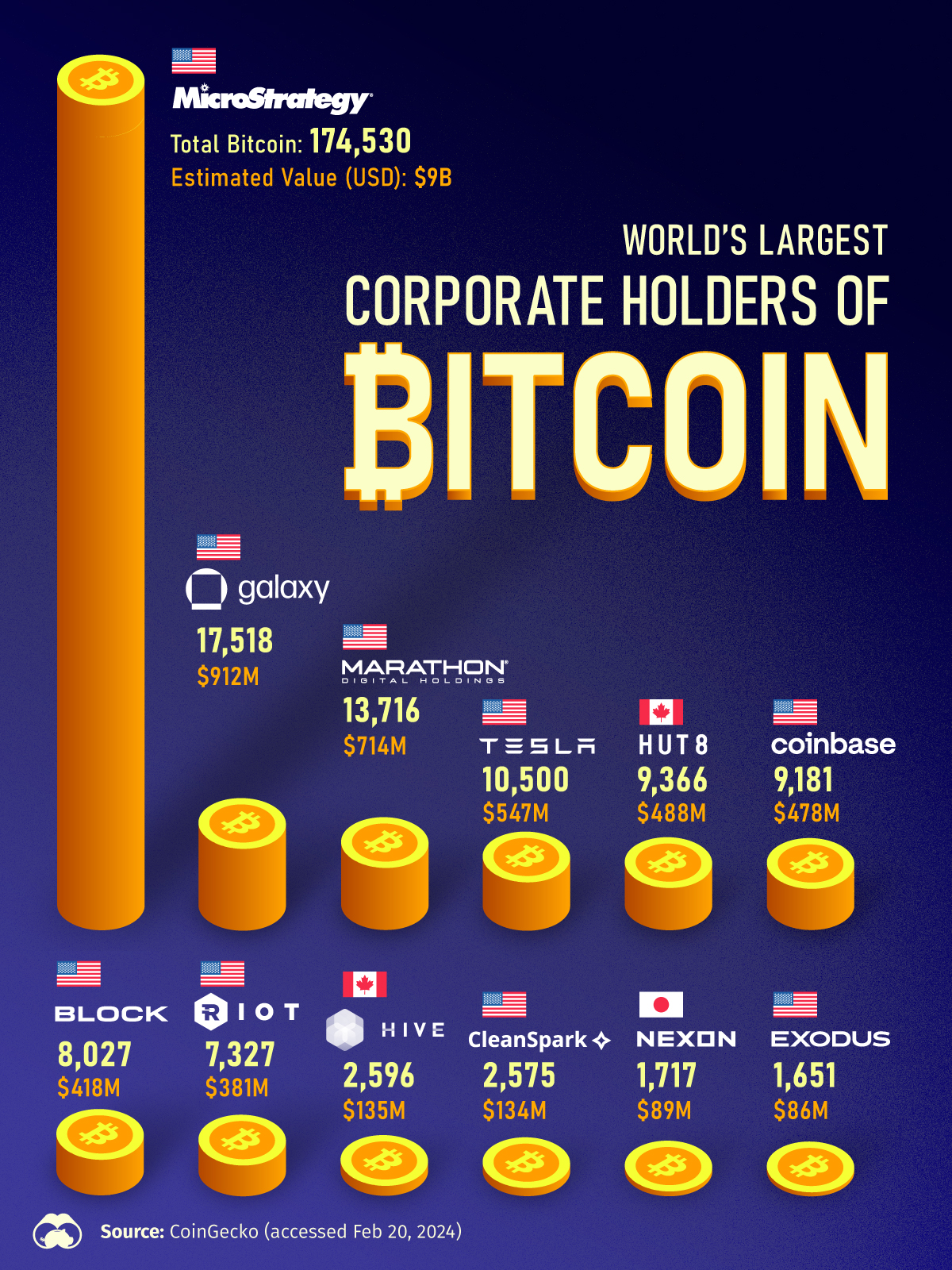
The uneven distribution of Bitcoin has significant financial implications, affecting market behavior, liquidity, and even the perception of Bitcoin’s decentralized nature.
Market Volatility and Whale Movements
Large Bitcoin holders, or whales, possess the capacity to significantly influence market prices. A sudden decision by one or more whales to sell a large portion of their holdings can flood the market with supply, potentially leading to sharp price drops. Conversely, large accumulation phases can drive prices up. This creates a degree of market volatility that smaller, retail investors must contend with. While the market has matured and become more resilient, the potential for “whale shocks” remains a factor that investors consider when evaluating risk. Monitoring whale movements, often reported by blockchain analytics services, has become an important part of crypto trading strategies.
Impact on Liquidity and Price Discovery
Concentrated ownership can also affect market liquidity. When a large percentage of the circulating supply is held by long-term holders (HODLers) who have no immediate intention to sell, the available supply for trading on exchanges is reduced. This reduced liquidity can amplify price movements, meaning smaller buy or sell orders can have a larger impact on price than they would in a more liquid market. For instance, if only 10% of the total Bitcoin supply is actively traded, any significant demand or supply shock within that 10% can cause disproportionate price swings across the entire market capitalization. This dynamic affects efficient price discovery, as the true equilibrium price might be obscured by the limited available supply.
Centralization Concerns in a Decentralized System
One of Bitcoin’s core tenets is decentralization, aiming to remove intermediaries and distribute power. However, the concentration of wealth in the hands of a few raises questions about whether this ideal is fully realized. While holding Bitcoin does not confer direct control over the network’s protocol (which is governed by miners and developers), significant economic power can indirectly influence outcomes. For example, a large holder could potentially influence governance decisions if they also own a mining operation or exert influence through their financial power in other ways. While this is a complex issue with no easy answers, it’s a legitimate concern for those who champion true decentralization.
Strategies for Aspiring Bitcoin Holders
For those looking to enter the Bitcoin market or increase their holdings, understanding the existing distribution and its implications is crucial for developing a sound financial strategy.
Accumulation Strategies: DCA vs. Lump Sum
Aspiring Bitcoin investors often deliberate between two primary accumulation strategies: Dollar-Cost Averaging (DCA) and lump sum investing. DCA involves investing a fixed amount of money at regular intervals, regardless of Bitcoin’s price. This strategy helps mitigate the risk of buying at a market peak and smooths out the average purchase price over time. Given Bitcoin’s volatility, DCA is often recommended for those new to the market or with a long-term investment horizon. Lump sum investing, conversely, involves investing a large sum all at once. While this can yield higher returns if timed perfectly, it also carries the risk of significant losses if the market drops shortly after the investment. The choice between these strategies depends on an individual’s risk tolerance, capital availability, and market outlook.
Understanding Risk and Volatility
Investing in Bitcoin, particularly with the knowledge of concentrated ownership, inherently involves significant risk and volatility. The potential for large price swings, driven by whale movements, macroeconomic factors, or regulatory news, means that investors must be prepared for substantial fluctuations in their portfolio value. It’s crucial to only invest what one can afford to lose and to have a clear understanding of personal financial goals. Diversifying one’s investment portfolio beyond just Bitcoin, and perhaps even within the crypto space, can help manage overall risk.
Secure Custody and Portfolio Diversification
Once Bitcoin is acquired, secure custody is paramount. Large holders typically employ sophisticated cold storage solutions, often involving hardware wallets or multi-signature setups, to protect their assets from hacking and theft. Smaller investors should also prioritize secure storage, moving their bitcoins off exchanges into personal hardware or software wallets where they control the private keys. Furthermore, financial prudence dictates portfolio diversification. While Bitcoin might be a significant holding for some, a well-rounded investment strategy typically includes a mix of traditional assets (stocks, bonds, real estate) and other alternative investments to balance risk and reward across different market cycles.
The Evolving Future of Bitcoin Ownership
The distribution of Bitcoin is not static; it is an evolving landscape influenced by technological advancements, market forces, and global adoption trends.
Increasing Retail Adoption
Despite the current concentration, there’s a strong trend towards increasing retail adoption. As Bitcoin becomes more accessible through user-friendly exchanges, financial apps, and educational resources, a broader segment of the population is entering the market. While individual retail holdings might be smaller, their cumulative effect can be significant, potentially leading to a more diversified ownership structure over the long term. This democratization of access is essential for Bitcoin to fulfill its promise as a global, permissionless currency.
Regulatory Frameworks and Institutional Access
The development of clear regulatory frameworks around the world is also playing a pivotal role. Regulations can either facilitate or hinder institutional participation and retail access. The approval of spot Bitcoin ETFs in various jurisdictions, for example, has made it easier for traditional investors to gain exposure to Bitcoin without directly holding the asset, further integrating it into mainstream finance. As more institutions and traditional financial products embrace Bitcoin, the distribution patterns are likely to shift, potentially spreading ownership among a wider array of institutional funds and their underlying clients.
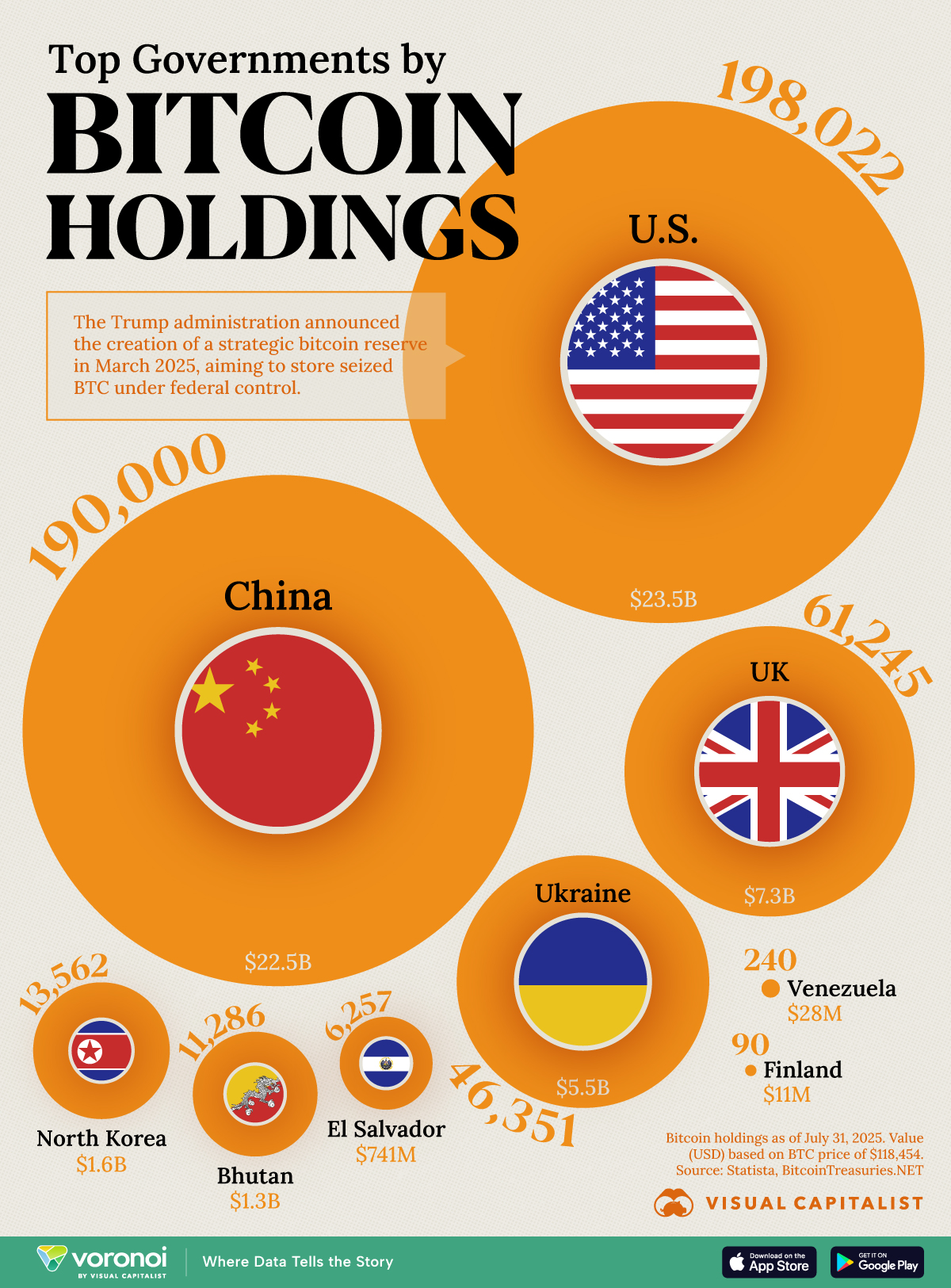
The Long-Term Vision for Distribution
Ultimately, the long-term vision for Bitcoin’s distribution is a subject of ongoing debate. Some believe that the market will naturally decentralize ownership over time as more participants enter, and early whales gradually distribute their holdings. Others argue that the inherent advantages of early adoption will maintain a significant level of concentration. Regardless, the increasing number of users, the expanding ecosystem of financial products, and the ongoing dialogue about economic equality within the crypto space suggest that the journey of Bitcoin ownership is far from over. As Bitcoin matures, its distribution will continue to be a key indicator of its societal integration and its success as a truly decentralized financial innovation.
aViewFromTheCave is a participant in the Amazon Services LLC Associates Program, an affiliate advertising program designed to provide a means for sites to earn advertising fees by advertising and linking to Amazon.com. Amazon, the Amazon logo, AmazonSupply, and the AmazonSupply logo are trademarks of Amazon.com, Inc. or its affiliates. As an Amazon Associate we earn affiliate commissions from qualifying purchases.