
In the age of ubiquitous digital photography, from smartphone snapshots to professional-grade DSLR images, we often take for granted the clarity and detail that our cameras capture. However, occasionally, our images present an unwelcome guest: a grainy, speckled appearance that detracts from the intended visual narrative. This phenomenon is known as picture noise. Far from being a mere aesthetic annoyance, understanding picture noise is crucial for anyone involved in digital content creation, marketing, or even simply archiving cherished memories. This article delves into the nature of picture noise, exploring its origins, its impact across different industries, and the technological solutions and strategies employed to mitigate its presence.
The Genesis of Digital Grain: Unpacking the Causes of Picture Noise
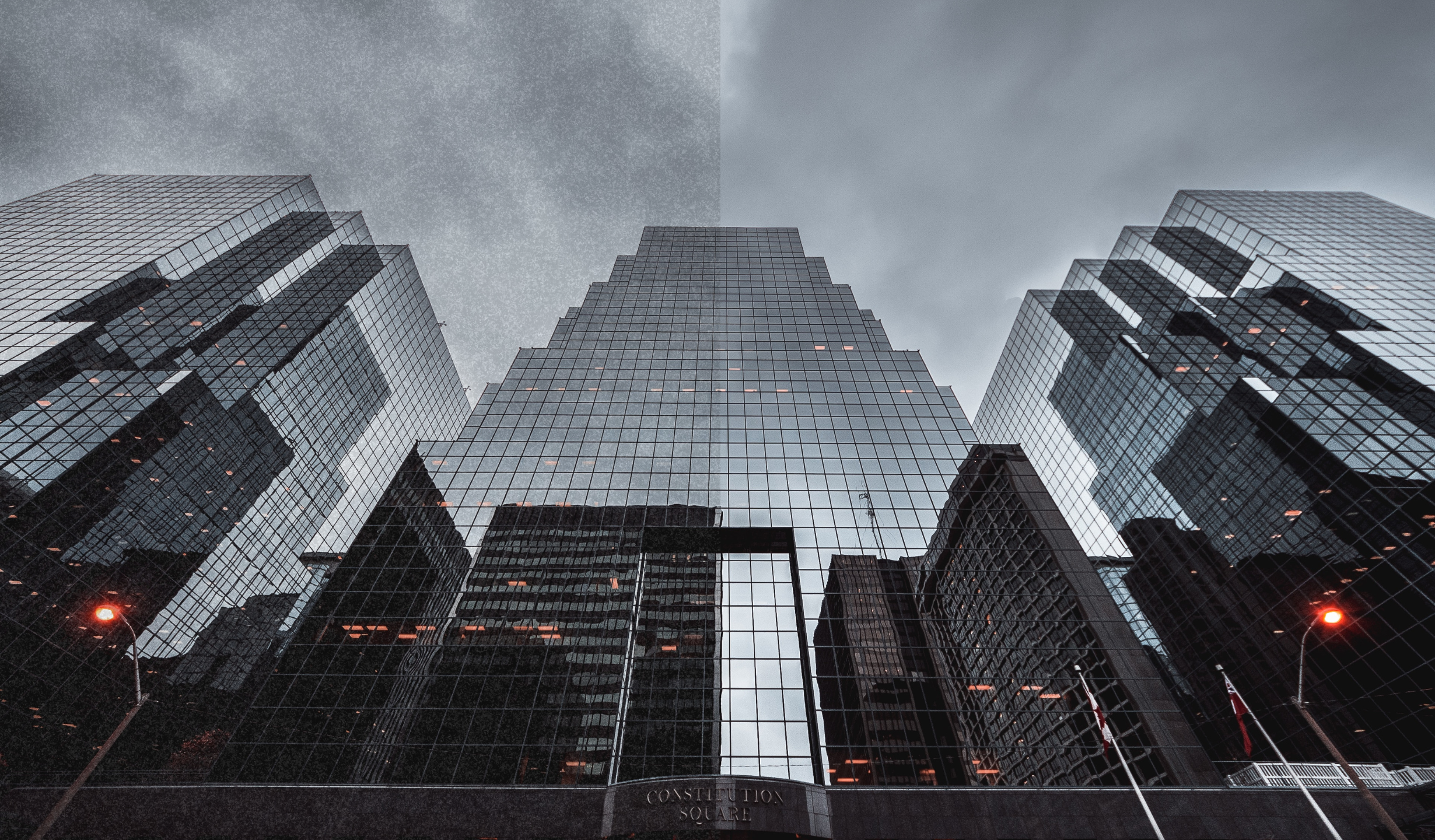
Picture noise, at its core, is essentially unwanted random variation in brightness or color information in an image. It’s like static on a radio signal, disrupting the pure data that the camera sensor is trying to record. While the term “noise” might evoke a sense of something entirely artificial, its origins are rooted in both the physical limitations of digital sensors and the computational processes involved in image capture.
Sensor Limitations: The Inherent Imperfections of Light Capture
Digital cameras rely on image sensors – typically CMOS or CCD sensors – composed of millions of tiny light-sensitive units called pixels. Each pixel is designed to convert incoming photons (light particles) into electrical signals, which are then processed to form the final image. However, this conversion process is not perfectly linear or noise-free.
Thermal Noise: The Heat of the Moment
One of the primary culprits is thermal noise. Even when no light is hitting the sensor, tiny amounts of electrical current are generated due to the random thermal motion of electrons within the silicon. This “dark current” is exacerbated by higher sensor temperatures. This is why you might notice more noise in images taken in warm environments, during long exposures, or when shooting video for extended periods, as the sensor heats up. The longer an exposure, the more time these stray electrons have to accumulate, contributing to the noisy signal.
Read Noise: The Electronic Chatter
Another significant factor is read noise. This type of noise is introduced during the process of reading out the electrical charge from each pixel and converting it into a digital signal. Amplifiers and analog-to-digital converters (ADCs), essential components in this process, are not perfect and introduce their own subtle electrical fluctuations. Read noise is largely independent of light levels and exposure time; it’s a fundamental characteristic of the sensor and its readout circuitry.
Photon Shot Noise: The Quantum Uncertainty
While seemingly counterintuitive, even the very nature of light can contribute to noise. Photon shot noise arises from the inherent statistical variation in the arrival rate of photons. Light is not a continuous stream but rather a shower of discrete particles. Even in a perfectly illuminated scene, the exact number of photons hitting a pixel in any given millisecond will vary slightly. This variation, governed by Poisson statistics, becomes more noticeable when fewer photons are available, meaning in low-light conditions, the signal-to-noise ratio decreases.
Algorithmic Artifacts: The Software’s Double-Edged Sword
Beyond the physical limitations of the sensor, the software that processes the image data can also introduce or, more often, exacerbate noise.
High ISO Amplification: Boosting the Signal, Amplifying the Noise
Digital cameras have an ISO setting, which essentially controls the sensitivity of the sensor to light. A higher ISO amplifies the electrical signal from the sensor, allowing for brighter images in low light. However, this amplification also boosts the inherent noise present in the signal. It’s akin to turning up the volume on a radio with a weak signal – you hear more of the music, but you also hear more static. This is why images shot at high ISO settings are typically noisier than those shot at lower ISOs.
JPEG Compression: The Trade-off Between Size and Detail
When you save an image as a JPEG, the camera’s internal processor (or your editing software) often applies compression algorithms to reduce the file size. While highly efficient, JPEG compression is “lossy,” meaning some image data is discarded in the process. Aggressive compression can lead to artifacts that resemble noise, particularly in areas of smooth gradients or fine detail. This is why professional photographers often shoot in RAW format, which captures unprocessed sensor data and allows for greater control over noise reduction during post-processing.
The Impact of Picture Noise Across Industries
The presence of picture noise isn’t just a technical curiosity; it has tangible consequences across various fields where visual fidelity is paramount.
Tech and Digital Media: The Battle for Clarity
In the realm of technology, particularly in software development, AI tools, and digital security, noise can be a significant impediment.
AI and Machine Learning: Garbage In, Garbage Out
For AI algorithms trained on image data – such as facial recognition, object detection, or medical image analysis – picture noise can severely impact performance. Noisy images can lead to misclassifications, reduced accuracy, and an overall degradation in the AI model’s ability to understand and interpret visual information. Developers spend considerable effort in pre-processing datasets to reduce noise and ensure that the AI learns from clean, reliable data. This ties into the development of sophisticated AI tools designed specifically for image denoising.
Digital Security: Tampering with Evidence
In digital security and forensics, image clarity is critical for identifying individuals, verifying evidence, or analyzing security footage. Noise can obscure crucial details, making it difficult to identify suspects, read license plates, or even determine the authenticity of an image. Digital security relies on the integrity of visual data, and noise represents a potential vulnerability.
Reviews and Tutorials: Maintaining Credibility
For tech websites and platforms that publish reviews and tutorials, image quality is essential for conveying information effectively. Noisy product images can make devices appear cheap or poorly manufactured, negatively impacting purchasing decisions. Similarly, noisy screenshots in tutorials can make it difficult for users to follow instructions, leading to frustration and a lack of trust in the content creator.
Brand and Design: The Erosion of Professionalism
In branding and marketing, visual communication is the bedrock of a brand’s identity. Picture noise can undermine a brand’s carefully crafted image.
Corporate Identity and Marketing Materials: A Tarnished Image
A brand’s logo, marketing collateral, and website imagery are crucial touchpoints for consumers. Noisy images in brochures, advertisements, or on a website can convey a sense of unprofessionalism, carelessness, and a lack of attention to detail. This can inadvertently damage a brand’s corporate identity and negatively impact its perceived quality. A high-quality visual presentation is synonymous with a high-quality product or service.
Personal Branding: Projecting Confidence and Competence
For individuals building their personal brand, particularly online, high-quality imagery is vital. Professional headshots, portfolio images, and social media content that are plagued by noise can make an individual appear less polished, less experienced, and less trustworthy. This is especially true for freelancers, artists, and entrepreneurs who rely on their visual presence to attract clients and opportunities.
Money and Finance: The Subtle but Significant Impact
While perhaps less immediately obvious, picture noise can also have indirect impacts in the financial world.
Online Income and Side Hustles: First Impressions Matter
For those generating online income or running side hustles that involve selling products online, clear and appealing product photography is paramount. Noisy images can deter potential buyers, leading to fewer sales and reduced revenue. The initial visual impression is often the deciding factor in whether a customer clicks to learn more.
Business Finance and Financial Tools: Presentation of Data
While financial data is primarily numerical, the presentation of this data often involves charts, graphs, and reports that incorporate imagery. Blurred or noisy images within financial reports or on the interfaces of financial tools can create a perception of disorganization or a lack of attention to detail, potentially eroding confidence in the accuracy and reliability of the information presented.
Strategies and Technologies for Noise Reduction
Fortunately, the digital realm offers a sophisticated arsenal of tools and techniques to combat picture noise, allowing us to restore clarity and preserve visual integrity.
In-Camera Noise Reduction: The First Line of Defense
Modern digital cameras are equipped with built-in noise reduction algorithms. These AI tools operate in real-time during image capture.
High ISO Noise Reduction: Balancing Clarity and Detail
Most cameras allow you to adjust the strength of their in-camera noise reduction, particularly for high ISO settings. While this can effectively smooth out grainy textures, aggressive settings can sometimes lead to a loss of fine detail and a “painterly” or “smudged” appearance. Finding the right balance is key.
Long Exposure Noise Reduction: Addressing Thermal Build-up
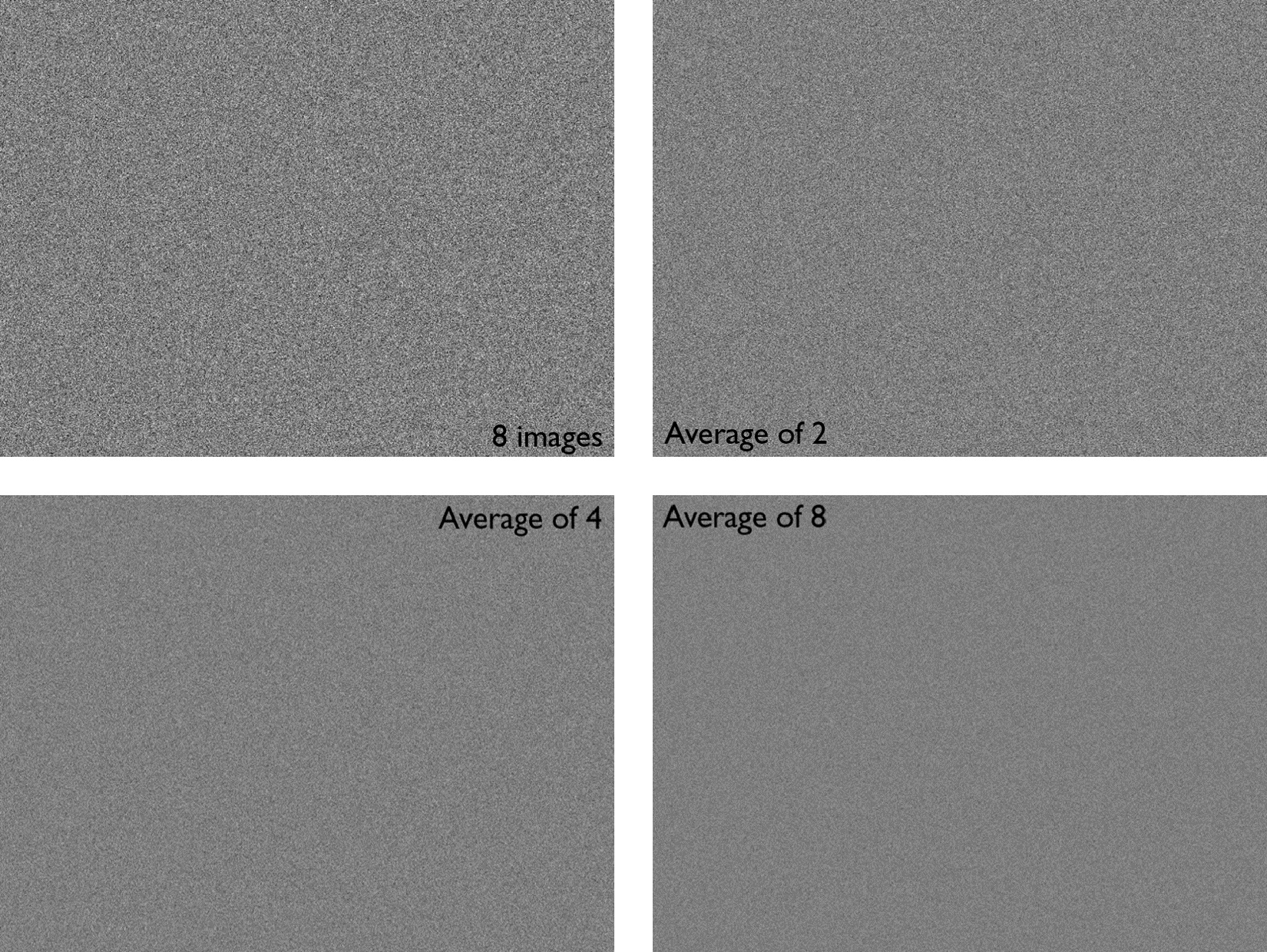
For astrophotography or other long-exposure scenarios, cameras often have a dedicated “Long Exposure Noise Reduction” mode. This typically involves taking a second “dark frame” exposure of the same duration with the shutter closed. By subtracting this dark frame (which contains only sensor noise), the camera can effectively reduce thermal noise.
Post-Processing: The Power of Refinement
For the most control and the best results, tutorials and reviews on image editing software often highlight the power of post-processing noise reduction.
Dedicated Noise Reduction Software: Precision Tools
Specialized noise reduction software, often integrated into professional editing suites like Adobe Lightroom, Photoshop, or standalone applications like DxO PureRAW or Topaz DeNoise AI, offers advanced algorithms. These tools analyze image data to distinguish between noise and actual image detail, applying reduction with remarkable precision. They can target luminance (brightness) noise and chrominance (color) noise separately for optimized results.
AI-Powered Denoising: The Future of Image Restoration
The emergence of AI tools in image editing has revolutionized noise reduction. These AI-powered denoisers are trained on vast datasets of noisy and clean images, enabling them to intelligently reconstruct lost detail and remove noise with unprecedented effectiveness. They can often recover details that traditional algorithms would struggle with, providing a significant leap in image quality.
Best Practices for Minimizing Noise at the Source
While post-processing is powerful, the best approach to noise is often to minimize its introduction in the first place.
Optimize Lighting Conditions: The Foundation of Quality
The most effective way to combat noise is to ensure you have adequate lighting. Shooting in well-lit environments allows the camera sensor to capture more photons, resulting in a higher signal-to-noise ratio. For product photography or portraits, investing in good lighting equipment can make a dramatic difference.
Utilize the Lowest Possible ISO: Preserve Signal Purity
Whenever possible, shoot at the lowest native ISO setting of your camera. This preserves the purest signal from the sensor, minimizing amplification and therefore noise. If you need more light, consider using a wider aperture lens or a slower shutter speed (if feasible for the subject).
Shoot in RAW Format: Unprocessed Potential
As mentioned earlier, shooting in RAW format provides unprocessed sensor data, offering maximum flexibility in post-processing. This allows you to apply noise reduction with greater precision and avoid the artifacts introduced by in-camera JPEG processing.
Understand Your Camera’s Limitations: Informed Choices
Familiarize yourself with your camera’s performance at different ISO settings. Most cameras have a “sweet spot” where noise is minimal. Knowing this will help you make informed decisions about when to push your camera to its limits and when to prioritize image quality.

Conclusion: Embracing Clarity in the Digital Landscape
Picture noise, while a persistent challenge in digital imaging, is a phenomenon that can be understood, managed, and effectively mitigated. From the fundamental principles of light capture by digital sensors to the sophisticated algorithms employed by modern cameras and editing software, the pursuit of a clean, clear image is a continuous endeavor. By understanding the causes of noise and implementing best practices in capture and post-processing, individuals and businesses alike can ensure that their visual content effectively communicates their message, upholds their brand integrity, and preserves the memories that matter most. In an increasingly visual world, mastering the art of noise reduction is not just about aesthetics; it’s about ensuring clarity, credibility, and impact.
aViewFromTheCave is a participant in the Amazon Services LLC Associates Program, an affiliate advertising program designed to provide a means for sites to earn advertising fees by advertising and linking to Amazon.com. Amazon, the Amazon logo, AmazonSupply, and the AmazonSupply logo are trademarks of Amazon.com, Inc. or its affiliates. As an Amazon Associate we earn affiliate commissions from qualifying purchases.