
For many, the process of acquiring a new vehicle often involves the pivotal decision of what to do with their current one. While outright selling can sometimes fetch a higher price, the convenience and financial benefits of trading in a vehicle make it a popular choice. Understanding “what is the trade-in value of my vehicle” is not merely about getting a quote; it’s a critical component of personal finance that directly impacts the overall cost of your next car, the size of your down payment, and ultimately, your monthly budget. This guide will delve into the intricacies of vehicle trade-in values, helping you navigate the process with confidence and financial acumen.
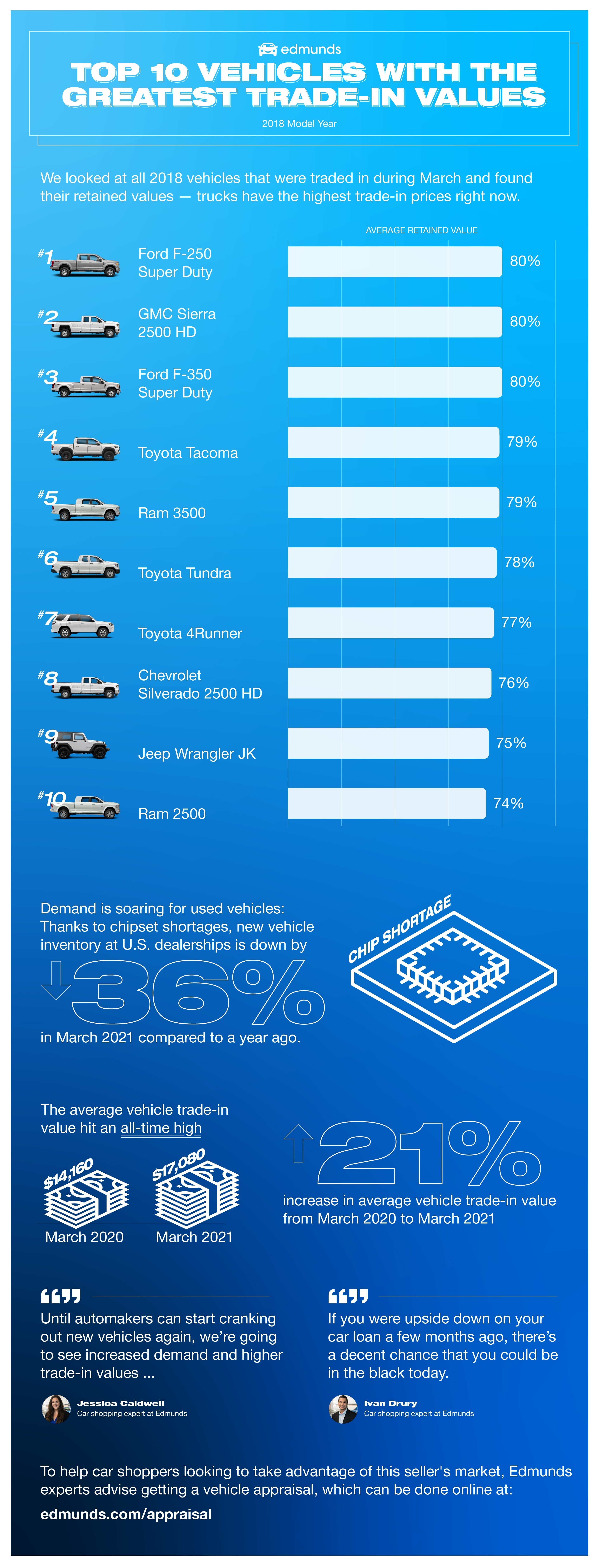
The trade-in value is the amount a dealership is willing to credit you for your existing vehicle when you purchase another from them. This value is then deducted from the purchase price of your new car, reducing the amount you need to finance or pay upfront. While seemingly straightforward, numerous factors influence this figure, and a savvy approach can significantly boost your return. From meticulous maintenance to strategic negotiation, maximizing your trade-in value is a cornerstone of smart vehicle acquisition and an essential skill for managing your personal assets.
Factors Influencing Your Vehicle’s Trade-In Value
The value a dealership places on your car is a complex calculation, not a random guess. It’s an assessment of what they can realistically sell your car for, minus their reconditioning costs and profit margin. Understanding these influencing factors empowers you to evaluate offers and even take steps to improve your vehicle’s appeal.
Make, Model, and Year
Not all vehicles depreciate equally. Certain makes and models have a reputation for retaining their value better than others. Brands like Toyota and Honda, for instance, often command stronger resale values due to their reliability and lower ownership costs. The year of manufacture is also crucial; newer vehicles generally depreciate faster in their first few years but then stabilize. Dealerships constantly monitor market trends to understand the demand for specific models in your region.
Mileage
Mileage is perhaps one of the most significant determinants of a vehicle’s value. A car with lower mileage is generally perceived as having less wear and tear and a longer lifespan remaining, thus commanding a higher price. While “average” mileage is typically considered to be around 12,000-15,000 miles per year, exceeding these benchmarks can significantly reduce your trade-in offer. High mileage signals a greater likelihood of future mechanical issues, which translates to higher reconditioning costs for the dealer.
Condition (Interior & Exterior)
The aesthetic and functional condition of your vehicle plays a massive role. Dealerships assess both the interior and exterior:
- Exterior: Are there dents, scratches, rust spots, or faded paint? Are the tires in good condition with sufficient tread? Are the headlights clear or hazy? A well-maintained exterior suggests a careful owner and reduces the dealership’s detailing expenses.
- Interior: Are there tears, stains, or excessive wear on the upholstery? Does the car smell of smoke or pets? Are all electronic components (radio, windows, AC) in working order? A clean, well-preserved interior enhances the perceived value and suggests a comfortable resale experience for the next owner.
Mechanical Health and Service History
Beyond superficial appearances, the mechanical health of your vehicle is paramount. Any warning lights, strange noises, or discernible performance issues will immediately reduce the trade-in value, often drastically. Dealers will factor in the cost of necessary repairs, which can sometimes be substantial. A complete and organized service history, demonstrating regular maintenance and timely repairs, can significantly boost confidence and value. It proves that the vehicle has been well-cared for, mitigating the risk of unforeseen mechanical issues for the dealership.
Features and Trim Level
The original trim level and any optional features can influence value. Premium trims, desirable technology packages (like navigation, advanced infotainment, sunroof), and advanced safety features (ADAS) can make your vehicle more attractive to prospective buyers and, by extension, to the dealership. Conversely, some features, such as a manual transmission in a market that largely prefers automatics, might slightly detract from value.
Market Demand and Location
The popularity of your specific make and model in your local market at the time of trade-in can sway the offer. For example, SUVs and AWD vehicles might fetch higher values in colder climates or during winter months. Economic conditions and the overall supply and demand for used vehicles also play a part. A dealership’s current inventory levels – whether they have an abundance or scarcity of a particular type of vehicle – can also impact their willingness to offer a competitive trade-in price.
Understanding the Trade-In Process
Navigating the trade-in process effectively requires preparation and a clear understanding of how dealerships operate. It’s a financial negotiation, and being well-informed puts you in a stronger position.
Initial Research
Before even stepping foot in a dealership, equip yourself with knowledge. Utilize reputable online valuation tools like Kelley Blue Book (KBB), Edmunds, and NADAguides. These platforms provide estimated trade-in values based on your car’s make, model, year, mileage, and condition. Be honest in your self-assessment of the condition to get the most accurate estimate. Remember, these are estimates; real-world offers can vary based on local market specifics and dealership policies. It’s also wise to get at least two or three online quotes or even preliminary offers from different dealerships or third-party car buyers to establish a benchmark.
Dealership Inspection
When you present your vehicle for trade-in, the dealership’s used car manager or a designated appraiser will conduct a thorough inspection. They’re not just kicking the tires; they’re looking for everything mentioned in the previous section: cosmetic flaws, tire wear, fluid levels, warning lights, mechanical health, and a complete service history. They’ll also check for any signs of previous accidents, title issues, or modifications that might affect resale. This inspection helps them determine the true wholesale value of your car and estimate the reconditioning costs needed to prepare it for resale on their lot.
The Offer
The trade-in offer is typically presented to you as part of the broader negotiation for your new vehicle. It’s crucial to understand that the offer will almost always be a wholesale price, not a retail price. Dealerships need to purchase your vehicle at a price that allows them to recondition it (clean, repair, service) and then resell it at a profit. This difference between wholesale and retail is their margin. Don’t be surprised if the offer is lower than the private sale value you might see online – the convenience of a trade-in comes with a cost.
Negotiation Tips
Negotiating your trade-in value requires strategy. Firstly, try to negotiate the price of the new vehicle and the trade-in value separately. Some dealerships might try to distract you with an attractive new car price while lowballing your trade-in, or vice-versa. Have your research ready, including printouts of online valuations and any competing offers. Be firm but realistic, and be prepared to justify your desired value based on your vehicle’s condition and market comparisons. If the offer is significantly lower than your research suggests, don’t be afraid to walk away or explore other options.
Strategies to Maximize Your Trade-In Value
While you can’t change your car’s make, model, or year, there are several actionable steps you can take to make your vehicle more appealing to a dealership and, consequently, boost your trade-in offer. These strategies often involve a modest investment of time or money that can yield a significant return.

Basic Detailing and Minor Repairs
First impressions matter. A thoroughly cleaned vehicle, both inside and out, presents much better than a dirty one. Vacuum the interior, wipe down surfaces, clean the windows, and wash and wax the exterior. Consider getting a professional detailing if your budget allows. Beyond cleanliness, address minor cosmetic issues: touch up small paint chips, polish hazy headlights, replace worn floor mats, and ensure all interior lights are working. For minor mechanical issues, like a burnt-out bulb or a low fluid level, fix them. These small efforts signal to the dealership that you care for your car and that it’s ready for resale with minimal effort on their part.
Organize Service Records
A complete and organized file of your vehicle’s service history is a powerful asset. It provides documented proof of regular maintenance, oil changes, tire rotations, and any significant repairs. This transparency builds trust and assures the dealership (and future buyers) that the car has been properly cared for. It can also preemptively answer questions about the car’s mechanical health, making their inspection process smoother and instilling confidence.
Be Honest About Condition
While you want to present your car in the best possible light, it’s generally counterproductive to try and hide major flaws. Dealership appraisers are highly experienced and will likely uncover any significant issues during their inspection. Being upfront about known problems can sometimes work in your favor, as it demonstrates honesty and can lead to a more direct and less contentious negotiation. They might even be more willing to work with you if they feel you’re being transparent.
Remove Personal Items
Before taking your car to the dealership, remove all personal belongings. This includes trash, CDs, papers, car seats, and anything else that makes the car look lived-in. A clear, empty car allows the dealership to envision it as a product ready for resale, rather than someone’s personal space. It also saves you the hassle of having to retrieve forgotten items later.
Timing Your Trade-In
Consider the timing of your trade-in. If your car is approaching a major service milestone (e.g., 60,000 or 100,000 miles) that requires expensive maintenance, it might be financially advantageous to trade it in beforehand. Similarly, selling before tires need replacing or brakes need overhauling can save you money. The season can also play a minor role; for example, trading in an SUV in winter might be more appealing to dealerships preparing for demand.
Alternative Selling Options vs. Trade-In
While trading in offers undeniable convenience, it’s not always the most financially lucrative option. Understanding alternatives is crucial for a comprehensive personal finance decision.
Selling Privately
Selling your car privately often yields the highest selling price, as you’re cutting out the middleman (the dealership’s profit margin). You can typically list your car closer to its retail value. However, this comes with significant drawbacks:
- Time-consuming: You’ll need to prepare the car for sale, advertise it, communicate with potential buyers, schedule test drives, and handle all the paperwork.
- Security risks: Meeting strangers and dealing with large sums of money can pose security concerns.
- Hassle: Dealing with lowball offers, no-shows, and title transfers can be stressful.
Selling to a Third-Party Buyer/Online Retailer
Companies like CarMax, Vroom, or Carvana offer a hybrid solution. They buy cars directly from consumers without requiring a trade-in for a new purchase.
- Pros: Generally simpler and faster than a private sale, often offering a better price than a dealership trade-in. The process is streamlined, and payment is usually quick.
- Cons: The price offered might still be less than what you could get from a private sale, as these companies also need to make a profit.
Weighing the Convenience vs. Profit
The decision between trading in, selling privately, or using a third-party buyer boils down to your personal financial priorities and available time.
- Trade-in: Offers ultimate convenience. You handle only one transaction, and the dealership manages all the paperwork and reconditioning. Additionally, in many states, you only pay sales tax on the difference between the new car’s price and your trade-in value, which can amount to significant tax savings.
- Private Sale: Offers the potential for maximum profit but demands the most time and effort.
- Third-Party Buyer: A good middle ground for those seeking more than a trade-in offer but less hassle than a private sale.
Consider the value of your time and peace of mind. If the difference between a trade-in offer and a private sale is marginal after accounting for taxes, time, and effort, the convenience of a trade-in might be the financially smarter choice.
Financial Implications and Decision Making
Beyond the immediate transaction, your trade-in decision has broader financial implications that warrant careful consideration.
Tax Advantages of Trading In
This is a critical, often overlooked, benefit. In many states (though not all), sales tax on a new vehicle purchase is calculated on the net price – the new car’s price minus your trade-in value. For example, if you buy a $30,000 car and get $10,000 for your trade-in, you only pay sales tax on $20,000. If you sold your car privately for $10,000 and then bought the new car for $30,000, you’d pay sales tax on the full $30,000. This tax saving alone can sometimes make the trade-in option more financially appealing, even if the raw trade-in offer is slightly lower than a private sale.
Impact on Loan-to-Value (LTV)
A higher trade-in value acts like a larger down payment. This reduces the amount you need to finance for your new vehicle, leading to lower monthly payments and less interest paid over the life of the loan. A strong trade-in can also improve your loan-to-value (LTV) ratio, potentially securing better interest rates. Conversely, if you have “negative equity” (you owe more on your current car than it’s worth), a low trade-in value might force you to roll that negative equity into your new loan, increasing your debt burden. Understanding your current car’s equity is vital.
Calculating Your True Cost of Ownership
When evaluating your trade-in, it’s also a good opportunity to consider the true cost of ownership for both your current vehicle and the potential new one. Factor in not just depreciation, but also ongoing maintenance costs, insurance premiums, fuel efficiency, and registration fees. Sometimes, holding onto an older, high-maintenance vehicle can be more expensive in the long run than upgrading, even with a modest trade-in. A trade-in can be a strategic move to reset your vehicle’s financial trajectory.
Making an Informed Decision
Ultimately, the best decision for you involves comparing all the variables.
- Get multiple valuations: Online tools, dealership quotes, and third-party offers.
- Calculate potential tax savings: Factor this into your trade-in offer.
- Assess your time and effort: How much is your time worth if you sell privately?
- Evaluate your financial position: Do you need the liquidity from a private sale, or is the reduced financing from a trade-in more beneficial?
Don’t rush the decision. Take your time, do your homework, and weigh all financial implications to ensure you make a choice that aligns with your personal finance goals.

Conclusion
Understanding “what is the trade-in value of my vehicle” is far more than a simple inquiry; it’s a critical aspect of responsible personal finance when upgrading your mode of transportation. By grasping the numerous factors that influence this value, preparing your vehicle judiciously, and strategically navigating the negotiation process, you can significantly impact the financial outcome of your car purchase. Whether you opt for the convenience of a trade-in, the potential profit of a private sale, or the streamlined process of a third-party buyer, an informed decision based on thorough research and a clear understanding of your financial landscape will ensure you get the best possible return on your investment and drive away confident in your choice.
aViewFromTheCave is a participant in the Amazon Services LLC Associates Program, an affiliate advertising program designed to provide a means for sites to earn advertising fees by advertising and linking to Amazon.com. Amazon, the Amazon logo, AmazonSupply, and the AmazonSupply logo are trademarks of Amazon.com, Inc. or its affiliates. As an Amazon Associate we earn affiliate commissions from qualifying purchases.