
In the modern landscape of commercial aviation, the “standard” economy experience has become increasingly unbundled, allowing airlines to maximize revenue through tiered seating options. Among these, Delta Air Lines’ Comfort Plus (often stylized as Comfort+) stands as a pivotal middle-market product. For the frequent flyer or the budget-conscious traveler, the central question is not merely what the service entails, but whether the capital allocation for an upgrade yields a positive return on investment (ROI). Analyzing Delta Comfort Plus through a financial lens requires an understanding of price elasticity, the valuation of time, and the strategic deployment of loyalty currency.
Decoding the Cost-Benefit Analysis of the Comfort Plus Upgrade
When evaluating an upgrade to Delta Comfort Plus, the primary consideration is the “delta”—the price difference between a standard Main Cabin fare and the premium economy experience. This surcharge typically ranges from $20 to $150 depending on the route’s duration and demand. To determine if this is a sound financial move, one must break down the specific amenities into their retail and intrinsic values.
Measuring the “Per-Inch” Cost of Legroom
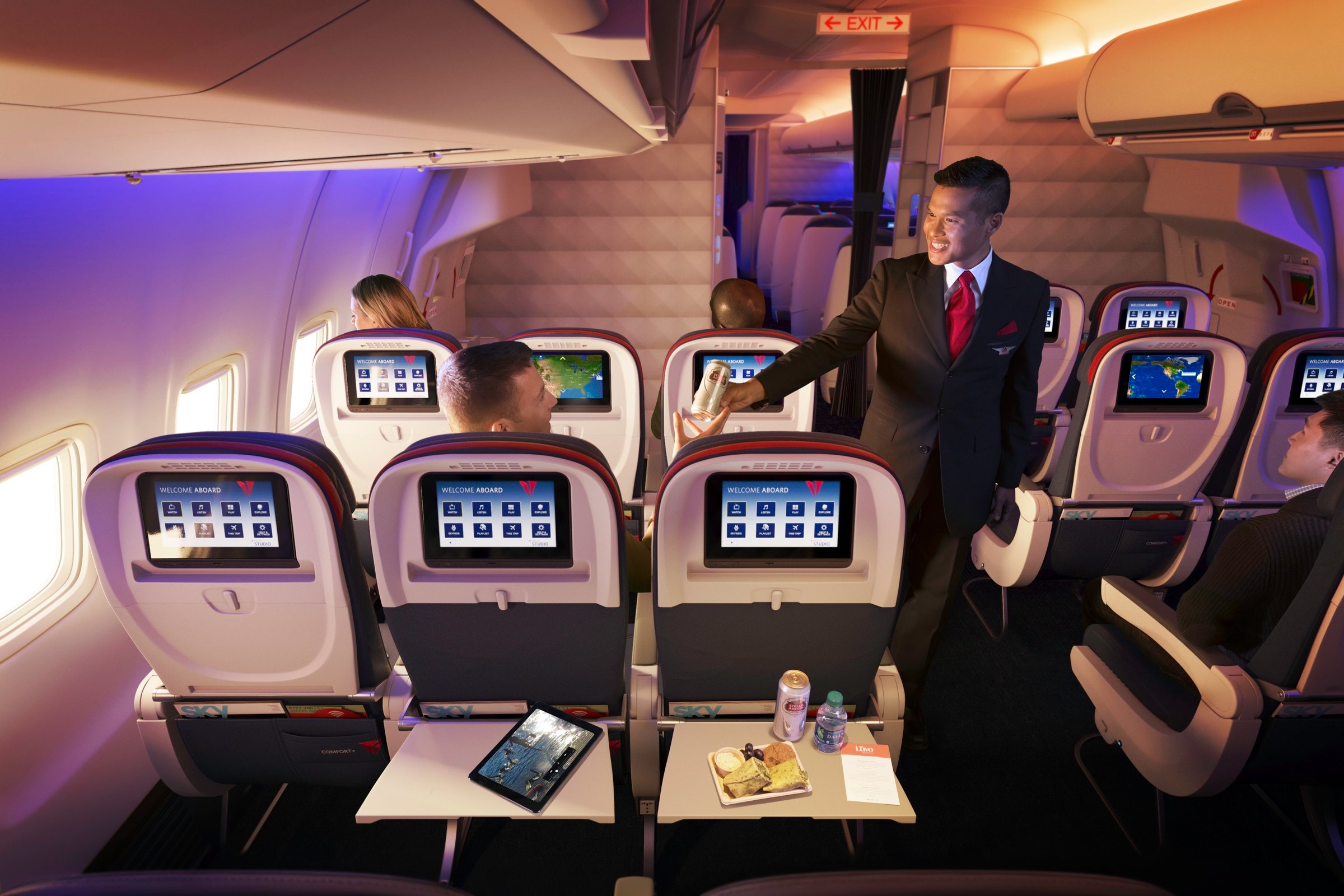
The most tangible asset of Comfort Plus is the additional legroom, which offers up to three extra inches compared to the standard Main Cabin seat. From a financial perspective, this is a real estate transaction. If a traveler is paying $60 for an extra three inches on a five-hour flight, they are essentially paying $4 per inch per hour. For taller individuals or business travelers who require more space to operate a laptop, this “rental” of space can be the difference between a productive work session and lost billable hours. When the cost of the upgrade is lower than the traveler’s hourly rate or the value they place on physical comfort, the upgrade becomes a logical expenditure.
The Indirect Savings of Early Boarding and Deplaning
Time is a non-renewable resource, and in the world of finance, time is money. Comfort Plus passengers receive “Sky Priority” boarding (though specifically “Early Boarding,” following Medallion members) and are seated toward the front of the aircraft. On a Boeing 757 or an Airbus A321, being in the first few rows of the cabin can save a passenger 10 to 20 minutes during the deplaning process. For those with tight connections or those taking a rideshare service where “surge pricing” fluctuates by the minute, those 20 minutes can have a direct impact on the total cost of the trip. Furthermore, guaranteed overhead bin space reduces the risk of having to gate-check a bag, which can save an additional 30 minutes at the baggage carousel upon arrival.
The Retail Value of Complimentary Amenities
Comfort Plus offers a suite of “soft” amenities, including premium snacks and complimentary alcoholic beverages on flights over 250 miles. In an airport environment where a craft beer or a glass of wine costs between $12 and $18, and a premium snack box costs $10, a traveler who intends to consume these items anyway can recoup a significant portion of the upgrade cost. If the price difference for the seat is $40 and the passenger consumes two beverages and a snack, the effective cost of the extra legroom and early boarding drops to less than $10.
Strategizing the SkyMiles Economy: Financial Optimization for Frequent Flyers
For members of the Delta SkyMiles program, Comfort Plus is not just a seat—it is a tool for status acceleration and capital management. The way an upgrade is financed—whether through cash, miles, or earned status—is a critical component of personal financial management within the “points and miles” ecosystem.
Valuing the Miles-to-Dollar Conversion for Upgrades
Delta frequently offers the option to upgrade to Comfort Plus using SkyMiles. To make a fiscally responsible decision, a traveler must calculate the “cents per mile” (CPM) value. Generally, SkyMiles are valued at approximately 1.2 to 1.5 cents each. If an upgrade costs $50 or 5,000 miles, the CPM is 1.0, which represents a slightly sub-optimal use of points. However, if the cash price is $100 but the mileage cost is only 6,000, the CPM jumps to 1.66, making it a high-value redemption. Mastering these ratios allows travelers to preserve their cash flow while maximizing the utility of their loyalty assets.
Leveraging Corporate Travel Budgets for Mid-Tier Comfort
Many corporate travel policies restrict employees to “Economy” or “Coach” class, prohibiting the booking of First or Business Class. However, because Delta often markets Comfort Plus as a “seat product” within the economy cabin rather than a separate class of service (unlike Premium Select), it frequently falls within the “Economy” umbrella for reimbursement purposes. For the professional traveler, this represents a significant “free” upgrade in quality of life. By understanding the nuances of corporate booking tools like Concur, savvy professionals can optimize their travel experience without violating fiscal policy, thereby increasing their personal “job satisfaction ROI.”
Revenue Management and the Psychology of the “Middle Ground” Purchase
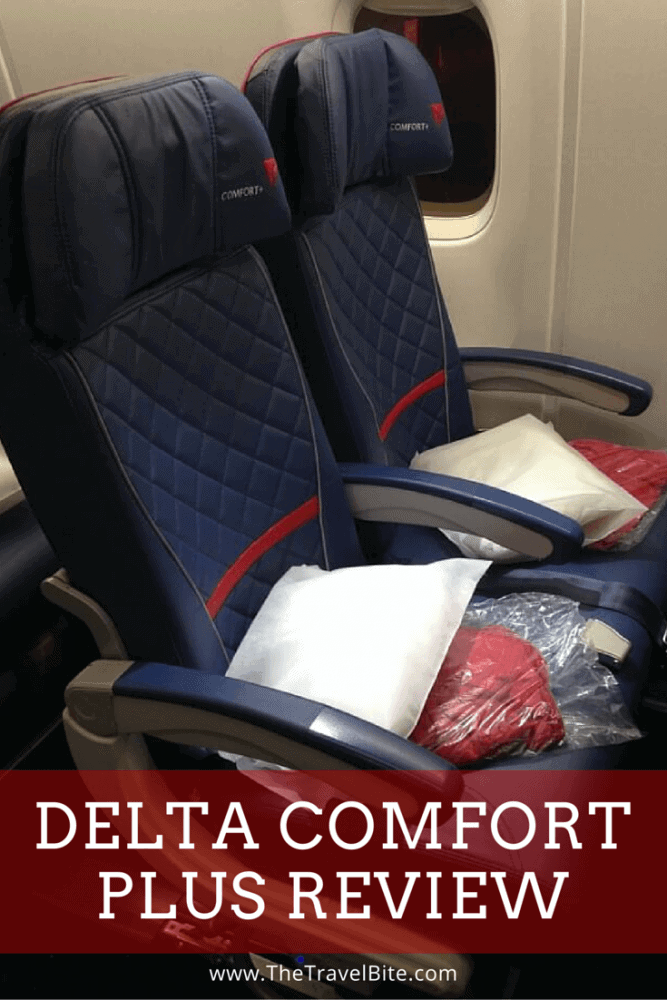
From Delta’s perspective, Comfort Plus is a masterpiece of revenue management. It occupies the psychological “middle ground”—a pricing strategy designed to move consumers away from the cheapest option toward a higher-margin product without the sticker shock of First Class.
How Delta Uses Comfort Plus to Bridge the Price Gap
In behavioral economics, this is known as “decoy pricing” or “anchoring.” By offering Basic Economy (no frills), Main Cabin (standard), and Comfort Plus (enhanced), Delta creates a ladder. The jump from Main Cabin to First Class might be $400—a bridge too far for many. But the jump to Comfort Plus is often just enough to feel like a “treat” or a “reasonable expense.” This allows Delta to capture additional consumer surplus—money that a traveler was willing to spend but wouldn’t have spent on a full First Class ticket.
Ancillary Revenue and Its Impact on Delta’s Bottom Line
Ancillary revenue—income from non-ticket sources like seat upgrades, baggage fees, and onboard sales—is a massive driver of profitability for major carriers. Comfort Plus serves as a high-margin product because the “cost of goods sold” for Delta is remarkably low. The aircraft is already flying the route; the three extra inches of legroom are created by slightly higher density in the back of the plane. The marginal cost of a few extra ounces of spirits and a dedicated snack basket is negligible compared to the $50–$150 premium collected. Investors look favorably on this “upsell” capability as it boosts the airline’s RASM (Revenue per Available Seat Mile).
Assessing the Long-Term Investment in Business Travel Wellness
For the frequent business traveler, the financial implications of Comfort Plus extend beyond the flight itself. It is an investment in human capital and productivity.
The Productivity ROI of In-Flight Connectivity and Space
In a global economy, the ability to remain “online” and productive is paramount. Comfort Plus seats often feature dedicated power outlets (whereas Main Cabin might share them or lack them on older configurations). Combined with Delta’s rollout of fast, free Wi-Fi for SkyMiles members, the extra room in Comfort Plus creates a mobile office environment. If the extra space allows a consultant to finish a deck or an attorney to review a contract, the revenue generated during those hours far exceeds the cost of the seat. The “Cost of Lost Productivity” is a real financial metric that must be weighed against the expense of the upgrade.
Mitigating “Travel Fatigue” Costs for Professional Travelers
Travel fatigue has a measurable impact on performance. Arriving at a destination cramped and exhausted leads to diminished cognitive function and potential burnout. For a company, the cost of an employee needing a half-day to “recover” from a cross-country flight is significantly higher than the $100 upgrade to Comfort Plus. By viewing the upgrade as a preventative health and wellness expense, businesses can ensure their human assets are performing at peak capacity upon arrival.
Conclusion: The Final Tally
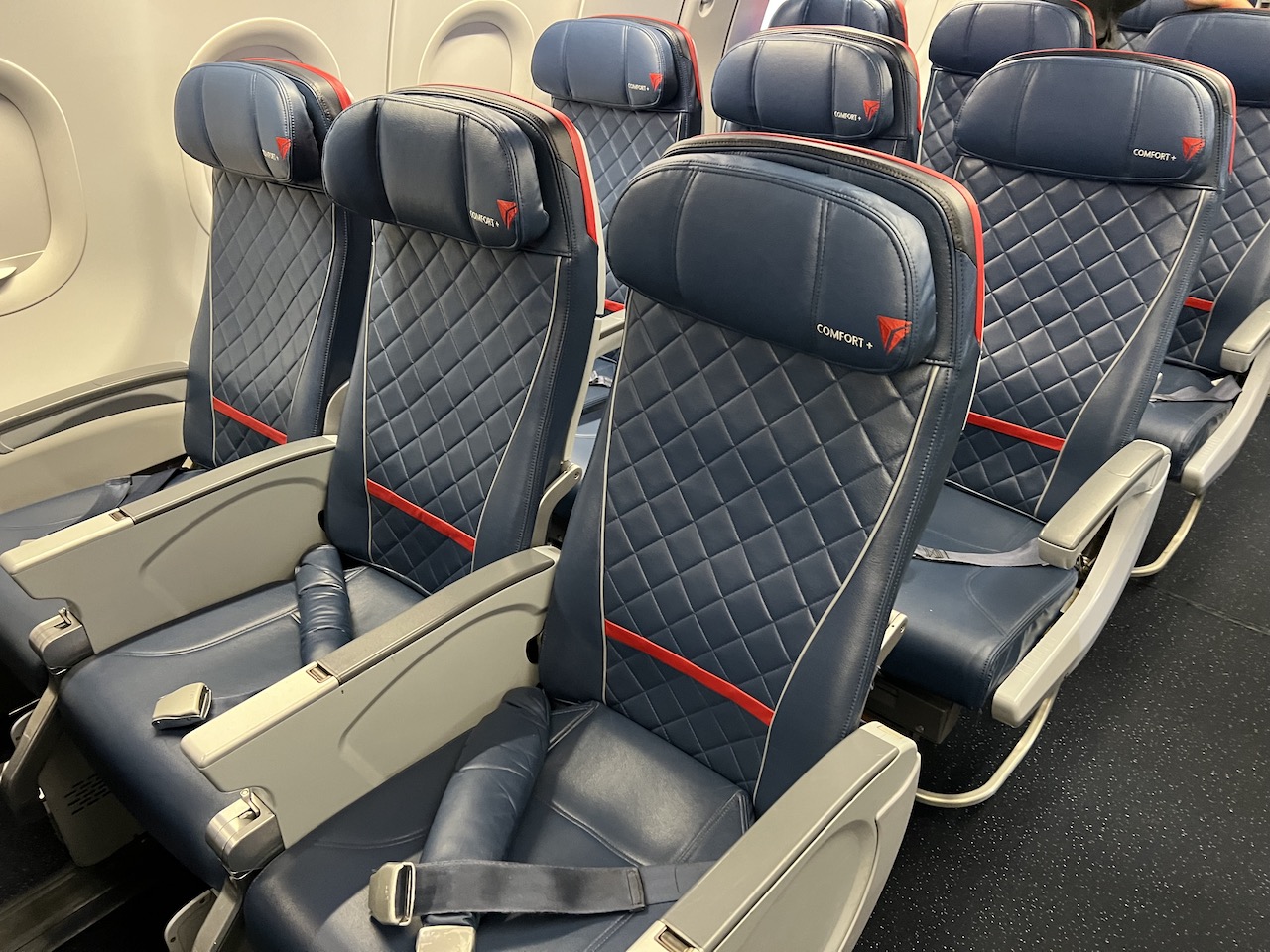
Delta Comfort Plus is more than just a seat with more legroom; it is a complex financial product situated at the intersection of consumer psychology and revenue optimization. For the traveler, the decision to purchase should be based on a cold calculation of the value of time, the retail cost of amenities, and the potential for increased productivity.
From a “Money” perspective, the upgrade is most justifiable when:
- The flight duration exceeds three hours (lowering the per-hour cost of comfort).
- The traveler intended to purchase onboard refreshments (recouping retail value).
- The traveler is on a tight schedule where early deplaning provides a logistical hedge.
- The upgrade is funded by high-value mileage redemptions or corporate budgets.
Ultimately, Delta has successfully created a tier that offers enough “perceived value” to command a premium, while maintaining a low enough “actual cost” to ensure it remains a profit powerhouse. For the financially savvy passenger, the key is to ensure that the value they derive from the experience exceeds the capital they relinquish to Delta’s bottom line.
aViewFromTheCave is a participant in the Amazon Services LLC Associates Program, an affiliate advertising program designed to provide a means for sites to earn advertising fees by advertising and linking to Amazon.com. Amazon, the Amazon logo, AmazonSupply, and the AmazonSupply logo are trademarks of Amazon.com, Inc. or its affiliates. As an Amazon Associate we earn affiliate commissions from qualifying purchases.