
For investors, analysts, and market watchers, few events hold as much sway in the technology sector as the quarterly earnings reports from Alphabet Inc. (NASDAQ: GOOG, GOOGL), the parent company of Google. These announcements are far more than mere numerical disclosures; they are critical economic indicators, benchmarks for the digital economy, and pivotal moments that can significantly shift market sentiment and stock valuations. Understanding “when is Google earnings” goes beyond simply marking a calendar; it involves comprehending the intricate dance between financial reporting, market expectations, and strategic insights that shape the investment landscape. This article delves into the financial intricacies of Alphabet’s earnings, their profound importance, and how investors can best navigate these crucial disclosures.

The Significance of Alphabet’s Earnings Reports for Investors
Alphabet stands as one of the world’s most influential and valuable companies, its tentacles reaching into nearly every aspect of digital life. Consequently, its financial health and growth trajectory offer a powerful barometer for the broader technology sector and even global economic trends. For anyone with a stake in the market, discerning the narrative embedded within its earnings reports is paramount.
Understanding Alphabet as an Investment
Alphabet’s investment appeal stems from its diversified yet dominant portfolio. At its core lies the ubiquitous Google Search, YouTube, and Google Ads, forming a formidable advertising powerhouse. Beyond this, Google Cloud Platform (GCP) represents a rapidly growing enterprise segment, while “Other Bets” encompass groundbreaking ventures in areas like autonomous driving (Waymo) and life sciences (Verily). This multi-faceted structure means that evaluating Alphabet requires a nuanced understanding of various market segments. Its massive market capitalization and consistent innovation render it a cornerstone holding for many institutional and retail investors, making its financial disclosures essential reading. Its performance often reflects consumer spending habits, advertising budgets, and the pace of digital transformation across industries.
Key Metrics to Watch in an Earnings Report
When Alphabet releases its earnings, the financial community scrutinizes several key metrics that paint a comprehensive picture of its performance:
- Revenue: The top line, indicating the total money generated. Investors look for consistent growth, and importantly, how revenue breaks down across segments like Google Search & other, YouTube ads, Google Network, Google Cloud, and Other Bets. A slowdown in advertising revenue, for instance, might signal broader economic concerns, while robust Cloud growth points to successful diversification.
- Earnings Per Share (EPS): This widely followed metric represents the portion of a company’s profit allocated to each outstanding share of common stock. Analysts provide consensus EPS estimates, and whether Alphabet beats, meets, or misses these expectations is a primary driver of immediate stock price movement.
- Operating Income and Profit Margins: These figures reveal how efficiently Alphabet is converting revenue into profit after accounting for operating expenses. Trends in these margins can indicate cost management effectiveness or changes in the profitability of different business segments.
- Traffic Acquisition Costs (TAC): A significant expense for Google, TAC represents payments made to distribution partners and network members who direct traffic to Google’s properties. Fluctuations here can impact profitability and indicate competitive pressures.
- Capital Expenditures (CapEx): Spending on infrastructure like data centers is crucial for supporting Google’s vast services and cloud operations. High CapEx can signal future growth investments, while unexpectedly low CapEx might raise questions about long-term strategy.
- Guidance: Perhaps one of the most forward-looking elements, management’s projections for future revenue, expenses, or growth rates provide crucial insights into their confidence and strategic direction. Guidance often holds more weight than past performance in determining post-earnings stock reactions.
The Impact of Earnings on Stock Price
The release of Alphabet’s earnings report is a high-stakes event. Before the official market open or after its close, known as pre-market and after-hours trading, the stock can experience dramatic swings based on how the reported figures stack up against analyst consensus estimates. A “beat” (exceeding expectations) typically triggers a rally, while a “miss” (falling short) often leads to a sell-off. The market’s reaction isn’t solely about the headline numbers; it’s also about the qualitative commentary from management, the outlook provided, and how these factors resonate with broader market narratives. Short-term traders and institutional investors often position themselves heavily around these events, leading to heightened volatility.
Navigating the Earnings Calendar and Announcement Process
Knowing when Alphabet’s earnings are released is the first step for any interested party. These dates are not random; they follow a predictable quarterly rhythm and are communicated well in advance.
How to Find Alphabet’s Earnings Dates
The most reliable source for Alphabet’s earnings dates is its official Investor Relations website. This dedicated section on the Alphabet corporate site provides a calendar of upcoming events, including earnings release dates and webcast details. Additionally, reputable financial news outlets (e.g., Bloomberg, Reuters, Wall Street Journal), financial data providers (e.g., Yahoo Finance, Google Finance, FactSet), and brokerage platforms regularly publish and update earnings calendars. The U.S. Securities and Exchange Commission (SEC) filings, specifically the Form 10-K (annual report) and 10-Q (quarterly reports), also contain the definitive financial statements. A quick search for “Alphabet earnings date [current quarter/year]” will usually yield multiple credible sources.
The Quarterly Cycle: A Predictable Rhythm
Publicly traded companies in the U.S. typically report earnings on a quarterly basis, aligning with the calendar year:
- Q1 (First Quarter): Covers January, February, March; usually reported in late April.
- Q2 (Second Quarter): Covers April, May, June; usually reported in late July.
- Q3 (Third Quarter): Covers July, August, September; usually reported in late October.
- Q4 (Fourth Quarter): Covers October, November, December; usually reported in late January or early February of the following year.
This consistent cycle allows investors to prepare for and anticipate these critical disclosures, factoring them into their investment strategies and market outlooks. Each quarter presents a fresh opportunity to assess growth, profitability, and strategic execution.
The Earnings Call: Insights Beyond the Numbers
While the press release and financial statements provide the raw data, the earnings conference call offers invaluable qualitative insights. Typically held shortly after the numbers are released, this call features Alphabet’s senior management (CEO, CFO, and other key executives) discussing the quarter’s performance in detail. They provide context for the results, highlight strategic achievements, address challenges, and often reiterate or adjust future guidance. A crucial component of the call is the Q&A session, where analysts pose pointed questions to management. These questions and the executives’ responses can reveal nuances about business segments, competitive dynamics, regulatory concerns, and future growth prospects that are not evident in the financial tables alone. Listening to or reading the transcript of these calls is a practice adopted by savvy investors seeking a deeper understanding of the company’s trajectory.
What Drives Alphabet’s Financial Success (and Potential Risks)
Understanding Alphabet’s earnings requires an appreciation of the fundamental forces that fuel its revenue and profitability, as well as the headwinds it constantly navigates.
Core Revenue Drivers: Advertising Dominance
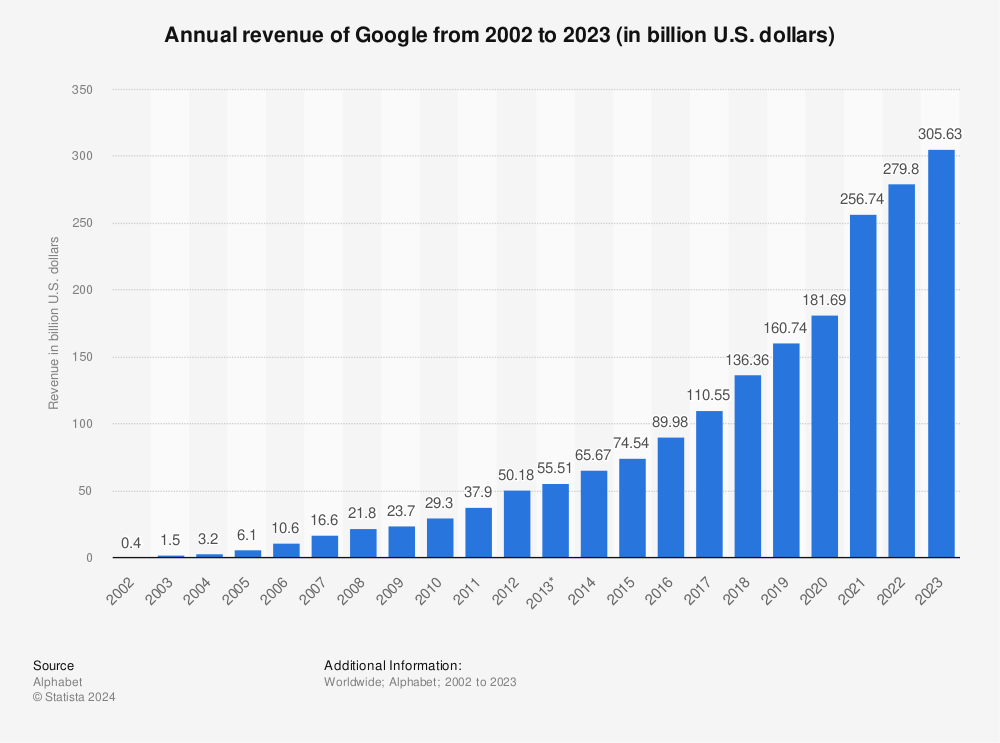
Alphabet’s financial engine remains its formidable advertising business.
- Google Search & other: This segment is the undisputed leader, generating billions from ads displayed alongside search results. Its success is inextricably linked to continuous innovation in search algorithms, user experience, and the sheer volume of search queries globally.
- YouTube Ads: As the world’s largest video platform, YouTube commands a massive audience and a significant share of digital video advertising spend. Its growth is driven by creator monetization, increasing viewer engagement, and sophisticated ad targeting.
- Google Network: This refers to advertising revenue generated from third-party websites and apps that display Google ads (AdSense, AdMob). It diversifies Google’s reach beyond its owned and operated properties.
Together, these advertising revenues form the bedrock of Alphabet’s financial performance, making it highly sensitive to trends in digital ad spending, which in turn are influenced by global economic health and corporate marketing budgets.
Emerging Growth Areas: Cloud and Other Bets
While advertising reigns supreme, Alphabet is strategically investing in and growing other vital segments:
- Google Cloud (GCP): Competing with AWS and Microsoft Azure, GCP is a high-growth area providing infrastructure, platform, and software services to businesses. Its expansion is critical for diversification and tapping into the booming enterprise digital transformation market. Profitability in Cloud is a key focus for investors.
- Other Bets: This segment comprises Alphabet’s more experimental, moonshot projects, including Waymo (self-driving technology), Verily and Calico (life sciences), and Fiber (internet services). While often loss-making in the short term, these ventures represent potential future growth engines and demonstrate Alphabet’s commitment to long-term innovation. Investors monitor their progress for signs of commercial viability and eventual contribution to overall profitability.
Macroeconomic Headwinds and Competitive Pressures
Alphabet’s financial journey is not without its challenges.
- Macroeconomic Fluctuations: Economic downturns, inflation, and rising interest rates can lead to reduced advertising budgets, directly impacting Alphabet’s primary revenue source. Consumer spending changes can also affect search query volume and e-commerce-related advertising.
- Regulatory Scrutiny: Alphabet faces increasing antitrust scrutiny globally, particularly concerning its dominance in search and advertising. Potential regulatory actions, such as forced divestitures or changes to business practices, pose significant risks to its financial model.
- Competitive Landscape: While dominant, Google faces robust competition in various segments. Microsoft’s Bing, Amazon’s advertising platform, and social media giants like Meta (Facebook/Instagram) vie for ad dollars. In cloud computing, Amazon Web Services (AWS) and Microsoft Azure are formidable opponents. Innovation and execution are key to maintaining its competitive edge.
- Currency Fluctuations: As a global company, Alphabet’s international revenues are subject to currency exchange rate volatility, which can impact reported earnings when translated back into U.S. dollars.
Strategies for Investors: Responding to Earnings Reports
For investors, earnings season is a time for diligence and strategic decision-making. How one reacts to Alphabet’s earnings largely depends on their investment philosophy and objectives.
Long-Term vs. Short-Term Trading
- Long-Term Investors: These investors typically focus less on quarterly EPS beats or misses and more on the underlying business fundamentals, strategic direction, and long-term growth prospects. They might use earnings reports to confirm their thesis, assess competitive positioning, or identify shifts in management’s priorities. Short-term volatility is often viewed as noise or even a buying opportunity if the long-term outlook remains intact.
- Short-Term Traders: For day traders or swing traders, earnings announcements are prime volatility events. They look for immediate price reactions, often trading options or shares based on the “whisper numbers” (unofficial estimates) leading up to the report and the actual release. This approach carries significantly higher risk and requires sophisticated analysis and rapid execution.
Due Diligence Beyond the Headlines
Simply reacting to whether Alphabet “beat” or “missed” estimates is insufficient. Savvy investors perform deeper due diligence by:
- Reading the Full Report: Go beyond the press release to analyze the detailed financial statements (income statement, balance sheet, cash flow statement) and management discussion and analysis (MD&A).
- Comparing to Peers: Benchmark Alphabet’s performance against competitors in digital advertising, cloud computing, and other tech sectors.
- Analyzing Trends: Look at quarter-over-quarter and year-over-year growth rates for revenue, profits, and segment performance to identify accelerating or decelerating trends.
- Understanding the Context: Consider the broader economic environment, industry trends, and specific company-level catalysts or headwinds mentioned by management. A miss might be excusable in a tough economic climate, while a beat might be less impressive if industry peers performed even better.
Diversification and Risk Management
No matter how promising Alphabet appears, it’s crucial for investors to maintain a diversified portfolio. Concentrating too much capital in a single stock, even a giant like Alphabet, exposes an investor to undue risk related to company-specific events, regulatory changes, or technological disruption. Earnings reports serve as a reminder of the inherent volatility in individual stocks. Effective risk management, including setting stop-losses for short-term trades or rebalancing portfolios for long-term holders, is vital, especially around high-impact events like earnings announcements.
The Broader Economic Implications of Alphabet’s Performance
Alphabet’s earnings extend their influence far beyond its shareholders. Given its immense scale and reach, its financial performance serves as a proxy for the health of critical economic sectors and broader market sentiment.
A Bellwether for the Digital Advertising Industry
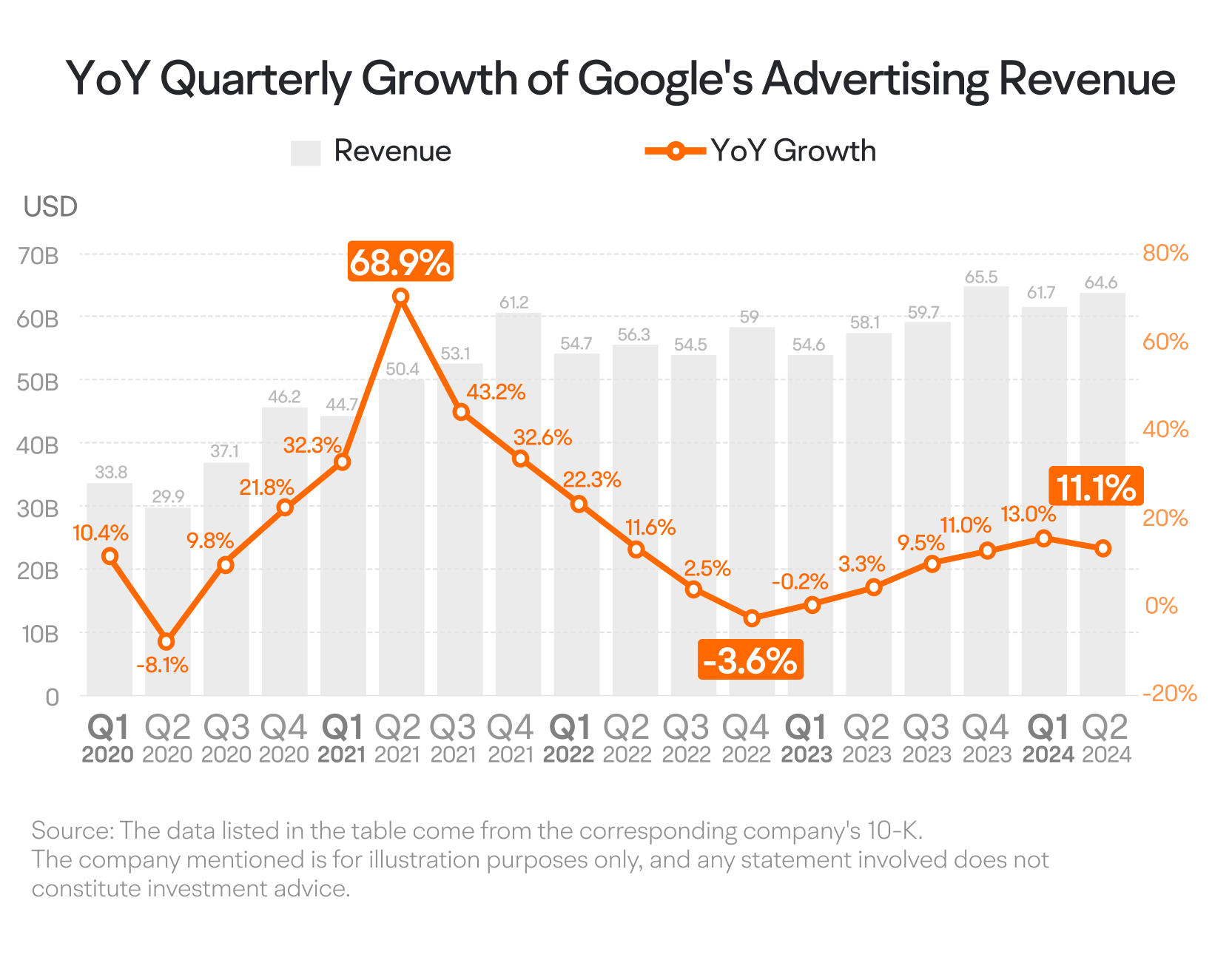
As the largest digital advertising platform globally, Alphabet’s advertising revenue trends are a key indicator for the entire online ad industry. A slowdown in Google’s ad growth often signals reduced marketing spend across businesses, impacting other ad-supported platforms and agencies. Conversely, robust growth can indicate a healthy and expanding digital economy. Advertisers and marketers pay close attention, using Alphabet’s results to gauge the efficacy and future direction of their spending strategies.
Impact on Technology Sector Sentiment
Alphabet is one of the “Magnificent Seven” or “FAANG” stocks, a group of influential technology giants that often dictate the direction of the broader tech sector. Its strong performance can lift investor confidence in technology stocks generally, while a disappointing report can trigger a sector-wide pullback. This ripple effect is due to Alphabet’s heavy weighting in major market indices and its perceived status as an innovator and market leader.
Contribution to Global Economic Indicators
Alphabet’s reach is global, meaning its financial performance offers insights into economic conditions across different regions. Its international revenue streams reflect consumer and business activity in various markets. Furthermore, its massive capital expenditures on data centers and infrastructure contribute significantly to the construction and technology hardware sectors, representing tangible economic activity that can be factored into broader economic analyses.
In conclusion, knowing “when is Google earnings” is merely the starting point. The true value lies in dissecting these financial reports to understand the intricate workings of one of the world’s most powerful companies, interpreting its performance within the context of market expectations and macroeconomic trends, and leveraging these insights to make informed investment decisions. For anyone engaged with the financial markets, Alphabet’s earnings season is a crucial window into the pulse of the digital economy and a testament to the ongoing evolution of global finance.
aViewFromTheCave is a participant in the Amazon Services LLC Associates Program, an affiliate advertising program designed to provide a means for sites to earn advertising fees by advertising and linking to Amazon.com. Amazon, the Amazon logo, AmazonSupply, and the AmazonSupply logo are trademarks of Amazon.com, Inc. or its affiliates. As an Amazon Associate we earn affiliate commissions from qualifying purchases.