
In an increasingly digitized world where cryptocurrencies and contactless payments often dominate financial conversations, the humble paper check might seem like a relic of a bygone era. Yet, checks continue to play a crucial role in various financial transactions, from paying rent and utility bills to receiving reimbursements and managing business expenses. Understanding the anatomy of a check, particularly how to identify your account number, isn’t just a matter of arcane knowledge; it’s a fundamental aspect of financial literacy and security. Misidentifying this critical piece of information can lead to bounced payments, delays, or even potential fraud.
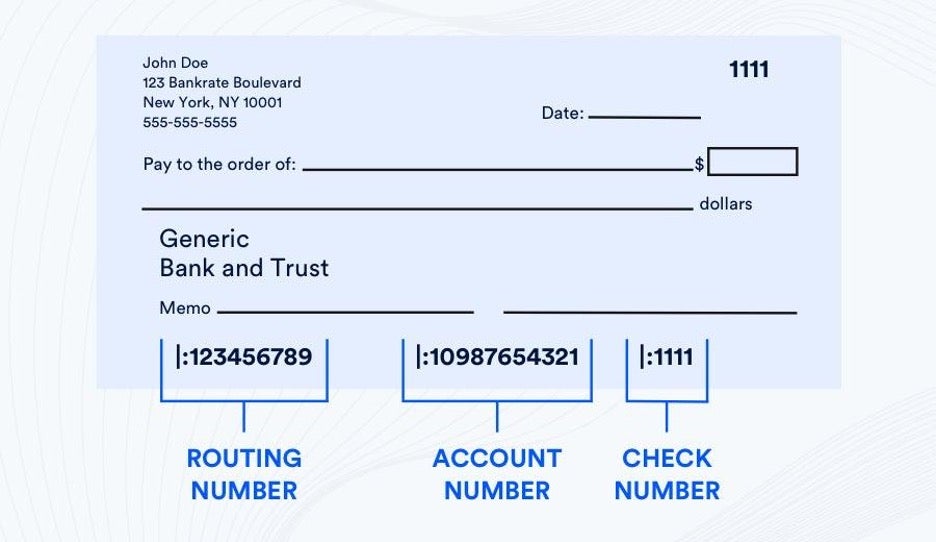
This guide delves into the intricate layout of a standard check, demystifying the various number sequences printed at the bottom and, most importantly, pinpointing exactly which string of digits represents your unique checking account number. By understanding the purpose and placement of each numerical component, you’ll gain greater confidence in managing your personal finances and safeguard your sensitive banking information.
Deconstructing the Anatomy of a Check
Every standard paper check, regardless of the bank it originates from, follows a generally consistent layout for its most crucial numerical identifiers. These numbers are printed using magnetic ink character recognition (MICR) font, making them machine-readable for efficient processing by banks. This standardized system ensures that billions of transactions can be processed smoothly each day. Without this uniformity, the financial system would grind to a halt. Recognizing these fundamental components is the first step towards understanding how your money moves.
The Three Key Number Sets
At the very bottom of a check, you will consistently find three distinct sets of numbers. These aren’t random sequences but specific identifiers, each serving a unique purpose in the financial transaction ecosystem. They are, from left to right, typically:
- The Routing Number: This nine-digit number identifies the specific financial institution (bank or credit union) where the account is held. Think of it as your bank’s address within the national banking system.
- The Account Number: This is the specific identifier for your individual checking account at that financial institution. It tells the bank which account to debit or credit.
- The Check Number: Also known as the serial number, this number simply identifies the specific check itself within your checkbook. It’s primarily for your own record-keeping and for the bank to track individual checks.
While their order is generally consistent (Routing | Account | Check Number), slight variations in spacing or symbols might occur between different banks. However, their fundamental purpose and approximate location remain the same, providing a reliable system for processing paper transactions.
Visual Layout: Front and Center
To visually locate these numbers, hold a standard check horizontally and look at the very bottom edge. You’ll see a series of numbers printed in a distinctive, somewhat blocky font. This is the MICR line.
- The Routing Number is almost always the first set of nine digits on the far left. It’s usually enclosed by special symbols (often a transit symbol, like a sideways ‘T’ or a colon).
- The Account Number is typically the second set of numbers, situated directly to the right of the routing number. It is usually the longest sequence of numbers in the MICR line.
- The Check Number (or Serial Number) is usually the third and final set of numbers on the far right of the MICR line. Sometimes, the check number is also printed in the top right corner of the check as a standard numeral, matching the one in the MICR line.
It’s crucial to distinguish between the numbers printed at the bottom and any other numbers on the check, such as your debit card number or a loan account number, which are entirely different and serve other purposes. The MICR line is specifically designed for bank processing of checking accounts.
Pinpointing the Account Number
Among the trio of critical numbers at the bottom of a check, the account number stands out as the most personal and specific to your individual financial dealings. It is the core identifier for your funds, dictating where money will be drawn from or deposited. Understanding its exact location and significance is paramount for secure and accurate financial transactions.
Location and Identification
As established, the account number is almost universally the second set of numbers from the left on the MICR (Magnetic Ink Character Recognition) line at the bottom of your check.
While the routing number will typically be nine digits and the check number will usually be three or four digits, the account number can vary more significantly in length. It might range from 10 to 12 or even more digits, depending on the financial institution. It’s often preceded and followed by a specific symbol (such as the “on-us” symbol, which looks like an inverted “T” or two small squares) that helps the processing machines identify it distinctly.
A common pattern you’ll see is: [Routing Number] [Account Number] [Check Number].
For example: ⑆123456789⑆ 000123456789 ⑆0123⑆
In this example:
123456789would be the routing number.000123456789would be the account number.0123would be the check number.
Always double-check the placement and look for the symbols separating the number sets to ensure you’re correctly identifying your account number, especially if you’re new to handling checks or dealing with a less common bank format.
Understanding its Purpose
The account number is essentially your unique identity within your bank for that specific checking account. When you write a check, provide details for direct deposit, or set up an automatic payment, this is the number that tells the receiving party and your bank exactly where the funds should come from or go to.
Its primary purposes include:
- Fund Transfer: Authorizing your bank to move money from your account to another party’s account.
- Direct Deposit: Allowing your employer or government agency to deposit funds (like salary or benefits) directly into your checking account.
- Automatic Payments: Enabling recurring payments (e.g., mortgages, utilities, subscriptions) to be automatically debited from your account.
- Linking Accounts: Connecting your checking account to other financial services, such as investment platforms, peer-to-peer payment apps, or other bank accounts.
Without a correct account number, any transaction involving your checking account would fail, leading to significant inconvenience and potential fees.
Varying Formats and Lengths
While the general location of the account number is consistent, its exact format and length can vary between financial institutions. Some banks might include leading zeros, while others might not. Some might have a slightly longer or shorter sequence of digits based on their internal numbering systems.
- Example 1 (Standard Bank): Account number might be 10-12 digits.
- Example 2 (Credit Union): Might use a slightly different internal structure, but it will still be the sequence between the routing and check numbers.
It’s important not to confuse your checking account number with other numbers associated with your bank, such as:
- Savings Account Number: While similar in purpose, your checking and savings accounts will have distinct numbers.
- Debit Card Number: This 16-digit number is for card-based transactions and is entirely separate from your checking account number.
- Loan Account Number: This is specific to a loan product and not your demand deposit account.
If you are ever unsure about your account number, the safest approach is to log into your online banking portal, check your bank statement, or contact your bank directly. They can provide accurate verification.
The Supporting Cast: Routing and Check Numbers
While the account number is the star of the show for identifying your specific funds, it doesn’t operate in isolation. It relies heavily on two other crucial numerical identifiers found on every check: the routing number and the check number. Together, these three numbers form a robust system that ensures financial transactions are processed accurately and efficiently, connecting your individual account to the broader banking network.
The Routing Number: Your Bank’s Digital Address
The routing number, also known as the ABA (American Bankers Association) routing transit number, is a nine-digit code that uniquely identifies your financial institution within the U.S. banking system. It’s essentially the digital address for your bank, guiding funds to the correct financial entity.

- Location: Always the first set of nine digits on the far left of the MICR line at the bottom of your check. It’s often enclosed by specific symbols to distinguish it clearly.
- Purpose: Its primary role is to facilitate the transfer of funds between banks. When you write a check or set up an electronic payment, the routing number directs the transaction to the correct bank. Without it, the receiving bank wouldn’t know which institution to send the payment request to.
- Variations: While each bank has at least one routing number, larger banks with branches in multiple states might have several different routing numbers, often specific to the region where the account was opened or for different types of transactions (e.g., wire transfers vs. ACH payments). It’s crucial to use the routing number specifically associated with your checking account, as printed on your checks.
The Check Number: For Your Records
The check number, sometimes called the serial number, is the simplest of the three numerical identifiers. It’s a sequential number that uniquely identifies each individual check within your checkbook.
- Location: Usually the third and final set of numbers on the far right of the MICR line. It is also typically printed in the top right corner of the check for easy visual reference.
- Purpose: The check number’s primary function is for record-keeping and reconciliation.
- Personal Tracking: It helps you keep track of which checks you’ve written, when, and to whom, making it easier to balance your checkbook against your bank statement.
- Bank Tracking: Banks also use it to track and process individual checks. If a check goes missing or there’s a dispute, the check number is a key identifier.
- Fraud Prevention: If you notice a check number out of sequence or a duplicate, it could be an early warning sign of potential fraud.
- Length: Typically three or four digits, but can sometimes be longer if you’ve gone through many checkbooks.
Why All Three Matter for Transactions
For any check-based or ACH (Automated Clearing House) transaction to be successful, all three numbers — the routing number, account number, and check number — work in concert:
- Routing Number: Directs the transaction to the correct financial institution.
- Account Number: Directs the transaction to your specific account within that institution.
- Check Number: Provides a unique identifier for that particular paper check, aiding in processing and record-keeping.
Imagine trying to send a letter: the routing number is the city and state, the account number is the street address and house number, and the check number is like a sequential stamp on the envelope, helping you remember which letter was which. If any part of this “address” is incorrect or missing, the transaction cannot be completed correctly, potentially leading to fees, delays, or even the return of funds.
Practical Applications and Security Implications
Understanding the various numbers on a check, particularly your account number, extends beyond mere curiosity; it has significant practical applications in managing your personal finances and critical security implications. In an era where financial fraud is increasingly sophisticated, safeguarding this information is as important as knowing where to find it.
When You Need Your Account Number
Knowing precisely which numbers constitute your account number is vital for a range of common financial activities. You’ll frequently be asked for this information in situations where funds need to be directly transferred to or from your account without using a debit card or another intermediary.
Key scenarios include:
- Setting Up Direct Deposit: When starting a new job or receiving government benefits, you’ll provide your employer or agency with your routing and account numbers to have your paychecks or benefits deposited directly into your bank account.
- Establishing Automatic Bill Payments: For recurring expenses like rent, mortgage, utilities, or loan payments, you might authorize companies to directly debit your account using these numbers.
- Linking External Accounts: If you use budgeting apps, investment platforms, or need to transfer money between accounts at different banks, you’ll often link them using your routing and account numbers.
- Wire Transfers: For larger, time-sensitive fund transfers, especially internationally, your routing and account numbers are essential.
- ACH Payments/E-checks: Some businesses allow you to pay online by entering your bank account and routing numbers, effectively initiating an electronic check.
- Requesting a Stop Payment: If you need to stop payment on a check you’ve written, you’ll typically need to provide the check number, amount, payee, and sometimes your account number to your bank.
Safeguarding Your Financial Information
Because your routing and account numbers grant access to your funds, protecting them is paramount. Unlike a debit card number, which can often be reissued easily if compromised, a checking account number change can be a more involved process.
- Treat Checks as Cash: Never leave blank checks lying around. Store your checkbook in a secure location.
- Shred Old Checks and Bank Statements: Before discarding, always shred documents containing your account information, including voided checks, cancelled checks, and bank statements. Do not simply throw them in the trash.
- Be Wary of Phishing Scams: Legitimate organizations rarely ask for your full account number via unsolicited emails or texts. Always verify the source if you receive such requests.
- Review Bank Statements Regularly: Promptly review your bank statements for any unauthorized transactions. Catching fraudulent activity early can prevent significant financial losses.
- Be Cautious Online: When entering your banking details online, ensure the website is secure (look for “https://” in the URL and a padlock icon). Only provide your numbers to trusted and verified entities.
- Use Strong Passwords: For online banking, use strong, unique passwords and enable two-factor authentication whenever possible.
The Rise of Digital and How it Connects
While many transactions have moved online, the underlying principles of account identification remain. When you set up an electronic payment or direct deposit via an app or website, you’re essentially providing the digital equivalent of your check’s routing and account numbers. The shift to digital hasn’t eliminated the need for this information; it has merely changed the interface through which it’s provided. Understanding the source of these numbers on a physical check solidifies your grasp of your overall financial identity in the digital realm.
Modern Alternatives and Continued Relevance
The financial landscape is ever-evolving, with digital solutions often eclipsing traditional methods. While paper checks might not be as ubiquitous as they once were, the fundamental concept of identifying a specific bank account remains critically relevant. Modern banking offers alternative ways to access this vital information, yet the enduring role of checks and the knowledge of their anatomy persists for specific situations.
Digital Banking and Account Access
For many people, the quickest and most convenient way to find their account and routing numbers is through their bank’s digital platforms. This method often negates the need to physically locate a check.
- Online Banking Portal: Once logged into your bank’s website, navigate to your checking account details. You’ll typically find a section dedicated to “Account & Routing Numbers,” “Direct Deposit Information,” or “View Statement.” This is often the most reliable source, as it directly reflects the bank’s records.
- Mobile Banking App: Most modern banking apps provide similar functionality. After logging in, select your checking account, and look for an option like “Account Details,” “Show Account Numbers,” or “Deposit Info.” Some apps might require additional verification (like a fingerprint or PIN) before displaying sensitive numbers.
- Bank Statements: Your monthly or quarterly bank statements, whether physical or electronic, will clearly list your account number and often your routing number. These documents serve as an authoritative record of your account information.
Utilizing these digital tools can save time and reduce the risk of errors compared to manually transcribing numbers from a paper check.
The Enduring Role of Checks (for specific scenarios)
Despite the digital revolution, paper checks have not entirely disappeared. They retain relevance in particular circumstances where digital alternatives are either unavailable, impractical, or simply not preferred.
- Specific Bill Payments: Some smaller businesses, landlords, or government agencies may still prefer or require payment by check.
- Gifts: A personal check remains a common and thoughtful way to give monetary gifts for birthdays, weddings, or graduations.
- Situations Without Digital Access: For individuals or communities with limited internet access or those less comfortable with technology, checks provide a tangible and accessible payment method.
- Proof of Payment: A cancelled check serves as verifiable proof of payment, which can be useful for record-keeping or dispute resolution.
- Business Transactions: Many businesses still use checks for vendor payments, payroll, or customer refunds, valuing the audit trail they provide.
Understanding the components of a check ensures that when these scenarios arise, you are equipped to handle them efficiently and securely.

Beyond Checks: Other Ways to Identify Your Account
It’s important to differentiate your checking account number from other numerical identifiers you encounter in your financial life:
- Debit Card Numbers: The 16-digit number on your debit card is tied to your account but is not your account number. It’s used for card-based transactions and has different security protocols. Sharing your debit card number without the CVV and expiration date carries less risk than sharing your account and routing numbers.
- Credit Card Numbers: These are entirely separate and associated with a line of credit, not your checking funds.
- ATM Card Numbers: Similar to debit cards, these are for ATM access and PIN-based transactions.
- Online Banking Credentials: Your username and password for online banking grant you access to your accounts but are distinct from the account numbers themselves.
Knowing these distinctions prevents confusion and helps you understand which piece of information is appropriate to share in different transactional contexts. In essence, while the methods of interacting with our money evolve, the core identifiers for our accounts—rooted in the system established for paper checks—remain fundamental to financial operations.
In conclusion, knowing “which numbers on a check are the account number” is more than a trivial detail; it’s a cornerstone of personal financial management and security. By thoroughly understanding the routing number, account number, and check number, their distinct purposes, and their exact locations on a check, you empower yourself to confidently manage your money, whether through traditional paper transactions or modern digital interfaces. Protecting this sensitive information is paramount, requiring diligence in handling physical checks and exercising caution with online sharing. As the financial world continues its rapid evolution, a firm grasp of these foundational elements ensures that you remain a well-informed and secure participant in your own financial journey.
aViewFromTheCave is a participant in the Amazon Services LLC Associates Program, an affiliate advertising program designed to provide a means for sites to earn advertising fees by advertising and linking to Amazon.com. Amazon, the Amazon logo, AmazonSupply, and the AmazonSupply logo are trademarks of Amazon.com, Inc. or its affiliates. As an Amazon Associate we earn affiliate commissions from qualifying purchases.