
The allure of travel is undeniable, a promise of new experiences, cultures, and memories. Yet, for many, the dream often collides with the reality of flight costs. Securing a cheap flight is not merely a stroke of luck; it’s a strategic endeavor that blends understanding market dynamics, leveraging tools, and employing disciplined financial planning. This guide delves into the intricate world of flight pricing, offering actionable insights to help you identify the optimal times to purchase your tickets, ensuring your wanderlust doesn’t break the bank.
In an age of dynamic pricing and ever-shifting algorithms, the question “when to buy cheap flights” remains one of the most frequently asked by budget-conscious travelers. The answer, while multifaceted, hinges on a combination of timing, flexibility, and a smart approach to searching. By mastering these elements, you can significantly reduce your travel expenses, freeing up more capital for your adventures rather than the journey itself.
Understanding the Dynamics of Flight Pricing
Before diving into specific booking windows, it’s crucial to grasp the fundamental principles that govern airline ticket prices. Airlines operate on sophisticated algorithms designed to maximize revenue, constantly adjusting fares based on a multitude of factors. Recognizing these underlying mechanisms is the first step toward outsmarting the system and securing a better deal.
The Algorithm’s Invisible Hand: Dynamic Pricing Explained
Airlines employ highly complex dynamic pricing models, meaning ticket prices are not static. They fluctuate continuously, sometimes even hourly, in response to real-time data. This includes everything from current demand for a particular route, historical booking patterns, competitor pricing, fuel costs, and even the type of device you’re using or your geographical location. The goal is to charge each passenger the highest price they are willing to pay, leading to significant price variations for the same seat on the same flight. This system makes the quest for cheap flights feel like a moving target, but understanding its nature is key to predicting its behavior.
Supply, Demand, and Seasonality: The Core Influencers
At the heart of dynamic pricing are the timeless economic principles of supply and demand. When demand for a route is high and supply (available seats) is limited, prices surge. Conversely, lower demand and ample supply lead to more competitive pricing. Seasonality plays a massive role here. Peak travel seasons—summer holidays, Christmas, New Year, Spring Break, and major local festivals—inevitably drive prices up due to concentrated demand. Conversely, off-peak or shoulder seasons (the periods just before or after peak season) often present more affordable options as airlines try to fill seats during quieter periods. Flexibility with your travel dates to avoid these peak times is one of the most potent strategies for saving money.
The “Sweet Spot” Window: A Data-Driven Myth or Reality?
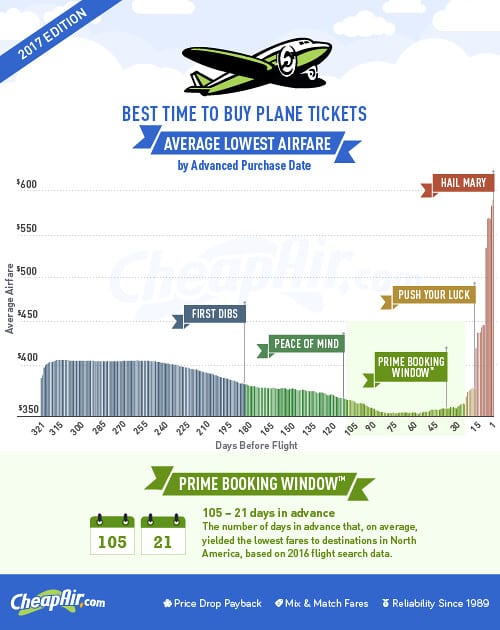
For years, travel experts and data analysts have attempted to pinpoint a “sweet spot” – a specific booking window where flight prices are statistically at their lowest. While a universal, immutable rule is elusive due to dynamic pricing, data analysis consistently reveals general trends. This “sweet spot” typically suggests that booking neither too early nor too late yields the best results. Booking too far in advance (e.g., more than six months out) often means airlines haven’t yet released their full range of discounted fares. Booking too close to departure (e.g., within two weeks) usually means only higher-priced tickets remain, catering to business travelers and last-minute emergencies. The optimal window varies slightly for domestic versus international travel and depends heavily on the destination and season, but understanding this concept is crucial for strategic planning.
Pinpointing the Best Times to Book Your Flights
With an understanding of how flight prices work, we can now delve into more specific advice regarding when to actually pull the trigger on your purchase. This involves considering the type of flight, the time of year, and even the specific day of the week.
International Travel: The 2-4 Month Rule of Thumb
For long-haul international flights, the general consensus among travel experts and data aggregators points to a booking window of 2 to 4 months in advance. This period often strikes the ideal balance between airlines releasing competitive fares and enough seats remaining to prevent demand-driven price hikes. Beyond four months, prices can be higher as airlines test the market. Within two months, the cheapest seats are likely gone, and prices begin to climb steadily as the departure date approaches. For highly popular international destinations or during peak seasons, extending this window to 4-6 months might be advisable, but generally, the 2-4 month mark offers the best chance for significant savings.
Domestic Flights: Closer to Departure, But Not Too Close
Domestic flights tend to have a slightly different optimal booking window. While less advance planning is generally required compared to international travel, it’s still crucial not to wait until the last minute. The best deals for domestic flights are often found 1 to 3 months before departure. For shorter routes or less popular destinations, you might even find good prices up to 4-6 weeks out. However, just like international flights, booking within two weeks of departure dramatically increases costs. The sweet spot allows airlines to gauge demand and adjust pricing, often offering promotional fares to fill seats before the final scramble.
The Myth of Tuesdays, Wednesdays, and Weekends
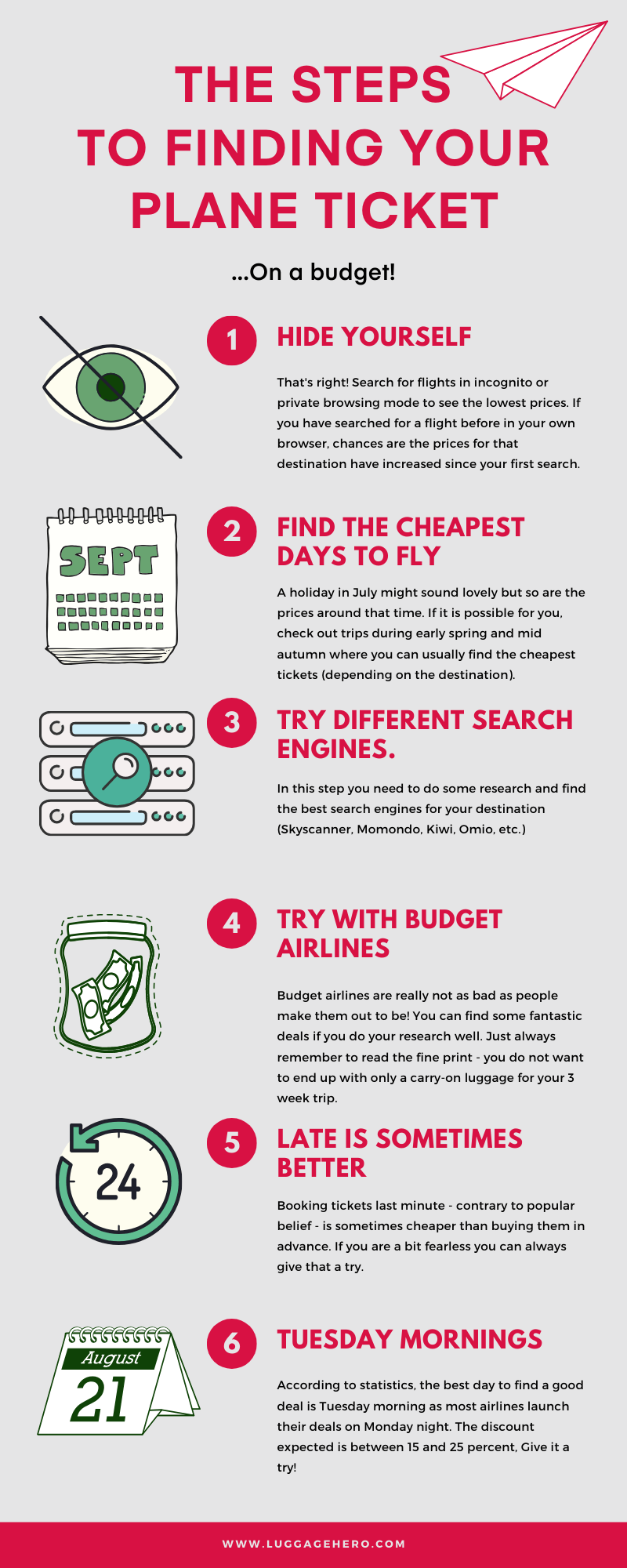
You’ve probably heard the old adage: “book on a Tuesday for the cheapest flights.” While there was some historical truth to airlines releasing sales on Tuesdays after competitors had a chance to match, this rule is largely outdated in the era of dynamic pricing. Airlines now adjust prices continuously, meaning a good deal can appear on any day of the week.
However, the day of the week you fly still matters significantly. Flying mid-week, particularly on Tuesdays, Wednesdays, and often Saturdays, typically results in lower fares than flying on peak travel days like Fridays and Sundays. These are less popular days for both business and leisure travelers, leading to reduced demand and more competitive pricing. Similarly, opting for early morning or late-night flights, regardless of the day, can also yield savings as these times are less convenient for many passengers.
Avoiding Peak Travel Seasons: Your Ultimate Weapon
The single most effective strategy for finding cheap flights is to avoid peak travel seasons whenever possible. This means steering clear of major holidays (Christmas, New Year’s, Thanksgiving), school breaks (Spring Break, summer holidays), and major events in your destination. If your schedule allows, consider traveling during the “shoulder seasons” (e.g., April-May or September-October for many European destinations) or the true off-season. While the weather might not always be perfect, the savings on flights and accommodation can be substantial, making it a worthwhile financial trade-off.

Savvy Strategies for Finding the Best Deals
Beyond understanding when to book, employing smart search and booking strategies can further tip the scales in your favor. These tactics are essential for anyone serious about minimizing their travel expenses.
Flexibility is Your Financial Friend
The more flexible you are with your travel dates and even destinations, the greater your chances of finding a bargain. Instead of locking into exact dates, search with flexible date ranges (e.g., “travel any time in October”). Many flight comparison websites offer “flexible dates” or “month view” options that show prices across an entire month or even year, allowing you to identify the cheapest days to fly. Similarly, being open to different departure or arrival airports within a reasonable distance can reveal significant savings, as smaller or less popular airports often have lower fees and less traffic.
Leveraging Flight Comparison Sites and Price Alerts
Flight aggregators like Google Flights, Skyscanner, Kayak, and Momondo are indispensable tools in your quest for cheap flights. These platforms scour hundreds of airlines and online travel agencies (OTAs) to present you with a comprehensive overview of available flights and prices. Use their advanced filtering options to adjust for layovers, airlines, and departure times.
Even more powerful are price alerts. Once you have a specific route and dates in mind, set up email notifications through these sites. You’ll be informed immediately if the price for your desired flight drops, allowing you to pounce on a good deal as soon as it appears. This passive monitoring is crucial for staying ahead of dynamic pricing.
Consider Budget Airlines and Strategic Layovers
Don’t dismiss budget airlines. While they often come with fewer frills and can charge extra for baggage, seat selection, and meals, they can offer significantly lower base fares, especially for short-haul flights. Always calculate the total cost, including any add-ons, to ensure it’s genuinely cheaper than a full-service carrier.
Additionally, don’t be afraid of layovers, especially for international travel. Direct flights are convenient but often carry a premium. A flight with one or even two layovers, while adding to your travel time, can often slash hundreds off the ticket price. Just ensure the layover times are reasonable and you have enough buffer between connections.
The Incognito Mode and Clearing Cookies Debate
A common piece of advice is to search for flights in incognito or private browsing mode, or to clear your browser cookies. The theory is that airlines and OTAs track your searches and may increase prices if they see you repeatedly looking at the same flight, attempting to create a sense of urgency. While concrete evidence proving this is scant and many experts are skeptical, it doesn’t hurt to try. Using incognito mode prevents websites from storing cookies that might track your browsing history. It’s a quick, harmless step that some travelers swear by.
Common Mistakes to Avoid When Booking
Even with the best intentions, travelers often fall victim to common pitfalls that end up costing them more. Being aware of these mistakes can save you significant money and frustration.
Waiting Too Long (or Booking Too Early)
As discussed, both booking too early and too late can lead to higher prices. The sweet spot exists for a reason. Avoid the temptation to book a year in advance unless you are absolutely sure of a major, high-demand event. Similarly, don’t procrastinate. Airlines rarely drop prices significantly in the last few weeks before departure; they capitalize on last-minute travelers with urgent needs.
Being Inflexible with Your Plans
Rigidity is the enemy of cheap flights. If you’re dead-set on flying out on a Friday at 3 PM to a specific airport, you severely limit your options. Embracing flexibility with your travel dates, times, and even alternative airports is paramount. A small shift in your schedule could translate into hundreds of dollars saved, making your overall trip more affordable.
Ignoring Hidden Costs and Fees
The advertised price isn’t always the final price. Budget airlines are notorious for their add-on fees for checked luggage, carry-on bags (beyond a small personal item), seat selection, and even printing boarding passes at the airport. Always factor these potential costs into your total calculation when comparing flights. Similarly, be mindful of currency conversion fees if booking in a foreign currency, and check if your credit card charges foreign transaction fees. A seemingly cheap fare can quickly inflate if you’re not meticulous about the fine print.
Conclusion: Mastering the Art of Affordable Air Travel
Securing cheap flights is an art form, a blend of strategy, patience, and leveraging the right tools. It’s about understanding the intricate dance of supply and demand, recognizing the optimal booking windows, and adopting a flexible mindset. By embracing the 2-4 month rule for international trips and the 1-3 month guideline for domestic journeys, strategically flying on off-peak days, and diligently using price alerts, you significantly increase your chances of finding an excellent deal.
Remember, flexibility with dates and destinations is your most powerful weapon, allowing you to adapt to market fluctuations rather than being dictated by them. While there’s no magic bullet for universally cheap flights, a consistent and informed approach will consistently lead you to more affordable air travel. Armed with these insights, you’re not just buying a flight; you’re investing in an experience, ensuring your journey begins with financial wisdom and ends with unforgettable memories.
aViewFromTheCave is a participant in the Amazon Services LLC Associates Program, an affiliate advertising program designed to provide a means for sites to earn advertising fees by advertising and linking to Amazon.com. Amazon, the Amazon logo, AmazonSupply, and the AmazonSupply logo are trademarks of Amazon.com, Inc. or its affiliates. As an Amazon Associate we earn affiliate commissions from qualifying purchases.