
For decades, the medical community viewed the foot spur—commonly known as a calcaneal spur—as a simple, static calcium deposit. However, in the modern era of medical technology (MedTech), our understanding of this condition has shifted from a basic anatomical anomaly to a complex problem solvable through high-tech diagnostics, bio-engineering, and digital health interventions. When we ask “what is a foot spur” today, we are not just asking about a bone growth; we are asking how advanced hardware and software can identify, manage, and eliminate a condition that affects millions of people worldwide.
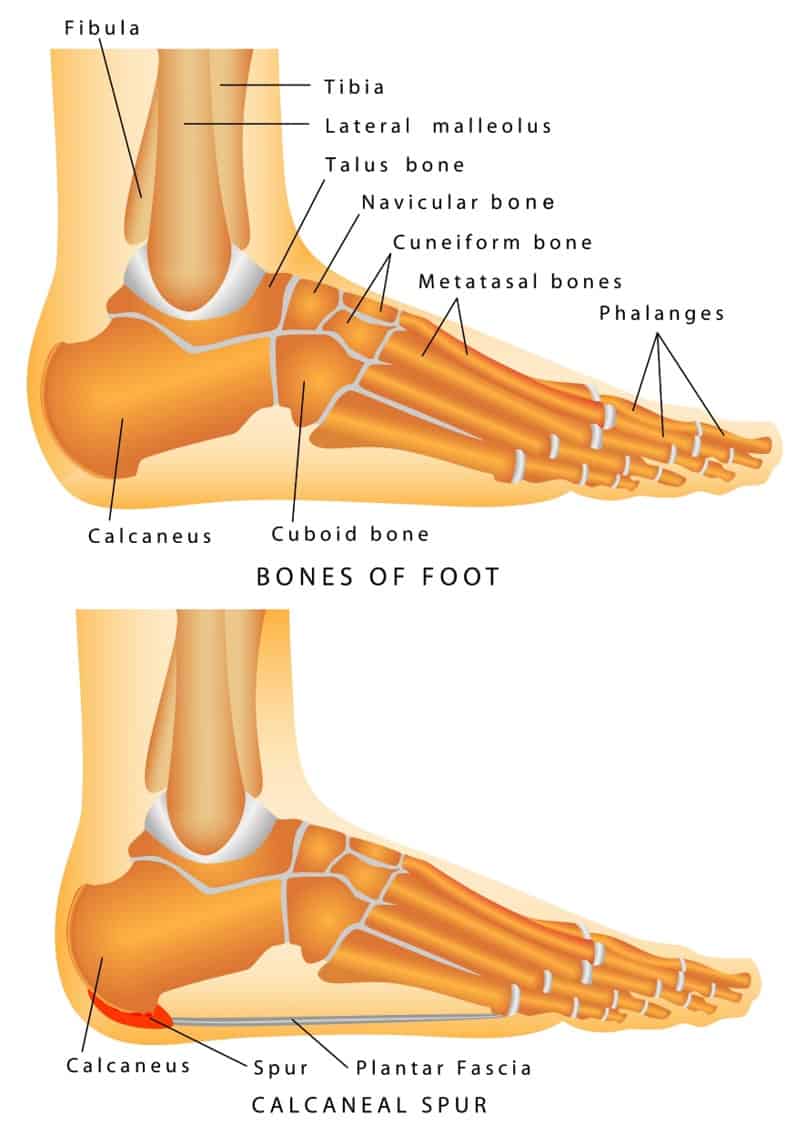
The intersection of technology and podiatry has transformed the patient experience. From AI-driven imaging to the 3D printing of bespoke orthotics, the “foot spur” has become a focal point for innovations in wearable tech and minimally invasive surgical tools. This article explores the technological landscape surrounding foot spurs and how the latest digital trends are redefining recovery.
The Biomechanics of Bone Growth: How Advanced Diagnostics Define the Foot Spur
At its core, a foot spur is a bony protrusion that typically develops on the underside of the heel bone. From a technological perspective, this is a response to chronic repetitive stress. To understand and treat it, the tech industry has developed sophisticated diagnostic tools that go far beyond the traditional physical exam.
AI-Enhanced Radiography and Imaging
The traditional X-ray remains the gold standard for identifying the physical presence of a spur. However, the integration of Artificial Intelligence (AI) and Machine Learning (ML) into radiographic software has revolutionized the diagnostic process. Modern AI algorithms can now analyze thousands of foot scans to detect micro-calcifications long before they become symptomatic. These “predictive diagnostics” allow practitioners to see the early markers of bone density changes, providing a window for preventative intervention that was previously impossible.
Digital Pressure Mapping and Gait Analysis
Understanding why a spur develops requires a deep dive into biomechanics. Advanced gait analysis systems now utilize high-speed cameras and pressure-sensitive mats equipped with thousands of sensors. These systems capture the “digital footprint” of a patient in motion. By processing this data through specialized biomechanical software, technologists can pinpoint exactly where the foot is absorbing excessive force. This data-driven approach allows for a “Root Cause Analysis” (RCA) that identifies the specific structural imbalances leading to the formation of the spur.
Beyond Traditional Surgery: Minimally Invasive Tech and Soundwave Innovation
Once a foot spur is diagnosed, the focus shifts to treatment. The tech industry has moved away from the “open surgery” models of the past, favoring high-tech, minimally invasive solutions that prioritize rapid recovery and precision.
Extracorporeal Shockwave Therapy (ESWT) and Soundwave Innovation
One of the most significant technological leaps in treating foot spurs is Extracorporeal Shockwave Therapy (ESWT). This technology uses high-energy acoustic pulses to treat the affected area. From a technical standpoint, these sound waves create “micro-trauma” that stimulates the body’s natural healing response and increases blood flow to the calcified region. Modern ESWT devices are now equipped with digital interfaces that allow clinicians to calibrate the frequency and intensity of the waves with surgical precision, ensuring the energy is focused exactly on the spur without damaging surrounding soft tissue.
Robotic-Assisted Percutaneous Procedures
For cases that require surgical intervention, the “tech-first” approach involves robotic-assisted percutaneous surgery. Instead of large incisions, surgeons use micro-tools guided by real-time fluoroscopy (a type of continuous X-ray imaging). High-definition monitors and robotic stabilizers allow for the removal of the spur through an opening no larger than a few millimeters. This synergy of robotics and imaging technology reduces human error, minimizes scarring, and significantly cuts down on the post-operative recovery timeline.
The Customization Revolution: 3D Printing and Smart Orthotics

The most common long-term management strategy for a foot spur involves offloading pressure. In the past, this meant “one-size-fits-all” insoles. Today, the tech sector has introduced a “Customization Revolution” through additive manufacturing and the Internet of Things (IoT).
Additive Manufacturing for Personalized Heel Support
3D printing, or additive manufacturing, has completely disrupted the orthotics industry. By taking a 3D laser scan of a patient’s foot, software can design a custom orthotic that features a “recess” or a hollowed-out area specifically where the spur is located. These devices are then printed using high-performance polymers that offer varying degrees of flexibility and support. This level of personalization ensures that the technology is working in harmony with the user’s unique anatomy, providing relief that mass-produced products simply cannot match.
IoT-Integrated Insoles and Wearable Feedback
The next frontier in managing foot spurs is the “Smart Insole.” These are IoT-enabled devices embedded with thin-film pressure sensors and Bluetooth modules. As the user walks, the insole collects data on their gait and sends it to a smartphone app. If the user begins to walk in a way that aggravates the spur—such as putting too much weight on the heel—the app provides haptic feedback (a vibration) or a notification. This real-time biometric monitoring empowers patients to correct their behavior through data, turning a passive treatment into an interactive, tech-driven recovery process.
The Future of Podiatric Tech: Regenerative Medicine and Digital Twins
As we look toward the future, the technology used to address foot spurs is becoming increasingly biological and predictive. The goal is no longer just to remove the spur, but to use technology to regenerate healthy tissue and prevent recurrence.
Digital Twin Simulation for Predictive Recovery
The concept of a “Digital Twin”—a virtual model of a physical object—is moving from industrial engineering into healthcare. In the near future, podiatrists will be able to create a digital twin of a patient’s foot. By running simulations through this virtual model, doctors can test how different surgical techniques or orthotic designs will perform over five or ten years. This “simulation-before-implementation” approach allows for highly optimized treatment plans tailored to the specific lifestyle and activity level of the patient.
Biological Scaffolding and Growth Factors
Technology is also facilitating the growth of new tissue. When a foot spur is associated with chronic plantar fasciitis, tech-driven regenerative therapies like Platelet-Rich Plasma (PRP) or stem cell scaffolding are used. Modern centrifuges and bio-reactors allow for the concentration of healing factors with extreme precision. Furthermore, 3D-bioprinting is being researched to create biological “patches” that can be placed over the area where a spur was removed, using the patient’s own cells to ensure the bone does not regrow in the same problematic pattern.
Data Security and Patient Privacy in Modern Podiatry
As podiatry becomes more integrated with technology, the importance of digital security cannot be overstated. With the rise of cloud-based diagnostic platforms and wearable health tech, protecting patient data has become a primary concern for the MedTech industry.
Protecting Telemedicine and Imaging Data
The transition to digital health records and remote consultations means that high-resolution X-rays and 3D foot scans are now stored in the cloud. Cybersecurity protocols, such as end-to-end encryption and blockchain-based data verification, are being implemented to ensure that a patient’s biometric data remains private. As AI continues to train on these large datasets to improve diagnostic accuracy, the tech industry is focusing on “anonymized data processing,” allowing software to learn from the “foot spur” patterns without ever exposing the identity of the individual patient.

The Ethics of Biometric Wearables
As we move toward a world where our shoes track our every step to manage conditions like foot spurs, the tech industry must navigate the ethics of data ownership. Who owns the data generated by a smart insole? Modern software agreements are becoming more transparent, ensuring that users have control over their biometric profiles. This intersection of privacy law and medical tech is a critical component of the modern healthcare ecosystem.
In conclusion, a foot spur is no longer just a medical diagnosis; it is a challenge that the technology sector has met with incredible innovation. Through the lens of AI, 3D printing, robotics, and the IoT, we have transformed the way we view, treat, and prevent this common ailment. As these technologies continue to evolve, the “foot spur” will likely move from a chronic burden to a temporary, easily managed data point in a person’s digital health journey.
aViewFromTheCave is a participant in the Amazon Services LLC Associates Program, an affiliate advertising program designed to provide a means for sites to earn advertising fees by advertising and linking to Amazon.com. Amazon, the Amazon logo, AmazonSupply, and the AmazonSupply logo are trademarks of Amazon.com, Inc. or its affiliates. As an Amazon Associate we earn affiliate commissions from qualifying purchases.