
In the complex ecosystem of the United Kingdom’s economy, few sectors are as historically significant or financially robust as the hospitality and alcohol industries. For business owners, investors, and financial analysts, understanding the regulatory framework—specifically the legal drinking age—is not merely a matter of social responsibility; it is a fundamental component of risk management and business finance. The legal drinking age in the UK is 18, but the financial implications of this threshold extend far beyond a simple age check. From the micro-level of small business cash flow to the macro-level of national tax revenue, the enforcement of age-restricted sales is a multi-billion pound consideration.
The Economic Pillars of the UK Hospitality Sector and Age Regulation
The UK’s hospitality sector contributes significantly to the Gross Domestic Product (GDP), and alcohol sales form a primary revenue stream for hundreds of thousands of businesses. To navigate this market profitably, one must first master the legalities of the Licensing Act 2003, which governs the sale and consumption of alcohol in England and Wales (with similar frameworks in Scotland and Northern Ireland).
Revenue Streams and Market Demographics
The core rule is straightforward: it is illegal for anyone under the age of 18 to buy alcohol in a pub, shop, or any other licensed premises. For a business, this age limit defines its primary consumer demographic. Understanding this limit allows for precise market segmentation and financial forecasting. Investors looking at the UK pub market, currently valued at over £20 billion, must account for the strict 18+ threshold when evaluating the viability of location-based assets. A business located in a university town, for instance, has a high concentration of legal-age consumers, whereas a business in a residential area with younger demographics must rely more heavily on food revenue or non-alcoholic sales to maintain margins.
The Cost of Market Entry for Licensed Premises
Obtaining a “Premises License” is the first significant financial hurdle for any entrepreneur entering the trade. This is not a one-time administrative fee but an ongoing investment in compliance. Application fees vary based on the “non-domestic rateable value” of the property, ranging from £100 to over £1,900. However, the true financial cost lies in the mandatory “Personal License” required for the Designated Premises Supervisor (DPS). This involves the cost of accredited training, such as the APLH (Award for Personal Licence Holders) Level 2, and background checks. Without these expenditures, a business cannot legally generate a single pound from alcohol sales.
Business Finance and the Cost of Non-Compliance
In the world of business finance, risk is often quantified by the potential for loss. In the context of the UK’s legal drinking age, the cost of non-compliance is so high that it can lead to immediate insolvency for small to medium enterprises (SMEs).
Fines, Penalties, and License Revocation Risks
The financial penalties for selling alcohol to a minor are tiered but severe. A staff member caught selling to someone under 18 can be issued an on-the-spot Fixed Penalty Notice of £90. However, if the case goes to court, the fine can escalate to £5,000. For the business owner, the stakes are even higher. If a premises is found to have persistently sold alcohol to minors (twice in a three-month period), the authorities can impose a closure order for up to 14 days, resulting in a total loss of revenue for that period, or a fine of up to £20,000.
Beyond the immediate cash outflow of a fine, the most devastating financial blow is the revocation of the Premises License. In the UK hospitality industry, a license is a “valued asset.” Losing it can decrease the property’s market value by 40% to 60% overnight, as the business can no longer operate in its intended capacity.
Insurance Premiums and Liability Coverage
Insurance is a critical component of business finance. Insurers in the UK view age-restricted sales as a high-risk area. Establishments that have a history of failing “test purchases” (undercover stings by police or Trading Standards) will see their Public Liability and Professional Indemnity insurance premiums skyrocket. In some cases, insurers may refuse to provide cover entirely. For a pub or club, being uninsurable is synonymous with being unbankable, effectively cutting off access to credit lines and future investment.
Strategic Financial Management for Licensed Businesses
To protect their bottom line, savvy business owners implement rigorous financial strategies centered on age verification. This is often referred to as “preventative spending”—investing money now to avoid catastrophic losses later.
Investing in Staff Training and Certification
One of the most effective side-hustles and professional services within the UK hospitality niche is the provision of compliance training. From a business finance perspective, allocating funds to “Challenge 25” training is an essential operational expense. Challenge 25 is a retailing strategy where anyone who looks under 25 is asked for ID, even though the legal age is 18. By spending a few hundred pounds per month on regular staff workshops and refreshers, a business creates a “due diligence” defense. If a sale to a minor does occur, proving that the business invested in comprehensive training can be the difference between a minor fine and the permanent loss of a license.
The ROI of Age Verification Technologies
The modern UK hospitality landscape is seeing a shift toward technological investment to safeguard revenue. Electronic Point of Sale (EPOS) systems now come with integrated age-prompt features that prevent a transaction from being processed until an age verification check is confirmed. While these systems can cost between £1,000 and £5,000 per unit, the Return on Investment (ROI) is measured in risk mitigation. By automating the prompt, the business reduces the margin for human error, thereby protecting the business from the aforementioned £20,000 fines and potential closure.
Macroeconomic Implications of Alcohol Consumption Laws
The legal drinking age in the UK doesn’t just affect individual balance sheets; it is a pillar of the national treasury’s fiscal policy. The way the government manages these age limits has a direct impact on public spending and tax collection.
Tax Revenue and Government Expenditure
Alcohol Duty is a significant source of income for the UK government, generating billions of pounds annually. By setting the legal drinking age at 18, the government balances the need for tax revenue with the societal costs of alcohol consumption. From a personal finance and public policy perspective, there is a constant debate about the “cost-benefit” of the legal age. While younger drinkers contribute to tax revenue, the cost to the National Health Service (NHS) and the policing of alcohol-related crime is estimated to be over £21 billion per year. Financial analysts often look at these figures to predict future tax hikes; if the societal cost outweighs the revenue, an increase in Alcohol Duty is almost inevitable.
The Economic Impact of the “Grey Areas”
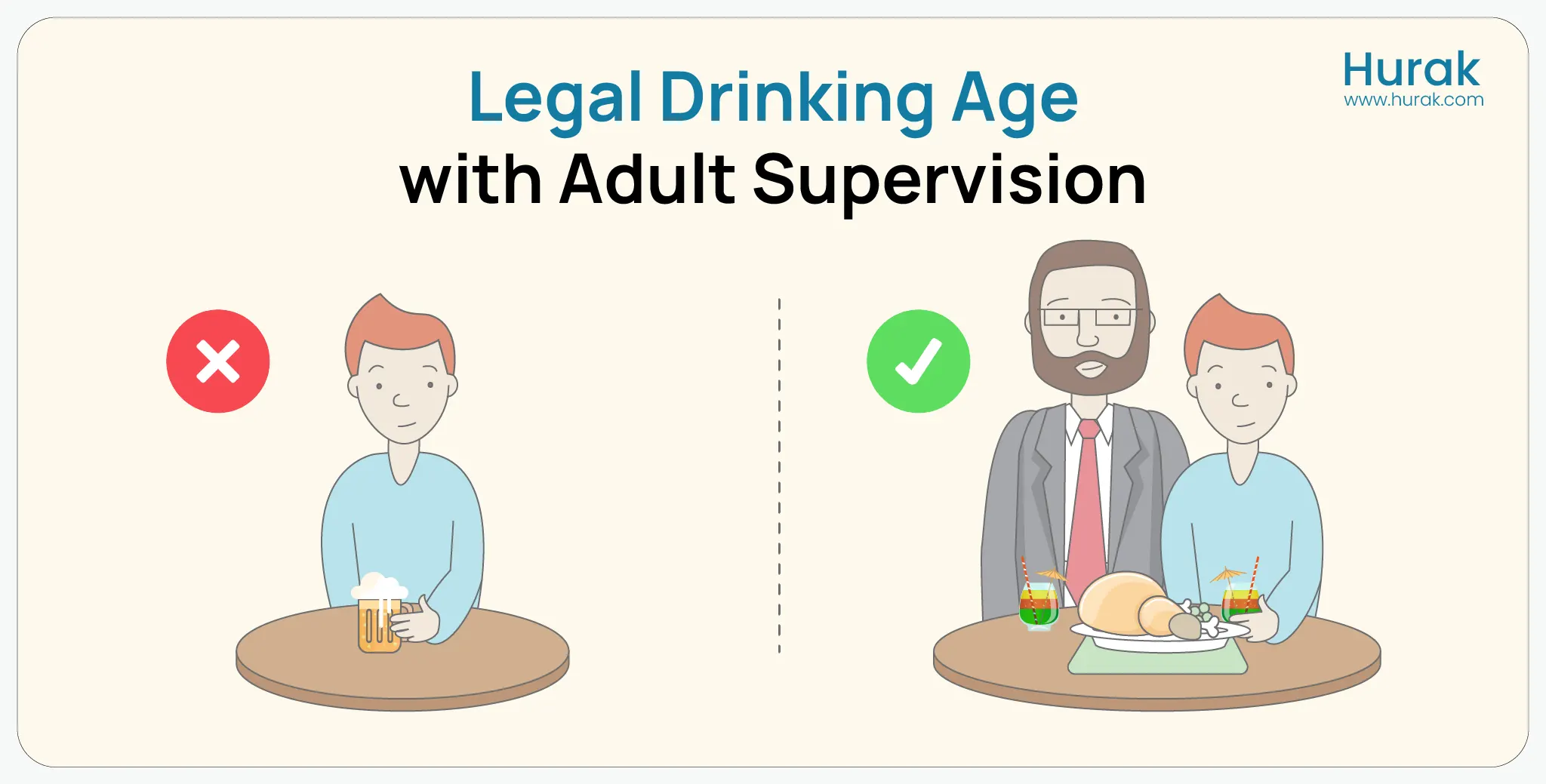
UK law contains specific exceptions that have unique economic footprints. For example, 16 and 17-year-olds can legally drink beer, wine, or cider with a table meal if it is purchased by an adult. For the restaurant industry, this “grey area” is a vital revenue driver for “family dining” brands. It allows establishments to capture a wider market share during Sunday lunches or celebratory dinners, increasing the “average transaction value” (ATV) per table. Understanding these nuances allows business owners to tailor their marketing and menu pricing to maximize yield while remaining within the bounds of the law.

Conclusion: The Bottom Line on Age Regulation
The question “what is the legal drinking age in the UK?” may seem like a simple query for a tourist, but for anyone involved in the money niche—whether through business finance, investing, or corporate strategy—it is a foundational rule of the marketplace. The age of 18 acts as a gatekeeper for billions of pounds in annual turnover.
Successful financial management in the UK hospitality sector requires a proactive approach to this regulation. It involves acknowledging that the cost of compliance is a necessary investment and that the penalties for negligence are high enough to end a business’s lifecycle. By integrating strict age verification protocols, investing in staff education, and understanding the broader economic impact of alcohol laws, businesses can secure their financial future in one of the UK’s most vibrant and volatile industries. In this market, legal knowledge is not just about staying out of trouble; it is about protecting your capital and ensuring long-term fiscal health.
aViewFromTheCave is a participant in the Amazon Services LLC Associates Program, an affiliate advertising program designed to provide a means for sites to earn advertising fees by advertising and linking to Amazon.com. Amazon, the Amazon logo, AmazonSupply, and the AmazonSupply logo are trademarks of Amazon.com, Inc. or its affiliates. As an Amazon Associate we earn affiliate commissions from qualifying purchases.