
Determining how much mortgage you can get approved for is perhaps the most critical step in the home-buying journey. It transforms a vague dream into a concrete financial strategy. While it is tempting to start browsing real estate listings immediately, understanding the mechanics of mortgage approval ensures that you are looking at properties within your financial reach and helps you avoid the heartbreak of a rejected application.
Lenders do not simply pull a number out of thin air. The approval process is a rigorous evaluation of your financial health, risk profile, and future earning potential. To navigate this process successfully, you must understand the key metrics lenders use, the impact of current economic conditions, and the steps you can take to maximize your borrowing capacity.
Understanding the Core Pillars of Mortgage Approval
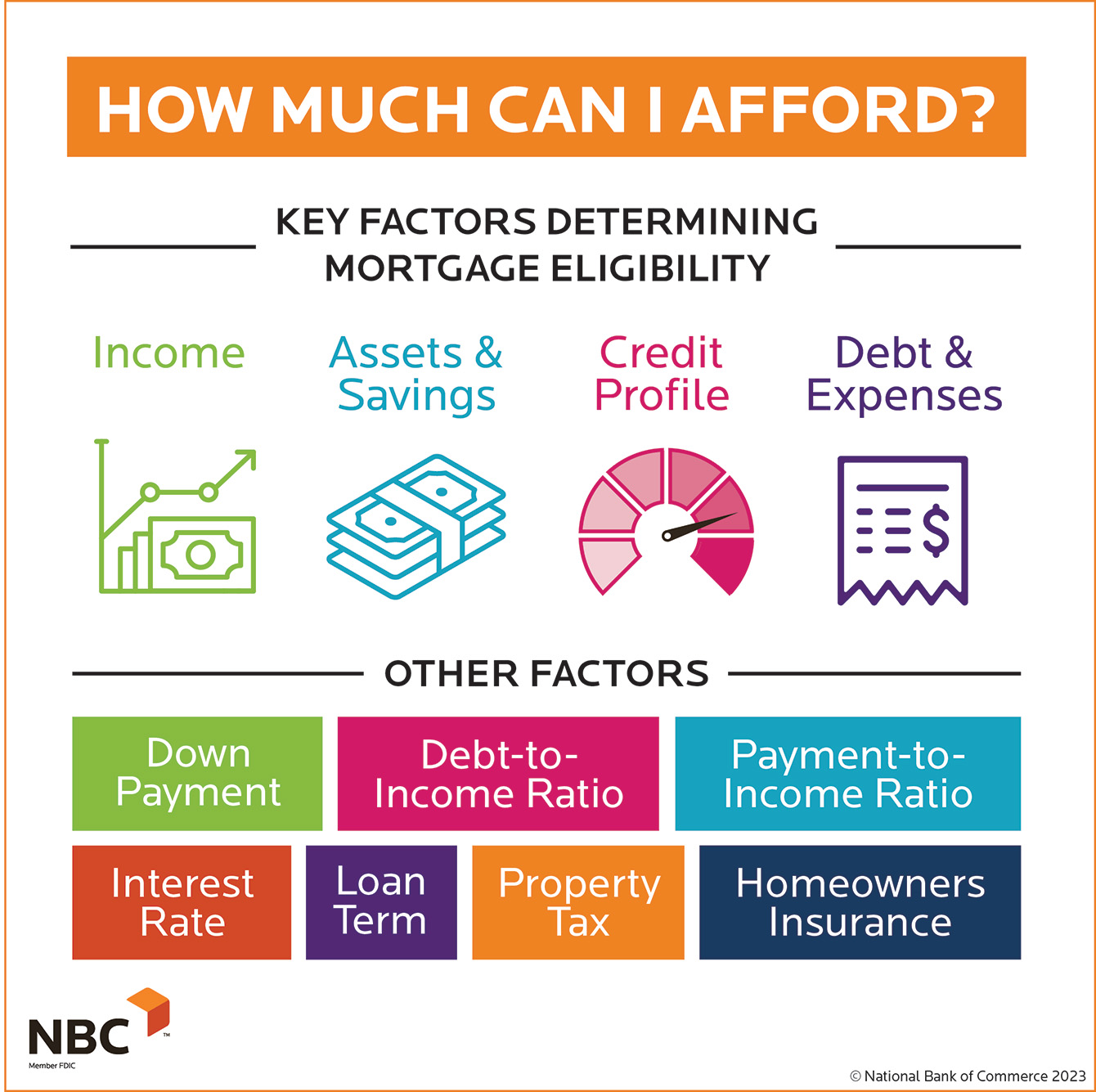
When you apply for a mortgage, a lender’s primary goal is to assess risk. They want to be certain that you can consistently make your monthly payments over the life of the loan. This assessment rests on several key “pillars” of your financial life.
Debt-to-Income (DTI) Ratio: The Lender’s Favorite Metric
The Debt-to-Income ratio is arguably the most significant factor in determining your loan amount. It is a simple percentage: your total monthly debt payments divided by your gross monthly income (before taxes). Lenders typically look at two types of DTI:
- Front-End Ratio: This is the percentage of your income that would go toward housing costs alone (Principal, Interest, Taxes, and Insurance). Most lenders prefer this to be 28% or less.
- Back-End Ratio: This includes your housing costs plus all other recurring debts, such as car loans, student loans, and credit card minimums. A common benchmark for a conventional loan is 36%, though some programs like FHA loans may allow up to 43% or even 50% in specific circumstances.
The Role of Credit Scores in Loan Maximums
Your credit score is a numerical representation of your reliability as a borrower. It doesn’t just determine your interest rate; it can also dictate the maximum loan-to-value (LTV) ratio a lender is willing to accept. A borrower with a 760 score may be approved for a higher loan amount with a smaller down payment, whereas a borrower with a 620 score might be capped at a lower amount or required to provide a much larger down payment to offset the risk.
Proof of Income and Employment Stability
Lenders look for a consistent two-year work history. If you are a W-2 employee, this is straightforward. However, if you are self-employed or a gig economy worker, lenders will scrutinize your tax returns to find your “net” income. Because many self-employed individuals use deductions to lower their taxable income, their “approved” mortgage amount may be lower than they expect based on their gross revenue.
The Financial Math: Calculating Your Realistic Budget
While a lender might tell you that you are approved for $500,000, that doesn’t necessarily mean you should borrow that much. Borrowing power and affordability are two different concepts. To find your sweet spot, you need to look at the math from both a lender’s perspective and your own.
The 28/36 Rule Explained
The 28/36 rule is a classic personal finance guideline used to maintain a healthy financial balance. It suggests that a household should spend no more than 28% of its gross monthly income on total housing expenses and no more than 36% on total debt service.
For example, if your household earns $10,000 gross per month:
- Housing Limit: $2,800/month.
- Total Debt Limit: $3,600/month.
If you already have $1,200 in monthly car and student loan payments, your available room for a mortgage payment drops to $2,400, regardless of the 28% rule, because you would otherwise exceed the 36% total debt threshold.
Impact of Interest Rates on Purchasing Power
Interest rates have an inverse relationship with your borrowing power. When rates are low, more of your monthly payment goes toward the principal, allowing you to afford a more expensive home. When rates rise, a larger portion of your payment is consumed by interest, which reduces the total loan amount you can qualify for. Even a 1% increase in interest rates can reduce your purchasing power by approximately 10%. This is why locking in a rate and understanding the current market environment is essential.
Down Payment Size and Loan-to-Value (LTV) Ratio
Your down payment is your “skin in the game.” The more cash you put down, the lower the lender’s risk. A 20% down payment is the gold standard, as it usually eliminates the need for Private Mortgage Insurance (PMI) and often results in a lower interest rate. However, if you have a high income but low savings, you might opt for a 3.5% (FHA) or 3% (Conventional) down payment, but this will increase your monthly payment and potentially lower the total loan amount for which you are approved.
Factors That Can Boost Your Approval Amount
If your initial calculations suggest you won’t qualify for the amount you need to buy in your desired neighborhood, there are several strategic moves you can make to improve your standing.
Reducing Existing Liabilities
Since the DTI ratio is a pivot point for approval, reducing the “debt” side of the equation is the fastest way to increase your borrowing power. Paying off a car loan that has only 10 months of payments left, or aggressively clearing credit card balances, can free up hundreds of dollars in monthly “DTI space.” This can often result in a significantly higher mortgage approval than simply saving that same amount of money for a down payment.
Adding a Co-Borrower
Many first-time buyers or individuals with moderate incomes increase their approval amount by adding a co-borrower, such as a spouse, partner, or family member. By pooling two incomes, the DTI ratio is recalculated based on a much larger gross monthly figure. However, it is important to remember that the lender will also look at the co-borrower’s debts and credit score—typically using the lower of the two borrowers’ scores for qualifying purposes.
Exploring Different Loan Types
Not all mortgages are created equal.
- Conventional Loans: Best for those with high credit scores and at least 3-5% down.
- FHA Loans: More lenient on DTI ratios and credit scores, making them ideal for those who need a higher approval amount despite some financial blemishes.
- VA Loans: For veterans and active-duty service members, these often offer the highest borrowing power because they require $0 down and have no PMI.
- USDA Loans: Designed for rural and suburban buyers with low-to-moderate incomes, offering 100% financing.
Hidden Costs That Affect Your “Actual” Budget
Approval is based on “PITI”—Principal, Interest, Taxes, and Insurance. Many buyers focus only on the first two, but the latter two can drastically swing your approval amount depending on where you live.
Property Taxes and Insurance (PITI)
Property taxes vary wildly by state and even by school district. A $400,000 home in a high-tax state like New Jersey might require a $1,000 monthly tax payment, while the same home in Arizona might only require $200. Similarly, homeowners insurance can be expensive in areas prone to natural disasters. Lenders include these costs in your DTI calculation, so a high-tax area will effectively lower the total loan amount you can get.
Private Mortgage Insurance (PMI)
If your down payment is less than 20%, you will likely have to pay PMI. This is an insurance policy that protects the lender, not you. Depending on your credit score and the size of your down payment, PMI can cost between 0.22% and 2.25% of your loan amount annually. This monthly fee eats into your DTI and reduces the amount of principal you can borrow.
Closing Costs and Cash Reserves
Lenders don’t want to see you spend every last cent on your down payment. They often require “reserves”—typically 2 to 6 months of mortgage payments sitting in your bank account after the sale closes. Furthermore, you must account for closing costs, which usually range from 2% to 5% of the home’s purchase price. If you haven’t budgeted for these, you may find yourself needing to take a smaller loan to ensure you have enough liquid cash to finalize the deal.
Moving from Pre-Qualification to Pre-Approval
To truly know how much you can get approved for, you must move beyond online calculators and engage with a professional lender.
Documentation Needed for a Formal Approval
A pre-qualification is an estimate based on unverified information you provide. A pre-approval, however, is a conditional commitment from a lender. To get this, you must provide:
- W-2s from the last two years.
- Pay stubs from the last 30 days.
- Bank statements from the last 60 days.
- Tax returns (especially if self-employed).
- Records of any other assets (401k, IRAs, stocks).

Maintaining Your Financial Status During the Process
Once you receive a pre-approval for a specific amount, your financial life must remain “frozen” until the keys are in your hand. Many borrowers make the mistake of buying a new car or furniture on credit after being approved for a mortgage. This increases your DTI and can result in your mortgage approval being rescinded right before closing. To protect your borrowing power, avoid any new credit inquiries or large purchases until the house is officially yours.
In conclusion, the amount of mortgage you can get approved for is a dynamic figure based on your income, your debts, and the current economic landscape. By mastering your DTI ratio, improving your credit score, and understanding the nuances of different loan products, you can position yourself to secure the financing you need. Remember, the goal is not just to get approved for the maximum amount possible, but to find a loan that fits comfortably within your long-term financial plan.
aViewFromTheCave is a participant in the Amazon Services LLC Associates Program, an affiliate advertising program designed to provide a means for sites to earn advertising fees by advertising and linking to Amazon.com. Amazon, the Amazon logo, AmazonSupply, and the AmazonSupply logo are trademarks of Amazon.com, Inc. or its affiliates. As an Amazon Associate we earn affiliate commissions from qualifying purchases.