
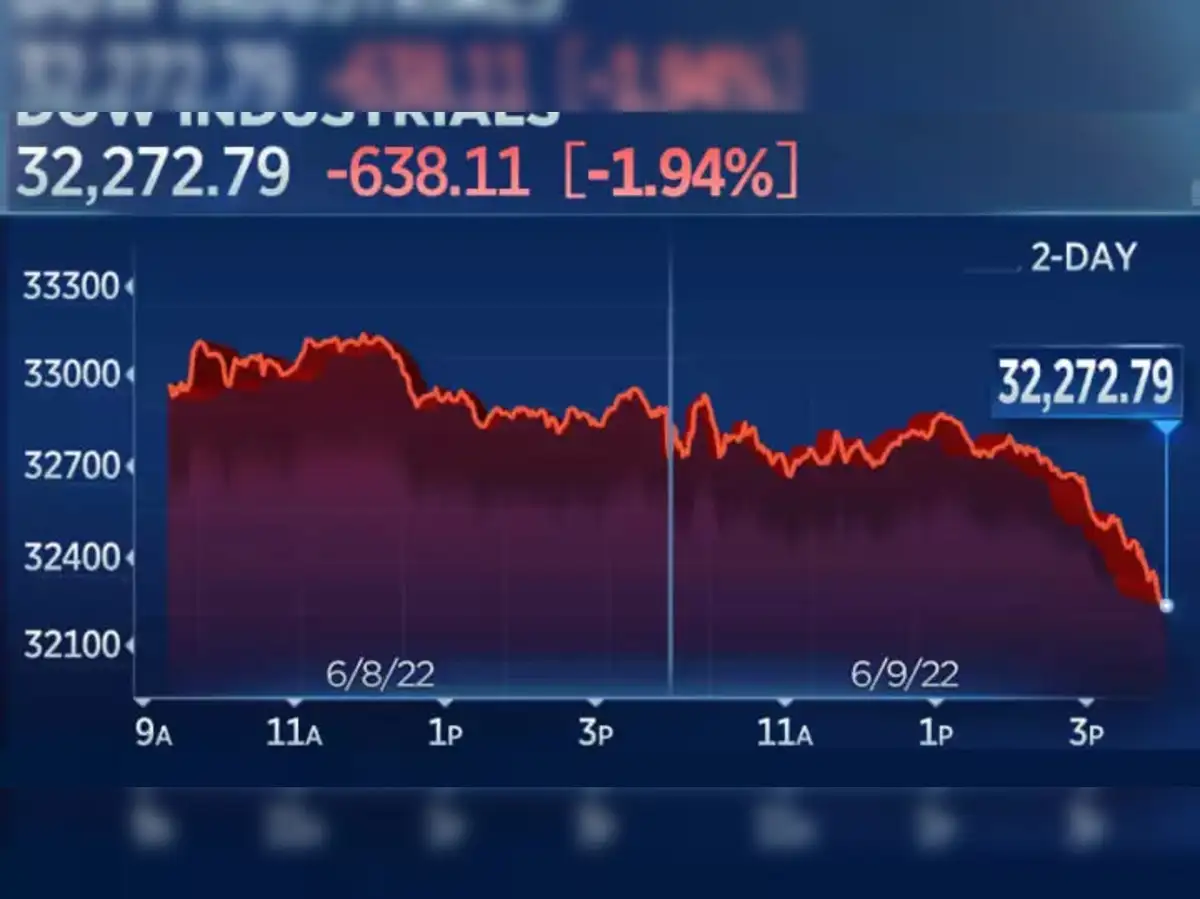
Market volatility is an inherent characteristic of the financial world, yet when the screens turn red and indices like the S&P 500, the Dow Jones Industrial Average, or the Nasdaq Composite show significant declines, investors naturally ask: “Why are the markets down today?” Understanding the confluence of factors that drive market downturns is essential for any investor looking to navigate the complexities of personal finance and wealth management.
Market movements are rarely the result of a single isolated event. Instead, they are usually the product of a delicate interplay between macroeconomic data, corporate performance, geopolitical shifts, and investor psychology. To understand why the markets are sliding today, we must look beneath the surface of the daily ticker tape and examine the fundamental pillars that support—or undermine—market stability.
Macroeconomic Pressures: The Global Financial Landscape
The most common drivers of market downturns are macroeconomic shifts that alter the environment in which businesses operate. When the broader economic outlook darkens, investors tend to pull back from riskier assets, leading to a general decline in prices across various sectors.
Inflation and Central Bank Policy
Inflation remains the most significant “boogeyman” for modern markets. When the Consumer Price Index (CPI) or Personal Consumption Expenditures (PCE) price index shows that costs are rising faster than expected, it signals to the market that the Federal Reserve (or other central banks) may need to intervene.
Central banks manage inflation primarily by adjusting interest rates. When inflation is high, the Fed raises rates to cool the economy. For the markets, this is a double-edged sword. Higher rates increase the cost of borrowing for companies, which can cut into profit margins and slow down expansion plans. Consequently, stock valuations, which are often based on the present value of future cash flows, take a hit because those future dollars are worth less when discounted at a higher rate.
Interest Rates and the Yield Curve
The bond market often dictates what happens in the stock market. When interest rates rise, bond yields typically follow. If a “risk-free” government bond offers a 4% or 5% return, investors are less likely to take on the risk of the stock market unless the potential returns are significantly higher. This leads to a rotation of capital out of equities and into fixed-income assets.
Furthermore, the “yield curve”—the difference between short-term and long-term interest rates—is a closely watched indicator. An inverted yield curve (where short-term rates are higher than long-term rates) has historically been a reliable predictor of an impending recession. When the curve flattens or inverts, it creates a sense of unease that often manifests as a market sell-off.
Corporate Earnings and Growth Deceleration
While macroeconomics sets the stage, corporate earnings are the individual performers. Stock prices are, at their core, a reflection of a company’s ability to generate profit. When the collective earnings power of the market’s biggest players is called into question, the indices suffer.
The Impact of Guidance and Forecasts
Interestingly, a market downturn can occur even if companies report record profits. This happens because the stock market is forward-looking. Investors do not trade on what happened last quarter; they trade on what they expect to happen in the next six to twelve months.
If a major tech giant or a bellwether retail company beats earnings expectations but issues “weak guidance”—suggesting that sales will slow down or costs will rise in the coming months—the stock will often plummet. Because institutional investors use these large companies as proxies for the broader economy, a single bad forecast from a company like Apple, Walmart, or Microsoft can trigger a sell-off across the entire market.
Sector-Specific Slumps and Valuations
Sometimes, markets are down because a specific sector that carries a lot of “weight” in the index is struggling. For example, the technology sector accounts for a massive percentage of the S&P 500’s total value. If there is a “tech wreck” due to concerns over artificial intelligence overvaluation or regulatory crackdowns on big data, the entire index will drag downward, even if energy or healthcare stocks are performing well.
Valuation fatigue also plays a role. If stocks have been on a long bull run, their Price-to-Earnings (P/E) ratios may become stretched. In such scenarios, the market becomes “priced for perfection.” Any news that is less than perfect provides a reason for investors to take profits, leading to a “healthy correction” or a more sustained downturn.
Geopolitical Instability and Systemic Risks
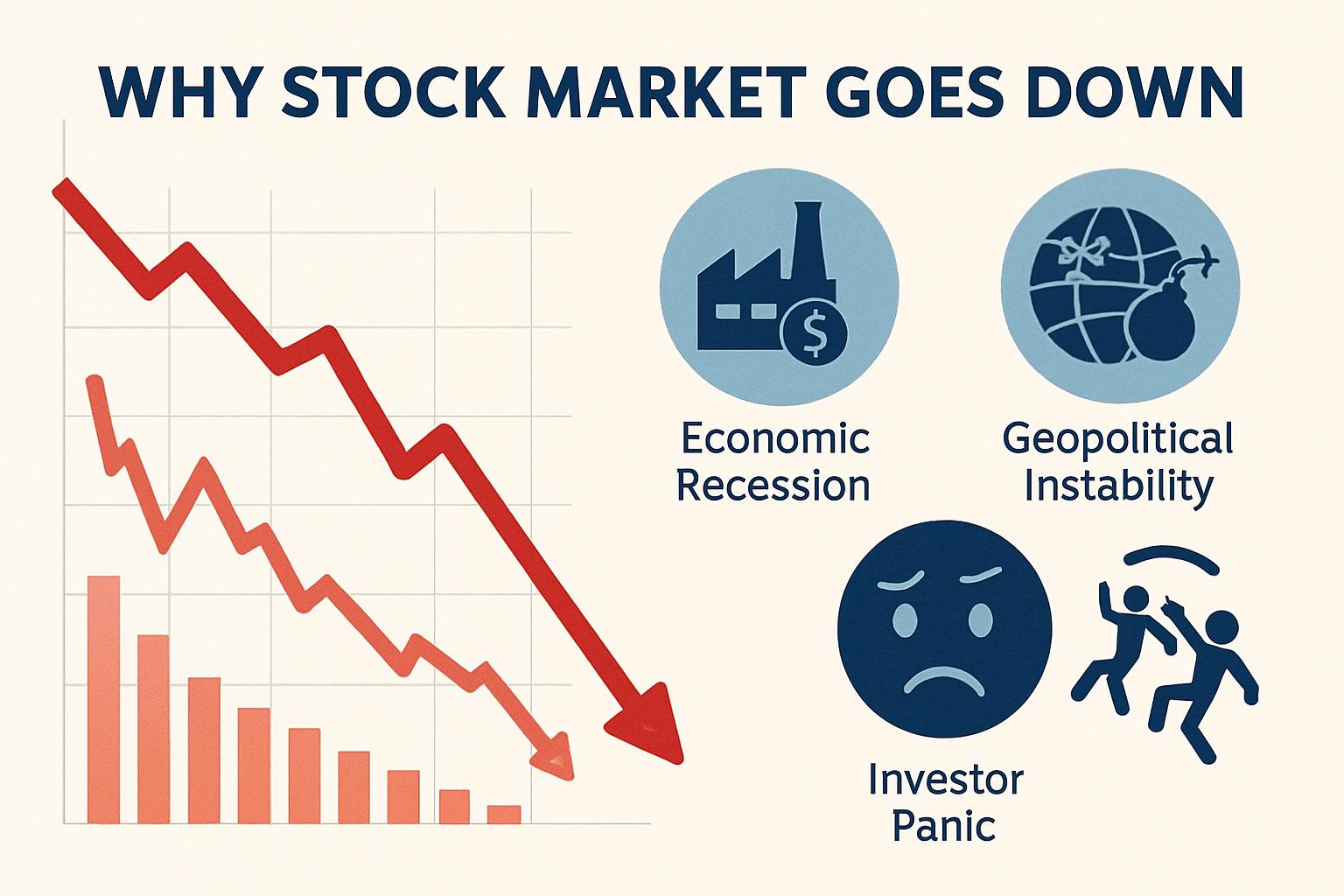
Markets crave certainty and stability. Geopolitical events introduce “known unknowns” and “unknown unknowns,” both of which create the kind of volatility that drives markets down.
Global Supply Chain and Commodity Disruptions
We live in a hyper-connected global economy. Conflict in Eastern Europe, tensions in the South China Sea, or instability in the Middle East can have immediate impacts on the price of oil, natural gas, and essential commodities like wheat or semiconductors.
When energy prices spike due to geopolitical tension, it acts as a “tax” on both consumers and businesses. Higher gas prices at the pump mean consumers have less discretionary income to spend on retail goods, while higher transport costs eat into corporate profits. Markets react to these disruptions by pricing in the likelihood of slower economic growth and higher operational costs.
Political Uncertainty and Regulatory Shifts
Elections, changes in trade policy, and shifts in tax law also contribute to market dips. For instance, if a government proposes a significant increase in the corporate tax rate or introduces strict new antitrust regulations, investors may reassess the future profitability of major corporations. Trade wars and tariffs are particularly disruptive, as they can dismantle established supply chains overnight, forcing companies to find more expensive alternatives and passing those costs on to the end-user.
Behavioral Finance and Market Sentiment
The financial markets are not just driven by spreadsheets and algorithms; they are driven by human beings and their emotional responses to information. Behavioral finance explores how psychological factors influence market outcomes.
Fear, Greed, and the “Herd Mentality”
The “Fear and Greed Index” is a real tool used by analysts to gauge the emotional state of the market. When prices start to fall, fear can become contagious. This often leads to “panic selling,” where investors sell their holdings not because the underlying fundamentals of the companies have changed, but because they see everyone else selling.
This herd mentality can create a feedback loop. As more people sell, prices drop further, which triggers more fear and more selling. This is often exacerbated by “margin calls,” where investors who borrowed money to buy stocks are forced to sell their positions because the value of their collateral has dropped too low, adding more downward pressure to the market.
Algorithmic Trading and Liquidity
In the modern era, a significant portion of market volume is driven by high-frequency trading (HFT) and algorithmic models. These programs are often set to trigger sell orders once a certain price level (support level) is breached.
When a market starts to dip, these algorithms can execute thousands of trades in milliseconds. If liquidity—the ease with which assets can be bought or sold without affecting the price—is low, these rapid-fire sell orders can cause “flash crashes” or accelerated declines. What might have been a minor 0.5% dip can quickly spiral into a 2% or 3% loss as the machines take over the narrative of the trading day.
Strategies for Navigating a Downward Market
For the individual investor, seeing a portfolio lose value in real-time is stressful. However, understanding the reasons why the market is down can help in formulating a rational response rather than an emotional one.
The Importance of a Long-Term Perspective
The history of the stock market is a story of resilience. Despite world wars, pandemics, and financial crises, the long-term trajectory of the market has historically been upward. Market downturns, while painful in the short term, are often the “price of admission” for the superior long-term returns equities provide compared to cash or savings accounts.
Remaining invested during a downturn is often more productive than trying to “time the market.” Missing just a few of the market’s best days—which often occur immediately following the worst days—can significantly reduce an investor’s total returns over a 20-year period.
Diversification and Rebalancing
A down market is an excellent time to review asset allocation. Diversification—spreading investments across different asset classes like stocks, bonds, real estate, and international markets—is the only “free lunch” in investing. While a downturn in the U.S. tech sector might hurt one part of a portfolio, holding commodities or international value stocks might provide a cushion.
Additionally, “Dollar-Cost Averaging” (DCA) is a powerful strategy during a market dip. By continuing to invest a fixed amount of money at regular intervals, an investor naturally buys more shares when prices are low and fewer shares when prices are high. Over time, this lowers the average cost per share and sets the stage for significant gains when the market eventually recovers.
In conclusion, when the markets are down today, it is rarely due to a single cause. It is usually a complex mix of rising interest rates, shifting corporate expectations, geopolitical friction, and the collective psychology of millions of traders. By maintaining a professional and insightful approach to these fluctuations, investors can move past the noise of the daily headlines and stay focused on their long-term financial goals.
aViewFromTheCave is a participant in the Amazon Services LLC Associates Program, an affiliate advertising program designed to provide a means for sites to earn advertising fees by advertising and linking to Amazon.com. Amazon, the Amazon logo, AmazonSupply, and the AmazonSupply logo are trademarks of Amazon.com, Inc. or its affiliates. As an Amazon Associate we earn affiliate commissions from qualifying purchases.