
In the rapidly evolving landscape of financial technology, mobile payment applications have become indispensable tools for managing personal finances, facilitating quick transactions, and even engaging in investment opportunities. Among these, Cash App stands out as a ubiquitous platform, recognized for its user-friendly interface and diverse feature set. For many, Cash App is synonymous with peer-to-peer payments, but its capabilities extend far beyond simply sending and receiving money. This article serves as an insightful and professional tutorial, dissecting the myriad ways users can leverage Cash App, firmly establishing its place as a robust technological solution for modern financial interactions. We will navigate its core functionalities, advanced features, and crucial security protocols, adhering strictly to a technology-centric perspective.
Getting Started with Cash App: Setting Up Your Digital Wallet
The journey with Cash App begins with a straightforward setup process, designed to integrate seamlessly with your existing financial infrastructure. Understanding these initial steps is paramount to unlocking the app’s full potential as a digital wallet and financial management tool.
Downloading and Account Creation
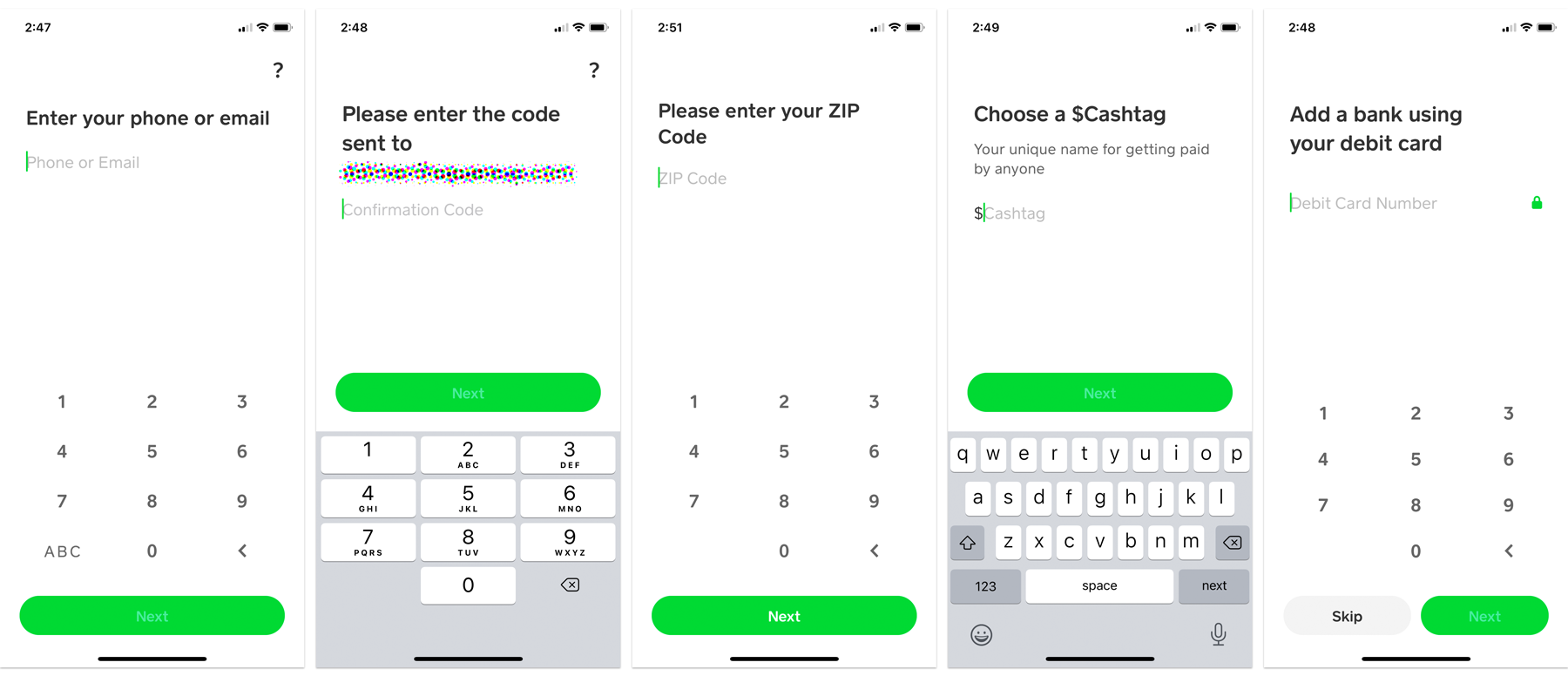
The first step is to download the Cash App application from the Apple App Store for iOS devices or the Google Play Store for Android. Once installed, opening the app initiates the account creation process. Users are prompted to enter their phone number or email address, which will serve as their primary identifier. A verification code is sent to this contact method, confirming the user’s identity and securing the initial setup. Following this, users are asked to create a unique “Cashtag” – a personalized username starting with a ‘$’ symbol. This Cashtag is publicly visible and acts as a simplified address for receiving payments, eliminating the need to share sensitive bank details. The intuitive design of this phase ensures a quick and hassle-free onboarding, characteristic of well-designed modern applications.
Linking Your Bank Account and Debit Card
For Cash App to function as a versatile financial tool, it needs to be connected to a traditional bank account or debit card. This linkage is crucial for adding funds to your Cash App balance, cashing out received funds, and facilitating direct payments. Users can easily link a debit card by entering the card number, expiration date, CVV, and zip code. Linking a bank account, typically done via micro-deposits or instant bank verification services, offers greater flexibility for larger transactions and direct deposits. The application utilizes robust encryption and security measures during this process, ensuring that sensitive financial information remains protected. This integration exemplifies Cash App’s role as a bridge between traditional banking and the digital economy, streamlining financial operations within a single app.
Navigating the User Interface
Upon successful account creation and linking, users are introduced to Cash App’s clean and intuitive interface. The main screen typically features a numerical keypad for quickly entering payment amounts, alongside prominent buttons for “Request” and “Pay.” A navigation bar at the bottom provides access to various sections: “Money” (your balance and transaction history), “Cash Card” (management of your physical debit card), “Investing” (access to stocks and Bitcoin), and “Profile” (account settings, privacy controls, and support). Understanding this layout is key to efficient usage, allowing users to quickly jump between sending money, checking their balance, or exploring investment opportunities. The app’s design prioritizes ease of use, making complex financial actions accessible to a broad demographic, a hallmark of excellent software design.
Mastering Core Transactions: Sending and Receiving Funds
The cornerstone of Cash App’s utility lies in its seamless peer-to-peer payment capabilities. These functions are not just about convenience; they represent a significant technological advancement in how individuals conduct daily financial exchanges.
Sending Money to Friends and Family
Sending money via Cash App is remarkably straightforward. From the main screen, users simply enter the desired amount using the keypad. They then tap the “Pay” button, which prompts them to select a recipient from their contacts or enter the recipient’s Cashtag, phone number, or email address. An optional memo field allows for transaction notes, enhancing record-keeping. Finally, confirming the payment with a PIN or touch/face ID completes the transaction. Funds are typically transferred instantly from the sender’s Cash App balance, linked debit card, or bank account, appearing in the recipient’s balance almost immediately. This instantaneous transfer capability, backed by sophisticated backend infrastructure, eliminates the delays often associated with traditional bank transfers, making it an ideal solution for splitting bills, repaying friends, or sending quick financial assistance.
Requesting and Receiving Payments
The inverse of sending money is equally simple: requesting payments. This feature is particularly useful for debt collection, shared expenses, or invoicing small services. Users enter the amount they wish to request, tap the “Request” button, and select the sender. The sender receives a notification and can approve the request with a few taps. Upon approval, the funds are instantly transferred to the requester’s Cash App balance. For receiving payments from individuals who don’t have Cash App or for business transactions, users can also provide their Cashtag, phone number, or email. The platform’s ability to consolidate incoming funds into a single, easily accessible balance underscores its efficiency as a financial management tool. Furthermore, the option for direct deposit allows users to receive paychecks, tax refunds, and other benefits directly into their Cash App account, effectively treating it as a primary banking destination for many.
Direct Deposit Setup
Expanding beyond ad-hoc payments, Cash App offers direct deposit functionality, transforming it into a viable alternative to traditional bank accounts for managing regular income. Within the “Money” tab, users can find their unique routing and account numbers. These details can then be provided to employers, government agencies, or other entities for direct deposit setup. Once configured, funds are deposited directly into the user’s Cash App balance, often up to two days earlier than traditional banks. This feature is a testament to Cash App’s ambition to be a comprehensive financial hub, leveraging technology to offer faster access to funds and greater financial flexibility. It exemplifies how fintech solutions are challenging conventional banking models by providing enhanced speed and convenience through digital means.
Exploring Advanced Features: Beyond Peer-to-Peer Payments
While peer-to-peer payments form its foundation, Cash App has evolved into a versatile platform offering a suite of advanced features that cater to a broader range of financial needs, from spending to investing. These functionalities underscore the app’s technological innovation in integrating various financial services.
Cash Card: Your Customizable Debit Card
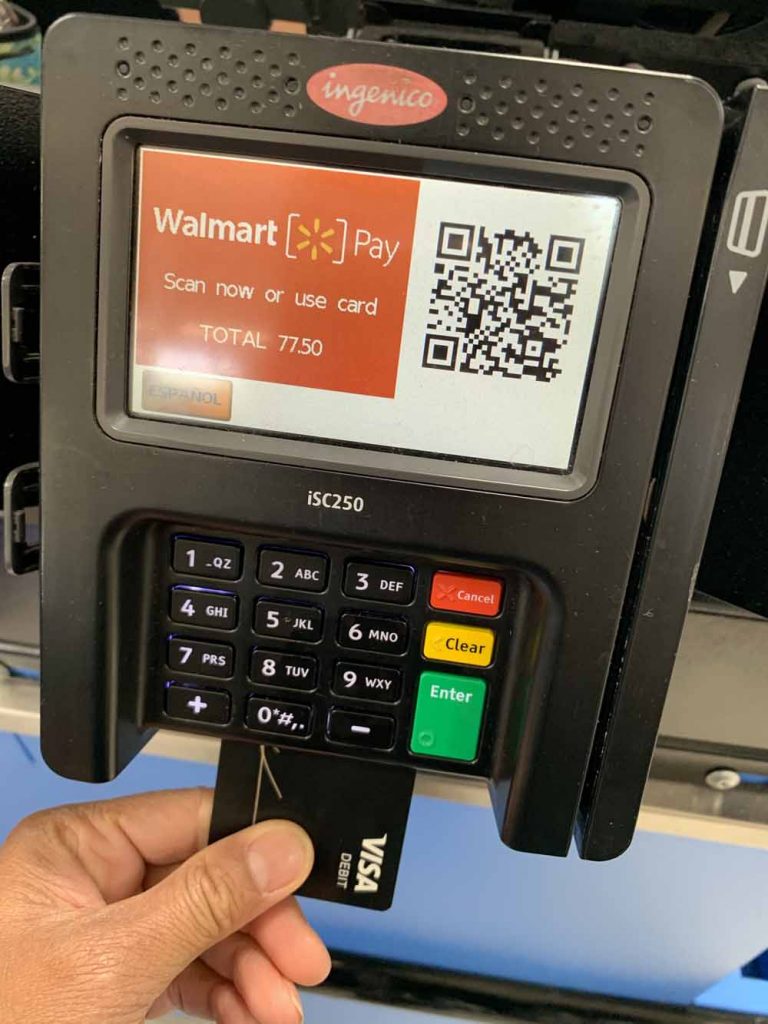
The Cash Card is a free, customizable debit card linked directly to your Cash App balance. Users can design their unique card by choosing colors, adding emojis, or even creating custom drawings within the app. This personalization aspect, while seemingly aesthetic, contributes to a stronger user connection with their financial tools. Functionally, the Cash Card allows users to spend their Cash App balance anywhere Visa debit cards are accepted, both online and in physical stores. It also enables ATM withdrawals (though fees may apply). The card’s integration with the app means users can manage their spending in real-time, instantly lock or unlock their card for security, and view transaction history directly within the application, offering a seamless and secure spending experience that rivals traditional banking debit cards.
Investing in Stocks and Bitcoin
Cash App has democratized investing by integrating brokerage services directly into its platform. Users can buy and sell fractional shares of stocks in major US companies with as little as $1, making stock market participation accessible to a wider audience. Similarly, the app facilitates the purchase and sale of Bitcoin, a popular cryptocurrency. This integration simplifies what traditionally required separate brokerage accounts and complex interfaces. The “Investing” tab provides real-time market data, portfolio tracking, and basic analytical tools, allowing users to monitor their investments. While Cash App simplifies the process, it also includes disclaimers and educational resources to inform users about investment risks, striking a balance between accessibility and responsible financial engagement. This feature showcases Cash App’s technological prowess in bringing complex financial markets to a mobile-first, user-friendly environment.
Tax Filing and Boosts
Further enhancing its utility, Cash App has ventured into tax preparation with Cash App Taxes (formerly Credit Karma Tax). This service allows eligible users to file their federal and state taxes for free directly through the app or a dedicated web portal. The integration of tax filing capabilities transforms Cash App from a mere payment app into a more comprehensive financial ecosystem, simplifying a traditionally cumbersome annual task. Another notable feature is “Boosts,” which are instant discounts or rewards applied directly to purchases made with the Cash Card. Users can select and activate specific Boosts within the app, which then automatically apply at the point of sale. These real-time rewards add significant value and engagement, leveraging location-based services and user preferences to deliver personalized financial benefits. Both features highlight Cash App’s strategic expansion into diverse financial services, driven by continuous technological innovation to provide added value to its user base.
Ensuring Digital Security: Protecting Your Cash App Account
In the digital finance realm, security is not merely a feature; it is a fundamental requirement. Cash App employs a multi-layered approach to protect user accounts and transactions, but users also play a critical role in maintaining their own digital safety.
Understanding Cash App’s Security Protocols
Cash App utilizes state-of-the-art encryption and fraud detection technology to safeguard user data and transactions. All data transmitted between the app and its servers is encrypted, protecting sensitive information from interception. The platform employs sophisticated algorithms to monitor transactions for unusual activity, flagging and potentially blocking suspicious payments to prevent unauthorized access. Additionally, features like Touch ID, Face ID, or a custom PIN for every transaction add a crucial layer of biometric or knowledge-based security, ensuring that only the account holder can authorize payments. These robust backend systems are continually updated to combat emerging threats, demonstrating Cash App’s commitment to maintaining a secure digital environment for its users.
Best Practices for Account Safety
While Cash App provides strong security infrastructure, user vigilance is equally important. Users are advised to enable all available security features, including two-factor authentication, which adds an extra verification step (e.g., a code sent to a phone) beyond just a password or PIN. Regularly reviewing transaction history for any unauthorized activity is also a crucial best practice. Users should choose strong, unique PINs and passwords and never share their account credentials with anyone. Additionally, keeping the Cash App application updated ensures that users benefit from the latest security patches and features. By adhering to these practices, users can significantly reduce their vulnerability to potential security breaches.
Recognizing and Avoiding Scams
Unfortunately, the popularity of financial apps like Cash App makes them targets for scammers. Users must be aware of common scam tactics, such as phishing attempts (emails or messages impersonating Cash App to solicit personal information), fake prize notifications requiring a “fee” to claim, or “money flipping” schemes promising unrealistic returns. Cash App’s support team will never ask for your PIN, sign-in code, or full debit card number over the phone or email. Any unsolicited requests for money or personal information, especially those with urgent or threatening language, should be treated with extreme caution. Reporting suspicious activity directly through the app’s support features is vital for protecting oneself and the wider user community. Education and skepticism are powerful tools in the fight against digital fraud, complementing Cash App’s technological defenses.
Troubleshooting and Support: When You Need Help
Even with the most intuitive applications, users may occasionally encounter issues or require assistance. Cash App provides several avenues for support, ensuring that technical challenges do not impede financial operations.
Common Issues and Solutions
Many common issues with Cash App can be resolved through simple troubleshooting steps. For instance, payment failures might stem from insufficient balance, an expired linked card, or temporary network issues. Checking the linked payment method’s status, ensuring a stable internet connection, or simply retrying the transaction often resolves these problems. Issues with logging in can sometimes be fixed by resetting the PIN or ensuring the correct phone number/email is being used. For Cash Card problems, such as declines, checking the app for card status (locked/unlocked) or reviewing the transaction history can provide immediate clarity. The app’s design often provides clear error messages, guiding users toward a solution.
Accessing Customer Support
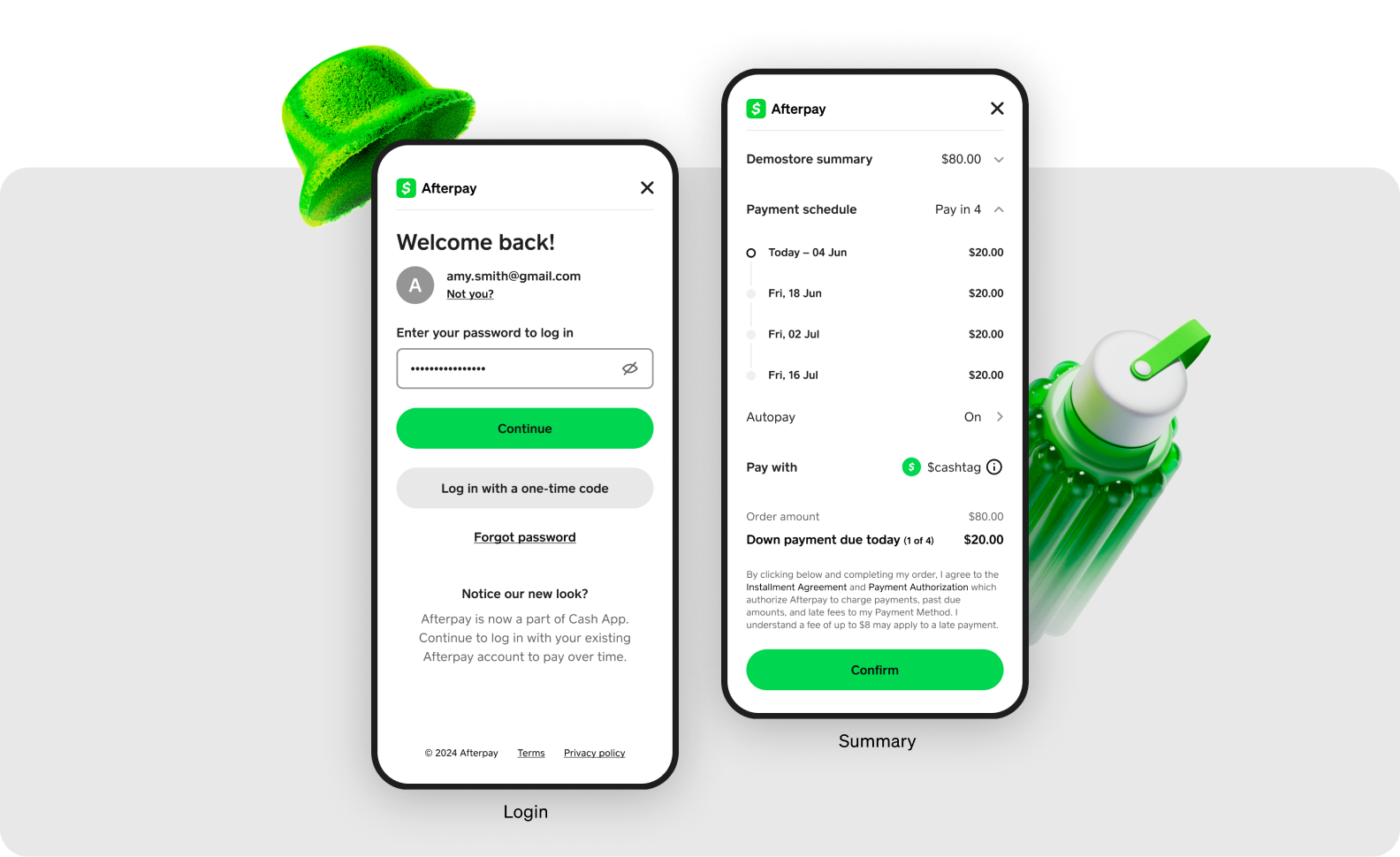
For more complex issues that cannot be resolved through self-help, Cash App offers multiple channels for customer support. The in-app support feature is the most direct method, allowing users to submit queries and receive responses within the application itself. This method securely connects users with support agents who can access account-specific information (with user permission) to resolve problems. Additionally, Cash App provides support via its official website and social media channels. It is crucial to use only official support channels to avoid scam attempts. The availability of responsive and secure customer support is a critical component of any robust technological service, ensuring user confidence and operational continuity.
In conclusion, Cash App is a powerful and versatile application that extends far beyond its initial promise of simple peer-to-peer payments. From its straightforward account setup and core transaction capabilities to advanced features like the Cash Card, stock/Bitcoin investing, and tax filing, it represents a significant technological leap in personal finance management. Its continuous development, coupled with robust security protocols and accessible support, solidifies its position as a leading fintech solution. Understanding “how to use Cash App” involves appreciating its comprehensive suite of features and engaging with its technology responsibly to manage, spend, and grow your digital finances effectively.
aViewFromTheCave is a participant in the Amazon Services LLC Associates Program, an affiliate advertising program designed to provide a means for sites to earn advertising fees by advertising and linking to Amazon.com. Amazon, the Amazon logo, AmazonSupply, and the AmazonSupply logo are trademarks of Amazon.com, Inc. or its affiliates. As an Amazon Associate we earn affiliate commissions from qualifying purchases.