
For anyone navigating the intricate world of finance, the question “What is the Dow Jones doing today?” is more than just a passing curiosity; it’s a daily ritual, a quick pulse-check on the health of the U.S. economy and a bellwether for investment portfolios. The Dow Jones Industrial Average (DJIA), often simply called “the Dow,” stands as one of the oldest and most frequently cited stock market indices globally. Its daily movements, whether up or down, ripple through news headlines, influence investor sentiment, and can significantly impact personal finances, from retirement accounts to business investment decisions. Understanding what drives these daily fluctuations, and how to interpret them within a broader financial context, is crucial for both seasoned investors and those just beginning their journey into the stock market.

This article delves into the inner workings of the Dow, exploring the myriad factors that contribute to its daily performance, how its movements should be perceived, and its ultimate significance for individual and business financial strategies. We’ll move beyond the immediate numbers to provide an insightful, engaging, and professional perspective on this vital economic indicator.
Deciphering the Dow’s Daily Pulse
The daily ebb and flow of the Dow Jones Industrial Average are a complex interplay of economic data, corporate performance, and global events. To truly grasp “what the Dow is doing today,” one must first understand its fundamental nature and the forces that constantly shape its trajectory.
The Dow Jones Industrial Average: A Primer
At its core, the Dow Jones Industrial Average is a price-weighted index comprising 30 large, publicly traded companies based in the United States. Established in 1896 by Charles Dow, it was initially designed to serve as a proxy for the broader health of the American industrial sector. Over its long history, the composition of the Dow has evolved dramatically, shedding many of its original “industrial” components to include a diverse array of companies representing various sectors, from technology and finance to healthcare and consumer goods. Despite its name, it’s no longer purely industrial, offering a snapshot of large-cap American enterprise.
Its price-weighted methodology means that stocks with higher share prices have a greater influence on the index’s value than those with lower share prices, regardless of their market capitalization. While this can sometimes lead to criticisms about its representativeness compared to market-capitalization-weighted indices like the S&P 500, the Dow remains an iconic and widely followed indicator. Its historical significance and frequent media coverage make it a primary reference point for gauging market sentiment and economic trends. For many, its movement is the simplest, most digestible proxy for “the stock market.”
Key Factors Influencing Today’s Movements
The Dow’s daily performance is rarely attributable to a single cause. Instead, it’s a dynamic response to a confluence of factors that shift with each passing hour. Understanding these influences is key to interpreting its movements with a professional eye.
- Economic Data Releases: Every day brings a new stream of economic indicators that can sway the Dow. Reports on inflation (Consumer Price Index, Producer Price Index), employment (jobless claims, non-farm payrolls), Gross Domestic Product (GDP), retail sales, manufacturing output, and consumer confidence all paint a picture of the economic landscape. Positive data often signals a strong economy, potentially boosting corporate profits and leading to an upward movement in the Dow. Conversely, weak or disappointing data can trigger sell-offs.
- Corporate Earnings Reports and Guidance: Given that the Dow is composed of 30 specific companies, their individual financial performance holds significant weight. During earnings seasons, the release of quarterly reports from Dow components can cause considerable volatility. Strong earnings, optimistic future guidance, or unexpected corporate news (mergers, acquisitions, product launches) can send a stock, and subsequently the Dow, higher. Missed expectations or cautious outlooks can have the opposite effect.
- Interest Rate Expectations and Federal Reserve Policy: The actions and pronouncements of the U.S. Federal Reserve are critical drivers. Changes in interest rates, or even the anticipation of such changes, directly impact borrowing costs for companies and consumers, affecting everything from investment decisions to housing markets. Lower rates generally stimulate economic activity and are often seen as bullish for stocks, while higher rates can slow growth and dampen investor enthusiasm.
- Geopolitical Events and Global Economic News: The world is interconnected, and events far beyond U.S. borders can send shockwaves through the Dow. International trade disputes, political instability in key regions, commodity price fluctuations (especially oil), and economic performance in major global economies (e.g., China, Europe) all play a role. A major international incident or a significant policy shift from a foreign government can introduce uncertainty and prompt market reactions.
- Market Sentiment and Investor Psychology: Beyond the hard data, human emotion and collective investor psychology are powerful forces. Fear, greed, optimism, and pessimism can amplify market reactions, sometimes detaching daily movements from underlying fundamentals. News cycles, social media trends, and even major institutional trading patterns can create momentum, leading to herd behavior that drives short-term price swings.
Beyond the Headlines: Interpreting Market Volatility
A casual glance at the Dow’s daily performance can be misleading if not viewed through a broader, more nuanced lens. Understanding market volatility means distinguishing between short-term noise and long-term trends, and recognizing the underlying currents that shape the investment landscape.
Understanding Bull and Bear Trends
The terms “bull market” and “bear market” are fundamental to understanding the larger narrative behind the Dow’s daily movements. A bull market is characterized by optimism, investor confidence, and rising stock prices, typically defined as a 20% increase from recent lows. During such periods, the Dow generally sees more green (up) days than red (down) days, and corrections are often seen as buying opportunities. Conversely, a bear market signifies widespread pessimism, falling prices (a 20% drop from recent highs), and a lack of investor confidence. In a bear market, the Dow experiences more frequent and often sharper declines, and rallies are typically viewed with skepticism.
While daily Dow movements might contribute to or reflect these trends, it’s crucial not to mistake a single bad day for a full-blown bear market, or a particularly good day as the start of an extended bull run. The daily numbers are simply snapshots within a much larger, ongoing story. Consistent patterns over weeks or months are what truly signal a shift in the market’s overall direction.
The Impact of Sectoral Performance
Although the Dow comprises just 30 companies, these giants represent significant portions of their respective industries. Therefore, news or trends impacting specific sectors can have a disproportionate effect on the index. For example:
- Technology: Companies like Apple, Microsoft, and Salesforce are major Dow components. News affecting the tech sector—such as regulatory changes, innovation breakthroughs, or shifts in consumer spending on digital services—can heavily influence the Dow.
- Financials: With banks like JPMorgan Chase and investment firms like Goldman Sachs on the index, interest rate changes, banking regulations, or broader economic stability (which impacts lending) directly affect the financial sector and, by extension, the Dow.
- Industrials: While less dominant than in the past, companies like Boeing and Caterpillar still hold sway. Global trade relations, supply chain resilience, and infrastructure spending can significantly impact their performance and contribute to the Dow’s overall movement.
- Consumer Discretionary/Staples: Companies like Nike and Walmart are sensitive to consumer spending habits, inflation, and employment figures. Strong or weak consumer confidence can send clear signals through these components.
A dip in oil prices might benefit airlines (a specific industrial component not directly in the Dow, but can be representative) but hurt energy producers (which are less represented in the Dow specifically, but still impact the broader economy). Understanding the composition of the Dow and the specific drivers of its constituent sectors helps to provide a more sophisticated interpretation of its daily performance.
Short-term Fluctuations vs. Long-term Strategy
Perhaps the most critical insight for any investor is to differentiate between short-term market noise and a long-term investment strategy. The Dow’s daily movements are inherently volatile, driven by a constant influx of information, rumor, and sentiment. For long-term investors, these daily fluctuations are largely irrelevant. A well-diversified portfolio built on a solid financial plan is designed to weather short-term storms and capitalize on the long-term upward trajectory of the stock market.
Obsessing over the Dow’s daily performance can lead to emotional decision-making, such as panic selling during a downturn or chasing hot stocks during a rally. Both strategies often prove detrimental to wealth accumulation. Professional investors and financial advisors consistently advocate for a disciplined approach: set clear financial goals, invest regularly, diversify across asset classes, and maintain a long-term perspective. The Dow’s daily chart is a speedometer, not a compass; it tells you how fast you’re going, but not where you’re headed.

The Dow’s Role in Your Financial Strategy
Understanding “what the Dow is doing today” extends beyond mere observation; it involves recognizing how this information can—or should—integrate into personal and business financial decision-making.
For the Individual Investor: What to Watch For
While individual investors don’t directly “invest in the Dow” (though they can invest in ETFs that track it), the index serves as a crucial barometer for their broader portfolio. Most individual investment portfolios, especially retirement accounts like 401(k)s and IRAs, are typically invested in a mix of mutual funds and exchange-traded funds (ETFs) that often hold stocks of companies similar to or including Dow components.
Therefore, a significant downturn in the Dow can indicate a broader market correction, potentially affecting the value of your diversified holdings. Conversely, a strong Dow suggests a healthy economic environment that generally supports growth in investment portfolios. However, the key takeaway is not to make knee-jerk decisions based on daily swings. Instead, individual investors should:
- Monitor for Trends: Look for sustained periods of growth or decline rather than isolated daily events.
- Rebalance Periodically: Use market movements (which the Dow can reflect) as an opportunity to rebalance your portfolio back to its target asset allocation, selling high-performing assets to buy underperforming ones, effectively buying low and selling high.
- Stay Diversified: The Dow’s performance doesn’t tell the whole story. Ensure your portfolio is diversified across different indices, sectors, geographies, and asset classes to mitigate risk.
- Avoid Emotional Trading: Let your long-term financial plan, not daily Dow numbers, dictate your investment actions.
Business Finance and Economic Indicators
For businesses, particularly larger corporations, monitoring the Dow and other major indices is an integral part of strategic planning and economic forecasting. The Dow’s movements can reflect:
- Consumer Confidence: A rising Dow often correlates with increased consumer confidence, which can translate into higher spending and better sales for consumer-oriented businesses.
- Investment Climate: A bullish market signals a favorable environment for raising capital through stock offerings or debt, potentially facilitating expansion or acquisitions.
- Corporate Profitability Outlook: Since the Dow is heavily influenced by corporate earnings, its trend can offer insights into the overall profitability outlook for American enterprise.
- Economic Health for Planning: Businesses use these indicators to assess the overall economic health, informing decisions on hiring, inventory management, capital expenditures, and market expansion. A declining Dow might signal an impending economic slowdown, prompting businesses to adopt more cautious strategies.
Financial Tools and Resources for Tracking the Dow
In today’s digital age, tracking the Dow and understanding its movements is more accessible than ever. A plethora of financial tools and resources are available:
- Online Financial News Portals: Websites like Bloomberg, Reuters, Wall Street Journal, and CNBC provide real-time Dow quotes, in-depth market analysis, and commentary from financial experts.
- Brokerage Platforms: Most online brokerage accounts offer dashboards with live market data, customizable watchlists, and analytical tools to track the Dow and its components.
- Dedicated Market Analysis Tools: Platforms like TradingView or Yahoo Finance provide charts, technical indicators, and historical data for deeper analysis.
- Financial Advisors: For personalized guidance, consulting with a certified financial planner can help translate Dow movements into actionable steps relevant to your specific financial situation.
Utilizing reliable data sources and understanding the context behind the numbers is crucial. Beware of sensationalized headlines and always cross-reference information from multiple reputable sources.
Navigating the Future: What Tomorrow May Bring for the Dow
Looking ahead, the Dow Jones Industrial Average will continue to be a focal point for understanding market dynamics, influenced by a blend of ongoing economic trends, technological advancements, and the ever-evolving structure of the financial markets.
Anticipated Economic Drivers
The immediate future of the Dow will largely be shaped by several persistent economic themes:
- Inflation Outlook and Central Bank Actions: The trajectory of inflation and the corresponding monetary policy responses from central banks globally will remain paramount. Whether inflation cools sufficiently to allow for rate cuts or persists, necessitating tighter policy, will heavily impact corporate profitability and investor sentiment.
- Global Supply Chains: The resilience and efficiency of global supply chains will continue to influence input costs for businesses and the availability of goods, impacting corporate earnings.
- Technological Advancements: Innovation in areas like artificial intelligence, biotechnology, and renewable energy will drive growth for many Dow components, but also pose disruptive challenges to others. Companies that adapt and lead in these areas are likely to see their valuations increase.
- Consumer Behavior: Shifts in consumer spending patterns, preferences for sustainability, and the impact of digital transformation on retail will significantly affect the consumer-oriented companies within the Dow.
The Evolving Landscape of the Stock Market
The Dow itself is not static. Its composition is periodically reviewed and updated to ensure it remains a relevant indicator of the U.S. economy. This means that companies may be added or removed, reflecting shifts in economic power and industrial importance. The increasing influence of passive investing (index funds, ETFs) and algorithmic trading also means that market movements can sometimes be driven by automated systems and broad fund flows rather than fundamental analysis alone. This adds another layer of complexity to interpreting daily shifts.
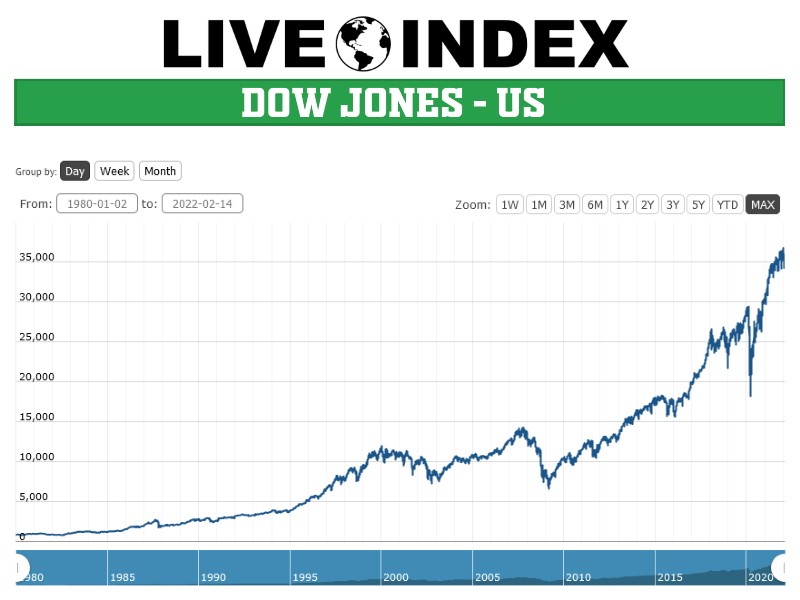
A Balanced Perspective for Prudent Investing
Ultimately, while the Dow Jones Industrial Average offers a compelling daily narrative of market activity, it is just one piece of a much larger and more complex financial puzzle. For individuals and businesses alike, the most prudent approach involves:
- Diversification: Never put all your eggs in one basket.
- Long-Term Focus: Avoid emotional reactions to short-term market volatility.
- Continuous Learning: Stay informed about economic trends and market developments.
- Professional Advice: Consult with financial experts to tailor strategies to your unique circumstances.
Understanding “what the Dow Jones is doing today” is valuable not for making speculative short-term bets, but for gaining a deeper comprehension of the economic currents that influence your long-term financial health. By focusing on insight, strategy, and a balanced perspective, investors can navigate the complexities of the market with greater confidence and achieve their financial goals.
aViewFromTheCave is a participant in the Amazon Services LLC Associates Program, an affiliate advertising program designed to provide a means for sites to earn advertising fees by advertising and linking to Amazon.com. Amazon, the Amazon logo, AmazonSupply, and the AmazonSupply logo are trademarks of Amazon.com, Inc. or its affiliates. As an Amazon Associate we earn affiliate commissions from qualifying purchases.