
For anyone looking to engage with the world’s most influential financial markets, understanding the operational hours of the New York Stock Exchange (NYSE) and the NASDAQ is fundamental. These bustling epicenters of global finance dictate the rhythm of investment, providing a crucial framework for investors, traders, and financial institutions worldwide. While the question “what time does the NY stock market open?” seems simple on the surface, its implications stretch far beyond a mere timestamp, influencing trading strategies, risk management, and market behavior. Delving into the precise schedule, including extended hours and holiday closures, reveals a complex dance that astute participants must master to navigate the financial landscape successfully.
Understanding the Core Trading Hours
The cornerstone of the New York stock market’s operations is its standard trading session, a period of intense activity where the vast majority of transactions occur. This defined window provides structure and liquidity, setting the daily pace for global equity trading.
The Standard Operating Schedule
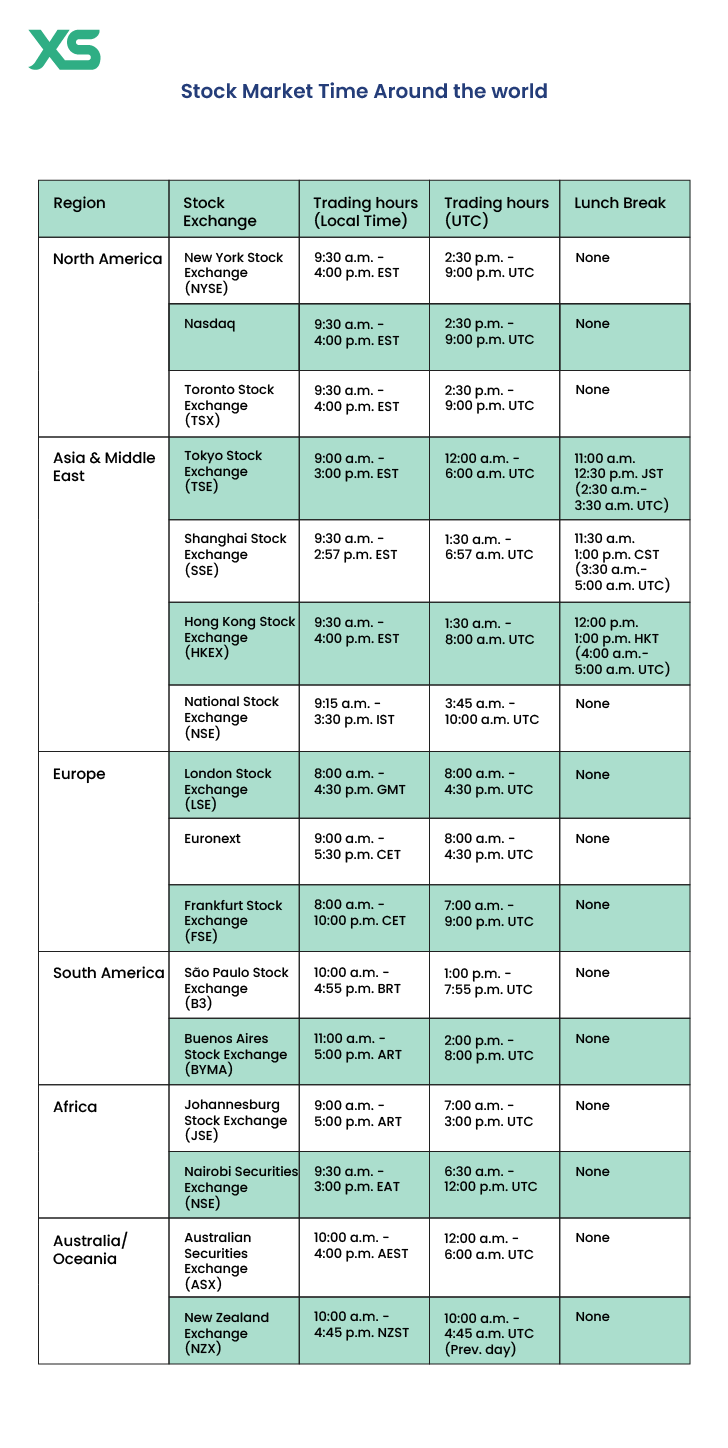
The New York Stock Exchange (NYSE) and the NASDAQ, the two largest stock exchanges in the United States, adhere to an identical core trading schedule. Both exchanges officially open at 9:30 AM Eastern Time (ET) and close at 4:00 PM ET from Monday through Friday. This 6.5-hour window is often referred to as “market hours” or “regular trading hours.” During this period, millions of shares change hands, prices fluctuate in response to economic data, corporate news, and investor sentiment, and market participants execute strategies ranging from high-frequency trading to long-term portfolio adjustments. The opening and closing bells are iconic symbols, signaling the commencement and cessation of this daily financial spectacle, each often accompanied by heightened volatility as pending orders are cleared and positions are squared away.
NYSE vs. NASDAQ: Identical Core, Different DNA
While their core trading hours are identical, the NYSE and NASDAQ possess distinct characteristics. The NYSE, founded in 1792, is renowned for its traditional auction-market system and its physically present trading floor, although a significant portion of its trading is now electronic. It is home to many of the world’s oldest and largest blue-chip companies. NASDAQ, established in 1971, pioneered electronic trading and operates purely as a dealer’s market. It is largely associated with technology and growth companies. Despite these differences in their operational models and the types of companies they list, both exchanges function in perfect synchronicity regarding their standard trading schedule, ensuring a unified marketplace for U.S. equities during regular hours. This uniformity simplifies the trading landscape for investors who might hold a diversified portfolio across both exchanges.
Time Zones and Global Implications
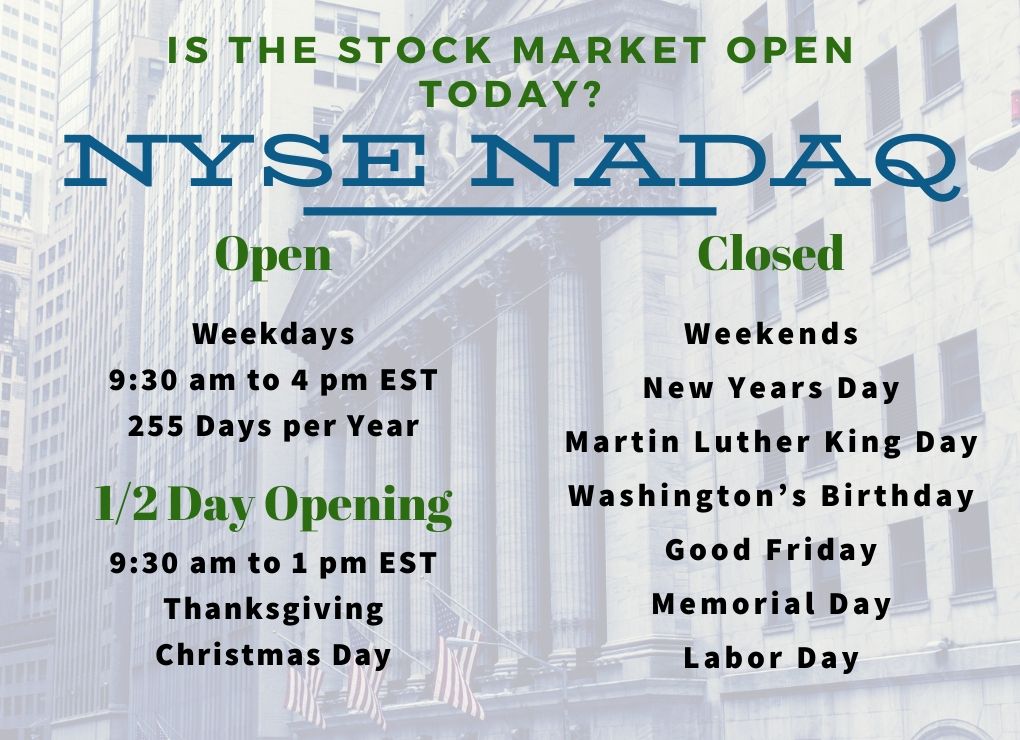
The importance of Eastern Time (ET) cannot be overstated when discussing the New York stock market’s hours. For traders and investors outside the Eastern Time Zone, accurately converting these hours is crucial for participating effectively. For example, a West Coast investor in Pacific Time (PT) will see the market open at 6:30 AM PT and close at 1:00 PM PT. Internationally, the time difference becomes even more significant. European investors might find themselves trading well into their evening, while Asian investors could be monitoring the market during their early morning hours. This global reach means that the “New York stock market open” isn’t just a local event; it’s a global trigger that can influence market sentiment and activity across continents, making awareness of time zone conversions a critical skill for any globally-minded investor.
Beyond the Bell: Pre-Market and After-Hours Trading
The financial markets don’t simply cease to exist outside of the 9:30 AM to 4:00 PM ET window. Modern electronic trading systems facilitate activity before the official opening and after the official closing, offering opportunities and presenting unique challenges.
Pre-Market Dynamics (4:00 AM – 9:30 AM ET)
Pre-market trading typically commences as early as 4:00 AM ET and concludes at the standard market open of 9:30 AM ET. This period often sees lower trading volumes and liquidity compared to regular hours, yet it can be a critical time for certain investors. Major corporate announcements, such as earnings reports, mergers and acquisitions, or significant news events, are frequently released before the market opens. Traders and institutional investors use the pre-market session to react swiftly to this information, potentially adjusting positions or placing early orders. The lower liquidity, however, means that prices can be more volatile, and spreads (the difference between bid and ask prices) can be wider, making execution more challenging and potentially leading to larger price swings on smaller volumes. Participants often include professional traders, high-net-worth individuals, and those with access to advanced trading platforms that provide real-time pre-market data.
After-Hours Activity (4:00 PM – 8:00 PM ET)
Following the closing bell at 4:00 PM ET, after-hours trading extends the market’s activity, typically until 8:00 PM ET. Similar to pre-market trading, this session is characterized by reduced liquidity and increased volatility. Many companies opt to release critical information, such as quarterly earnings or forward-looking guidance, immediately after the market closes. This timing allows investors to digest the news without disrupting the regular trading session and provides a window for immediate reaction in after-hours trading. For individual investors, after-hours trading can be tempting for capitalizing on late-breaking news, but the same caveats regarding liquidity and wider spreads apply. Orders placed during these extended hours are generally executed through Electronic Communication Networks (ECNs) rather than the traditional exchange mechanisms, which can also influence pricing and execution quality.
Why These Extended Hours Matter
Understanding pre-market and after-hours trading is crucial for a comprehensive market perspective. For active traders, these periods offer opportunities to react quickly to news and potentially gain an edge. For long-term investors, monitoring extended hours can provide early insights into how their holdings might perform the following day, helping them prepare for potential gaps up or down at the open. However, the inherent risks—lower liquidity, wider spreads, and increased volatility—demand a cautious approach. It’s a landscape best navigated with experience, robust risk management strategies, and an awareness that the price action during these hours might not always be indicative of sustained trends during regular market operation. For the average retail investor, simply being aware of these periods and their potential impact on the next day’s open can be invaluable.
Navigating Market Holidays and Shortened Sessions
While the Monday-to-Friday, 9:30 AM to 4:00 PM ET schedule forms the backbone of market operations, it’s not absolute. The New York stock market observes a number of holidays and sometimes operates on shortened schedules, knowledge of which is essential for any market participant to avoid missed opportunities or unexpected delays.
Observing National Holidays
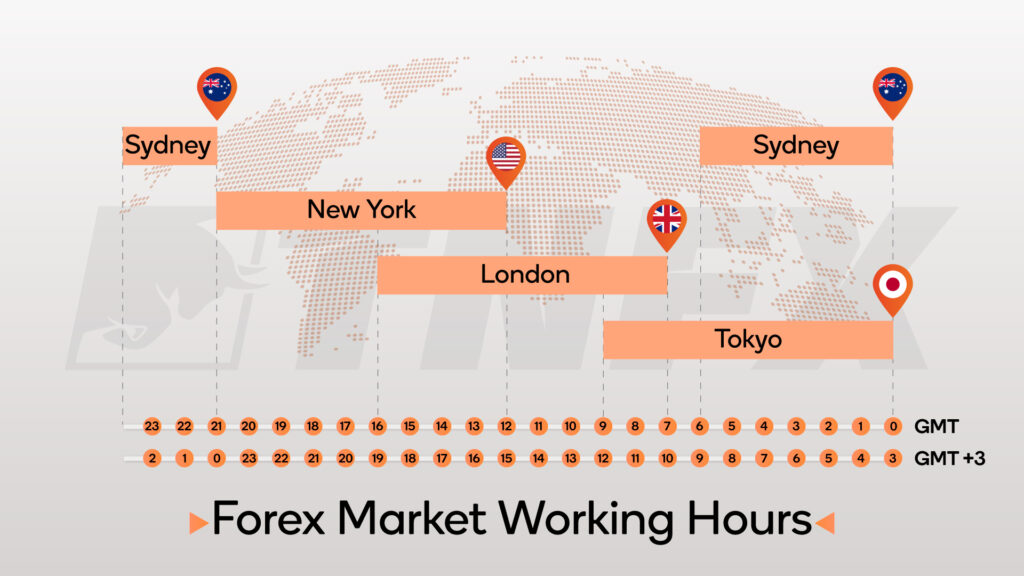
The New York Stock Exchange and NASDAQ typically close in observance of major U.S. national holidays. These full-day closures mean absolutely no trading activity occurs. Common market holidays include:
- New Year’s Day: January 1st
- Martin Luther King, Jr. Day: Third Monday in January
- Presidents’ Day (Washington’s Birthday): Third Monday in February
- Good Friday: The Friday before Easter
- Memorial Day: Last Monday in May
- Juneteenth National Independence Day: June 19th (observed)
- Independence Day: July 4th
- Labor Day: First Monday in September
- Thanksgiving Day: Fourth Thursday in November
- Christmas Day: December 25th
If any of these holidays fall on a weekend, the market typically observes the holiday on the preceding Friday or the following Monday. It’s imperative for investors to consult the official exchange calendars well in advance to account for these non-trading days in their financial planning and trading strategies.
Early Closures and Special Events
In addition to full-day closures, the stock market occasionally operates on a shortened schedule, meaning it closes earlier than the standard 4:00 PM ET. The most common early closures are:
- The day after Thanksgiving (Black Friday): The market typically closes at 1:00 PM ET.
- Christmas Eve (if it falls on a weekday): The market often closes at 1:00 PM ET.
These shortened sessions still maintain the 9:30 AM ET opening but compress the trading window, potentially leading to increased volatility during the abbreviated afternoon. Special circumstances or unforeseen national events can also lead to unscheduled closures or delayed openings, though these are rare. For instance, severe weather or national emergencies might prompt such adjustments, although the exchanges are equipped with robust systems to ensure continuous operation under most circumstances.
Planning Your Trading Schedule
For active traders, the awareness of market holidays and shortened sessions is critical for managing open positions, adjusting stop-loss orders, and planning liquidity needs. For long-term investors, while daily market closures may seem less impactful, they still affect when new orders can be placed, when dividends are paid, and when certain financial reports are released. Moreover, significant news or geopolitical events that occur during market holidays can lead to substantial “gap” openings when the market resumes trading, potentially impacting portfolio values. Regularly checking the official NYSE and NASDAQ calendars, which are published annually, should be a standard practice for all market participants to ensure their strategies align with the market’s operational rhythm and to avoid any unexpected disruptions.
The Strategic Importance of Market Open and Close
The opening and closing bells of the New York stock market are more than just ceremonial timestamps; they mark periods of heightened activity and strategic significance for investors and traders alike. Understanding the dynamics of these critical junctures can offer valuable insights and guide effective decision-making.
Volatility at the Open
The first few minutes, often even the first hour, after the 9:30 AM ET opening bell are typically characterized by elevated volatility and high trading volumes. This phenomenon is a result of several factors converging:
- Accumulated Orders: During pre-market hours and overnight, a backlog of buy and sell orders accumulates. These orders, placed by institutional and retail investors, are executed almost simultaneously at the open, leading to rapid price discovery and significant price movements.
- Reaction to Overnight News: Any major economic data releases, corporate earnings announcements, geopolitical developments, or global market movements that occurred after the previous day’s close or during pre-market hours are fully priced into the market at the open. This immediate reaction can cause stocks to gap up or down significantly.
- Day Trader Activity: Many day traders specifically target the opening hours due to the enhanced volatility, aiming to capitalize on quick price swings. This intense activity further fuels the market’s initial dynamism.
For risk-averse investors, trading immediately at the open can be perilous due to unpredictable swings. However, for experienced traders, this volatility presents opportunities for rapid gains, provided they have well-defined strategies and robust risk management in place.
The Closing Rush
Just as the opening bell brings a surge of activity, the approach of the 4:00 PM ET closing bell also witnesses a distinct uptick in trading volume and often, volatility. This “closing rush” is driven by:
- Portfolio Rebalancing: Large institutional investors, such as mutual funds and pension funds, often execute significant block trades towards the close to rebalance their portfolios or to ensure their holdings match specific benchmarks (e.g., S&P 500 index funds buying/selling components to reflect end-of-day weightings).
- Settling Positions: Day traders and short-term investors look to close out positions before the market closes to avoid holding them overnight, especially if uncertain news is expected or if they wish to limit exposure to overnight market risks.
- “Marking the Close”: In some instances, traders or institutions might try to influence the closing price of a security to achieve certain reporting objectives or to trigger specific options contracts. While heavily regulated, this activity can contribute to late-day price movements.
The closing minutes can see rapid price changes, which can impact the daily performance of individual stocks and broader indices. Understanding these dynamics is crucial for anyone with open positions nearing the close or for those looking to enter or exit trades strategically at the end of the day.
Data Release and Earnings Announcements
The timing of the market open and close is also strategically utilized for the release of critical financial information. Companies typically release their quarterly earnings reports either before the market opens (e.g., at 7:00 AM ET) or after the market closes (e.g., at 4:30 PM ET). This timing allows analysts and investors a window to digest the information and formulate their responses without disrupting the continuous flow of regular trading hours. Similarly, key economic data (e.g., inflation reports, employment figures, GDP numbers) are almost always released before the market open, often at 8:30 AM ET. This strategic timing ensures that the market has an opportunity to absorb and react to new information in a controlled manner, primarily at the open, when liquidity is high and widespread participation can facilitate efficient price discovery.
Practical Implications for Investors and Traders
The knowledge of when the New York stock market opens, closes, and operates during extended or shortened hours is more than academic; it has profound practical implications for how investors and traders approach their financial strategies.
Tailoring Strategies to Market Hours
Different types of investors and traders tailor their approaches to align with market hours:
- Day Traders: These individuals thrive on the volatility of the opening and closing hours, executing multiple trades within a single day. Their strategies are meticulously timed, often focusing on the first and last hour of the regular session for maximum opportunity. They rely heavily on real-time data and swift execution.
- Swing Traders: Holding positions for a few days to several weeks, swing traders pay close attention to potential gaps at the open or close caused by overnight news, using this information to enter or exit trades strategically. They might analyze pre-market or after-hours movements to anticipate the next day’s price action.
- Long-Term Investors: While not engaged in frequent trading, long-term investors still benefit from understanding market hours. They might place limit orders before the market opens, anticipating a certain price, or monitor the market’s reaction to major company announcements that occur outside regular hours, influencing their decision to buy more or trim positions. Knowing holiday schedules ensures they don’t miss opportunities for deposits, withdrawals, or portfolio rebalancing.
Managing Risk in Volatile Periods
The heightened volatility during the market open, close, and extended hours necessitates careful risk management. For instance, placing stop-loss orders can be less effective during pre-market or after-hours sessions due to lower liquidity and wider spreads, which can lead to “slippage”—where the order is executed at a less favorable price than intended. Investors should adjust their position sizing, utilize limit orders instead of market orders during volatile periods, and be aware that news released outside regular hours can significantly impact their portfolio’s value at the next open. A prudent approach involves assessing the potential for market gaps and preparing for swift action, or conversely, choosing to stay out of the market during these less predictable times if risk tolerance is low.
Utilizing Financial Tools and Resources
In today’s digital age, financial tools and resources play a crucial role in navigating market hours effectively. Sophisticated trading platforms offer real-time data, advanced charting capabilities, and the ability to place various order types (e.g., limit orders, stop-limit orders) that can be active during extended hours. News feeds and financial calendars provide timely updates on earnings announcements, economic data releases, and market holidays. Many brokerage firms also offer educational resources that explain the nuances of pre-market and after-hours trading, empowering investors with the knowledge to make informed decisions. Leveraging these tools is essential for staying informed, executing trades efficiently, and managing risk across all market sessions.
The Role of Automation and Algorithmic Trading
The precise timing of market open and close, combined with the availability of extended hours trading, has significantly fueled the rise of algorithmic trading and high-frequency trading (HFT). These automated systems are designed to execute trades at lightning speed, often reacting to minute price changes or news events in milliseconds. HFT firms frequently capitalize on the increased volatility and liquidity at the market open and close. For the individual investor, understanding this landscape means recognizing that much of the immediate price action, particularly at the bookends of the trading day, is driven by complex algorithms, making human reaction times inherently slower. This knowledge underscores the importance of having a well-defined strategy rather than attempting to outmaneuver machines in split-second decisions.
Understanding the answer to “what time does the NY stock market open?” is merely the starting point for a deeper comprehension of how financial markets operate. From the precise 9:30 AM ET opening bell to the 4:00 PM ET close, and extending into the dynamic pre-market and after-hours sessions, each period carries unique characteristics and implications. Navigating market holidays, understanding the strategic importance of daily transitions, and leveraging financial tools are all critical components of a well-informed investment approach. For anyone looking to invest in the U.S. stock market, mastering this operational rhythm is not just about knowing the clock; it’s about understanding the pulse of global finance itself, enabling more strategic decisions and fostering greater success in the pursuit of financial goals.
aViewFromTheCave is a participant in the Amazon Services LLC Associates Program, an affiliate advertising program designed to provide a means for sites to earn advertising fees by advertising and linking to Amazon.com. Amazon, the Amazon logo, AmazonSupply, and the AmazonSupply logo are trademarks of Amazon.com, Inc. or its affiliates. As an Amazon Associate we earn affiliate commissions from qualifying purchases.