
The rhythm of financial markets often dictates the pace of global commerce, setting the stage for economic activity and wealth creation. While many investors are familiar with the traditional trading hours, a significant portion of market action unfolds before the opening bell, in a period known as premarket trading. Understanding when premarket opens, how it operates, and its inherent advantages and risks is crucial for anyone looking to gain an edge or simply comprehend the full scope of market dynamics. This comprehensive guide delves into the intricacies of premarket trading, offering insights for both novice and seasoned investors navigating the complex world of finance.
Understanding the Dynamics of Premarket Trading
Premarket trading represents a fascinating, albeit often misunderstood, segment of the trading day. It’s a window of opportunity where market participants can react to overnight news, earnings reports, and geopolitical events before the broader market officially commences trading. This early access provides both strategic advantages and unique challenges that demand careful consideration.
What is Premarket Trading?
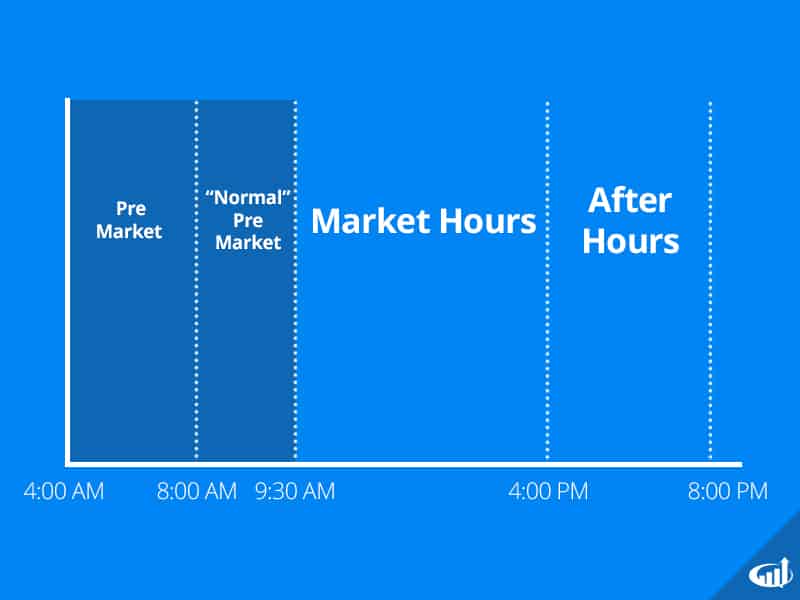
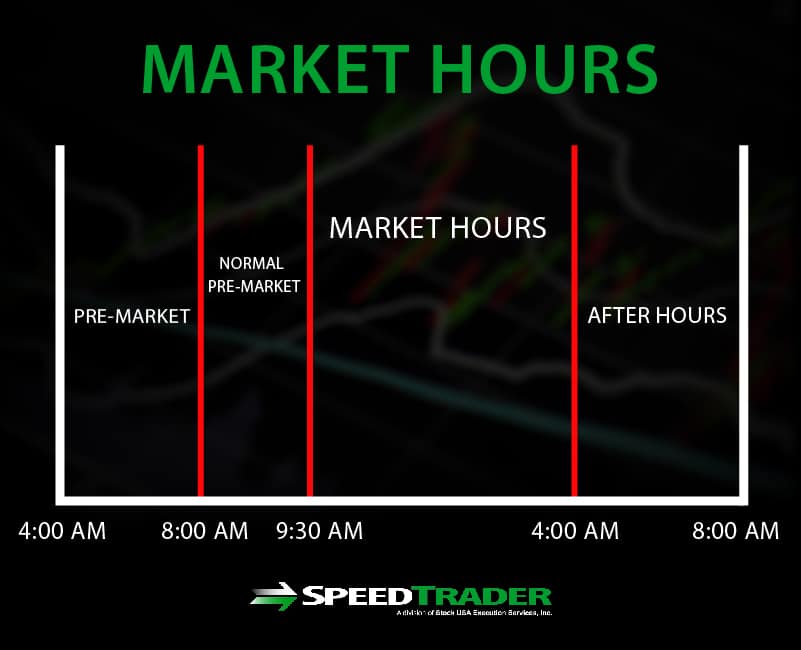
Premarket trading refers to the period during which investors can buy and sell securities before the official opening of the major stock exchanges. For the principal U.S. exchanges, such as the New York Stock Exchange (NYSE) and the NASDAQ, the standard trading session runs from 9:30 AM to 4:00 PM Eastern Time (ET). Premarket trading, however, typically begins much earlier, often as early as 4:00 AM ET, and extends right up to the 9:30 AM ET open.
Unlike the main trading hours, which are characterized by high liquidity and broad participation, premarket trading occurs primarily through Electronic Communication Networks (ECNs). These automated systems match buy and sell orders directly, bypassing traditional market makers. While this provides efficiency, it also contributes to the distinct characteristics of the premarket environment, including narrower participation and different market mechanics. Essentially, premarket is an early glimpse into market sentiment, allowing for early positioning based on fresh information.
Typical Premarket Hours
While 4:00 AM ET is often cited as the earliest start time for premarket trading, the actual availability can vary depending on your brokerage firm and the specific ECNs they access. Most retail brokers offer premarket trading from around 7:00 AM or 8:00 AM ET, extending until 9:30 AM ET. However, for institutional traders and those with specialized accounts, access might indeed begin closer to 4:00 AM ET. It’s important for individual investors to verify their broker’s specific premarket hours and capabilities, as not all brokers offer the same access or functionality during this extended session. These hours are typically Monday through Friday, excluding market holidays, mirroring the regular trading week. Understanding these timeframes is fundamental to integrating premarket analysis into one’s trading strategy.
How Premarket Trading Works
Executing trades during premarket hours differs subtly from the regular session. As mentioned, ECNs are the primary venues for order execution. When you place a premarket order through your broker, it’s routed to one or more ECNs that are actively matching orders. Due to lower trading volumes, order books can be thinner, meaning there are fewer buyers and sellers at various price points. This can lead to wider bid-ask spreads, where the difference between the highest price a buyer is willing to pay and the lowest price a seller is willing to accept is greater than during regular hours.
Most premarket orders are limit orders, which specify the maximum price you’re willing to pay or the minimum price you’re willing to accept. Market orders, which instruct to buy or sell immediately at the best available price, are often discouraged or even restricted during premarket due to the potential for significant price swings and unfavorable execution prices amidst low liquidity. This emphasis on limit orders helps traders maintain control over their entry and exit points, mitigating some of the volatility risks inherent in the premarket session.
The Strategic Advantages of Premarket Access
For many, the lure of premarket trading lies in its potential to offer a first-mover advantage. The ability to react swiftly to new information can be a powerful tool, particularly for those whose strategies hinge on timely responses to market catalysts.
Reacting to News and Earnings
One of the most compelling reasons to engage in premarket trading is the immediate ability to react to breaking news and corporate earnings reports. Many companies release their quarterly earnings results either after market close the previous day or before market open. Similarly, significant economic data, geopolitical developments, or company-specific announcements often occur outside regular trading hours.
Premarket trading allows investors to digest this information and take action instantly, rather than waiting for the market to open at 9:30 AM ET. For instance, if a company announces unexpectedly strong earnings pre-market, investors can buy shares before the broader market reacts, potentially securing a better entry price. Conversely, those holding positions in a company that releases disappointing news can exit before a potential sharp decline when the market opens. This immediate responsiveness is a cornerstone of many short-term trading strategies.
Price Discovery and Liquidity Insights
While liquidity is generally lower in premarket, the trading activity that does occur plays a vital role in price discovery. The premarket price movements often provide an early indication of market sentiment and the likely opening price of a stock. Traders can observe the accumulation or distribution of shares, analyze order imbalances, and gauge the initial reaction to news, all of which contribute to setting the stage for the regular session.
Monitoring premarket price action can help investors anticipate where a stock might open, whether it’s likely to gap up or down, and the potential volatility for the day. Although the volume may be thin, the trades that do occur can reveal significant directional bias, helping to inform trading decisions for the entire day. This early insight into price discovery serves as a valuable forecasting tool.
Strategic Positioning and Risk Mitigation
Premarket trading also offers strategic positioning opportunities. For investors who wish to initiate or close a position based on specific news, premarket offers a way to do so without competing with the full market depth and potential herd mentality that often characterizes the opening minutes of the regular session. This can be particularly useful for adjusting portfolio allocations based on an overnight event that impacts a specific sector or asset class.
Furthermore, premarket can be used for risk mitigation. If an investor holds a significant position in a stock that faces adverse news overnight, they might choose to scale back their exposure during premarket to limit potential losses, even if it means accepting a less favorable price than they might achieve during regular hours. It’s a trade-off between potentially higher risk during the regular session and the certainty of execution (albeit with less liquidity) in the premarket.
The Risks and Challenges of Premarket Trading
Despite its strategic advantages, premarket trading is not without its significant drawbacks and inherent risks. The unique characteristics of this trading period demand a higher degree of caution and sophistication from participants.
Lower Liquidity and Wider Spreads
The most prominent challenge of premarket trading is significantly lower liquidity. With fewer buyers and sellers participating compared to regular hours, it can be challenging to execute large orders without impacting the price. A relatively small order can cause a substantial price swing, making it difficult to achieve desired entry or exit points.
This reduced liquidity also leads to wider bid-ask spreads. During regular hours, the difference between the bid (highest buying price) and ask (lowest selling price) for actively traded stocks might be just a few cents. In premarket, this spread can widen to tens of cents or even dollars, significantly increasing transaction costs and making it harder to get a favorable execution. A wider spread means less money in the trader’s pocket on each transaction, posing a substantial hurdle for profitability.
Increased Volatility and Price Swings
The combination of low liquidity and the prevalence of news-driven reactions makes premarket trading highly volatile. With fewer orders in the book, a single large order, or even a series of smaller orders, can dramatically move a stock’s price in a very short period. This exaggerated volatility can lead to sharp, unpredictable price swings that are difficult to anticipate or control.
While volatility can present opportunities for quick gains, it also escalates the risk of substantial losses, especially for inexperienced traders. A stock might gap up significantly on positive news, only to retrace much of those gains if the initial reaction is overdone or if new information emerges. This heightened unpredictability makes premarket trading a challenging environment for consistent profitability without robust risk management.
Information Asymmetry and Limited Order Types
Information asymmetry can also be a concern during premarket. While major news outlets widely report critical events, institutional investors and professional traders often have access to faster, more sophisticated news feeds and analytical tools, potentially giving them an advantage in processing and reacting to information. Retail investors, relying on slower news cycles, might find themselves at a disadvantage.
Furthermore, some brokers may offer limited order types during premarket. While limit orders are generally available and recommended, more advanced order types like stop-loss orders or complex algorithmic strategies might be restricted or function differently than during regular hours. This limitation can hinder effective risk management and tactical trading, requiring traders to be more hands-on and vigilant.
Who Benefits Most from Premarket Trading?
Given the specific characteristics of premarket trading, certain types of investors and strategies are better suited to navigating its unique environment.
Institutional Investors and Experienced Day Traders
Institutional investors, such as hedge funds and mutual funds, often have dedicated teams and technology to monitor global markets around the clock. Their large capital base allows them to absorb wider spreads and absorb minor price fluctuations in pursuit of strategic positions based on significant news. They also typically have direct access to ECNs and sophisticated order routing systems.
Experienced day traders also frequently leverage premarket hours. Their strategies often involve capitalizing on short-term volatility and news catalysts. With advanced charting tools, real-time news feeds, and a deep understanding of market mechanics, these traders aim to profit from rapid price movements, often holding positions for only a few minutes or hours. Their ability to react quickly and manage risk actively makes them well-equipped for the premarket’s fast pace.
News-Driven Investors and Short-Term Speculators
Investors whose strategies are primarily driven by specific news events – such as earnings surprises, merger announcements, or FDA approvals – find premarket trading invaluable. They can immediately respond to these catalysts, taking positions before the broader market opens and absorbs the news into the stock price. This can allow them to capture a larger portion of the initial price movement.
Short-term speculators, too, often find premarket fertile ground. Their focus is on high-beta stocks or those with imminent news, aiming to make quick profits from the increased volatility and price swings that precede the market open. They are often less concerned with fundamental valuations and more focused on technical indicators and market sentiment during this compressed period.
Navigating Premarket Effectively
For those considering engaging in premarket trading, a disciplined approach coupled with the right tools and knowledge is essential to mitigate risks and capitalize on opportunities.
Choose the Right Broker and Tools
The first step is selecting a brokerage firm that offers robust premarket trading capabilities. Look for brokers that provide access to premarket trading starting at early hours (if that aligns with your strategy), offer competitive fees, and route orders efficiently through various ECNs. Crucially, ensure your broker provides real-time Level 2 market data, which displays the order book depth (bid and ask prices along with the size of orders at those prices). This data is invaluable for understanding premarket liquidity and potential support/resistance levels. Access to fast, reliable news feeds is also paramount.
Stay Informed and Plan Ahead
Knowledge is power in premarket trading. Always be aware of upcoming earnings reports, economic data releases, and any company-specific news that might impact your holdings or target stocks. Subscribe to reputable financial news services that provide timely updates. Develop a premarket watchlist of stocks likely to be affected by overnight or early morning news. Before placing any trade, have a clear plan outlining your entry points, exit strategies (including profit targets), and maximum allowable losses.
Practice Rigorous Risk Management
Given the heightened volatility and lower liquidity, strict risk management is non-negotiable. Use limit orders exclusively to control your execution price. Never trade with more capital than you can afford to lose. Consider scaling into positions slowly rather than taking a full position at once, especially if liquidity is very thin. Implement tight stop-loss orders, though be mindful that “slippage” (execution at a worse price than intended) can be more pronounced in low-liquidity conditions. Always prioritize capital preservation over aggressive profit-seeking during these volatile hours.
Understand Market Mechanics and Context
A deep understanding of how ECNs work, how orders are routed, and the impact of bid-ask spreads is crucial. Recognize that premarket price action, while indicative, is not always definitive. The sentiment can reverse sharply once the regular session opens and broader participation floods the market. Contextualize premarket movements within the larger fundamental and technical picture of the stock. A large move on low volume might not be as significant as a smaller move on substantial volume during regular hours. Continuously educate yourself on market microstructure to make informed decisions.

Conclusion
Premarket trading, typically opening as early as 4:00 AM ET for some participants and commonly around 7:00 or 8:00 AM ET for retail investors, offers a unique opportunity to engage with financial markets before the official bell. It provides a strategic window for reacting to news, discovering early price indications, and positioning oneself ahead of the crowd. However, this early access comes with inherent risks, including lower liquidity, wider bid-ask spreads, increased volatility, and potential information asymmetry.
For those who understand its mechanics, employ robust risk management strategies, and stay meticulously informed, premarket trading can be a powerful component of an overall investment approach. It’s a domain best suited for experienced traders and institutional players who can leverage its advantages while deftly navigating its perils. For the average investor, a cautious and well-researched approach is paramount, transforming what could be a speculative gamble into a calculated strategic maneuver within the ever-evolving financial landscape.
aViewFromTheCave is a participant in the Amazon Services LLC Associates Program, an affiliate advertising program designed to provide a means for sites to earn advertising fees by advertising and linking to Amazon.com. Amazon, the Amazon logo, AmazonSupply, and the AmazonSupply logo are trademarks of Amazon.com, Inc. or its affiliates. As an Amazon Associate we earn affiliate commissions from qualifying purchases.