
Navigating the complexities of the Internal Revenue Service (Service) can be a daunting task for even the most financially literate individuals. Whether you are a high-net-worth investor, a burgeoning entrepreneur with a side hustle, or a traditional W-2 employee, understanding exactly where and how to send your tax payments is a fundamental pillar of personal finance. Misdirecting a payment or choosing an inefficient method can lead to processing delays, unnecessary penalties, and a significant amount of administrative stress.
In an era where the boundary between digital and physical transactions is constantly shifting, the IRS has expanded its infrastructure to accommodate various payment preferences. However, with this variety comes the responsibility of the taxpayer to select the most secure and verifiable route. This guide provides a detailed roadmap for directing your federal tax payments, ensuring your capital reaches the Department of the Treasury safely and on time.

The Digital Shift: Leveraging Electronic Payment Systems
For most modern taxpayers, electronic payments represent the gold standard of financial efficiency. Digital methods offer near-instant confirmation, reduced risk of mail theft, and a verifiable paper trail that is essential for personal record-keeping and audits.
IRS Direct Pay for Individuals
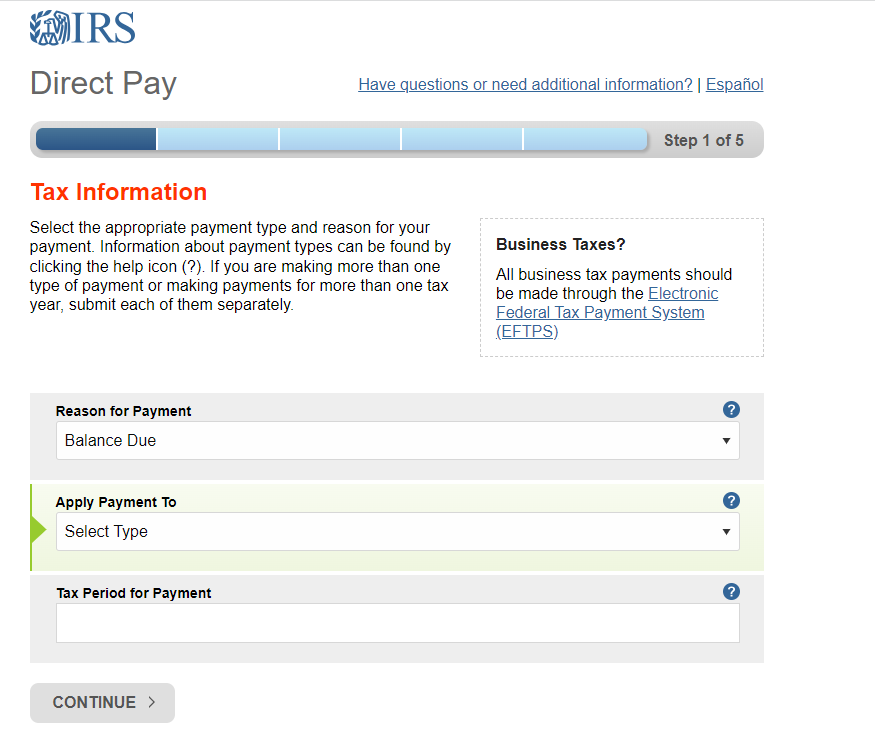
IRS Direct Pay is arguably the most straightforward tool for individual taxpayers. This service allows you to pay your income tax directly from your checking or savings account without any additional fees. It is particularly useful for those paying Form 1040 series taxes, estimated taxes (1040-ES), or even health care payments.
One of the primary advantages of Direct Pay is the lack of a registration requirement. You simply verify your identity using information from a previous year’s tax return. For those managing a tight monthly budget, the ability to schedule payments up to 365 days in advance offers a strategic advantage in cash flow management.
The Electronic Federal Tax Payment System (EFTPS)
While Direct Pay is excellent for one-off individual payments, the Electronic Federal Tax Payment System (EFTPS) is the powerhouse for businesses and individuals with complex financial lives. EFTPS is a free service provided by the Department of the Treasury that requires a formal enrollment process.
Once enrolled, users receive a Personal Identification Number (PIN), adding an extra layer of security. EFTPS is the preferred method for making large-scale business tax deposits and estimated payments. From a personal finance perspective, EFTPS is superior for its robust reporting features, allowing users to view a 16-month history of their federal tax payments, which is invaluable for year-end financial planning.
Credit Cards, Debit Cards, and Digital Wallets
For those who wish to leverage their tax payments to earn rewards or manage short-term liquidity, the IRS permits payments via third-party processors using credit cards, debit cards, and digital wallets like PayPal or Click to Pay.
While the IRS itself does not charge a fee for these transactions, the third-party processors do. These fees are usually a percentage of the payment amount. For a savvy investor, the decision to use a credit card often hinges on a cost-benefit analysis: do the credit card “points” or “cash back” outweigh the processing fee? If you are using this method to bridge a temporary gap in your business finance, it is a legitimate tool, provided the interest rates on the card do not erode your financial stability.
Sending Payments by Mail: Navigating the Physical Paper Trail
Despite the push toward digitalization, a significant portion of the population still prefers, or is required, to send physical checks or money orders. This method requires meticulous attention to detail, as the “where” depends entirely on your geographic location and the specific type of tax you are paying.
Identifying the Correct IRS Service Center
The IRS operates multiple processing centers across the United States. Sending your payment to the wrong center won’t necessarily result in a lost payment, but it will certainly cause a delay in processing, which could lead to erroneous late-payment notices.
Generally, the address you use depends on whether you are enclosing a tax return with your payment or sending a payment independently (such as an estimated tax payment). For example, a taxpayer living in Florida will send their Form 1040-V (Payment Voucher) to a different address than a taxpayer living in California. It is imperative to consult the official “Where to File” charts on the IRS website or the instructions included with your tax form to ensure the address is current, as these locations can change due to administrative restructuring.
The Vital Role of the Payment Voucher (Form 1040-V)
When mailing a check or money order, you should never simply drop it in an envelope. The IRS highly encourages the use of Form 1040-V, the Payment Voucher. This small piece of paper is designed to be read by high-speed scanners, ensuring your payment is credited to the correct Social Security Number (SSN) or Individual Taxpayer Identification Number (ITIN).
On the check itself, clarity is king. You must include your name, address, daytime phone number, SSN/ITIN, the tax year the payment applies to, and the specific form number (e.g., “2023 Form 1040”). From a financial security standpoint, never send cash through the mail. Use a check or money order made out to the “United States Treasury.”
Utilizing Private Delivery Services (PDS)
In scenarios where the filing deadline is imminent and you require a guaranteed delivery date, the IRS recognizes specific Private Delivery Services (PDS) as being equivalent to the U.S. Postal Service. This includes certain services from DHL, FedEx, and UPS.
Using a PDS provides a level of tracking and “proof of mailing” that can be vital if the IRS claims a payment was late. However, it is important to note that these services cannot deliver to IRS P.O. Boxes. If you are using a PDS, you must use the “street address” for the IRS submission centers, which is distinct from the mailing address used for standard USPS delivery.
Business and Self-Employed Tax Obligations
For entrepreneurs and those with side hustles, the “where” of tax payments is often tied to the “when.” Unlike traditional employees, the self-employed are responsible for the “pay-as-you-go” system, which involves quarterly estimated tax payments.
Managing Quarterly Estimated Payments
If you expect to owe $1,000 or more in taxes for the year, you are generally required to make quarterly payments. These are submitted using Form 1040-ES. While these can be mailed to specific regional addresses, most business owners utilize EFTPS or Direct Pay to ensure they stay on top of their quarterly obligations.
From a business finance perspective, automating these payments is a best practice. It prevents the “tax season shock” where a business owner realizes they have a massive liability but lacks the liquid capital to cover it. By directing these payments electronically on a set schedule, you maintain a clearer picture of your actual net profit.
Payroll and Corporate Tax Deposits
For those who have scaled their side hustle into a corporation with employees, the payment requirements become even more stringent. Federal Tax Deposits (FTDs) for payroll taxes—including Social Security, Medicare, and withheld income tax—must almost exclusively be made via EFTPS.
Failing to send these payments to the correct electronic destination can result in significant “Trust Fund Recovery Penalties.” In the world of business finance, payroll taxes are considered money held in trust for the government; therefore, the IRS is particularly aggressive in ensuring these funds are directed correctly and promptly.
Ensuring Security and Avoiding Financial Scams
As you determine where to send your tax payments, you must remain vigilant against the rising tide of financial fraud. The IRS is a frequent target for “phishing” and “spoofing” attacks designed to redirect your hard-earned money into the pockets of criminals.
Identifying Official IRS Portals
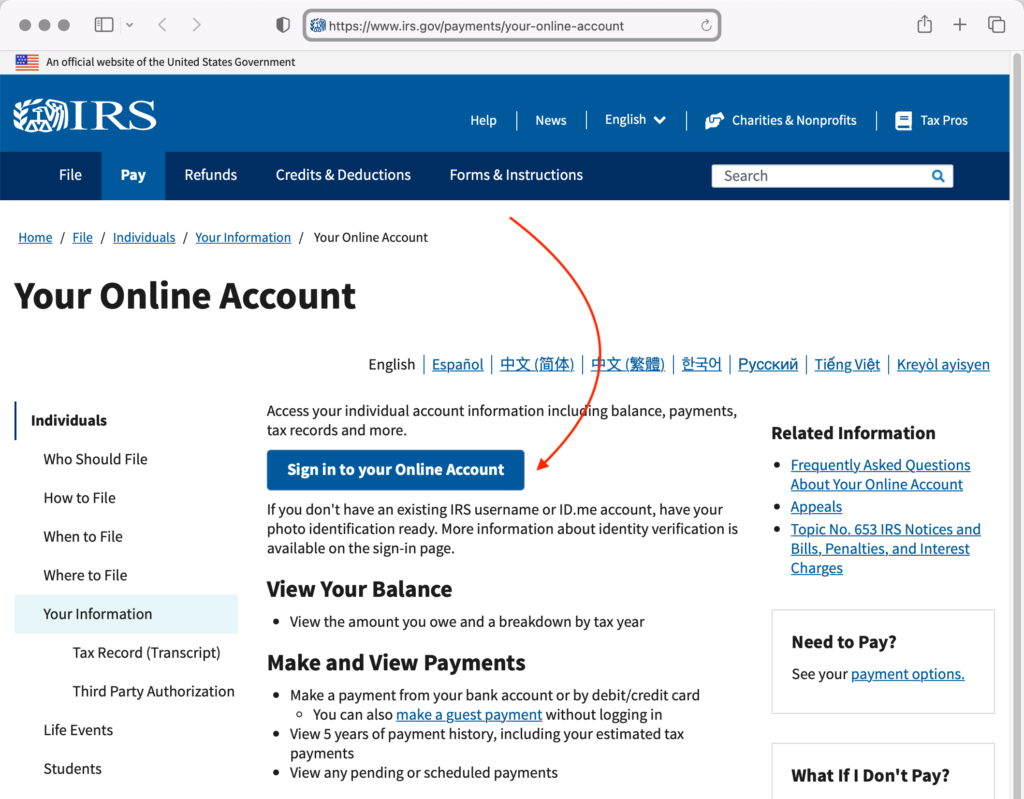
The only legitimate way to pay the IRS online is through their official domain, .gov. Be wary of any website that asks for payment through unconventional means like gift cards, wire transfers, or cryptocurrency. The IRS will never initiate contact via text message or social media to request a payment.
When you are redirected to a third-party processor for credit card payments, ensure the link originated from the official IRS website. These processors (currently limited to companies like ACI Payments, Inc. and Link2Gov) are vetted by the government, but you should always verify the URL before entering sensitive financial data.
The Importance of Certified Mail and Record Keeping
For those mailing physical checks, using “Certified Mail with Return Receipt Requested” is a small investment that provides massive peace of mind. In the event of a dispute regarding a late payment penalty, this receipt serves as legal proof of the date you sent the payment.
Internally, your personal finance system should include a dedicated “Tax Folder”—either physical or digital. Every time you send a payment, save the confirmation number from the website or the receipt from the post office. Having an organized record of where and when you sent every dollar ensures that if the IRS ever makes a clerical error, you have the evidence required to rectify the situation quickly.
What to Do If You Cannot Pay in Full
Sometimes, despite your best financial planning, you may find yourself unable to send the full amount owed. In this situation, the “where” changes from a payment center to an application for an installment agreement.
The IRS offers Online Payment Agreements for individuals and businesses. It is always better to send what you can and set up a formal payment plan than to send nothing at all. By engaging with the IRS through their official payment plan portals, you can often avoid the most severe collection actions and preserve your credit and financial reputation.
Conclusion: Strategic Tax Management
Knowing where to send IRS tax payments is more than just a logistical necessity; it is a vital component of a healthy financial life. By prioritizing electronic methods like Direct Pay and EFTPS, you embrace the security and speed of modern fintech. If you choose to use the mail, doing so with precision—using the correct vouchers and certified delivery—protects you from administrative errors.
Ultimately, tax compliance is about maintaining control over your financial narrative. When you know exactly where your money is going and have the documentation to prove it, you move from a position of tax-season anxiety to a position of fiscal confidence. Whether you are managing personal wealth or a growing business, the disciplined approach to tax payments outlined here will serve as a foundation for long-term financial success.
aViewFromTheCave is a participant in the Amazon Services LLC Associates Program, an affiliate advertising program designed to provide a means for sites to earn advertising fees by advertising and linking to Amazon.com. Amazon, the Amazon logo, AmazonSupply, and the AmazonSupply logo are trademarks of Amazon.com, Inc. or its affiliates. As an Amazon Associate we earn affiliate commissions from qualifying purchases.