
Selling a car is a common financial decision, often driven by the desire to upgrade, reduce expenses, or simply liquidate an asset for much-needed cash. While the process can seem daunting, approaching it strategically and with a clear financial focus can transform a potentially stressful experience into a lucrative one. This comprehensive guide will walk you through every step of getting rid of your car for cash, ensuring you maximize your return and navigate the transaction with confidence and security. From understanding your car’s true market value to securing the final payment, we’ll delve into the financial intricacies that empower you to make informed decisions.

Understanding Your Car’s Financial Value
Before you even think about putting a “for sale” sign on your vehicle, the most crucial first step is to accurately determine its market value. This isn’t just about picking a number; it’s about understanding what buyers are willing to pay and what factors influence that figure, ensuring you price competitively while maximizing your financial return.
Market Valuation Tools and Influencing Factors
Reliable online valuation tools are your best friends in this initial phase. Platforms like Kelley Blue Book (KBB), Edmunds, and NADAguides offer free, data-driven estimates based on real market transactions. To get the most accurate appraisal, you’ll need to input specific details about your vehicle:
- Make, Model, and Year: These fundamental identifiers set the base value.
- Mileage: Lower mileage typically translates to higher value, as it suggests less wear and tear.
- Condition: Be honest about your car’s condition (excellent, good, fair, poor). These tools have specific criteria for each, covering mechanical soundness, exterior blemishes, interior cleanliness, and tire condition.
- Features and Trim Level: Luxury packages, advanced safety features, navigation systems, and premium sound systems can significantly boost your car’s worth.
- Location: Used car markets can vary by region, so some tools factor in your geographical location.
Understanding these inputs helps you grasp the ceiling and floor of your car’s potential sale price, providing a strong foundation for your financial expectations.
Impact of Condition and Maintenance on Value
The adage “you only get what you pay for” applies heavily to used cars. A well-maintained vehicle, both mechanically and aesthetically, commands a higher price and sells faster. Buyers are naturally more inclined to pay top dollar for a car that looks and feels cared for, as it suggests reliability and fewer immediate expenses.
- Mechanical Soundness: Regular oil changes, timely brake replacements, and adherence to manufacturer-recommended service schedules are not just good for your car; they’re excellent for its resale value. Keep detailed service records to prove this.
- Exterior Appearance: A clean, dent-free exterior with minimal scratches instantly makes a car more appealing. Consider the return on investment (ROI) of minor paint touch-ups or a professional detailing service.
- Interior Cleanliness: A spotless, odor-free interior free from rips, stains, or excessive wear significantly boosts perceived value. Remove all personal items and perform a thorough clean-up.
Small investments in pre-sale preparation can yield substantial returns in the final sale price, turning a few hours of effort or a couple of hundred dollars into potentially hundreds, if not thousands, more in cash.
Timing Your Sale for Optimal Return
Believe it or not, seasonality can play a role in your car’s financial outcome. While not as pronounced as in real estate, certain times of the year can favor specific vehicle types:
- SUVs and AWD Vehicles: Often see increased demand and higher prices during colder months when buyers anticipate snow and adverse weather.
- Convertibles and Sports Cars: Tend to sell better in spring and summer as the weather warms up.
- End of the Year/New Model Releases: When new models hit showrooms, the value of older models can slightly depreciate. Selling before these releases might net you a better price.
- Tax Season: Many buyers have extra cash from tax refunds, potentially increasing demand.
While timing isn’t always feasible, being aware of these trends can help you strategically list your vehicle to catch the market at its peak for your specific car type.
Exploring Different Selling Avenues and Their Financial Implications
Once you know your car’s value, the next critical financial decision is choosing the right selling avenue. Each method offers a different balance of convenience, speed, and ultimately, the amount of cash you’ll walk away with. Understanding these trade-offs is key to making the financially sound choice for your situation.
Private Sale (Direct to Consumer)
Selling your car privately is almost universally acknowledged as the path to securing the highest possible cash payout. You cut out the middleman, meaning you retain the full profit margin.
- Pros: Maximized financial return, full control over pricing and negotiation, direct communication with potential buyers.
- Cons: Most time-consuming, requires effort in advertising (online listings, social media), screening potential buyers (which can be a significant time sink and safety concern), handling test drives, and managing all paperwork.
- Financial Considerations: While potentially lucrative, factor in potential costs for advertising (some platforms charge fees), detailing, and minor repairs. Be prepared for negotiation; knowing your bottom line is crucial to not underselling. The goal is to balance the highest achievable price with the effort involved.
Dealership Trade-In
Trading in your car at a dealership when purchasing a new one is the epitome of convenience. The transaction is typically swift and seamless.
- Pros: Unparalleled convenience, immediate transaction, avoids the hassles of private selling, and in some states, you only pay sales tax on the difference between your new car’s price and your trade-in value, resulting in immediate tax savings.
- Cons: Almost always results in the lowest cash payout compared to a private sale. Dealerships need to resell your car for a profit, so their offer will reflect their reconditioning costs, profit margin, and current market demand. Less negotiation room on the trade value.
- Financial Considerations: Weigh the convenience and potential tax savings against the significantly lower cash offer. If speed and simplicity are paramount, and the price difference is acceptable, this can be a financially justifiable option. Always get multiple trade-in offers from different dealerships.
Online Car Buyers/Cash for Cars Services
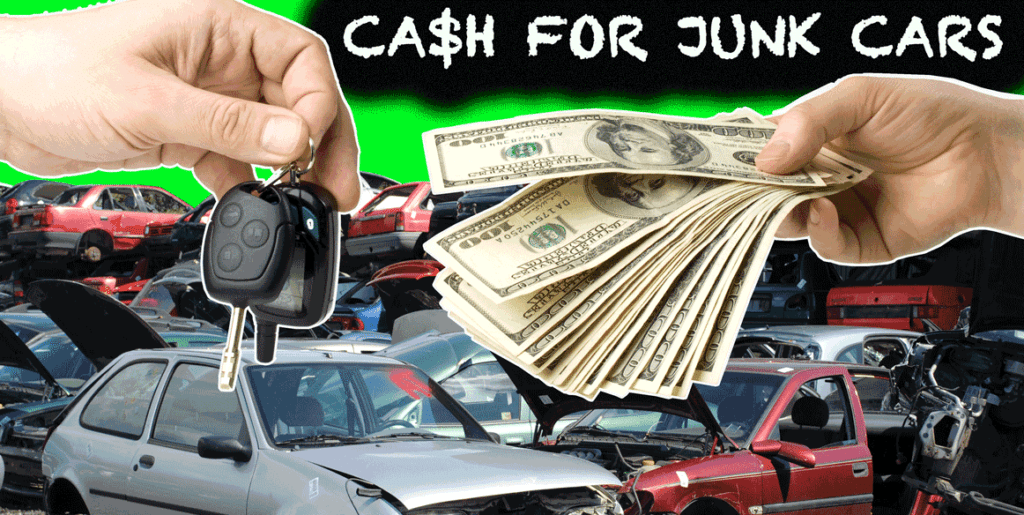
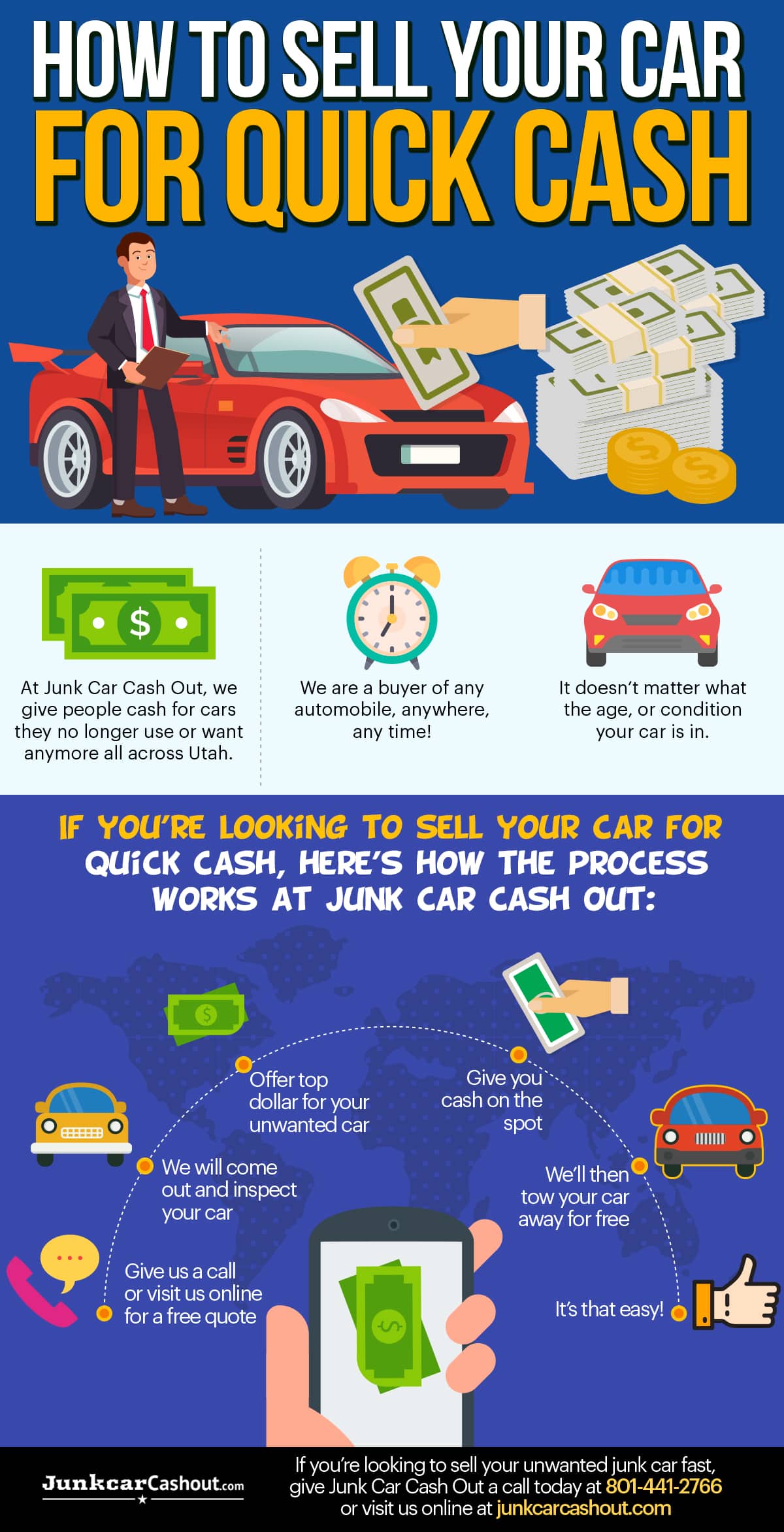
Companies like Carvana, Vroom, and local “cash for cars” services have revolutionized the selling process, offering quick, no-hassle sales, often with home pick-up.
- Pros: Speed and efficiency are their strongest suits. You receive an instant offer, often sight unseen (pending verification), and the cash can be in your hand within days. Excellent for those who value time over maximizing every dollar. They often buy cars in less-than-perfect condition.
- Cons: While offers are usually better than a dealership trade-in, they are still typically lower than what you could achieve through a private sale. The convenience comes at a cost, as these companies also need to make a profit.
- Financial Considerations: This method is ideal for those needing quick liquidity or looking to unload an older or damaged vehicle without the headaches of private selling. It’s a financially sound choice when the value of your time and convenience outweighs a potentially higher private sale price.
Consignment Sales
Some dealerships or specialized consignment lots will sell your car for you, taking a commission from the final sale price.
- Pros: The dealer handles all marketing, showings, test drives, and paperwork, saving you significant time and effort. You might achieve a higher price than a direct trade-in, as the dealer doesn’t own the car outright.
- Cons: You don’t get immediate cash; your money is tied up until the car sells. You pay a commission, which eats into your profit. There might be storage or listing fees if the car doesn’t sell within a certain timeframe.
- Financial Considerations: Understand the commission structure (percentage or flat fee) and any additional charges. This option balances some of the convenience of a dealership sale with the potential for a better return than a direct trade-in, but requires patience for the financial payout.
Preparing Your Car for Maximum Financial Return
Regardless of the selling method, proper preparation is key to maximizing the cash you receive for your car. A well-presented vehicle, backed by solid documentation, instills confidence in buyers and justifies a higher asking price. This isn’t just about appearances; it’s about smart financial investment in your selling process.
Detailing and Minor Repairs: Strategic Investments
Think of detailing and minor repairs as strategic investments that yield significant returns. A clean, well-maintained car not only looks better but also communicates that it has been cared for.
- Exterior Detailing: A thorough wash, wax, and tire shine can make an old car look new. Consider buffing out minor scratches or using touch-up paint for small chips. The goal is to present a vehicle that immediately catches the eye.
- Interior Detailing: This is critical. Vacuum carpets, wipe down all surfaces, clean windows, and remove any lingering odors. Buyers are highly sensitive to interior cleanliness. Remove all personal belongings – a decluttered interior makes the car feel more spacious and allows the buyer to envision it as their own.
- Minor Fixes with High ROI: Small, inexpensive repairs can prevent buyers from trying to negotiate hundreds off your price. Replace burnt-out bulbs, top off fluids, ensure all lights and signals work, and check tire pressure. These small efforts signal a well-maintained vehicle.
- Financial Justification: A few hundred dollars spent on detailing or minor fixes can often translate into hundreds or even thousands more on the sale price, making it an excellent return on investment.
Gathering Essential Documentation
Having all necessary paperwork organized and ready reinforces transparency and trustworthiness, accelerating the sales process and justifying your asking price.
- Title/Lien Release: The car’s title (pink slip) is paramount. If you have an outstanding loan, you’ll need a lien release from your lender to transfer ownership. Understand this process beforehand to avoid delays.
- Service Records: A comprehensive history of maintenance, repairs, and inspections proves diligent care. This builds immense trust and helps justify the car’s condition and value.
- Owner’s Manual: While not strictly necessary, including the original owner’s manual shows attention to detail and provides useful information for the new owner.
- Vehicle History Report (e.g., Carfax, AutoCheck): For private sales, offering a recent report can be a powerful tool to build buyer confidence, preempting questions about accidents or previous owners. While there’s a cost, it can speed up the sale.
Crafting an Irresistible Listing
Your online listing is your car’s storefront. It needs to be compelling, informative, and visually appealing to attract serious buyers and command your desired price.
- High-Quality Photos: This is non-negotiable. Take numerous clear, well-lit photos from various angles – exterior (front, back, sides), interior (dashboard, seats, trunk), engine bay, odometer reading, and any unique features. Use a clean background. Poor photos deter buyers.
- Detailed, Honest Description: Highlight the car’s best features, recent maintenance, and any upgrades. Be transparent about minor flaws; honesty builds trust and avoids wasted time. Include key information like mileage, trim level, fuel efficiency, and recent repairs.
- Transparent Pricing Strategy: State your asking price clearly. For private sales, indicate if the price is firm or negotiable. Research competitor listings to price your car competitively within your local market.
Navigating the Sales Process and Closing the Deal Securely
Once your car is prepared and listed, you’ll move into the critical phase of interacting with buyers, negotiating, and safely transferring ownership. This stage requires vigilance and financial acumen to ensure you receive your cash securely and complete the transaction legally.
Effective Communication and Negotiation
Your interaction with prospective buyers directly impacts the likelihood and success of the sale.
- Prompt and Professional Communication: Respond quickly and politely to inquiries. Be prepared to answer questions about the car’s history, condition, and maintenance.
- Setting Boundaries for Test Drives: For safety, meet in a public place. Ask for the buyer’s driver’s license and proof of insurance before allowing a test drive. Accompany them, or if you can’t, have a trusted friend go along.
- Negotiation Strategies: Every buyer will likely try to negotiate. Know your absolute bottom line beforehand and be firm but polite. Highlight your car’s strengths, the value you’ve maintained, and present all your service records. Be prepared to walk away if an offer is too low; there will be other buyers. Strong negotiation skills can add hundreds to your final cash take.
Safe Payment Methods
This is perhaps the most financially critical part of a private sale: ensuring you receive legitimate funds. Scams are prevalent, so extreme caution is advised.
- Avoid Personal Checks: Never accept personal checks, even if they appear to clear initially, as they can bounce weeks later.
- Cashier’s Checks: These are generally safer but must be verified with the issuing bank. Call the bank directly using a publicly listed phone number (not one provided by the buyer) to confirm validity before releasing the car or title. Ideally, complete the transaction inside your bank.
- Wire Transfers: Can be secure, but again, verify the funds have cleared into your account before releasing the vehicle.
- Cash: For smaller amounts, cash is king. For larger sums, meet at your bank where funds can be verified by a teller.
- Escrow Services: For higher-value vehicles, a reputable third-party escrow service can hold the funds until both parties fulfill their obligations, adding an extra layer of security for both buyer and seller.
- Financial Security: The cardinal rule is: never release the car or sign over the title until you have verified and secured the full payment in your possession.
Transferring Ownership and Finalizing Paperwork
Properly concluding the sale protects you from future liability related to the vehicle.
- Bill of Sale: Draft a comprehensive bill of sale, including the date, names and addresses of buyer and seller, vehicle make, model, year, VIN, odometer reading at the time of sale, and the agreed-upon sale price. Both parties should sign and date it, and each should retain a copy. This legally documents the transfer of ownership.
- Title Transfer: Sign the title over to the buyer as per your state’s Department of Motor Vehicles (DMV) requirements. Ensure the buyer understands their responsibility to register the vehicle in their name. In some states, you may need to file a “Notice of Transfer and Release of Liability” with the DMV to officially remove your name from the car’s records.
- Remove License Plates: In most states, you keep your license plates. Remove them before the buyer drives off.
- Notify Insurance Company: Immediately inform your insurance provider that you no longer own the vehicle to cancel coverage and avoid unnecessary premiums.
- Financial Responsibility: Proper transfer of ownership is not just a formality; it legally absolves you of any financial or legal responsibility for the car moving forward.
Financial Considerations Post-Sale
The transaction isn’t truly complete until you’ve decided what to do with the cash and understood any potential tax implications. Managing the proceeds wisely is the final step in a financially savvy car sale.
What to Do with the Cash
Receiving a lump sum of cash presents an excellent opportunity for financial planning. How you deploy these funds can significantly impact your financial future.
- Pay Down High-Interest Debt: This is often the most impactful move. Using the cash to reduce credit card debt, personal loans, or other high-interest obligations frees up future cash flow and reduces overall financial burden.
- Boost Your Emergency Fund: If your emergency savings are low, funneling the car sale proceeds into this fund provides a crucial safety net against unexpected expenses.
- Invest for Growth: Consider investing the money in a diversified portfolio, a high-yield savings account, or contributing to retirement accounts (IRA, 401k) to grow your wealth over time.
- Fund a New Purchase: If you’re buying a replacement vehicle, the cash can serve as a substantial down payment, reducing your loan amount and interest payments.
- Other Financial Goals: Perhaps the cash can help fund a home improvement project, a child’s education fund, or an entrepreneurial venture.
- Financial Planning: The sale of an asset is a prime moment to review your overall financial goals and allocate the funds strategically to achieve them.
Tax Implications
For most individuals selling a personal vehicle, there are generally no significant tax implications, especially if you sell it for less than or equal to what you originally paid.
- Capital Gains: If you sell the car for more than you bought it for (which is rare for a depreciating asset like a personal car, but possible with classic cars or highly collectible models), the profit could be considered a capital gain and subject to income tax. Keep records of your original purchase price and any significant improvements.
- Sales Tax Credits: As mentioned earlier, in some states, trading in a car at a dealership can reduce the taxable amount of your new car purchase, effectively providing a sales tax credit. This is an immediate financial benefit to consider if you’re buying another vehicle.
- Financial Awareness: While often minimal, understanding potential tax implications is part of being a responsible financial citizen. Consult a tax professional if you have doubts or are selling a high-value or collectible vehicle.
Selling your car for cash doesn’t have to be a chore; with careful planning, smart execution, and a keen eye on the financial details, it can be a rewarding process that significantly boosts your personal finance goals. By understanding your car’s true worth, selecting the best selling avenue, preparing it meticulously, and navigating the transaction securely, you are empowered to get the most cash out of your vehicle and confidently move forward.
aViewFromTheCave is a participant in the Amazon Services LLC Associates Program, an affiliate advertising program designed to provide a means for sites to earn advertising fees by advertising and linking to Amazon.com. Amazon, the Amazon logo, AmazonSupply, and the AmazonSupply logo are trademarks of Amazon.com, Inc. or its affiliates. As an Amazon Associate we earn affiliate commissions from qualifying purchases.